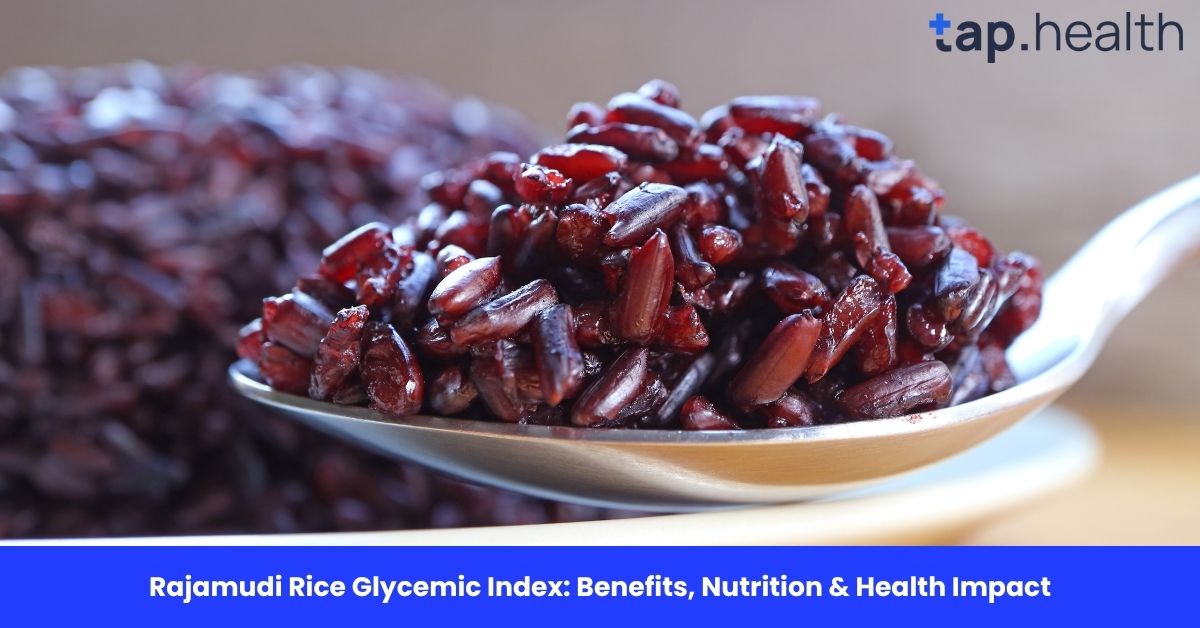
Rajamudi rice, a traditional and aromatic rice variety from India, has been gaining attention due to its unique health benefits and distinctive taste. Known for its rich flavour and nutritional profile, this rice has long been a staple in many regions, especially in the southern parts of India. However, one aspect that is gaining considerable interest is its glycemic index (GI). Understanding the glycemic index of Rajamudi rice and how it impacts health can help you make better dietary choices, especially for those monitoring blood sugar levels.
In this blog, we will explore what the glycemic index of Rajamudi rice is, its benefits, how it compares to other types of rice, and why it might be a better choice for certain dietary needs.
What is Glycemic Index (GI)?
The Glycemic Index (GI) is a measurement that ranks foods containing carbohydrates on a scale from 0 to 100, based on how quickly they raise blood sugar levels after being consumed. Foods with a high GI are absorbed rapidly into the bloodstream, causing a quick rise in blood sugar levels. On the other hand, foods with a low GI are absorbed more slowly, causing a gradual increase in blood sugar levels.
Here is how GI is classified:
- Low GI: 55 or less
- Medium GI: 56–69
- High GI: 70 or more
This classification helps people make informed choices about foods that can support better blood sugar control, especially for individuals with diabetes or those looking to maintain a balanced diet.
What is the Glycemic Index of Rajamudi Rice?
Rajamudi rice is considered to have a medium to low GI, typically ranging from 50 to 60. This makes it a better option compared to highly refined white rice, which tends to have a higher glycemic index, usually above 70. The GI of Rajamudi rice can vary slightly depending on factors such as the method of cooking, the level of processing, and the specific variety.
The medium GI rating of Rajamudi rice indicates that it does not cause rapid spikes in blood sugar levels, making it a good choice for those managing their glycemic response, including individuals with diabetes or those on a weight management plan.
How Does Rajamudi Rice Compare to Other Rice Varieties?
Rajamudi Rice vs. White Rice
White rice, being highly processed and stripped of its bran and germ, has a higher glycemic index, typically ranging between 70 to 80. This means that it is digested quickly and can cause a rapid increase in blood sugar levels. On the other hand, Rajamudi rice retains its bran, which contains fibre, and this helps in slowing down the digestion process, resulting in a lower GI.
Rajamudi Rice vs. Brown Rice
Brown rice, like Rajamudi rice, is less processed and retains more of its natural nutrients, including fibre. Brown rice has a GI of around 50 to 55, making it slightly lower than Rajamudi rice in terms of glycemic index. However, Rajamudi rice still offers many health benefits due to its high antioxidant content and unique nutritional profile, even though it may have a slightly higher GI compared to brown rice.
Rajamudi Rice vs. Basmati Rice
Basmati rice is known for its aromatic flavour and long grains, often considered a healthier rice variety compared to other white rice. Its GI ranges from 50 to 58, similar to Rajamudi rice. Both varieties are considered to be better options than typical white rice, but Rajamudi rice may offer more nutrients due to its minimal processing.
Read this: Is Basmati Rice Good for Diabetics?
Nutritional Profile of Rajamudi Rice
Rajamudi rice is not only known for its moderate glycemic index but also for its excellent nutritional profile. Some of the key benefits of Rajamudi rice include:
1. High in Antioxidants
Rajamudi rice contains anthocyanins, powerful antioxidants that help fight free radicals in the body, potentially reducing inflammation and the risk of chronic diseases such as heart disease and cancer.
2. Rich in Fibre
The fibre content in Rajamudi rice, particularly in the bran, helps in promoting digestive health and can aid in maintaining healthy cholesterol levels. Fibre also plays a key role in regulating blood sugar levels by slowing down the absorption of glucose into the bloodstream.
3. Source of Essential Nutrients
Rajamudi rice is a good source of essential vitamins and minerals, including iron, calcium, and B-vitamins, which are important for overall health. It provides energy in the form of complex carbohydrates, which are digested slowly and help in sustaining energy levels throughout the day.
4. Low Fat Content
Unlike other high-fat grains, Rajamudi rice is low in fat, making it an ideal choice for people who are looking to manage their weight or maintain a healthy heart.
Health Benefits of Rajamudi Rice
1. Better Blood Sugar Control
Due to its moderate glycemic index, Rajamudi rice is a healthier alternative for individuals with diabetes or those at risk of developing diabetes. The slower digestion of carbohydrates helps in controlling blood sugar spikes, promoting stable energy levels throughout the day.
2. Supports Weight Management
Since Rajamudi rice is rich in fibre and digests slowly, it helps keep you feeling fuller for longer, reducing the chances of overeating. This can aid in weight management and prevent the accumulation of excess body fat.
3. Improves Digestive Health
The fibre content in Rajamudi rice supports healthy digestion and regular bowel movements. It can help prevent constipation and promote the growth of beneficial gut bacteria, contributing to better overall gut health.
4. Heart Health
The antioxidants present in Rajamudi rice help in reducing oxidative stress, which plays a role in heart disease. Additionally, its fibre content can help in lowering cholesterol levels, which is beneficial for heart health.
How to Cook Rajamudi Rice for Best Health Benefits
To maximise the health benefits of Rajamudi rice, it is important to cook it properly. Here are a few tips for preparing Rajamudi rice:
- Soak Before Cooking: Soaking Rajamudi rice for about 30 minutes before cooking can help reduce cooking time and improve its texture.
- Use the Right Water Ratio: For fluffy rice, use a ratio of 1 part rice to 2.5 parts water.
- Steam or Cook in a Pressure Cooker: Steaming or cooking in a pressure cooker helps retain the nutrients and ensures that the rice is cooked evenly.
Avoid cooking Rajamudi rice at high temperatures or for long periods to preserve its natural nutrients and antioxidants.
Rajamudi Rice Myths vs. Facts
Myth 1: Rajamudi Rice is Just Like Other White Rice
Fact: Rajamudi rice is minimally processed and retains its bran, unlike white rice, which has been stripped of its nutritional components. It has a lower glycemic index and higher fibre content.
Myth 2: All Rice Has a High Glycemic Index
Fact: While some rice varieties have a high GI, Rajamudi rice is considered a medium-GI food, making it a healthier choice compared to highly refined rice varieties.
Myth 3: You Can’t Eat Rice if You’re Diabetic
Fact: While managing carbohydrate intake is essential for diabetics, consuming rice with a moderate glycemic index, like Rajamudi rice, can be a part of a balanced diet. It’s all about portion control and combining it with fibre-rich foods.
Key Takeaways
- Rajamudi rice has a moderate glycemic index (50–60), making it a better choice than high-GI rice varieties like white rice.
- It is rich in antioxidants, fibre, and essential nutrients, which promote overall health.
- Rajamudi rice can aid in blood sugar control, support weight management, improve digestion, and boost heart health.
- Proper cooking methods help retain the nutritional value of Rajamudi rice.
FAQs on Rajamudi Rice Glycemic Index
What is the glycemic index of Rajamudi rice?
The glycemic index of Rajamudi rice ranges from 50 to 60, placing it in the moderate GI category. This means it is digested more slowly compared to white rice, making it a better choice for those managing blood sugar levels.
Is Rajamudi rice good for diabetics?
Yes, Rajamudi rice is a healthier option for diabetics compared to high-GI rice varieties. It has a moderate GI and is high in fibre, which helps in controlling blood sugar spikes.
How does Rajamudi rice compare to brown rice?
Rajamudi rice has a slightly higher GI than brown rice but still offers many health benefits, including antioxidants and fibre. Both are healthier choices compared to white rice.
How should I cook Rajamudi rice?
For the best results, soak Rajamudi rice for 30 minutes before cooking. Use a water-to-rice ratio of 2.5:1 and steam or cook in a pressure cooker for even cooking.
Can Rajamudi rice help with weight loss?
Yes, Rajamudi rice is a good option for weight management due to its fibre content, which helps in making you feel fuller for longer and reduces the chances of overeating.