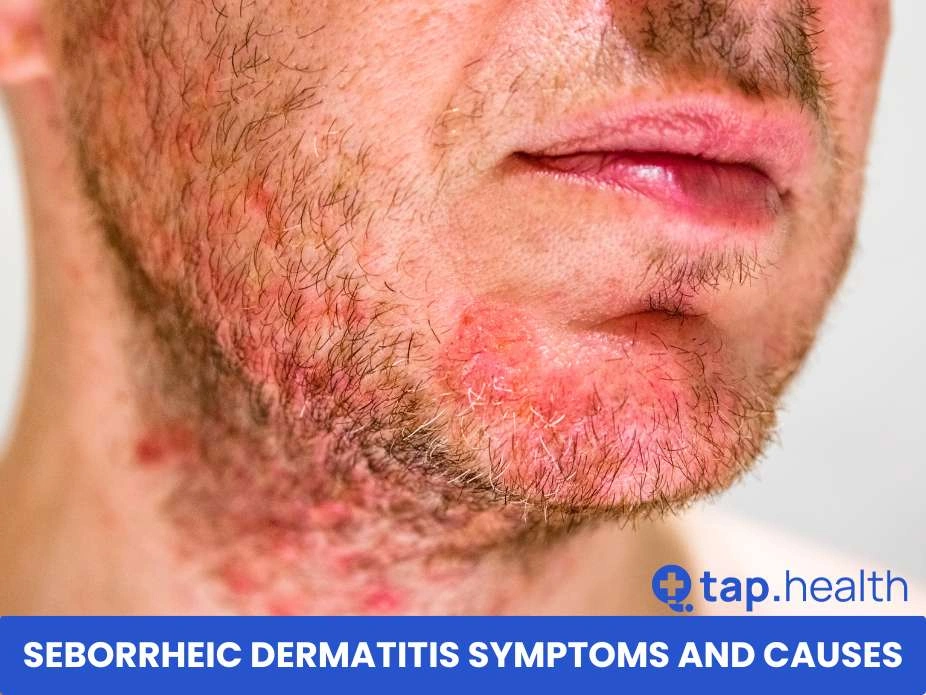
What is Seborrheic Dermatitis?
Seborrheic dermatitis is a common skin condition that primarily affects the scalp but can also occur on other oily areas of the body, like the face, chest, and back. It causes red, scaly, itchy patches and dandruff. While it can be uncomfortable and sometimes embarrassing, it is not contagious. This condition is more prevalent in infants and adults aged 30-60. Infants often develop a form called cradle cap.
What are the Symptoms of Seborrheic Dermatitis?
Seborrheic dermatitis symptoms can vary from person to person, but they generally include:
1. Itchy Scalp
An itchy scalp is one of the most common symptoms of seborrheic dermatitis. The itching can be mild to severe and is often accompanied by redness and inflammation. This itchiness can lead to scratching, which might worsen the condition and even cause secondary infections. If you find yourself frequently scratching your head, especially if it’s accompanied by other symptoms, it might be worth discussing with a healthcare provider.
2. Red, Scaly Patches
Seborrheic dermatitis often causes red, scaly patches on the skin. These patches are typically found on the scalp, but they can also appear on other oily parts of the body, such as the face, especially around the nose, eyebrows, ears, eyelids, and chest. These patches may sometimes feel greasy and can be quite noticeable, leading to self-consciousness and discomfort.
3. Dandruff
Dandruff, or flaking of the skin, is a hallmark symptom of seborrheic dermatitis. This can range from mild to severe and can affect the scalp and other areas. The flakes are usually white or yellowish and can be oily or dry. This symptom is often more pronounced in cold, dry weather and can be aggravated by stress or fatigue.
4. Cradle Cap in Infants
In infants, seborrheic dermatitis appears as cradle cap. This condition presents as thick, crusty, yellow or brown scales on the baby’s scalp. Although it looks alarming, it is generally harmless and usually resolves on its own. Gentle washing and brushing can help manage the condition, but it’s important not to pick at the scales, as this can cause infection.
What are the Causes of Seborrheic Dermatitis?
The exact cause of seborrheic dermatitis is not fully understood, but several factors are believed to contribute to its development:
1. Genetics
Genetics can play a significant role in the likelihood of developing seborrheic dermatitis. If a family member has this condition, you might be more prone to it. The exact genetic mechanisms are still being studied, but a family history can increase your risk.
2. Yeast Overgrowth
A type of yeast called Malassezia, which is naturally present on the skin, can overgrow in some individuals, leading to seborrheic dermatitis. This overgrowth can irritate the skin and cause the symptoms associated with the condition. Factors like oily skin, hormonal changes, and a weakened immune system can contribute to this yeast proliferation.
3. Environmental Factors
Environmental factors such as cold, dry weather can exacerbate seborrheic dermatitis. Additionally, exposure to harsh soaps, detergents, and chemicals can irritate the skin, making it more susceptible to the condition. Stress and fatigue are also known to worsen symptoms, likely due to their impact on the body’s immune response.
4. Hormonal Changes
Hormonal changes, particularly those related to puberty, pregnancy, and menopause, can trigger or worsen seborrheic dermatitis. Hormones can influence the amount of oil produced by the sebaceous glands, which can, in turn, affect the growth of the yeast that contributes to the condition. This is why seborrheic dermatitis often first appears during adolescence.
What’s the Difference Between Seborrheic Dermatitis and Psoriasis?
Seborrheic dermatitis and psoriasis are both chronic skin conditions that can cause red, scaly patches, but they have some key differences. Seborrheic dermatitis typically affects oily areas and is associated with dandruff and greasy scales. In contrast, psoriasis often causes thicker, silvery scales and can appear on various parts of the body, including elbows, knees, and lower back. Psoriasis is also an autoimmune condition, whereas seborrheic dermatitis is primarily related to yeast overgrowth and oil production.
What are the Treatments for Seborrheic Dermatitis?
Treatments for seborrheic dermatitis focus on reducing inflammation and controlling symptoms. These can include:
- Medicated Shampoos: Over-the-counter or prescription shampoos containing ingredients like ketoconazole, selenium sulfide, or zinc pyrithione can help control scalp symptoms.
- Topical Antifungals: Creams and lotions with antifungal properties can reduce yeast overgrowth.
- Corticosteroid Creams: These can reduce inflammation and itching but should be used sparingly to avoid side effects.
- Emollients and Moisturizers: Keeping the skin hydrated can help manage dryness and scaling.
- Lifestyle Changes: Reducing stress, eating a healthy diet, and maintaining good skin hygiene can also help manage the condition.
How Can I Reduce My Risk of Seborrheic Dermatitis?
While it might not be possible to completely prevent seborrheic dermatitis, you can reduce your risk by:
- Maintaining Good Hygiene: Regularly washing your hair and skin with gentle, non-irritating products can help prevent flare-ups.
- Managing Stress: Stress can exacerbate symptoms, so practices like meditation, yoga, or regular exercise can be beneficial.
- Eating a Balanced Diet: A diet rich in fruits, vegetables, and whole grains can support overall skin health.
- Avoiding Harsh Chemicals: Using mild, fragrance-free products on your skin and scalp can minimize irritation.
When Should I See My Healthcare Provider?
If you have symptoms of seborrheic dermatitis that don’t improve with over-the-counter treatments, it’s important to see a healthcare provider. Additionally, if you experience severe discomfort, significant redness or swelling, or signs of infection such as pus or fever, seek medical advice. Persistent symptoms or frequent flare-ups might require prescription treatments or further investigation to rule out other conditions.
FAQ on Seborrheic Dermatitis Symptoms
1. What is the trigger of seborrheic dermatitis?
Seborrheic dermatitis can be triggered by various factors, including stress, hormonal changes, cold weather, and a yeast overgrowth on the skin. Using harsh skincare products or not maintaining proper hygiene can also contribute to flare-ups.
2. What can be mistaken for seborrheic dermatitis?
Conditions like psoriasis, eczema, rosacea, and allergic reactions can sometimes be mistaken for seborrheic dermatitis because they all cause red, scaly skin. A healthcare provider can help differentiate between these conditions based on specific symptoms and appearance.
3. Is seborrheic dermatitis related to acne?
While seborrheic dermatitis and acne both affect oily skin areas, they are distinct conditions. Seborrheic dermatitis involves inflammation and yeast overgrowth, while acne is primarily caused by clogged pores and bacterial infection. However, some people may experience both conditions simultaneously.
4. Do certain foods trigger or reduce seborrheic dermatitis?
There is no direct evidence that specific foods trigger seborrheic dermatitis. However, a healthy diet rich in fruits, vegetables, and omega-3 fatty acids can support overall skin health. Reducing intake of sugary, fatty, and processed foods might also help manage symptoms.