tap.health logo
  • Diabetes Management
  • Health Assistant
  • About Us
  • Blog
  • Contact Us
Get Plan
  • Diabetes Management
  • Health Assistant
  • About Us
  • Blog
  • Contact Us
  • All Blogs
  • Product
  • Sleep Hygiene Tips for Better Rest Without Medication

Sleep Hygiene Tips for Better Rest Without Medication

Product
December 5, 2024
• 4 min read
Yasaswini Vajupeyajula
Written by
Yasaswini Vajupeyajula
ChatGPT Perplexity WhatsApp LinkedIn X Grok Google AI
Sleep Hygiene Tips for Better Rest Without Medication

Achieving restful sleep without medication is possible through effective sleep hygiene practices. Good sleep hygiene involves daily habits and environmental adjustments that promote deeper, uninterrupted rest. This comprehensive guide explores evidence-based strategies to enhance sleep quality, regulate your circadian rhythm, and support overall well-being.

What Is Sleep Hygiene and Why Does It Matter?

Sleep hygiene refers to a collection of behaviors and environmental factors that encourage consistent, high-quality sleep. Unlike sleeping pills, these natural approaches address root causes of sleep disturbances without side effects.

Quality sleep supports immune function, heart health, weight management, cognitive performance, mood stability, and daily productivity. Poor sleep increases risks of chronic diseases, emotional instability, and accidents. By prioritizing sleep hygiene, you can experience deeper restorative sleep cycles and improved daytime alertness.

How to Maintain a Consistent Sleep Schedule

A regular sleep-wake cycle is the foundation of good sleep hygiene.

Question: How can I establish a consistent sleep schedule?
Answer: Go to bed and wake up at the same time every day, including weekends. Even after a poor night, resist sleeping in. This strengthens your circadian rhythm, making it easier to fall asleep naturally and wake refreshed.

Exposure to morning natural light further reinforces this internal clock.

Creating a Relaxing Bedtime Routine for Better Rest

A wind-down routine signals your body that sleep is approaching.

Question: What are effective relaxation techniques before bed?
Answer: Engage in calming activities like reading, taking a warm bath, gentle yoga, deep breathing, progressive muscle relaxation, or mindfulness meditation. Avoid stimulating discussions or intense work. Start your routine 30–60 minutes before bedtime for optimal results.

Optimizing Your Sleep Environment for Quality Rest

Your bedroom should be a sleep sanctuary.

Question: Why is a cool, dark, and quiet bedroom important?
Answer: Darkness boosts melatonin production, while a cooler temperature (around 60–67°F) helps lower core body temperature for faster sleep onset. Use blackout curtains, earplugs, or a white noise machine to eliminate light and noise disruptions. Invest in a supportive mattress and pillows suited to your sleeping position.

Limiting Screen Time and Blue Light Exposure

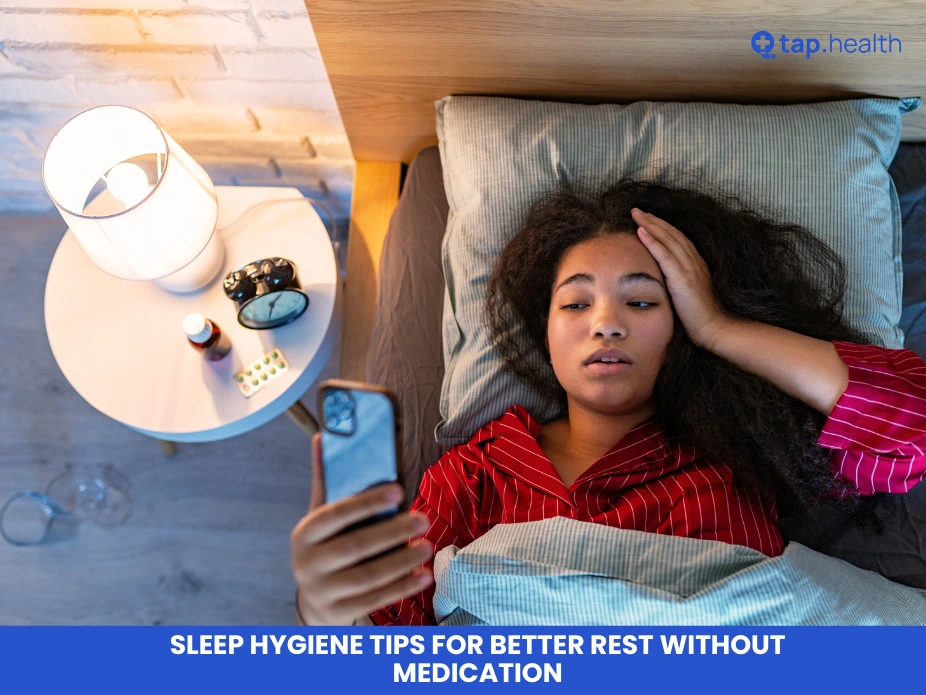
Electronic devices are common sleep disruptors.

Question: How does screen time affect sleep quality?
Answer: Blue light suppresses melatonin, delaying sleep onset. Stop using phones, tablets, and computers at least one hour before bed. If necessary, enable night mode or wear blue light-blocking glasses.

Mindful Eating and Drinking Habits for Better Sleep

Diet directly influences sleep patterns.

Question: How does diet impact sleep?
Answer: Avoid caffeine after early afternoon and nicotine entirely in the evening. Limit alcohol—it may help you fall asleep initially but fragments later sleep stages. Skip heavy or spicy meals close to bedtime. Choose light, sleep-promoting snacks like bananas, almonds, or chamomile tea if hungry.

The Role of Exercise in Improving Sleep Quality

Physical activity is a powerful sleep enhancer.

Question: Can regular exercise improve sleep?
Answer: Yes. Aim for at least 30 minutes of moderate exercise most days. Morning or afternoon workouts are ideal. Avoid vigorous activity within 3–4 hours of bedtime, as it can be overly stimulating.

Managing Daytime Naps and Natural Light Exposure

Strategic light and nap management support circadian alignment.

Question: Should I nap during the day?
Answer: Keep naps short (20–30 minutes) and early (before 3 PM). Long or late naps interfere with nighttime sleep drive.

Spend time outdoors in natural daylight, especially mornings, to regulate your internal clock and boost evening sleepiness.

Handling Stress and Anxiety to Promote Restful Sleep

Mental tension is a leading cause of insomnia.

Question: How can I reduce stress and anxiety for better sleep?
Answer: Practice daily stress management through journaling, meditation, or talking with someone. Before bed, write down worries to clear your mind. Techniques like 4-7-8 breathing or body scans effectively calm racing thoughts.

Real-Life Examples of Successful Sleep Hygiene Changes

Emma, a stressed professional, adopted blackout curtains, limited screens, and a fixed bedtime—resulting in faster sleep onset and higher energy.

John, a shift worker, used bright light during nights, maintained schedule consistency on days off, and cut evening caffeine—reducing chronic fatigue.

Lisa, working remotely, created workspace boundaries, practiced evening meditation, and dimmed lights—restoring work-life balance and restful nights.

Expert Insights on Natural Sleep Improvement

Sleep specialist Dr. Sarah Johnson emphasizes consistent schedules to regulate the body clock.

Clinical psychologist Dr. Michael Lee recommends relaxation techniques to combat anxiety-related insomnia.

Certified sleep coach Emily Thompson highlights the impact of bedroom temperature, noise reduction, and comfortable bedding.

Nutritionist Dr. Robert Martin advises avoiding disruptive foods and beverages near bedtime.

When to Seek Professional Help for Sleep Issues

Question: When should I see a doctor about sleep problems?
Answer: If insomnia persists despite good sleep hygiene, or if you experience excessive daytime sleepiness, loud snoring, or significant life disruption, consult a healthcare provider. Cognitive Behavioral Therapy for Insomnia (CBT-I) is a highly effective non-medication treatment.

Building Your Personalized Sleep Hygiene Plan

Track current habits with a sleep diary for one week.

Identify problem areas (inconsistent schedule, late screens, etc.).

Set achievable goals: fall asleep within 20 minutes, wake refreshed.

Start with 2–3 changes, such as fixed bedtime and no screens after 9 PM.

Monitor progress weekly and adjust as needed.

Sample daily plan:

  • Morning: 15 minutes sunlight, balanced breakfast
  • Afternoon: Short walk, no caffeine after 2 PM
  • Evening: 30-minute wind-down with reading or stretching
  • Night: Cool, dark bedroom; consistent bedtime

Frequently Asked Questions About Sleep Hygiene

What is the science behind circadian rhythm disruption?
Irregular schedules and artificial light confuse your internal clock, reducing melatonin and sleep quality.

Is waking up at night normal?
Brief awakenings are common. Frequent or prolonged ones may signal issues.

How long does it take to see sleep hygiene improvements?
Many notice benefits within 2–4 weeks of consistent practice.

Can natural light exposure really help shift workers?
Yes—timed bright light therapy aligns sleep-wake cycles with unusual schedules.

Final Thoughts on Achieving Better Rest Naturally

Improving sleep through proper hygiene is a gradual, sustainable process. Small, consistent changes compound into deeper, more restorative sleep without reliance on medication. Prioritize your sleep environment, daily routines, and stress management to unlock better physical health, mental clarity, emotional balance, and overall quality of life. Start tonight—one habit at a time—and enjoy the transformative power of natural, restful sleep.


References:

  1. Harvard Medical School: Improving Sleep Quality
  2. Mayo Clinic: Sleep Tips
  3. Journal of Occupational Health Psychology: Effects of Sleep Hygiene on Stress
  4. Centers for Disease Control and Prevention: Sleep and Health
  5. National Institutes of Health: Sleep and Mental Health
  6. Sleep Medicine Reviews: Impact of Sleep Hygiene on Sleep Quality
Tags
A1C gestational diabetes poor sleep blood sugar HbA1c diabetes symptoms in women diabetes medicines diabetes nerve damage diabetes and blood pressure mango and diabetes dark patches diabetes diabetes stomach problems diabetes wounds metformin safety diabetes tingling hands banana blood sugar papaya for diabetes is jaggery good for diabetes poha blood sugar orange for diabetes sugar spike after rice gestational diabetes India blood sugar pregnancy diabetes sleep and diabetes diabetes in India women diabetes signs diabetes treatment advice tingling feet diabetes high blood pressure diabetes mango sugar diabetes walking after meals for diabetes diabetic gastroparesis diabetic wound care diabetes ketoacidosis warning signs diabetic neuropathy hands coconut water and diabetes is papaya good for diabetes gur for diabetes sprouts for diabetes can diabetics eat oranges Indian diet diabetes continuous glucose monitor India Medicine fasting glucose blood sugar pregnancy diabetes and stress diabetes risk factors India diabetes risk women Indian diabetic diet chart diabetes eye disease diabetes heart kidney risk diabetes reversal vs remission post meal walk diabetes diabetes bloating nausea diabetes yeast infection DKA symptoms fasting with diabetes coconut water for diabetes papaya blood sugar watermelon for diabetes are sprouts good for diabetes orange blood sugar glucose spike symptoms CGM cost India Health A1C test low blood sugar stress blood sugar diabetes prevention India diabetes symptoms in men diabetic meal plan diabetic eye test borderline HbA1c diabetes remission walking lowers blood sugar diabetes sick day rules diabetes fungal infection ketones diabetes diabetes fasting safety can diabetics drink coconut water oats for diabetes can diabetics eat watermelon sprouts blood sugar brown bread for diabetes post meal blood sugar time in range Lifestyle diabetes diet hypoglycemia cortisol diabetes best fruits for diabetes men diabetes signs HbA1c test high protein breakfast for diabetes HbA1c 5.7 to 6.4 reverse type 2 diabetes diabetes grocery list India diabetes during illness diabetes vaginal itching diabetes blurry vision can diabetics fast curd for diabetes oatmeal diabetes watermelon blood sugar methi seeds for diabetes bread for diabetes diabetes blood pressure glucometer accuracy Home remedies balanced meals diabetes safety diabetes eye care diabetes fruits diabetes risk men HbA1c normal range diabetes breakfast India prediabetes HbA1c diabetes plate method diabetic food list India blood sugar fever infection diabetes night sweats high blood sugar blurry vision insulin injection sites is curd good for diabetes are oats good for diabetes apple for diabetes fenugreek for diabetes whole wheat bread diabetes diabetes heart risk diabetes technology Fitness healthy eating diabetes heart health diabetic retinopathy fruit and blood sugar type 1 diabetes how to lower HbA1c diabetic breakfast ideas post-meal blood sugar Indian diabetes plate foods for diabetes shopping diabetes and alcohol low blood sugar at night diabetes excessive thirst insulin site rotation diabetes curd milk for diabetes can diabetics eat apple methi diabetes avocado for diabetes ABC diabetes CGM vs glucometer India Prevention why diabetes is considered as a lifestyle disease blood pressure diabetes eye test rice and diabetes type 1 diabetes symptoms fasting sugar normal range PCOS and diabetes blood sugar after food diabetes portion control diabetes kidney tests alcohol blood sugar diabetes diabetes sweating at night diabetes dry mouth insulin lumps tea and coffee in diabetes can diabetics drink milk apple blood sugar cinnamon for diabetes is avocado good for diabetes kidney risk diabetes diabetes reversal myths Hygiene lifestyle diabetes cholesterol diabetes kidney care can diabetics eat rice insulin diabetes high fasting blood sugar PCOS insulin resistance postprandial glucose low glycaemic index foods for diabetes urine albumin diabetes can diabetics drink alcohol diabetes headache frequent urination diabetes diabetes weight gain coffee diabetes best milk for diabetes eggs for diabetes cinnamon blood sugar avocado blood sugar blurred vision diabetes HbA1c remission Ailments type 2 diabetes lifestyle disease living with diabetes diabetic kidney disease diabetes diet India prediabetes diet reverse prediabetes naturally PCOS diabetes risk dawn phenomenon diabetes low GI foods India eGFR diabetes diabetes and dizziness high blood sugar headache diabetes fatigue diabetes and weight gain tea diabetes peanuts for diabetes are eggs good for diabetes dalchini for diabetes travelling with diabetes fundus exam diabetes remission vs reversal Hindi exercise and diabetes diabetes habits kidney tests diabetes morning blood sugar prediabetes food prediabetes reversal gestational diabetes diet Indian morning sugar high diabetes low GI diet diabetes and dental problems dizziness diabetes low blood sugar headache diabetes tiredness insulin weight gain roti for diabetes are peanuts good for diabetes egg diabetes amla for diabetes diabetes travel checklist eye care diabetes skin diseases blood sugar control diabetes management high blood sugar symptoms fasting sugar high lower diabetes risk how to prevent type 2 diabetes pregnancy diabetes diet high fasting sugar in morning diabetes and fatty liver diabetes gum disease low sugar dizziness blood sugar monitoring at home high blood sugar tiredness diabetes swollen feet best roti for diabetes peanuts blood sugar paneer for diabetes amla juice diabetes insulin travel storage diabetic retinopathy symptoms acne vulgaris symptoms physical activity insulin resistance hyperglycemia symptoms dawn phenomenon diabetes and weight loss insulin resistance diet gestational diabetes meal plan diabetes and cholesterol fatty liver diabetes dry mouth diabetes diabetes leg pain when to check blood sugar diabetes constipation swollen feet diabetes chapati diabetes sweet potato for diabetes is paneer good for diabetes amla blood sugar diabetes hot weather GDM screening AI Search diabetes foot care insulin sensitivity diabetes warning signs diabetes myths weight loss diabetes Indian foods for insulin resistance diabetic foot ulcer diabetes lipid profile insulin resistance fatty liver diabetes urine infection diabetic leg cramps blood glucose monitoring diabetes and constipation diabetes foot swelling can diabetics eat dates can diabetics eat sweet potato paneer diabetes guava for diabetes diabetes dehydration pregnancy blood sugar targets prediabetes diabetic foot type 2 diabetes risk normal blood sugar levels diabetes facts insulin resistance weight loss improve insulin sensitivity diabetes foot wound cholesterol in diabetes diabetes skin problems frequent UTI diabetes diabetes nerve pain legs metformin for diabetes constipation diabetes can diabetics eat banana dates for diabetes sweet potato blood sugar poha for diabetes can diabetics eat guava heat and blood sugar postpartum diabetes risk diabetes prevention foot health diabetes and sleep fasting blood sugar diabetes misconceptions diabetes medicine safety diabetic neuropathy symptoms diabetic foot ulcer warning signs can diabetics eat mango diabetes itching urinary infection diabetes diabetes slow wound healing metformin side effects diabetes numbness in hands banana for diabetes dates blood sugar jaggery for diabetes is poha good for diabetes guava blood sugar India diabetes diabetes after pregnancy
More blogs
Kazima Qureshi
Kazima Qureshi
• June 6, 2026
• 18 min read

Blood Sugar Basics: Fasting Glucose, A1C, and Post-Meal Readings

Learn what common blood sugar tests measure and why your healthcare provider may use more than one result.

Diabetes
Sleep Hygiene Tips for Better Rest Without Medication
Nishat Anjum
Nishat Anjum
• June 6, 2026
• 18 min read

Post-Meal Blood Sugar Spikes: Indian Foods, Timing, Symptoms, and Safer Ways to Reduce Spikes

Post-Meal Blood Sugar Spikes: Indian Foods, Timing, Symptoms, and Safer Ways to Reduce Spikes Learn ranges, symptoms, India-specific context, tests, diet t

Diabetes
Sleep Hygiene Tips for Better Rest Without Medication
Neha Sharma
Neha Sharma
• June 6, 2026
• 18 min read

Diabetes and Heart Health: Blood Pressure, Cholesterol, Kidney Risk, and the ABC Checks

Diabetes and Heart Health: Blood Pressure, Cholesterol, Kidney Risk, and the ABC Checks Learn ranges, symptoms, India-specific context, tests, diet tips, a

Diabetes
Sleep Hygiene Tips for Better Rest Without Medication
Do you remember your last sugar reading?
Log and Track your glucose on the Tap Health App
All logs in one place
Smart trend graphs
Medicine Reminder
100% Ad Free
Download Now

Missed your diabetes meds

again? Not anymore.

Get medicine reminders on your phone.

✓ Glucose diary and Insights
✓ Smart Nudges
✓ All logs at one place
✓ 100% Ad free
Download Free
tap health
tap.health logo
copyright © 2025
2nd Floor,Plot No 4, Minarch Tower,
Sector 44,Gurugram, 122003,
Haryana, India
  • About Us
  • Blog
  • Doctor login
  • Contact Us
  • Privacy Policy
  • Return / Shipping Policy
  • Terms and Conditions
Get Your Free AI Diabetes Coach