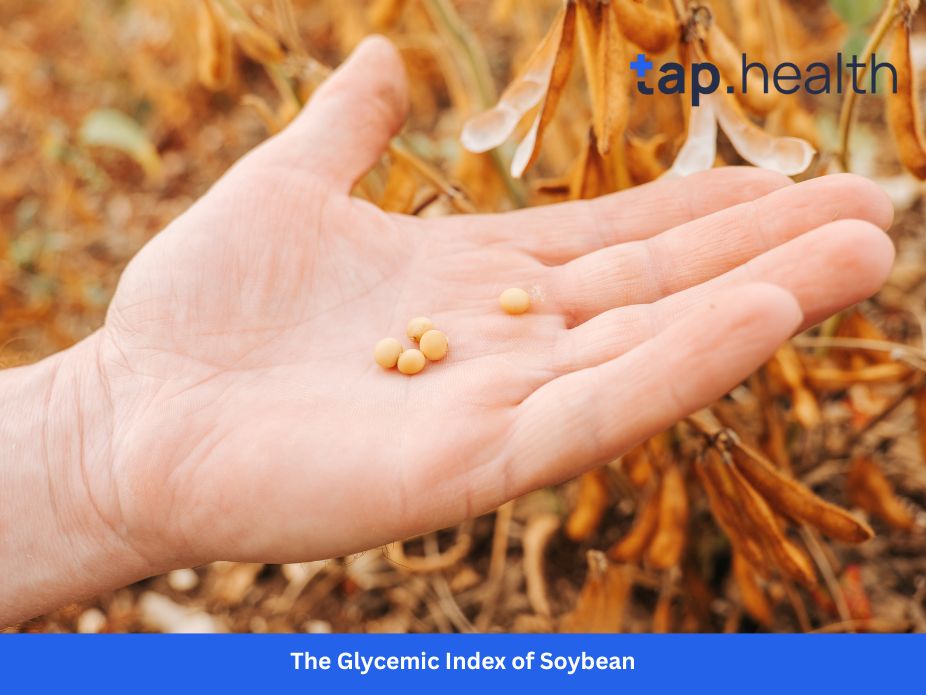
You’ve probably heard the term “glycemic index” thrown around, especially if you’re interested in healthy eating, weight management, or diabetes. It can sound like a complicated scientific concept, but it’s actually pretty simple. And when it comes to foods with an excellent glycemic index, the humble soybean is a true superstar.
So, what is the glycemic index of soybean, and why should you care?
In this complete guide, we’re going to break it down for you in the simplest way possible. We’ll explore what the glycemic index means, why soybeans are such a fantastic choice, and how you can use this powerful little bean to support your health. Let’s dive in!
What is the Glycemic Index (GI), Anyway?
Before we talk about soybeans specifically, let’s get one thing straight: what is the Glycemic Index?
Imagine the carbohydrates in your food are like fuel for your car. Some fuels burn super fast, giving you a quick burst of speed but then making you sputter to a stop. Other fuels burn slowly and steadily, giving you a smooth, long-lasting ride.
The Glycemic Index (GI) is a scale that measures exactly that for the food you eat.
In simple terms, the Glycemic Index is a number that tells you how quickly a carbohydrate-rich food raises your blood sugar levels.
The scale goes from 0 to 100. Here’s how it’s broken down:
- Low GI (55 or less): These foods are digested and absorbed slowly. They cause a gradual, steady rise in blood sugar and insulin levels. Think of them as the slow-burning fuel. Examples include most fruits, vegetables, beans, and whole grains.
- Medium GI (56 to 69): These foods are digested at a moderate rate. They cause a noticeable rise in blood sugar.
- High GI (70 or more): These foods are digested and absorbed very quickly. They cause a rapid spike in your blood sugar and insulin levels. This is the fast-burning fuel that leads to a “sugar crash.” Examples include white bread, white rice, sugary sodas, and candy.
Why is Managing Blood Sugar So Important?
You might think blood sugar is only a concern for people with diabetes. But that’s not true. Keeping your blood sugar levels stable is important for everyone. Here’s why:
- Steady Energy: Low-GI foods prevent those energy slumps you feel in the afternoon. No more 3 PM crash!
- Feeling Fuller for Longer: Foods that digest slowly keep you feeling satisfied, which can help you avoid overeating and manage your weight.
- Long-Term Health: Consistently eating high-GI foods and having blood sugar spikes can put you at a higher risk for type 2 diabetes, heart disease, and obesity.
So, What is the Glycemic Index of Soybean?
Now for the answer you came for.
Soybeans have a very low Glycemic Index.
Most authoritative sources and health databases list the GI of soybeans at around 15 to 20. This places them firmly in the “low GI” category, making them an excellent food for blood sugar control.
This low number isn’t a random guess. It’s a result of the unique nutritional makeup of the soybean. Let’s look at why soybeans are so good at keeping your blood sugar stable.
The Nutritional Power Behind Soybean’s Low GI
Soybeans aren’t just low in carbs; they are a nutritional powerhouse. Their low GI value comes from a winning combination of three key components:
1. High in Dietary Fiber
Soybeans are packed with fiber, both soluble and insoluble. Think of fiber as a sponge and a broom inside your digestive system.
- The Sponge Effect (Soluble Fiber): This type of fiber dissolves in water to form a gel-like substance in your gut. This gel slows down the digestion and absorption of other carbohydrates eaten with it. This means the sugars from your meal enter your bloodstream at a much slower, more controlled pace.
- The Broom Effect (Insoluble Fiber): This fiber adds bulk to your food, helping it move through your digestive system. It also contributes to making you feel full.
2. Rich in High-Quality Protein
Soybeans are one of the few plant foods considered a “complete protein.” This means they contain all nine essential amino acids that your body cannot make on its own.
- Protein’s Role: Protein takes longer to break down than carbohydrates. When you eat protein along with carbs, it further slows down the entire digestive process. This double-whammy of fiber and protein in soybeans is what makes them so effective at preventing blood sugar spikes.
3. Healthy Fats and Complex Carbs
Soybeans contain a good amount of healthy unsaturated fats. Fat is the slowest-digesting macronutrient of all. Its presence in soybeans adds another layer of “slow digestion” power.
Furthermore, the carbohydrates present in soybeans are primarily complex carbohydrates. These are long, complicated chains of sugar molecules that your body has to work hard to break down, unlike the simple sugars in high-GI foods.
Amazing Health Benefits of Soybeans’ Low Glycemic Index
Choosing low-GI foods like soybeans isn’t just about a number. It translates into real, tangible health benefits.
Excellent for Diabetes Management and Prevention
For people with diabetes or prediabetes, soybeans are a fantastic dietary addition.
- Blood Sugar Control: By preventing rapid spikes, soybeans help maintain stable blood glucose levels throughout the day.
- Improved Insulin Sensitivity: A diet rich in low-GI foods can help your body’s cells respond better to insulin, the hormone that regulates blood sugar.
A Powerful Tool for Healthy Weight Loss
If you’re trying to lose weight or maintain a healthy weight, soybeans can be your best friend.
- Increased Satiety: Remember that feeling of fullness? The protein and fiber in soybeans keep you satisfied for hours, reducing cravings and the urge to snack on unhealthy foods.
- Lower Calorie Density: Soybeans are nutrient-dense, meaning you get a lot of nutrition for a relatively low number of calories, especially when you consider how full they make you feel.
Promotes Heart Health
Soybeans are famous for their heart-healthy properties.
- Cholesterol Management: The soluble fiber in soybeans can help trap cholesterol and remove it from your body, helping to lower “bad” LDL cholesterol.
- Healthy Fats: The unsaturated fats in soy support a healthy heart.
- Blood Pressure: Some studies suggest that soy protein may have a modest effect on lowering blood pressure.
Supports Digestive Health
All that fiber we talked about is a feast for the good bacteria in your gut. A healthy gut microbiome is linked to better digestion, a stronger immune system, and even improved mood.
How to Enjoy Soybeans in Your Daily Diet
The best part about soybeans is their incredible versatility. You can enjoy them in many different forms, all of which retain that beneficial low-GI property.
1. Edamame
These are young, green soybeans harvested before they harden. They are one of the simplest and most delicious ways to eat soy.
- How to Enjoy: Boil or steam the pods in salted water for 5-10 minutes and pop the beans directly out of the pod into your mouth. They make a perfect snack, appetizer, or addition to salads and stir-fries.
2. Tofu (Bean Curd)
Tofu is made from condensed soy milk that is pressed into solid blocks. It’s a blank canvas that absorbs the flavors of whatever you cook it with.
- How to Enjoy: Use firm tofu in stir-fries, scrambles, or grill it. Use soft or silken tofu in smoothies, soups, or desserts.
3. Tempeh
Tempeh is made from fermented soybeans that are pressed into a firm, dense cake. It has a nutty flavor and is packed with protein and probiotics from the fermentation process.
- How to Enjoy: Slice or crumble tempeh and use it in sandwiches, stir-fries, or as a “bacon” alternative.
4. Soy Milk
A popular dairy-free alternative made from soaked and ground soybeans.
- How to Enjoy: Use it in your cereal, coffee, smoothies, or oatmeal. Just make sure to choose unsweetened varieties to avoid added sugars that can increase the glycemic load.
5. Whole Soybeans (Mature)
You can buy dried mature soybeans and cook them similar to other dried beans.
- How to Enjoy: Add them to soups, stews, or chili for a protein and fiber boost.
Debunking Common Myths About Soy
With all the information online, it’s easy to get confused about soy. Let’s clear up two big myths.
Myth 1: Soy Causes Hormonal Problems
You may have heard that the isoflavones in soy (which are phytoestrogens) can mimic the hormone estrogen and cause issues. However, decades of research show that moderate soy consumption does not have negative hormonal effects on men or women. In fact, it may even have protective health benefits.
Myth 2: All Soy is Genetically Modified (GMO)
While a large percentage of soy grown worldwide is genetically modified for pest resistance, this is primarily used for animal feed and industrial purposes. If this is a concern for you, you can easily find organic soy products. By law, organic products cannot be genetically modified.
Frequently Asked Questions (FAQ) About Soybeans and GI
Q1: Is the glycemic index of soybean oil also low?
Soybean oil has a glycemic index of zero because the GI only measures carbohydrates. Since oil is 100% fat and contains no carbs, it cannot raise blood sugar levels. Still, use oils in moderation due to their high calorie density.
Q2: Are processed soy products (like soy burgers) still low GI?
It depends on the level of processing. Whole, minimally processed soy foods like tofu and tempeh remain low GI. However, highly processed soy products (like some mock meats) may contain added sugars, flours, or starches, which increase the GI. Always check the ingredient list and nutrition label.
Q3: Can I eat soybeans if I have diabetes?
Yes. Soybeans are actually highly recommended for people with diabetes due to their very low GI, high fiber, and high protein content. They can be a healthy part of a diabetic diet. As always, consult your doctor or dietitian for personalized advice.
Q4: How does soy milk compare to cow’s milk on the GI scale?
Plain, unsweetened soy milk has a low GI (around 30–40), similar to cow’s milk (GI around 31). But flavored or sweetened soy milks can have medium to high GI due to added sugar. For better blood sugar control, choose unsweetened versions.
Q5: What is the difference between Glycemic Index (GI) and Glycemic Load (GL)?
Glycemic Index (GI) measures how quickly a food raises blood sugar.
Glycemic Load (GL) also considers the amount of carbohydrates per serving, making it more practical.
For example, watermelon has a high GI but a low GL because it contains few carbs per serving. Soybeans have both a low GI and low GL, making them an excellent choice for blood sugar control.
The Final Verdict on Soybeans and Blood Sugar
So, there you have it. The glycemic index of soybean is not just low; it’s impressively low, sitting comfortably between 15 and 20. This, combined with its powerhouse of protein, fiber, and healthy fats, makes it one of the best food choices you can make for stable blood sugar, lasting energy, and overall health.
Whether you choose edamame, tofu, tempeh, or soy milk, you’re making a smart decision for your body. So go ahead, explore the world of soy, and give your health a delicious boost