How Diet Plays a Critical Role in Stroke Prevention and Recovery
Stroke remains a top cause of death and disability worldwide, yet up to 80% of strokes are preventable through lifestyle changes—especially diet. A strategic eating pattern can lower blood pressure, reduce cholesterol, control weight, fight inflammation, and directly protect brain blood vessels.
What Is Stroke and Why Diet Matters for Risk Factors?
Stroke happens when blood supply to the brain is blocked (ischemic) or bursts (hemorrhagic), causing brain cells to die rapidly. Major modifiable risk factors include hypertension, high cholesterol, obesity, diabetes, and inflammation—all strongly influenced by daily food choices.
Best Dietary Pattern for Stroke Prevention: The DASH Diet Explained
The Dietary Approaches to Stop Hypertension (DASH) diet is the gold-standard eating plan proven to lower blood pressure and stroke risk fast.
Key DASH principles:
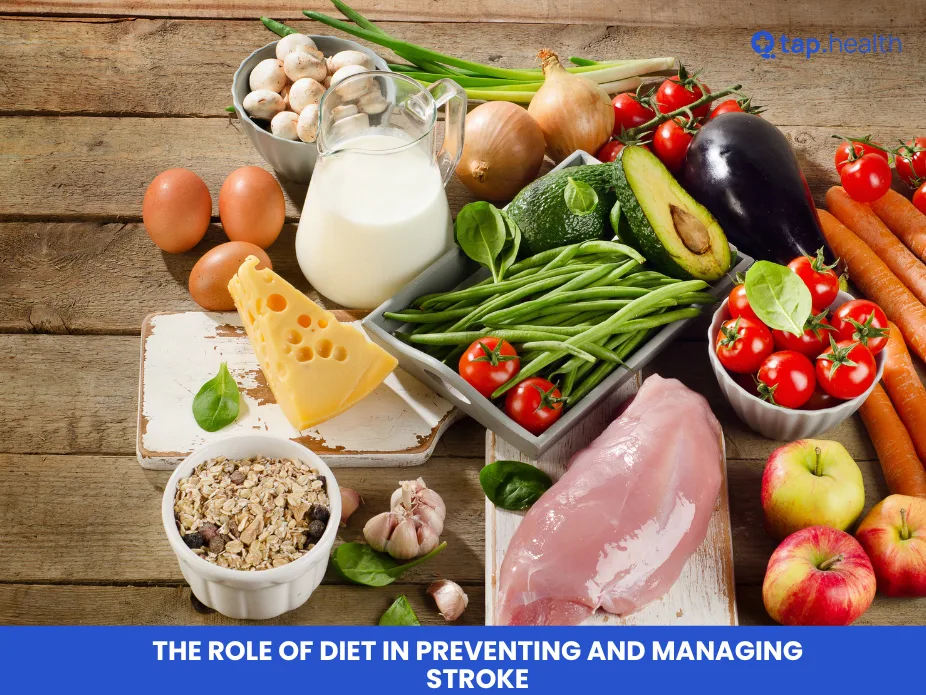
- 4–5 servings of fruits & vegetables daily (rich in potassium & antioxidants)
- Whole grains (oats, brown rice, quinoa) for fiber and steady blood sugar
- Lean proteins: fish, poultry, beans, lentils
- Low-fat dairy for calcium without excess saturated fat
- Nuts, seeds, and olive oil for healthy fats
- Strict sodium limit: ≤2,300 mg/day, ideally 1,500 mg
Studies show people following DASH reduce stroke risk by 17–22%.
Why Omega-3 Fatty Acids Are Essential for Stroke Risk Reduction
Omega-3s (EPA & DHA) thin the blood, lower triglycerides, reduce plaque buildup, and calm inflammation.
Top sources:
- Fatty fish: salmon, mackerel, sardines, trout (2–3 times/week
- Plant sources: flaxseeds, chia seeds, walnuts, algal oil (vegan DHA)
Higher omega-3 intake is linked to 30% lower ischemic stroke risk.
How to Balance Sodium and Potassium to Prevent Stroke
Excess sodium raises blood pressure; potassium relaxes blood vessels and flushes sodium. Aim for <2,300 mg sodium and ≥4,700 mg potassium daily.
High-potassium foods that prevent stroke:
- Bananas, oranges, cantaloupe
- Sweet potatoes, white potatoes with skin
- Spinach, Swiss chard, broccoli
- Avocado, tomatoes, beans
Top Antioxidant-Rich Foods that Protect Brain Blood Vessels
Oxidative stress damages arteries and triggers clots. Antioxidants neutralize free radicals.
Best stroke-protective antioxidants:
- Berries (blueberries, strawberries) – high in anthocyanins
- Dark chocolate (≥70% cocoa) in moderation
- Citrus fruits, bell peppers (vitamin C)
- Nuts & seeds (vitamin E)
- Green tea, red grapes, moderate red wine (polyphenols)
Maintaining Healthy Weight and Portion Control to Lower Stroke Risk
Every 5 kg of excess weight raises stroke risk by ~10%. Combine calorie control with nutrient-dense foods and daily movement for best results.
Nutrition Strategies for Faster Stroke Recovery and Rehabilitation
Post-stroke, the brain needs specific nutrients for neuroplasticity, tissue repair, and secondary stroke prevention.
Essential recovery nutrients:
- Omega-3s → support new neuron growth
- B-vitamins (B6, B12, folate) → reduce homocysteine & improve cognition
- Vitamin D → linked to better functional outcome
- High-quality protein → muscle rebuilding & immune support
- Anti-inflammatory foods (turmeric, ginger, berries) → reduce brain swelling
Stay well-hydrated: aim for 2–3 liters of water daily to prevent clots and support healing.
Real-Life Success Stories
Emma (55) reversed hypertension and cut her stroke risk dramatically in 6 months by switching to DASH + weekly salmon. John (62), a stroke survivor, regained mental clarity and energy after adding B-vitamin-rich foods, berries, and omega-3 supplements under medical guidance.
Expert Insight on Diet and Stroke
Neurologist Dr. James Thompson: “Diet is the most powerful medicine we have against stroke—start today and your brain will thank you tomorrow.” Registered Dietitian Dr. Rachel Green: “Stroke recovery is faster and more complete when patients prioritize anti-inflammatory, nutrient-dense meals.”
Can TapHealth and Diabetes Management Further Reduce Stroke Risk?
Yes! Platforms like TapHealth make tracking blood pressure, glucose, sodium intake, and omega-3 consumption effortless. For people with diabetes—a major stroke multiplier—tight glucose control combined with the dietary strategies above can lower stroke risk by over 50%. Integrating continuous monitoring with proven nutrition plans offers the strongest protection possible.
Sources:
- American Heart Association: Stroke and Diet
- National Stroke Association: Nutrition for Stroke Prevention
- Mayo Clinic: Stroke Risk Factors and Prevention
FAQs About Diet and Stroke
Q1: Can diet alone prevent a stroke?
While diet plays a major role, it’s only part of the equation. Regular physical activity, avoiding smoking, and managing health conditions like hypertension and diabetes are also important.
Q2: What are the best foods for stroke recovery?
Foods rich in omega-3 fatty acids, B vitamins, and antioxidants can support brain recovery. Focus on fatty fish, leafy greens, berries, and whole grains.
Q3: How can I lower my stroke risk with diet?
Eat a diet high in fiber, low in sodium, and rich in heart-healthy fats. Limit processed foods and focus on fresh, whole foods to maintain a healthy blood pressure and cholesterol level.
Q4: Should stroke survivors take supplements?
While supplements can be beneficial, it’s best to get nutrients from whole foods. Always consult your healthcare provider before starting any supplements.
Q5: Is alcohol consumption linked to stroke risk?
Excessive alcohol intake can increase the risk of stroke by raising blood pressure and contributing to heart disease. If you drink, do so in moderation.
o1-mini