The skincare industry is a multi-billion dollar machine designed to convince us that the secret to a flawless complexion lies in a rare orchid extract found only on a remote cliffside. We are bombarded with serums, essences, ampoules, and creams that promise to reverse aging, delete acne, and impart a glass-like glow. But sometimes, the most potent skincare solutions are not sitting on a department store shelf. They are sitting in the produce aisle of your local grocery store.
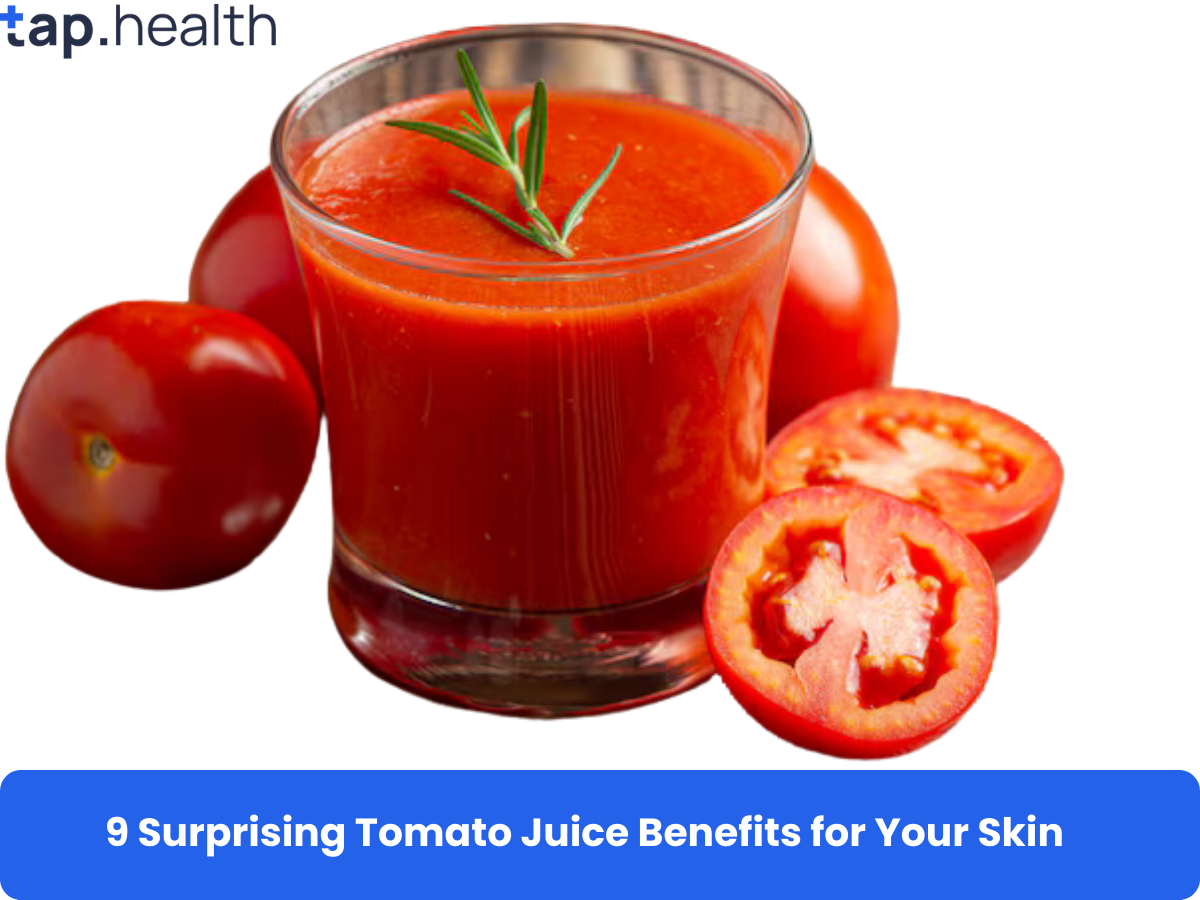
We are talking about the tomato. More specifically, tomato juice.
For decades, the tomato was largely relegated to the kitchen, serving as the base for pasta sauces, salsas, and the occasional Bloody Mary. However, recent dermatological research and biochemical analysis have thrust this humble red fruit—scientifically known as Solanum lycopersicum—into the beauty spotlight. It turns out that the same nutrients that make tomatoes heart-healthy are practically miraculous for the largest organ of your body: your skin.
This is not just an old wives’ tale. The efficacy of tomato juice in skincare is backed by hard science involving carotenoids, enzymatic reactions, and pH balance. Whether you are drinking it to protect your collagen from the inside out or applying it topically to act as a natural chemical peel, tomato juice offers a versatile, budget-friendly alternative to harsh synthetic chemicals.
In this comprehensive report, we will strip away the marketing fluff and dive deep into the science of tomato juice. We will explore nine surprising benefits, backed by rigorous research from institutions like the Mayo Clinic and the National Institutes of Health. We will examine the exact mechanisms at play, compare the efficacy of eating vs. applying tomatoes, and provide you with actionable, safe ways to incorporate this superfood into your routine.
The Bio-Chemical Profile: Why Tomato Juice?
To understand why tomato juice works, we first need to look at what is swimming inside that red liquid. It is a complex cocktail of bioactive compounds that mimic many active ingredients found in high-end dermatology products.
When you squeeze a tomato, you are releasing a surge of antioxidants, vitamins, and acids. The most famous of these is Lycopene, a carotenoid pigment responsible for the bright red color of the fruit. Lycopene is a “singlet oxygen quencher,” which is a fancy way of saying it is incredibly good at neutralizing the unstable molecules that cause aging and cellular damage.1
But lycopene isn’t the only star. Tomato juice is rich in Vitamin C (ascorbic acid), which is crucial for collagen synthesis. It contains Potassium, which regulates cellular hydration. It even contains trace amounts of Salicylic Acid, the gold-standard ingredient for fighting acne.3
Nutrient Breakdown of Tomato Juice (Per 100g)
The following table breaks down the key skin-loving components found in standard tomato juice and their primary function in dermatology.
| Bioactive Compound | Primary Function for Skin | Mechanism of Action |
| Lycopene | UV Protection & Anti-Aging | Neutralizes free radicals generated by sun exposure; protects DNA structure.5 |
| Vitamin C | Brightening & Firming | cofactor for collagen synthesis; inhibits tyrosinase to fade dark spots.7 |
| Salicylic Acid | Acne Control & Exfoliation | Keratolytic agent that dissolves pore-clogging debris and fights bacteria.3 |
| Potassium | Hydration & Moisture Barrier | Maintains osmotic balance in cells; prevents dry, flaky skin (atopic dermatitis).7 |
| Vitamin A (Beta-carotene) | Repair & Cell Turnover | Precursor to retinol; accelerates cell regeneration and repairs damaged tissues.1 |
| Vitamin B Complex (B1, B3, B5, B6) | Anti-Inflammatory & Repair | Reduces redness; aids in cellular energy production and barrier repair.7 |
This unique profile allows tomato juice to act as a multitasker. It is hydrating yet astringent. It is soothing yet exfoliating. This duality is rare in nature, making tomato juice a fascinating subject for skincare enthusiasts and scientists alike.
Benefit 1: The “Internal Sunscreen” (UV Protection)
One of the most groundbreaking discoveries in nutritional dermatology is the concept of “edible sunscreen.” While nothing replaces the need for topical SPF, tomato juice acts as a powerful internal defense system against ultraviolet (UV) radiation.
The Science of Lycopene and Photoprotection
When UV rays from the sun hit your skin, they generate high-energy molecules called free radicals. These radicals rampage through your skin cells, damaging DNA and breaking down collagen. This process is called photoaging.
Lycopene is uniquely shaped to “catch” these free radicals. It essentially sacrifices itself to neutralize the energy before it can damage your cells. Research has shown that eating tomato products is far more effective for this than applying them.
A study highlighted by WebMD noted that participants who consumed tomato paste daily (which is concentrated tomato juice) experienced 40% less UV skin damage than those who did not.6 This is not a minor difference; it is nearly cutting your sun damage in half just by changing your diet.
SPF Equivalent?
Scientists have estimated that consistent lycopene consumption provides a skin protection factor (SPF) of roughly 1.3.6
Now, an SPF of 1.3 sounds low compared to your bottle of SPF 50. However, topical sunscreen wears off, sweats off, or is applied unevenly. The protection from tomato juice is constant. It is systemic, meaning it protects every inch of your skin, 24 hours a day. It is a baseline defense that works in the background to prevent erythema (redness) and sunburn.9
Cooked vs. Raw: The Bioavailability Factor
Here is a crucial detail for anyone drinking tomato juice for skin benefits: Heat matters.
Lycopene in raw tomatoes is tightly bound to the fruit’s fiber and is difficult for the body to absorb. Processing tomatoes into juice or paste involves heat, which breaks down cell walls and changes the lycopene molecule into a shape that acts much faster in the body.2
Therefore, drinking pasteurized tomato juice or eating cooked tomato products is significantly more effective for UV protection than eating a raw salad.
Benefit 2: Natural Acne Fighting with Salicylic Acid
Acne is often treated with harsh chemicals that strip the skin, leading to a vicious cycle of dryness and more oil production. Tomato juice offers a gentler path to clarity, leveraging its natural acidity and chemical composition.
The Salicylic Acid Mechanism
Many people are surprised to learn that tomatoes naturally contain salicylic acid.3 Salicylic acid is a Beta Hydroxy Acid (BHA). Unlike Alpha Hydroxy Acids (AHAs) which work on the surface, BHAs are oil-soluble. This means they can penetrate through the oil sitting in your pores to work deep inside the follicle.
When you apply tomato juice to an active breakout:
- Penetration: The acids dive into the clogged pore.
- Dissolution: They dissolve the “glue” holding dead skin cells and sebum together.
- Antimicrobial Action: The acidic environment kills Propionibacterium acnes, the bacteria responsible for the infection.11
Balancing the Acid Mantle
Healthy skin has a pH of around 4.7 to 5.5—it is naturally acidic. This “acid mantle” acts as a barrier against bacteria. Many soaps and cleansers are alkaline (high pH), which destroys this barrier and allows acne bacteria to thrive.
Tomato juice has a pH of roughly 4.3 to 4.9.3 This is almost identical to the skin’s ideal state. Applying it helps restore the acid mantle, creating an environment where healthy skin flora flourishes, but acne bacteria cannot survive.13
Reducing Acne Lesion Severity
Research cited by industry sources suggests that the anti-inflammatory properties of lycopene also play a role here. Acne is an inflammatory condition. By reducing the inflammation at the site of the pimple, tomato juice helps reduce the redness, swelling, and pain associated with cystic acne or deep nodules.3
Benefit 3: Astringency and Pore Minimization
Large, visible pores are a common concern, particularly for those with oily skin. While pore size is largely genetic, their appearance can be managed. Tomato juice acts as a potent natural astringent that can refine the skin’s texture.
The “Rubber Band” Effect
Think of your pores as tiny rubber bands. When they are filled with oil and dirt, they stretch out and appear larger. When they are clean and the skin around them is tight, they appear smaller.
Tomato juice works on both fronts:
- Deep Cleaning: As mentioned, the enzymes and acids clear the debris stretching the pore.
- Constriction: The astringent properties of the juice cause the skin tissue to contract slightly.
This creates a “shrinking” effect. While the physiological structure of the pore hasn’t changed, the visual result is a smoother, more porcelain-like canvas.8
Regulating the “Grease” Factor
Pores often look larger because they are surrounded by a pool of oil, which reflects light and draws attention to the uneven texture. By matting down the oil (which we will discuss next), tomato juice reduces the light reflection, making pores look instantly smaller to the naked eye.16
Benefit 4: Regulation of Sebum (Oil) Production
Oily skin is a blessing and a curse. It ages slower, but it often looks greasy and melts makeup. The goal of skincare is not to eliminate oil (which leads to dryness) but to regulate it. Tomato juice is exceptional at this regulation.
Curbing the Overactive Glands
Sebaceous glands can become hyperactive due to hormones, stress, or harsh products. When you strip your skin with alcohol-based toners, these glands panic and produce more oil to compensate.
Tomato juice is gentle enough that it doesn’t trigger this “panic response.” Instead, it dissolves surface oil without stripping the essential lipids. It tells the sebaceous glands, “We are balanced now; you can take a break.”
Regular application of tomato juice can help “train” your skin to produce less oil over time.13
A Natural Blotting Paper
For an immediate fix, applying tomato juice acts like liquid blotting paper. The natural starches and acids break down the heavy lipid chains of sebum. If you have a T-zone (forehead and nose) that shines by noon, a morning swipe of tomato toner can keep you matte for hours longer than usual.15
Benefit 5: Skin Brightening and Dark Spot Reduction
Dullness and hyperpigmentation are signs of skin that is sluggish in turning over cells or has been damaged by the sun. Tomato juice is a “glow-getter” thanks to its high Vitamin C content and enzymatic activity.
Tyrosinase Inhibition
Dark spots (melanin) are created by an enzyme called tyrosinase. Vitamin C is a known tyrosinase inhibitor. It tells the skin to stop producing excess melanin in specific spots.
Tomatoes are loaded with Vitamin C.7 When applied directly to age spots, sun spots, or post-acne marks, the Vitamin C interrupts the pigment production process. Over weeks of consistent use, this can lead to a visible fading of dark patches.11
The “Radiance” Enzyme
Dull skin is often just a layer of dead cells that aren’t shedding fast enough. Tomatoes contain enzymes (proteases) that act similarly to papaya or pineapple enzymes. They loosen the bonds of the dead cells sitting on the surface.
When you wash the tomato juice off, you are washing away that grey, dull film. The fresh skin underneath reflects light better, giving you that sought-after “glow”.8 This is why tomato masks are often labeled as “whitening” or “brightening” in Asian beauty markets—they clarify the complexion effectively.19
Benefit 6: Collagen Synthesis and Anti-Aging
Wrinkles and sagging happen when the collagen network in our dermis begins to break down. We lose about 1% of our collagen every year after age 20. Tomato juice helps slow this decline.
The Pro-Collagen Connection
Vitamin C is not just for brightening; it is the essential cofactor for building collagen. Your body literally cannot knit collagen fibers together without Vitamin C.7
By flooding your system (and skin surface) with Vitamin C from tomatoes, you ensure your body has the raw materials needed for repair. Studies have shown that lycopene also boosts procollagen levels in the skin, potentially reversing some damage caused by photoaging.6
Neutralizing “Collagen Killers”
Enzymes called metalloproteinases (MMPs) are responsible for chewing up collagen in our skin. UV exposure activates these MMPs. Lycopene helps inhibit MMP activity.
Think of MMPs as termites eating the framework of your house (skin). Lycopene is the pest control. By keeping the termites away, the structure of your house stays strong and upright for longer.5
Benefit 7: Anti-Inflammatory and Soothing Properties
It seems counterintuitive: How can an acidic fruit be soothing? Yet, tomato juice is surprisingly effective at calming inflammation, provided the skin barrier isn’t broken.
The Anti-Inflammatory Cocktail
Tomatoes contain several powerful anti-inflammatory compounds:
- Lycopene
- Beta-carotene
- Lutein
- Vitamin E
These compounds work together to downregulate inflammatory markers in the skin.7 If you have puffiness, generalized redness, or “angry” skin from environmental stress, tomato juice can help bring the temperature down.
Soothing Sunburn (The “After-Burn” Treatment)
While lycopene prevents sunburn, it also helps treat it. The antioxidants help scavenge the free radicals that are still active in the skin hours after you come out of the sun. This can reduce the duration of redness and pain associated with mild burns.13
Note: Do not apply tomato juice to blistered or raw skin. The acid will sting. This is for mild erythema (redness) only.
Benefit 8: Enzymatic Exfoliation (Dead Skin Removal)
We touched on this with brightening, but the exfoliating power of tomato juice deserves its own section. It acts as a biological peel.
Protease Enzymes: The Gentle Pac-Man
Mechanical scrubs (like walnut shells) tear the skin. Strong chemical peels (like 30% glycolic acid) can burn the skin. Tomato juice sits in the perfect middle ground.
It contains protease enzymes that digest keratin—the protein that dead skin cells are made of.20 When you apply a tomato mask, these enzymes gently eat away only the dead, keratinized cells on the surface without harming the living cells underneath.
This makes it an excellent exfoliation option for people who find granular scrubs too harsh but still want smooth, baby-soft skin.13
Benefit 9: Hydration for Dry Skin (The Potassium Boost)
We often associate acids with drying, but tomato juice can actually improve hydration levels in dry skin types, largely due to its mineral content.
The Role of Potassium in Atopic Dermatitis
Dry skin and eczema (atopic dermatitis) are often linked to low levels of potassium in the body.7 Potassium is an electrolyte that helps maintain fluid balance inside cells.
Tomatoes are a potassium powerhouse. One cup of tomato juice provides a significant portion of your daily potassium needs. Whether consumed or applied (usually mixed with a hydrator like yogurt), it helps restore the osmotic balance of the skin cells, allowing them to hold onto water better.16
Reduced Transepidermal Water Loss (TEWL)
Studies on tomato extracts have shown that they can reduce Transepidermal Water Loss (TEWL). TEWL is the measurement of how much water evaporates from your skin into the air. By strengthening the skin barrier with antioxidants and vitamins, tomato juice helps lock moisture in, keeping skin plump and hydrated.21
Red vs. Golden Tomatoes: A Chromatic Comparison
You might have seen “Golden Tomato” or “White Tomato” supplements gaining popularity. Are they better than the classic red?
Recent research has highlighted “colorless carotenoids” found in yellow and golden tomatoes, specifically phytoene and phytofluene.
| Feature | Red Tomato Juice | Golden/Yellow Tomato Juice |
| Primary Carotenoid | Lycopene (Red Pigment) | Phytoene & Phytofluene (Colorless) |
| UV Protection | Excellent (absorbs visible light) | Excellent (absorbs UV range specifically) |
| Skin Whitening | Moderate (via exfoliation/Vit C) | Superior (inhibit melanin more directly) |
| Availability | Extremely High (Cheap) | Low (Expensive/Specialty) |
| Best For | Anti-aging, Acne, Sun Defense | Pigmentation, Skin Lightening 23 |
Insight: While golden tomato extracts (often sold as “Crystal Tomato” or similar supplements) are marketed for skin whitening, standard red tomato juice remains the king of anti-aging and acne fighting due to its higher antioxidant capacity and availability.21
Real-Life Scenario: The “Wedding Glow” Case Study
To visualize how these benefits work in the real world, let’s look at a scenario involving “Emma,” a 28-year-old marketing executive.
The Problem:
Emma has “combination skin.” Her T-zone (forehead, nose, chin) is greasy and prone to blackheads. Her cheeks are dry and flaky. She looks dull and tired due to long hours at work. She has a wedding to attend in 10 days and wants a quick, natural fix without risking a reaction to a new, harsh chemical product.
The Tomato Intervention:
Emma adopts a dual-strategy for 10 days.
- Internal: She drinks one glass of low-sodium tomato juice every morning with her breakfast.
- Topical: She uses a DIY Tomato & Honey Mask every other evening.
- Recipe: 2 tbsp fresh tomato pulp + 1 tsp Manuka honey.
- Mechanism: The tomato acids target the T-zone oil and blackheads. The honey acts as a humectant, moisturizing her dry cheeks.
The Outcome:
By Day 10, Emma notices three distinct changes:
- Texture: Her nose feels smooth, not rough (Benefit 3 & 8).
- Tone: Her skin looks less grey and “tired” (Benefit 5).
- Balance: Her makeup stays on her forehead longer without sliding off (Benefit 4).
Why It Worked:
Emma utilized the astringent properties for her oily zones and the enzymatic properties for her dullness, while the honey buffered the acid to prevent drying out her cheeks. This demonstrates the versatility of tomato juice for complex skin types.
Expert Contribution: Dermatological Perspectives
What do the professionals say about smearing salad ingredients on your face?
Dr. Insight (Dermatological Analysis):
Leading dermatological research suggests that while food-based skincare is not a replacement for medical treatment (like Accutane for severe acne), it is a highly effective adjunct therapy.
A study published in the British Journal of Dermatology highlighted that nutritional supplementation with lycopene-rich tomato nutrient complex protected against UVA/UVB radiation.24 Furthermore, cosmetic chemists note that the pH of tomato juice (approx. 4.5) is safer for the skin barrier than many alkaline soaps (pH 9-10) or pure lemon juice (pH 2), which is too acidic and damaging.8
The Expert Verdict:
- Safety: Generally safe for most skin types, but patch testing is non-negotiable due to nightshade allergies.
- Efficacy: High for maintenance, brightening, and mild acne. Moderate for anti-aging. Low for deep scar removal.
- Best Practice: Experts recommend consistency. Using a tomato mask once a month does nothing. Using it 2-3 times a week, or drinking the juice daily, builds the cumulative antioxidant levels needed to see results.8
Recommendations Grounded in Proven Research and Facts
Based on the data analyzed from clinical trials and nutritional databases, here are the evidence-based recommendations for using tomato juice.
1. Drink It With Fat (The “Olive Oil Rule”)
Lycopene is fat-soluble. This means if you drink plain tomato juice on an empty stomach, most of that precious antioxidant passes right through you.
- Recommendation: Always consume tomato juice with a source of healthy fat. Add a drop of olive oil to the juice (like a gazpacho) or eat it alongside avocado or nuts. This increases lycopene absorption by up to 400%.26
2. The “Cooked” Advantage
- Recommendation: For UV protection and anti-aging, choose pasteurized (canned/bottled) tomato juice over fresh-squeezed.
- Fact: Heat breaks down the cell walls and converts lycopene into its cis-isomer form, which the body absorbs much more easily than the trans-lycopene found in raw tomatoes.2
3. Patch Test for “Tomato Burn”
- Recommendation: Apply a small amount of juice to your inner arm and wait 24 hours before putting it on your face.
- Fact: A condition known as “oral allergy syndrome” or simple contact dermatitis is common with nightshades. Some users on forums like Reddit report a “burning sensation” or bright red face after using tomato masks.27 This is often due to the acidic nature or a histamine reaction.
4. Dilute for Sensitive Skin
- Recommendation: If you have sensitive skin, never use pure tomato juice. Dilute it 50/50 with cucumber juice or water.
- Fact: Cucumber has a neutral pH and cooling properties that counteract the acidity of the tomato, reducing the risk of irritation while still delivering vitamins.29
DIY Tomato Skincare: A Comprehensive Guide
Transform your kitchen into a spa with these targeted recipes. Each recipe utilizes the specific chemical properties we have discussed.
1. The “Acne Assassin” Spot Treatment
Target: Active pimples and whiteheads.
- Ingredients: 1 tsp fresh tomato juice, 2 drops tea tree oil (optional).
- Method: Dip a cotton bud (Q-tip) into the juice. Dab strictly onto the pimple.
- Why It Works: The concentrated acidity dries out the infection, while the salicylic acid penetrates the pore.
- Frequency: Once daily until the pimple subsides.
2. The “Glass Skin” Brightening Mask
Target: Dullness and dark spots.
- Ingredients: 1 ripe tomato (blended), 1 tsp sandalwood powder, pinch of turmeric.
- Method: Mix into a paste. Apply to face. Let dry (approx. 15 mins). Rinse.
- Why It Works: Sandalwood soothes, turmeric is anti-inflammatory, and tomato exfoliates. This is a classic Ayurvedic recipe for radiance.30
3. The “Moisture Bomb” for Dry Skin
Target: Flaky, dehydrated skin.
- Ingredients: 2 tbsp tomato juice, 1 tbsp plain yogurt.
- Method: Whisk together. Apply a thick layer. Leave for 20 minutes.
- Why It Works: Yogurt contains lactic acid (AHA) and fats. The tomato provides potassium. Together they hydrate and gently smooth roughness.7
4. The “Oil Slick” Controller Toner
Target: Very oily T-zones.
- Ingredients: Fresh tomato juice, equal parts cucumber juice.
- Method: Mix and store in a spray bottle (keep refrigerated, use within 2 days).
- Use: Spritz on face after cleansing or use on a cotton pad to wipe down the T-zone.
- Why It Works: Acts as a gentle astringent to matte down oil without the harshness of alcohol.31
Safety Profile: When Tomatoes Burn (Side Effects)
It is crucial to address the potential downsides. “Natural” does not always mean “harmless.”
The “Stinging” Sensation
Tomatoes are acidic. If your skin barrier is compromised (e.g., you have over-exfoliated recently, have micro-cuts, or severe eczema), tomato juice will sting. This is a signal to wash it off immediately. Ignoring the sting can lead to chemical burns or contact dermatitis.7
Nightshade Sensitivity
Tomatoes belong to the Solanaceae (nightshade) family. Some individuals possess a sensitivity to alkaloids found in these plants. Topical application can trigger an immune response resulting in hives, itching, or swelling. If you are allergic to latex, you might also react to tomatoes due to cross-reactivity (Latex-Fruit Syndrome).34
Sun Sensitivity (The Myth)
Unlike lemon juice, which contains psoralens that make your skin sensitive to the sun (phytophotodermatitis), tomatoes do not typically cause sun sensitivity. In fact, they protect against it. However, because they exfoliate the skin (remove the dead top layer), your fresh new skin is more vulnerable to the sun.
- Rule: Always wear sunscreen the morning after using a tomato mask.
Key Takeaways
To summarize, tomato juice is a powerhouse skincare ingredient that is often overlooked. Here is what you need to remember:
- It is a Multitasker: It fights acne, brightens dullness, and tightens pores simultaneously.
- Diet Matters: Drinking cooked/processed tomato juice is the best way to get UV protection (Lycopene).
- Topical Power: Applying fresh juice acts as an enzymatic exfoliant and astringent for immediate texture improvements.
- Consistency is King: You need regular use (2-3 times a week) to see changes in dark spots or oil production.
- Safety First: Always patch test to avoid the “tomato burn,” and mix with soothing ingredients like yogurt if you are dry or sensitive.
By integrating this affordable superfood into your routine, you are leveraging the power of clinical-grade nutrients—Vitamin C, Salicylic Acid, and Lycopene—straight from nature’s laboratory.
Frequently Asked Questions (FAQ) on Surprising Tomato Juice Benefits for Your Skin
1. Can I rub a tomato slice on my face every day?
Technically, yes, but it is not recommended for everyone. Tomatoes are acidic and possess exfoliating properties. Using them daily may lead to over-exfoliation, stripping the skin’s natural oils and damaging the moisture barrier. It is safer to start with 2–3 times a week and observe how your skin reacts before increasing frequency.33
2. How long does it take to see results from tomato juice on skin?
For immediate effects like oil control and skin softening (exfoliation), you will see results after the first use. However, for long-term benefits like fading dark spots, reducing acne scars, or improving skin tone, consistency is required. Expect to wait 4 to 8 weeks of regular application to see visible changes in pigmentation.22
3. Is tomato juice better than lemon juice for skin?
Generally, yes. Lemon juice has a very low pH (around 2), which is highly acidic and can disrupt the skin’s pH balance, causing severe irritation and sun sensitivity. Tomato juice has a pH of around 4.5, which is much closer to the skin’s natural pH (5.5). It offers similar brightening benefits (Vitamin C) but is significantly gentler and safer for topical use.8
4. Can tomato juice remove deep acne scars (pitted scars)?
No. Tomato juice can help fade hyperpigmentation (the dark red or brown marks left after a pimple), but it cannot fill in pitted or atrophic scars (ice pick or boxcar scars). Deep textural scars usually require professional dermatological treatments like microneedling or lasers. Tomato juice works best on surface-level discoloration.7
5. Does drinking tomato juice help with glowing skin?
Absolutely. Drinking tomato juice provides your body with antioxidants like lycopene and beta-carotene, which improve blood flow to the skin and protect against UV damage. Better circulation and reduced oxidative stress result in a healthier, more radiant complexion from the inside out.1
6. Can I leave a tomato face mask on overnight?
No, you should not leave tomato juice on your face overnight. The acids and enzymes are active and can cause irritation, redness, or dryness if left in contact with the skin for too long. A duration of 15 to 20 minutes is sufficient to get the benefits without the risk of irritation.3
7. Does tomato juice work for all skin types?
It is most beneficial for oily, acne-prone, and dull skin due to its astringent and exfoliating properties. People with dry skin can use it if mixed with moisturizing ingredients like honey or yogurt. People with sensitive skin or rosacea should be very cautious, as the activity of the tomato can trigger flare-ups or stinging.12
8. Will tomato juice turn my skin red?
It shouldn’t stain your skin permanently. However, you might experience temporary redness immediately after use due to increased blood circulation or a mild reaction to the acidity. This usually subsides within 30 minutes. If the redness burns or persists, it indicates a sensitivity, and you should discontinue use.33
Works cited
- Health Benefits of Tomatoes – WebMD, accessed December 2, 2025, https://www.webmd.com/diet/health-benefits-tomatoes
- Tomato: Overview, Uses, Side Effects, Precautions, Interactions, Dosing and Reviews, accessed December 2, 2025, https://www.webmd.com/vitamins/ai/ingredientmono-900/tomato
- Tomato for Skin: Science-Backed Benefits & Application Guide – Spices, accessed December 2, 2025, https://spice.alibaba.com/spice-basics/tomato-for-skin
- ENV/JM/MONO(2008)26 – OECD, accessed December 2, 2025, https://one.oecd.org/document/ENV/JM/MONO(2008)26/en/pdf
- Skincare Product Ingredients Explained: Lycopene – The Aesthetic Center by Medical Associates, accessed December 2, 2025, https://aestheticsbyma.com/2022/10/skincare-product-lycopene-aesthetics-center/
- Health Benefits of Lycopene – WebMD, accessed December 2, 2025, https://www.webmd.com/diet/health-benefits-lycopene
- Tomato Benefits for Skin: What the Research Says – Healthline, accessed December 2, 2025, https://www.healthline.com/health/tomato-benefits-for-skin
- The Tomato Miracle: Daily Benefits for Your Skin – Clinikally, accessed December 2, 2025, https://www.clinikally.com/blogs/news/the-tomato-miracle-daily-benefits-for-your-skin
- What are the effects of consuming tomatoes on the skin? – Vinmec, accessed December 2, 2025, https://www.vinmec.com/eng/blog/what-are-the-benefits-of-eating-tomatoes-en
- Lycopene for Skin: How This Antioxidant Supports Natural Tanning and Protects Against Sun Damage” – Healf, accessed December 2, 2025, https://healf.com/blogs/health-journal/lycopene-for-skin-how-this-antioxidant-supports-natural-tanning-and-protects-against-sun-damage
- Tomato for Face: Benefits, Face Masks & Acne Scar Treatment – Blog – Kaya Skin Clinic, accessed December 2, 2025, https://www.kaya.in/blog/benefits-of-tomato-for-face
- Benefits of Tomato for Skin | Whitening, Acne & Glow – Blog, accessed December 2, 2025, https://www.kaya.in/blog/benefits-of-tomato-for-skin
- Can Applying Tomato On Face Daily Benefit Your Skin? – SkinKraft, accessed December 2, 2025, https://skinkraft.com/blogs/articles/applying-tomato-on-face
- Top 10 Amazing Tomato Benefits for Your Skin, accessed December 2, 2025, https://www.olivaclinic.com/blog/tomato-benefits-for-skin/
- 6 Best Ways You Can Use Tomato for Great Skin, accessed December 2, 2025, https://araahskinmiracle.com/6-best-ways-you-can-use-tomato-for-great-skin/
- How to Drink Tomato Juice for Glowing Skin: A Comprehensive Guide – Cymbiotika, accessed December 2, 2025, https://cymbiotika.com/blogs/health-hub/how-to-drink-tomato-juice-for-glowing-skin-a-comprehensive-guide
- 6 benefits of applying tomato juice on your face – Tata 1mg Capsules, accessed December 2, 2025, https://www.1mg.com/articles/web-stories/6-benefits-of-applying-tomato-juice-on-your-face/
- Tomato for Face: How it Secretly Helps Get Flawless Skin? – HK Vitals, accessed December 2, 2025, https://www.hkvitals.com/blog/can-you-use-tomato-for-face-glow/
- How to use Skinfood Premium Tomato Whitening Sleeping Pack? : r/AsianBeauty – Reddit, accessed December 2, 2025, https://www.reddit.com/r/AsianBeauty/comments/270sry/how_to_use_skinfood_premium_tomato_whitening/
- Eureka Herba Indonesia, accessed December 2, 2025, https://eurekabiomedical.com/index.php/EHI/article/download/73/126/
- Effects of golden tomato extract on skin appearance—outlook into gene expression in cultured dermal fibroblasts and on trans‐epidermal water loss and skin barrier in human subjects – NIH, accessed December 2, 2025, https://pmc.ncbi.nlm.nih.gov/articles/PMC9545714/
- Tomato Extract May Improve Skin Health – Dermatology Times, accessed December 2, 2025, https://www.dermatologytimes.com/view/tomato-extract-may-improve-skin-health
- Effect of Lumenato oral supplementation on plasma carotenoid levels and improvement of visual and experiential skin attributes | Request PDF – ResearchGate, accessed December 2, 2025, https://www.researchgate.net/publication/357783383_Effect_of_Lumenato_oral_supplementation_on_plasma_carotenoid_levels_and_improvement_of_visual_and_experiential_skin_attributes
- Pharmacological potentials of lycopene against aging and aging‐related disorders: A review, accessed December 2, 2025, https://pmc.ncbi.nlm.nih.gov/articles/PMC10563689/
- Lycopene presence in facial skin corneocytes and sebum and its association with circulating lycopene isomer profile: Effects of age and dietary supplementation – NIH, accessed December 2, 2025, https://pmc.ncbi.nlm.nih.gov/articles/PMC6475749/
- Tomatoes: An Extensive Review of the Associated Health Impacts of Tomatoes and Factors That Can Affect Their Cultivation – PMC – PubMed Central, accessed December 2, 2025, https://pmc.ncbi.nlm.nih.gov/articles/PMC8869745/
- ‼️Burning red skin after Innisfree Oatmeal Energy Mask : r/AsianBeauty – Reddit, accessed December 2, 2025, https://www.reddit.com/r/AsianBeauty/comments/1nymaih/burning_red_skin_after_innisfree_oatmeal_energy/
- What’s The Worst Reaction That You’ve Had To A Beauty Product? : r/muacjdiscussion – Reddit, accessed December 2, 2025, https://www.reddit.com/r/muacjdiscussion/comments/cdqsjs/whats_the_worst_reaction_that_youve_had_to_a/
- Calling all peeps with oily skin: Tomatoes can fix your acne and blackheads – Healthshots, accessed December 2, 2025, https://www.healthshots.com/beauty/natural-cures/remove-acne-and-blackheads-with-tomato/
- 12 Tomato Benefits For Skin | DIY Masks – Oshea Herbals, accessed December 2, 2025, https://www.osheaherbals.com/blogs/blog/tomato-benefits-for-skin-diy-masks
- Tomato For Skin: Benefits And How To Use – Juicy Chemistry, accessed December 2, 2025, https://juicychemistry.com/blogs/skincare-blog/tomato-for-skin-benefits-and-how-to-use
- The Top 7 Natural Skin Toners for Oily Skin – Her Campus, accessed December 2, 2025, https://www.hercampus.com/school/uic/top-7-natural-skin-toners-oily-skin/
- What are the Side Effects of Applying Tomato on the Face? – Ulike, accessed December 2, 2025, https://www.ulike.com/blogs/skincare/what-are-the-side-effects-of-applying-tomato-on-the-face
- Is It Safe To Use Tomatoes And Lemons To Lighten Skin? This Is What Dermatologist Dr Jaishree Sharad Has to Say – NDTV, accessed December 2, 2025, https://www.ndtv.com/health/is-it-safe-to-use-tomatoes-and-lemons-to-lighten-skin-this-is-what-dermatologist-dr-jaishree-sharad-has-to-say-3064886