Think of your body like a car. For the car to move, it needs fuel (petrol). In your body, that fuel is glucose (sugar). But just pouring petrol over the car won’t make it move; the fuel needs to get inside the engine to be burned for energy.
This is exactly where the Pancreas comes in.
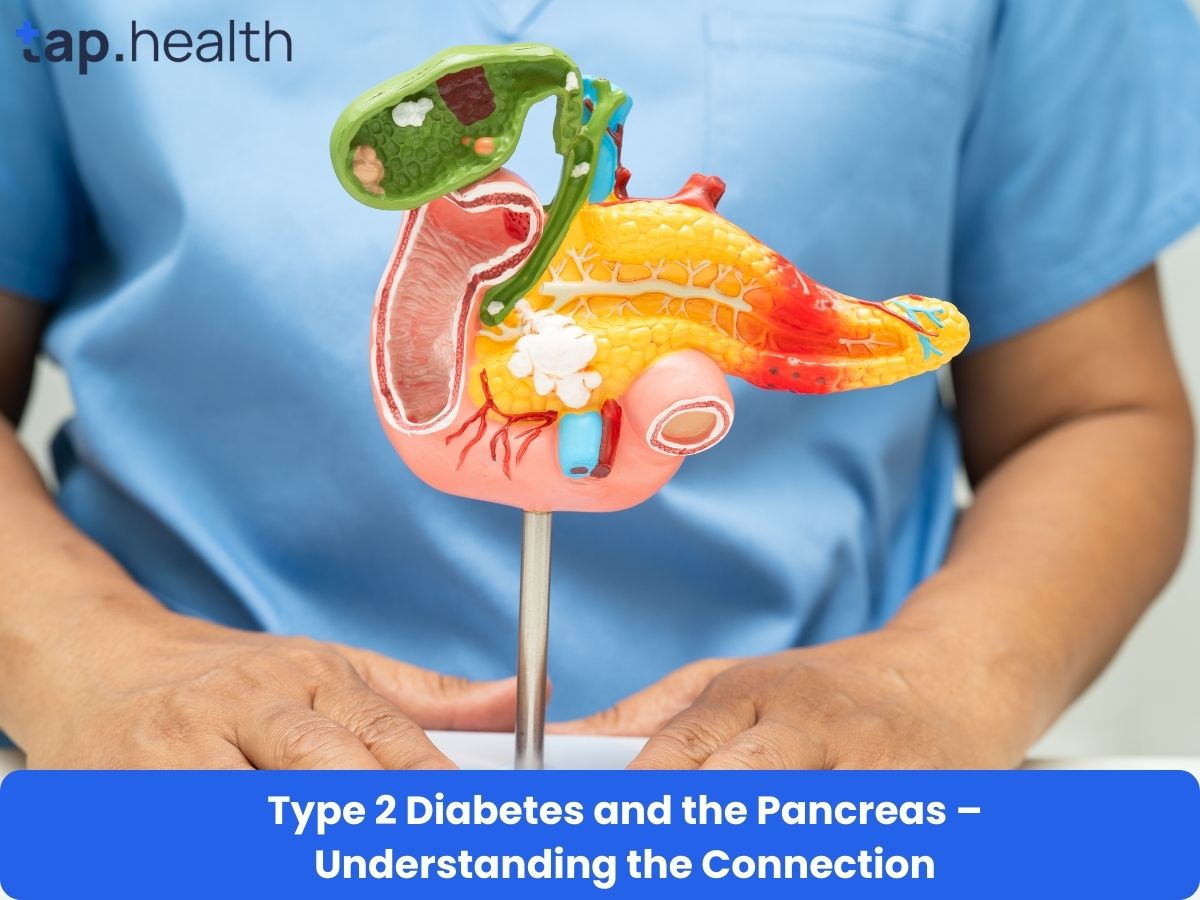
The pancreas is like the fuel pump of your body. Its job is to pump out a hormone called Insulin, which unlocks your cells so the fuel (glucose) can get inside.
If you have Type 2 Diabetes, something has gone wrong with this system. Either the pump is broken, or the engine is refusing to accept the fuel. This confusion often leads patients to ask terrifying questions: “Is my pancreas dead?” “Will it ever work again?” “Did I break it by eating too many sweets?”
Understanding the relationship between Type 2 Diabetes and the pancreas is the first step to taking control of your health. It is not just about high sugar; it is about an overworked organ crying for help.
We will open the hood of the human body. We will explain exactly what happens to your pancreas when you have diabetes, debunk the myths about “pancreatic failure,” and show you scientifically proven ways to help this vital organ recover.
What Is the Role of the Pancreas in Blood Sugar Control? Getty Images
To understand the problem, we must first understand the machinery. The pancreas is a long, flat gland that sits tucked behind your stomach. It has two main jobs:
- Digestion: It makes enzymes to digest your food (Exocrine function).
- Blood Sugar Control: It makes hormones to manage energy (Endocrine function).
For diabetes, we care about the second job. Inside the pancreas, there are tiny clusters of cells called the Islets of Langerhans. Within these clusters are the VIPs of diabetes: the Beta Cells.
- The Beta Cells: These are the workers that make Insulin.
- The Job: When you eat Roti or Rice, your blood sugar goes up. The Beta cells sense this and release insulin to bring the sugar back down.
How the Pancreas Works in a Healthy Body
In a person without diabetes, this system is a masterpiece of timing.
Shutterstock
- The Trigger: You eat a meal. Your digestive system breaks carbohydrates down into glucose, which enters your bloodstream.
- The Signal: The pancreas detects this rise in glucose immediately.
- The Response: The Beta cells release the precise amount of insulin needed to match that glucose.
- The Result: Insulin travels to your muscle and fat cells. It acts like a key, opening the “doors” of the cells. Glucose enters the cells to be used for energy.
- The Balance: Blood sugar drops back to normal, and the pancreas stops making insulin.
It is a perfect feedback loop. But in Type 2 Diabetes, this loop gets broken.
How Is the Pancreas Affected in Type 2 Diabetes?
Many people think Type 2 Diabetes means “the pancreas has stopped working.” This is technically incorrect, especially in the early stages.
In Type 2 Diabetes, the pancreas is actually working too hard.
The root cause is usually Insulin Resistance.
- Imagine your cells have “rusted locks.”
- The pancreas sends Insulin (the key), but the lock won’t turn. The glucose can’t get in.
- The pancreas thinks, “Oh, maybe I didn’t send enough keys.”
- So, it works overtime to produce more and more insulin to force the doors open.
This is why, in the early years of Type 2 Diabetes, many people actually have high levels of insulin in their blood (Hyperinsulinemia). The pancreas is shouting to be heard.
What Happens to the Pancreas in Type 2 Diabetes?
Eventually, this overwork takes a toll. You cannot run a car engine at maximum speed forever without it overheating. The same happens to your pancreas.
Shutterstock
Insulin Resistance and Increased Pancreatic Workload
For years (often before you are even diagnosed), your pancreas is compensating for your lifestyle. If you are overweight or inactive, your cells resist insulin more. Your pancreas pumps out 2x, 3x, or 4x the normal amount of insulin just to keep your sugar normal. This is the Compensation Phase.
Reduced Insulin Production Over Time
Eventually, the Beta cells get exhausted. They cannot keep up with the demand. This is when your blood sugar starts to rise, and you get diagnosed with Prediabetes or Type 2 Diabetes.
- At the time of diagnosis, studies show that a patient may have already lost 50% of their Beta cell function.
Beta Cell Dysfunction
This is the scientific term for “pancreatic burnout.”
- Glucotoxicity: High levels of sugar in the blood are actually toxic to the Beta cells. The sugar itself damages the very cells meant to control it.
- Lipotoxicity: Excess fat (especially fat around the belly and inside the organs) clogs up the pancreas, physically preventing the cells from working.
Does Type 2 Diabetes Damage the Pancreas Permanently?
This is the million-dollar question: “Is the damage permanent?”
The answer is: It depends on how early you catch it.
- Functional Damage vs. Physical Death: In the early stages, the Beta cells are not dead; they are just “stunned” or “asleep.” They are too tired to work. If you remove the pressure (lower the sugar and fat), they can wake up and start working again.
- Permanent Loss: If high sugar continues for decades, the Beta cells eventually die (Apoptosis). Once a Beta cell is dead, the body cannot grow a new one. This is why many Type 2 diabetics eventually need insulin injections after 15-20 years.
Early vs Late-Stage Changes in the Pancreas
It helps to see diabetes as a timeline, not a static event.
Early Compensation Phase
- Status: You don’t know you have diabetes yet.
- Pancreas: Working at 150% capacity.
- Blood Sugar: Normal (because the pancreas is compensating).
- Symptoms: None, or maybe slight fatigue.
Progressive Beta Cell Failure
- Status: Diagnosis of Type 2 Diabetes.
- Pancreas: Working at 50% capacity and dropping.
- Blood Sugar: High.
- Symptoms: Thirst, frequent urination, fatigue.
- Action: This is the critical window to save the remaining cells.
Can the Pancreas Recover in Type 2 Diabetes?
YES. This is the most hopeful part of modern diabetes research.
The famous DiRECT Trial (a major study in the UK) proved that Type 2 Diabetes remission is possible.
- The Discovery: The study found that Beta cells can “re-differentiate” (come back to life) if the fat clogging the pancreas is removed.
- The Method: Significant weight loss (10-15kg) removes the fat from the liver and pancreas. Once the fat is gone, the Beta cells “wake up” and start producing insulin normally again.
So, while you cannot grow new cells, you can definitely rescue the stunned ones.
How Lifestyle Changes Affect Pancreatic Function
You don’t need a pancreas transplant to fix this. You need to change the environment your pancreas lives in.
- Weight Loss: Losing belly fat is the single most effective way to reduce the workload on your pancreas. Even a 5% weight loss improves Beta cell function.
- Low Carb Diet: Eating less rice, sugar, and maida means less glucose enters the blood. Less glucose means the pancreas doesn’t have to work as hard. It gets a “vacation.”
- Exercise: Muscle movement sucks up glucose without needing as much insulin. This bypasses the resistance and gives the pancreas a break.
Role of Medications in Supporting the Pancreas
Doctors don’t just give you pills to lower numbers; they give them to save your pancreas.
- Metformin: Improves insulin sensitivity. It fixes the “rusty lock,” so the pancreas doesn’t have to shout so loud.
- GLP-1 Agonists (like Ozempic/Rybelsus): These modern drugs stimulate Beta cells to make insulin only when needed and prevent them from dying.
- Sulfonylureas (like Glimepiride): These are older drugs that squeeze the pancreas to release more insulin. While effective, they can sometimes burn out the pancreas faster if overused. This is why doctors are moving away from them for long-term use.
Pancreas vs Insulin Resistance – Which Comes First?
This is a classic “Chicken or Egg” situation. Most experts agree that Insulin Resistance comes first.
- You eat excess calories and move less -> You gain visceral fat.
- Cells become resistant to insulin.
- Pancreas overworks to compensate.
- Pancreas gets exhausted (Beta cell dysfunction).
- Blood sugar rises (Diabetes).
However, genetics also play a role. Some people (especially South Asians/Indians) are born with fewer or weaker Beta cells, making them prone to diabetes even if they aren’t very overweight.
Real-Life Scenario
Meet Rahul (45, IT Manager from Bangalore): Rahul was diagnosed with Type 2 Diabetes with an HbA1c of 8.5%. He was terrified his pancreas had failed.
- The Myth: He thought he needed insulin injections immediately.
- The Reality: His doctor explained that his pancreas was “suffocating” in fat, not dead.
- The Action: Rahul lost 8kg in 3 months by cutting sugar and walking daily.
- The Result: His HbA1c dropped to 6.2% without insulin. His pancreas “woke up” because the fat pressure was removed.
Read this: Can Cancer Cause Diabetes Symptoms?
Expert Contribution
We consulted Dr. S. Chatterjee, Endocrinologist:
“Patients often ask if they can take a ‘pancreas tonic.’ I tell them the best tonic is Rest. Not sleeping rest, but metabolic rest. Stop flooding your body with sugar every 2 hours.
Every time you eat a sweet, you are whipping a tired horse (your pancreas) to run faster. If you eat low-carb and practice Intermittent Fasting, you stop whipping the horse. You let it rest and recover. That is how remission happens.”
Common Myths About the Pancreas and Type 2 Diabetes
Let’s bust some WhatsApp rumors.
- Myth: “Eating sugar destroys the pancreas directly.”
- Fact: Sugar causes resistance and fat buildup, which then damages the pancreas. It’s an indirect but deadly path.
- Myth: “Once you start insulin, your pancreas stops working completely.”
- Fact: False. Taking external insulin actually helps your pancreas rest. It takes the load off so your remaining Beta cells can survive longer.
- Myth: “Type 2 diabetics need a pancreas transplant.”
- Fact: Transplants are usually for Type 1 diabetics whose pancreas makes zero insulin. Type 2 patients usually have enough insulin potential; they just need to fix the resistance.
When Pancreatic Function Should Be Evaluated
How do you know how much “life” is left in your pancreas? Doctors use a test called C-Peptide.
- C-Peptide Test: When the pancreas makes Insulin, it also makes a byproduct called C-Peptide in equal amounts.
- High C-Peptide: Your pancreas is working hard (Insulin Resistance). You need to lose weight/sensitize cells.
- Low C-Peptide: Your pancreas is failing (Beta cell burnout). You might need insulin injections.
Recommendations Grounded in Proven Research and Facts
According to the American Diabetes Association (ADA) and Newcastle University Research:
- The “Twin Cycle” Hypothesis: Type 2 diabetes is caused by excess fat in the liver spilling into the pancreas. Reversing this fat buildup reverses the diabetes.
- Early Intervention: The best chance to save the pancreas is in the first 5 years of diagnosis. After 10+ years, the damage is harder (though not impossible) to reverse.
- Beta Cell Rest: Short-term intensive insulin therapy immediately after diagnosis can preserve Beta cell function for years.
Conclusion: Key Takeaways
So, what is the verdict on Type 2 Diabetes and the Pancreas?
- It’s Not Dead, It’s Tired: In Type 2 Diabetes, your pancreas is overworked due to Insulin Resistance.
- Fat is the Enemy: Visceral fat clogs the pancreas, stopping it from working.
- Recovery is Possible: Losing weight and cutting carbs can “wake up” stunned Beta cells.
- Time Matters: The sooner you make changes, the more pancreatic function you can save.
- Meds Help: Drugs don’t just lower sugar; they protect your organ from burnout.
Your pancreas is a resilient organ. Treat it kindly with good food and movement, and it will serve you for a lifetime.
Frequently Asked Questions (FAQs) on Type 2 Diabetes and the Pancreas
Can a Type 2 diabetes pancreas start working again?
Yes. In the early stages of Type 2 diabetes, the beta cells are often just “stunned” by high sugar and fat levels, not dead. If you lose weight and lower your blood sugar through diet and exercise, the fat is removed from the pancreas, allowing it to “wake up” and produce insulin normally again. This is known as diabetes remission.
Does Type 2 diabetes cause pancreas damage?
Yes, over time. Initially, the pancreas works overtime to compensate for insulin resistance. Eventually, the high sugar levels (glucotoxicity) and fat buildup (lipotoxicity) damage the beta cells. If left untreated for many years, this can lead to permanent beta cell death, requiring the patient to take insulin injections.
Why doesn’t the pancreas produce insulin in Type 2 diabetes?
It’s a misconception that it doesn’t produce insulin. In fact, in the beginning, it produces too much insulin (Hyperinsulinemia) to overcome resistance. However, as the disease progresses and cells burn out, the production drops. It rarely goes to zero (like in Type 1), but it becomes insufficient to manage blood sugar.
Is pancreatitis related to Type 2 diabetes?
Yes, there is a link. People with Type 2 diabetes have a 2-3 times higher risk of developing acute pancreatitis (inflammation of the pancreas). This is often due to high triglyceride levels, obesity, and gallstones, which are common comorbidities in diabetic patients.
How do I know if my pancreas is working properly?
Doctors measure pancreatic function using a C-Peptide test. Since C-Peptide is released at the same time as insulin, high levels indicate your pancreas is working hard (insulin resistance), while very low levels indicate pancreatic failure (beta cell burnout).
Can diet repair the pancreas?
A healthy diet can repair the function of the pancreas, though it cannot regrow dead cells. A low-calorie, low-carbohydrate diet reduces the demand on the pancreas. Research shows that shedding fat from the pancreas through diet allows the remaining beta cells to function efficiently again.
References
- American Diabetes Association: Insulin Resistance and Pre-diabetes
- Mayo Clinic: Type 2 Diabetes Symptoms and Causes
- National Institutes of Health (NIH): Beta Cell Dysfunction in Type 2 Diabetes
Disclaimer: This article is for informational purposes only. If you have concerns about your pancreatic health or blood sugar levels, consult an endocrinologist immediately.