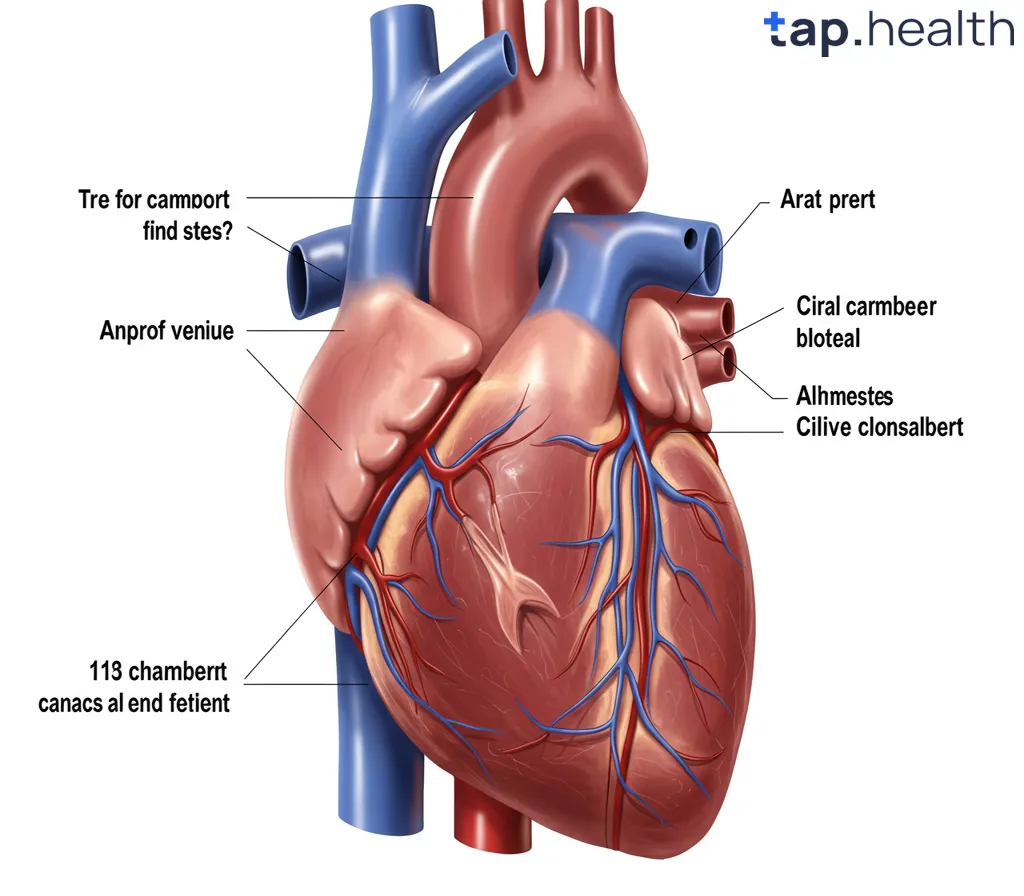
The human heart is an extraordinary organ, pumping life-sustaining blood throughout the body. It plays a crucial role in maintaining health by circulating oxygen, nutrients, and waste products to and from the body’s tissues. One unique feature of the human heart is its structure—it has four chambers: two atria and two ventricles. But what makes this structure so special? Why do we have a four-chambered heart, and what advantages does it provide?
In this article, we’ll explore the advantages of having a four-chambered heart, comparing it to other heart structures found in nature, such as the hearts of animals like fish and amphibians. We’ll also break down how this unique heart structure benefits human health and the body’s efficiency in maintaining homeostasis.
What is a Four-Chambered Heart?
Before we dive into the advantages, it’s important to understand what a four-chambered heart is and how it functions. As the name suggests, a four-chambered heart is made up of four distinct chambers:
- Right Atrium: This chamber receives deoxygenated blood from the body through two large veins: the superior vena cava and inferior vena cava.
- Right Ventricle: Blood from the right atrium flows into the right ventricle, which pumps it to the lungs for oxygenation via the pulmonary arteries.
- Left Atrium: The left atrium receives oxygen-rich blood from the lungs through the pulmonary veins.
- Left Ventricle: Oxygenated blood from the left atrium is pumped into the left ventricle, which then sends it to the entire body through the aorta.
In simpler terms, the four chambers are responsible for two distinct circulatory circuits:
- Pulmonary Circulation: From the heart to the lungs and back.
- Systemic Circulation: From the heart to the rest of the body and back.
This design allows the heart to keep oxygenated and deoxygenated blood separate, which is critical for efficient circulation.
The Advantages of Having a Four-Chambered Heart
Now that we understand what a four-chambered heart is, let’s dive into the benefits of having such a heart structure. Humans, along with other mammals, birds, and some reptiles, have four-chambered hearts, and this setup has several advantages when it comes to circulation.
1. Separation of Oxygenated and Deoxygenated Blood
One of the primary advantages of a four-chambered heart is the complete separation of oxygenated and deoxygenated blood. This separation is critical for efficiency because it prevents mixing of the oxygen-poor blood returning from the body with the oxygen-rich blood coming from the lungs.
Why is this important?
- Higher Efficiency: By keeping oxygenated and deoxygenated blood separate, the heart can deliver oxygen more effectively to tissues and organs. This ensures that the body’s cells receive the oxygen they need to generate energy and function properly.
- Optimal Circulation: The left side of the heart pumps oxygen-rich blood to the body, while the right side pumps oxygen-poor blood to the lungs. This system makes circulation more effective, as the lungs can focus on oxygenating the blood while the body receives fully oxygenated blood.
2. Higher Blood Pressure and Faster Circulation
Another advantage of having a four-chambered heart is that it can generate higher blood pressure. This is crucial for ensuring that blood can travel longer distances, especially to the farthest parts of the body, like the fingertips or toes.
How does this benefit the body?
- Efficient Blood Flow: With two separate circulatory loops (pulmonary and systemic), the heart can generate more pressure in the systemic circulation, allowing it to pump blood throughout the entire body. This is essential for maintaining blood flow to various organs and tissues, ensuring they function optimally.
- Faster Circulation: Higher blood pressure allows for faster circulation, meaning oxygen, nutrients, and waste products are delivered and removed more efficiently.
3. Enhanced Oxygen Delivery
Having a four-chambered heart allows for efficient oxygen delivery to the body’s tissues. The left ventricle is especially important in this regard, as it pumps oxygenated blood into the aorta and throughout the body. The separation of oxygenated and deoxygenated blood means the body gets the maximum benefit of the oxygen it breathes in.
Why is this important?
- Higher Oxygen Content: The heart can maintain a high oxygen concentration in the blood being pumped to the body’s tissues. This is particularly beneficial for organs that require large amounts of oxygen, such as the brain and muscles.
- Improved Metabolic Function: The ability to pump highly oxygenated blood throughout the body supports metabolic processes, energy production, and cell function.
4. Independent Circulation for the Lungs and the Body
A four-chambered heart allows for two completely independent circulatory loops: one that sends deoxygenated blood to the lungs for oxygenation and another that sends oxygenated blood to the rest of the body. This independent circulation prevents any interference between the two circuits and maximizes efficiency.
How does this improve heart function?
- Specialized Circulation: The pulmonary circulation only needs to carry blood to the lungs and back, whereas systemic circulation carries blood throughout the entire body. This specialization means the heart can adjust the flow and pressure in each circuit independently, ensuring optimal function for both.
- Reduced Stress on the Heart: By keeping these two circulatory circuits separate, the heart doesn’t have to work as hard to manage the different pressure and flow requirements of each system. This also helps prevent overworking any one side of the heart.
5. Better Control Over Blood Flow and Pressure
Having a four-chambered heart allows for better regulation and control of blood pressure and blood flow. The right and left sides of the heart can work independently, which makes it easier to adapt to varying physiological demands, such as during exercise or rest.
Why is this critical?
- Adaptability: The heart can adjust its output depending on activity levels. During exercise, for instance, the heart pumps more oxygen-rich blood to the muscles, while maintaining a separate, steady supply of blood to the lungs.
- Dynamic Pressure Regulation: This also enables the body to manage blood pressure in different areas. The systemic circulation requires higher pressure to reach distant organs, while the pulmonary circulation operates at lower pressure to prevent damage to delicate lung tissue.
How Does a Four-Chambered Heart Compare to Other Heart Structures?
Now that we’ve looked at the advantages of having a four-chambered heart, let’s briefly compare it to the heart structures of other animals to better understand its unique benefits.
1. Two-Chambered Heart (Fish)
Fish have a two-chambered heart: one atrium and one ventricle. The blood flows in a single circuit, from the heart to the gills for oxygenation, then directly to the rest of the body. While this structure works for fish, it has limitations when it comes to efficiency.
- Disadvantages: The blood in a two-chambered heart is pumped sequentially, meaning oxygenated and deoxygenated blood mix in the heart, leading to less efficient oxygen delivery to the body. Also, the single-circuit system creates lower pressure, which limits how far blood can travel.
2. Three-Chambered Heart (Amphibians and Some Reptiles)
Amphibians and some reptiles (like frogs) have a three-chambered heart, with two atria and one ventricle. This setup allows for partial separation of oxygenated and deoxygenated blood but still results in some mixing of the two.
- Disadvantages: Although a three-chambered heart is more efficient than a two-chambered heart, it still does not separate oxygenated and deoxygenated blood entirely, leading to less effective oxygen delivery to the body.
3. Four-Chambered Heart (Humans, Mammals, and Birds)
Mammals, birds, and humans have a four-chambered heart, allowing for complete separation of oxygenated and deoxygenated blood. This design supports efficient circulation, higher pressure, and better oxygen delivery.
- Advantages: A four-chambered heart provides the highest level of efficiency in terms of oxygen delivery and pressure regulation. It allows for independent circulatory circuits for the body and lungs, ensuring optimal heart function.
Common Heart-Related Conditions That Affect Four-Chambered Hearts
Even though a four-chambered heart is highly efficient, several conditions can impair its function. Here are some common heart problems that can affect the health of a four-chambered heart:
1. Heart Failure
Heart failure occurs when the heart is unable to pump blood effectively, leading to a buildup of fluid in the body. This condition can affect either side of the heart, but left-sided heart failure is the most common.
- Symptoms: Shortness of breath, fatigue, and fluid retention.
2. Valvular Heart Disease
When the valves in the heart become damaged or diseased, it can lead to improper blood flow between the chambers. Conditions such as mitral valve prolapse or aortic stenosis can disrupt the efficient functioning of the four-chambered heart.
- Symptoms: Chest pain, palpitations, and shortness of breath.
3. Coronary Artery Disease (CAD)
CAD occurs when the arteries supplying blood to the heart become narrowed or blocked. This restricts blood flow and can lead to chest pain, heart attack, or heart failure.
- Symptoms: Chest pain, fatigue, and shortness of breath.
Frequently Asked Questions (FAQs) on What Are the Advantages of Having a Four-Chambered Heart?
1. What Are the Advantages of a Four-Chambered Heart?
A four-chambered heart provides complete separation of oxygenated and deoxygenated blood, allows for high blood pressure and faster circulation, enhances oxygen delivery, and supports independent circulation for the lungs and the body.
2. How Does a Four-Chambered Heart Benefit Oxygen Delivery?
By keeping oxygenated and deoxygenated blood separate, the heart can pump oxygen-rich blood to the body without mixing it with oxygen-poor blood. This improves the efficiency of oxygen delivery to tissues and organs.
3. How Does a Four-Chambered Heart Compare to Other Heart Types?
A four-chambered heart, found in humans and other mammals, provides the most efficient circulation system by fully separating the pulmonary and systemic circulations. This is in contrast to two-chambered hearts (in fish) and three-chambered hearts (in amphibians), which have limitations in oxygen delivery and circulation efficiency.
4. What Are the Common Conditions That Affect the Four-Chambered Heart?
Conditions such as heart failure, valvular heart disease, and coronary artery disease can impair the function of a four-chambered heart, affecting blood flow and overall heart health.
In conclusion, the four-chambered heart offers numerous advantages for efficient circulation, oxygen delivery, and overall cardiovascular health. Its ability to fully separate oxygenated and deoxygenated blood allows for the highest level of efficiency, making it essential for the body’s optimal functioning. While this heart structure is highly effective, understanding potential conditions that can affect it is key to maintaining heart health and preventing complications.