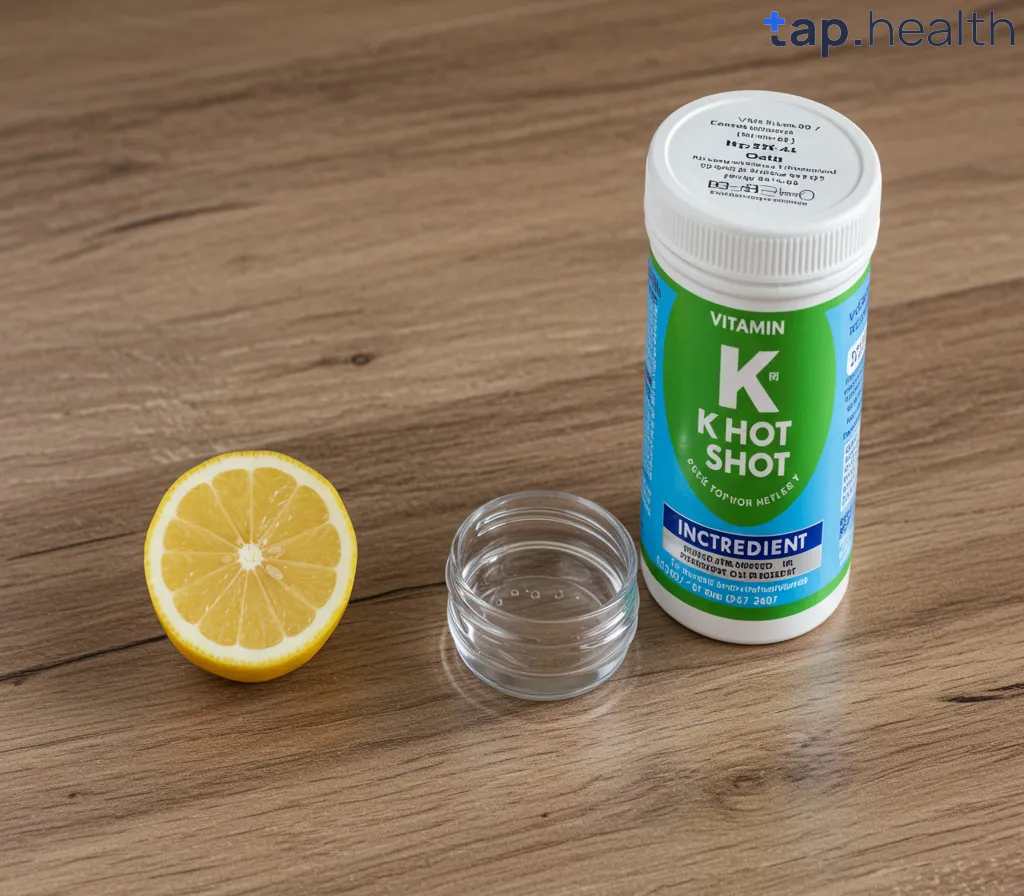
Vitamin K plays a crucial role in the body, particularly when it comes to blood clotting and bone health. While we typically get Vitamin K from food sources like leafy greens, certain individuals may require additional supplementation, and one common method is through a Vitamin K shot (also known as Vitamin K injection). These injections are often administered to newborns and individuals with specific medical conditions that hinder the body’s ability to absorb or use Vitamin K.
In this article, we’ll dive into the components of a Vitamin K shot, why they are administered, and the conditions in which they are used. Understanding the ingredients and how the shot works can help clarify the role it plays in health and wellness.
What Is Vitamin K and Why Is It Important?
Vitamin K is a fat-soluble vitamin essential for several vital functions in the body. It is most well-known for its role in promoting proper blood clotting, which helps prevent excessive bleeding. Vitamin K is also important for maintaining bone health and regulating calcium in the blood.
There are two primary forms of Vitamin K:
- Vitamin K1 (Phylloquinone): Found primarily in green leafy vegetables like spinach, kale, and broccoli, this form is responsible for most of the Vitamin K in the diet and is directly involved in blood clotting.
- Vitamin K2 (Menaquinone): Found in animal products and fermented foods, Vitamin K2 is involved in bone health and calcium regulation.
However, in the context of the Vitamin K shot, Vitamin K1 is typically the form used in the injections, especially for those with a deficiency or at risk of bleeding disorders.
What Are the Ingredients in a Vitamin K Shot?
A Vitamin K shot typically contains Vitamin K1 (phylloquinone) as the active ingredient, but there are other components that are important for the proper administration and absorption of the vitamin. Let’s break down the ingredients in a typical Vitamin K injection.
1. Vitamin K1 (Phylloquinone)
As mentioned, Vitamin K1 is the primary ingredient in Vitamin K shots. It is synthesized from plants and is the form most commonly found in food sources. The shot contains a synthetic form of Vitamin K1 that is injected into the body to quickly increase Vitamin K levels.
Why is Vitamin K1 used in the shot?
- Blood clotting: Vitamin K1 is essential for the production of clotting factors in the liver, helping the blood clot properly and preventing excessive bleeding.
- Liver function: Vitamin K1 helps activate proteins involved in blood coagulation, a vital function carried out by the liver.
2. Other Ingredients and Solvents
While Vitamin K1 is the main active ingredient, there are other ingredients necessary to ensure the injection’s stability, effectiveness, and safety. These ingredients are generally used as solvents and preservatives to keep the Vitamin K injection in liquid form, making it easy to administer.
Some of the common solvents and excipients (inactive ingredients) found in Vitamin K injections include:
- Water for Injection: This is the primary solvent used to dilute and dissolve Vitamin K1, ensuring it is in liquid form for injection.
- Sodium Chloride: Also known as salt, sodium chloride is commonly added to injections to adjust the fluid balance and make the solution isotonic (matching the body’s natural fluids), which helps the body absorb the injection more easily.
- Polysorbate 80: This is a surfactant, meaning it helps improve the solubility of Vitamin K1 in water and ensures the proper distribution of the active ingredient.
- Benzyl Alcohol: This ingredient is used as a preservative to prevent microbial growth and maintain the stability of the injection.
3. Other Potential Ingredients
In some formulations, other minor ingredients may be included to enhance the stability of the injection or to ensure the proper pH level for absorption, though these are not always present in every formulation.
Why Is the Vitamin K Shot Administered?
The Vitamin K shot is commonly used in two major scenarios:
1. For Newborns to Prevent Vitamin K Deficiency Bleeding (VKDB)
One of the most common uses of Vitamin K shots is for newborns, particularly to prevent a condition known as Vitamin K Deficiency Bleeding (VKDB). Newborns, especially those who are breastfed, may not get enough Vitamin K from their diet, as Vitamin K doesn’t easily pass from the mother to the baby during pregnancy. Additionally, newborns have a sterile gut, meaning they do not yet have the bacteria necessary to synthesize Vitamin K.
VKDB can cause severe bleeding in a baby’s body, leading to brain damage or even death. To prevent this, newborns are routinely given a Vitamin K shot shortly after birth. This single injection provides enough Vitamin K to last the infant until they can start eating solid foods and their gut can start producing Vitamin K on its own.
2. For People with Certain Medical Conditions
In some adults and children, Vitamin K may be needed via injection due to medical conditions that impair the absorption or utilization of Vitamin K from food. These include:
- Liver disease: Individuals with liver disease may not be able to produce enough clotting factors, as the liver is responsible for activating Vitamin K. A Vitamin K shot helps support this function.
- Malabsorption conditions: Conditions like cystic fibrosis, celiac disease, or inflammatory bowel disease (IBD) can prevent the body from absorbing Vitamin K from food, necessitating supplementation through injection.
- Chronic use of medications: Certain medications, like blood thinners (e.g., warfarin), can interfere with Vitamin K’s action, leading to a deficiency.
How Is the Vitamin K Shot Administered?
The Vitamin K shot is administered via an intramuscular injection (IM), typically given in the thigh or buttocks for infants and usually in the upper arm or buttocks for adults. It’s a relatively simple procedure performed by a healthcare professional, and it can be done in a doctor’s office or hospital.
- For newborns: The injection is typically given within hours of birth to ensure protection from VKDB.
- For adults: Vitamin K injections may be given based on individual health needs, such as liver disease or malabsorption disorders.
Benefits of Vitamin K Shots
The Vitamin K shot offers several benefits, particularly for individuals at risk of Vitamin K deficiency. Some key benefits include:
- Prevention of VKDB in newborns: This is the most significant benefit, as the shot helps prevent severe bleeding in infants, especially those born prematurely or via cesarean section.
- Support for blood clotting: For adults with Vitamin K deficiency due to liver disease or other health conditions, the shot helps improve blood clotting by ensuring proper clotting factor production in the liver.
- Bone health: Vitamin K plays a role in maintaining bone strength, and supplementation may help individuals with bone-related health issues.
Are There Any Side Effects or Risks?
Like any medical treatment, Vitamin K shots come with potential side effects, although they are rare. Some possible side effects include:
- Pain or swelling at the injection site: This is the most common side effect, and it usually resolves on its own within a few days.
- Allergic reactions: Although uncommon, some individuals may experience an allergic reaction to one of the ingredients in the shot, such as benzyl alcohol.
- Dizziness or fainting: Some individuals may feel lightheaded after receiving the injection.
Safety Concerns for Newborns
The Vitamin K shot is generally considered safe for newborns. However, in rare cases, there has been concern about the use of benzyl alcohol in the shot, particularly for premature infants. However, research has shown that the benefits far outweigh the risks, and the shot remains the best option for preventing VKDB.
FAQ on Vitamin K Shot Ingredients
What is the primary ingredient in a Vitamin K shot?
The primary ingredient in a Vitamin K shot is Vitamin K1 (phylloquinone), which is essential for blood clotting and bone health.
Why do newborns need a Vitamin K shot?
Newborns are given a Vitamin K shot shortly after birth to prevent Vitamin K Deficiency Bleeding (VKDB), a condition that can lead to severe bleeding and brain damage due to insufficient Vitamin K levels in the body.
How is a Vitamin K shot given?
A Vitamin K shot is typically administered intramuscularly (IM), either in the thigh or buttocks. For newborns, it’s often given in the thigh, while older children and adults may receive it in the upper arm or buttocks.
Are there any side effects of the Vitamin K shot?
While side effects are rare, some individuals may experience pain or swelling at the injection site, dizziness, or allergic reactions. These side effects are generally mild and resolve quickly.
Can adults get Vitamin K shots?
Yes, adults may receive Vitamin K shots if they have medical conditions that interfere with Vitamin K absorption or utilization, such as liver disease or malabsorption disorders.
How long does the Vitamin K shot last?
For newborns, the effects of the Vitamin K shot typically last for several weeks to months, providing enough Vitamin K to protect against VKDB until the baby can begin consuming solid foods. For adults, the duration depends on individual needs and conditions.
In conclusion, the Vitamin K shot is an essential medical treatment for newborns and individuals with certain health conditions that hinder Vitamin K absorption or utilization. By understanding the ingredients and benefits of the Vitamin K injection, we can better appreciate its role in maintaining proper blood clotting and overall health. Always consult with a healthcare provider to determine if a Vitamin K shot is necessary based on your individual health needs.