Have you ever heard of NIDDM diabetes and wondered what it means? Don’t worry—you’re not alone! NIDDM stands for Non-Insulin Dependent Diabetes Mellitus, but most people just call it Type 2 diabetes. It’s a health condition where your body has trouble using sugar (also called glucose) for energy. Normally, a hormone called insulin helps move sugar from your blood into your cells. But with Type 2 diabetes, either your body doesn’t make enough insulin or it doesn’t use it well. This causes sugar to build up in your blood, which can lead to problems if it’s not taken care of.
Type 2 diabetes is super common—millions of people have it! It’s different from Type 1 diabetes because people with Type 2 don’t always need insulin shots to manage it. Instead, they can often control it with healthy habits, medicines, or sometimes insulin if needed. In this blog, we’ll break down everything about NIDDM diabetes in a way that’s easy to understand. Let’s dive in!
Understanding NIDDM Diabetes
Type 2 diabetes is the most common type of diabetes out there. It usually shows up in adults, especially after age 45, but kids and teens can get it too, especially if they’re overweight or have family members with it.
How Does It Work?
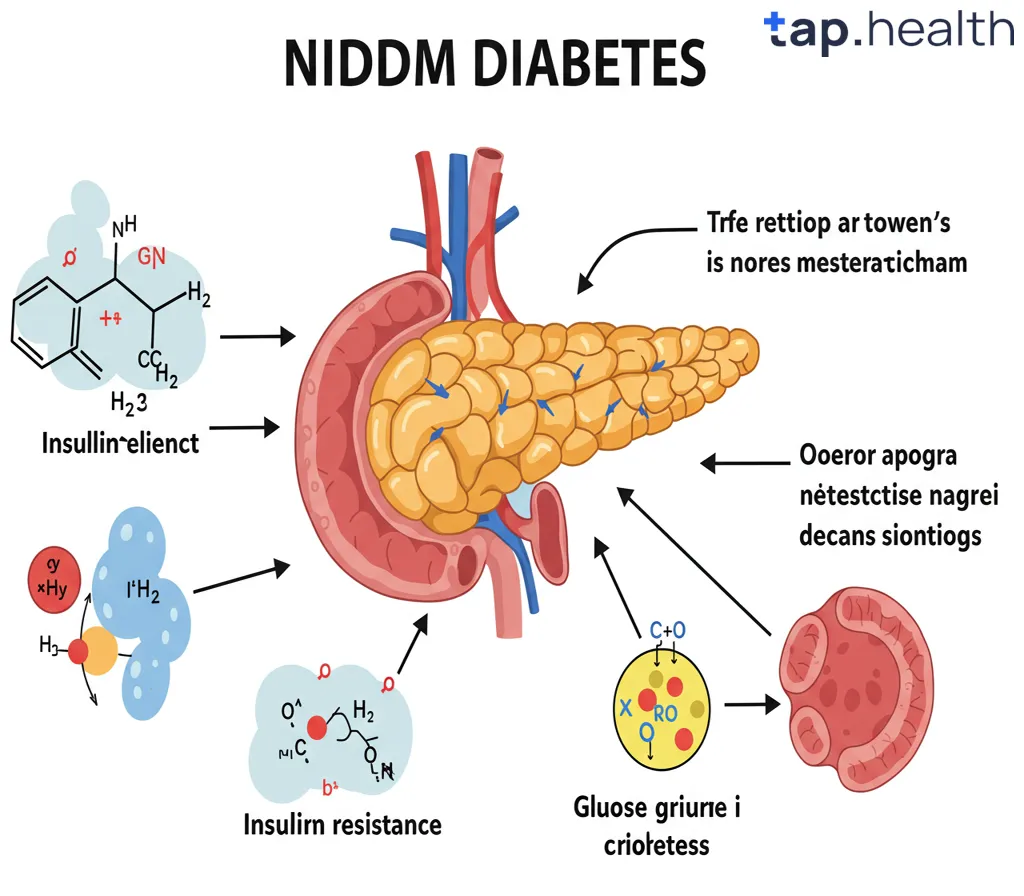
When you eat food—like a sandwich or an apple—your body turns it into glucose, a type of sugar that gives you energy. Glucose travels in your blood, and insulin, made by your pancreas (a small organ near your stomach), acts like a key. It unlocks your cells so glucose can get inside and power you up.
In Type 2 diabetes, things don’t work so smoothly. Your cells start ignoring insulin—like the key doesn’t fit the lock anymore. This is called insulin resistance. When that happens, glucose stays in your blood, and your blood sugar levels get too high. Over time, your pancreas might also get tired and stop making enough insulin.
How Is It Different from Type 1?
Type 1 diabetes is when your body doesn’t make any insulin at all, usually because your immune system attacks the pancreas. It often starts when you’re a kid, and people with Type 1 need insulin shots every day. Type 2, or NIDDM, is different—it’s about the body not using insulin right, and it’s more common in adults. Plus, you might not need insulin to manage it, at least not at first.
What Causes NIDDM Diabetes?
Type 2 diabetes doesn’t just happen out of nowhere. It’s caused by a mix of things, some you can change and some you can’t.
Family History
If your mom, dad, or siblings have Type 2 diabetes, you’re more likely to get it. Your genes—the instructions in your body that you inherit—can make it harder for your body to handle insulin.
Being Overweight
Carrying extra weight, especially around your belly, is a big risk factor. About 8 out of 10 people with Type 2 diabetes are overweight. Extra fat makes it tougher for insulin to do its job.
Not Moving Enough
Sitting around a lot—like playing video games or watching TV all day—can raise your risk. Exercise helps your body use insulin better, so not moving enough can lead to problems.
Getting Older
The older you get, the higher your risk, especially after 45. As we age, we might move less or gain weight, which doesn’t help.
Certain Groups
Some groups of people—like African Americans, Hispanics, Native Americans, and Asian Americans—are more likely to get Type 2 diabetes. Experts think it’s a mix of genes and lifestyle.
Other Health Stuff
Things like high blood pressure, weird cholesterol levels, or a condition called PCOS (in girls) can make Type 2 diabetes more likely. Also, if a woman had diabetes while pregnant (called gestational diabetes), she’s at higher risk later.
What Are the Symptoms of NIDDM Diabetes?
Sometimes, Type 2 diabetes sneaks up on you with no big signs at first. But as your blood sugar stays high, you might notice some changes.
- Super Thirsty: Your body tries to flush out extra sugar by making you pee more, so you feel thirsty all the time.
- Peeing a Lot: You might run to the bathroom more, even at night.
- Always Hungry: Your cells aren’t getting energy, so you feel hungry even after eating.
- Really Tired: Without energy in your cells, you feel worn out.
- Blurry Eyes: High sugar can mess with your vision.
- Slow Healing: Cuts or sores take forever to get better.
- More Infections: You might get skin or pee infections more often.
- Dark Skin Patches: Some people see dark spots, like in their armpits or neck.
If you feel any of these, tell an adult and see a doctor!
How Do Doctors Diagnose NIDDM Diabetes?
Doctors use tests to check your blood sugar and see if you have Type 2 diabetes.
Fasting Blood Sugar Test
You don’t eat for 8 hours (usually overnight), then they test your blood. If your sugar is 126 or higher, it might mean diabetes.
A1C Test
This test shows your average blood sugar over 2-3 months. If it’s 6.5% or more, that’s a sign of diabetes.
Glucose Tolerance Test
You drink a sugary drink, and they check your blood sugar after 2 hours. If it’s 200 or higher, it could be diabetes.
If any test shows high sugar, your doctor might do another one to be sure.
How Can You Treat NIDDM Diabetes?
The cool thing about Type 2 diabetes is that you can manage it! Here’s how.
Eating Healthy
Food is a big deal. Stick to:
- Veggies like broccoli and carrots
- Fruits like apples and berries
- Whole grains like oatmeal or brown rice
- Lean stuff like chicken or beans
Skip sugary snacks, sodas, and junk food like chips.
Moving More
Exercise—like riding a bike or walking the dog—helps your body use insulin better. Try to move for 30 minutes most days.
Losing Weight
If you’re overweight, losing even a little—like 10 pounds if you weigh 200—can lower your blood sugar.
Medicines
Some people take pills to help their body use insulin or make more. Common ones are metformin or sulfonylureas. If those don’t work, insulin shots might help.
Checking Blood Sugar
You might use a little device to prick your finger and check your sugar levels. It shows if your plan is working.
What Problems Can NIDDM Diabetes Cause?
If you don’t take care of Type 2 diabetes, it can lead to big issues.
Heart Trouble
High sugar can hurt your blood vessels, raising your chances of heart attacks or strokes.
Kidney Damage
Your kidneys clean your blood, but too much sugar can wear them out, leading to kidney disease.
Nerve Pain
Sugar can damage nerves, especially in your feet, causing tingling or pain.
Eye Issues
It can mess up the blood vessels in your eyes, making it hard to see—or even causing blindness.
Foot Problems
Bad blood flow and nerve damage can make cuts heal slowly, sometimes leading to infections.
Keeping your sugar in check stops these from happening!
How Do You Live with NIDDM Diabetes?
Living with Type 2 diabetes takes some work, but you’ve got this!
Plan Your Meals
Work with a grown-up or dietitian to pick foods that keep your sugar steady. Learn to check labels for sugar and carbs.
Stay Active
Find fun stuff like dancing or soccer to keep moving every day.
Chill Out
Stress can raise your sugar, so try relaxing with deep breaths or music.
Get Help
Talk to friends, family, or a diabetes group—they can cheer you on.
Can You Prevent NIDDM Diabetes?
Yes! Even if it runs in your family, you can lower your chances.
Keep a Healthy Weight
If you’re a little heavy, losing a few pounds helps a ton.
Eat Smart
Choose real foods over junk—think apples, not candy.
Move Around
Play outside or walk instead of sitting all day.
Check Early
If you’re over 45 or have risks, ask a doctor to test your sugar every few years.
Frequently Asked Questions About NIDDM Diabetes
Got questions? We’ve got answers!
Q: What does NIDDM mean?
A: It’s short for Non-Insulin Dependent Diabetes Mellitus—another name for Type 2 diabetes.
Q: Is NIDDM the same as Type 2 diabetes?
A: Yep, they’re the same thing! NIDDM is just an older term.
Q: Can kids get NIDDM diabetes?
A: Yes, kids can get it, especially if they’re overweight or it’s in their family.
Q: How’s it different from Type 1?
A: Type 1 means no insulin is made. Type 2 means insulin isn’t working right.
Q: Can NIDDM go away?
A: It doesn’t have a cure, but eating well and exercising can control it—sometimes so well you don’t need meds!
Q: What foods are bad for NIDDM?
A: Skip sugary stuff like soda, candy, and white bread.
Q: How often do I check my sugar?
A: Depends—some check daily, some less. Ask your doctor.
Q: Can I eat candy with NIDDM?
A: A little, sometimes, if you watch your sugar levels.
Q: What’s a sign my sugar’s too high?
A: Feeling thirsty, tired, or peeing a lot are clues.
Q: How do I stop problems from NIDDM?
A: Keep your sugar normal with food, exercise, and doctor visits.
That’s everything you need to know about NIDDM diabetes! It might sound like a lot, but with simple steps, you can handle it and stay healthy.