tap.health logo
  • Diabetes Management
  • Health Assistant
  • About Us
  • Blog
  • Contact Us
Get Plan
  • Diabetes Management
  • Health Assistant
  • About Us
  • Blog
  • Contact Us
  • All Blogs
  • Product
  • What is the Difference Between Hemorrhoids and Anal Fissures?

What is the Difference Between Hemorrhoids and Anal Fissures?

Product
May 28, 2024
• 4 min read
Tap Health
Written by
Tap Health
ChatGPT Perplexity WhatsApp LinkedIn X Grok Google AI
Difference Between Hemorrhoids and Anal Fissures

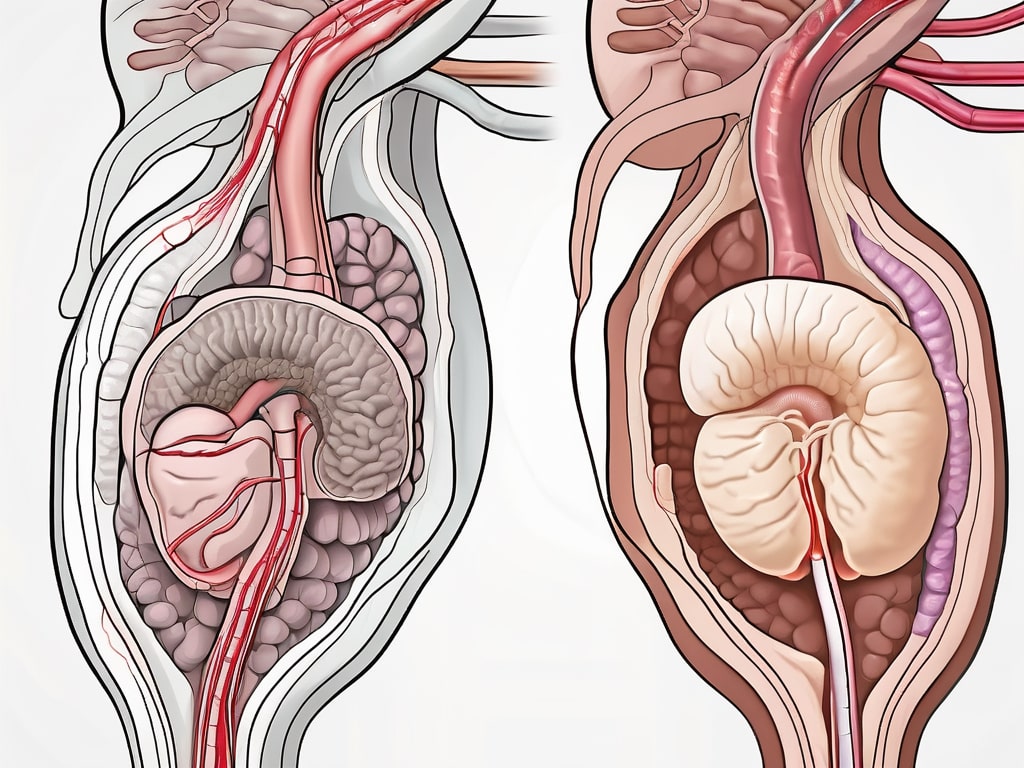
Hemorrhoids and anal fissures are common conditions affecting the anal region, often causing discomfort and pain. While they share some similarities, their causes, symptoms, and treatments differ significantly. Understanding these distinctions is vital for effective management and relief. This article explores the key differences, diagnosis methods, treatment options, and prevention strategies for hemorrhoids and anal fissures, addressing common questions like “What causes hemorrhoids?” and “How to treat anal fissures?”

What Are Hemorrhoids and Anal Fissures?

Hemorrhoids Explained

Hemorrhoids are swollen blood vessels in the rectum or anus, often resulting from increased pressure in the rectal area. They can be internal (inside the rectum) or external (under the skin around the anus). Common triggers include chronic constipation, straining during bowel movements, pregnancy, obesity, and prolonged sitting.

Anal Fissures Defined

Anal fissures are small tears in the lining of the anal canal, typically caused by trauma from passing hard or large stools. Other contributing factors include inflammatory conditions like Crohn’s disease, excessive straining, or lack of lubrication in the anal canal.

What Causes Hemorrhoids and Anal Fissures?

Causes of Hemorrhoids

Hemorrhoids develop due to increased pressure on rectal veins, often triggered by:

  • Chronic constipation: Hard stools increase strain during bowel movements.
  • Pregnancy: Increased abdominal pressure can lead to swollen veins.
  • Sedentary lifestyle: Prolonged sitting reduces blood flow, causing vein swelling.
  • Low-fiber diet: Lack of dietary fiber leads to harder stools, aggravating the condition.
  • Obesity: Excess weight adds pressure to the rectal area.

Causes of Anal Fissures

Anal fissures are primarily caused by:

  • Hard or large stools: These stretch and tear the delicate anal tissue.
  • Inflammatory conditions: Diseases like Crohn’s or inflammatory bowel disease can cause inflammation.
  • Straining: Excessive force during bowel movements increases the risk.
  • Trauma: Childbirth or other physical stress to the anal area can contribute.

Key Difference: Hemorrhoids result from swollen blood vessels, while anal fissures are physical tears in the anal lining.

Symptoms of Hemorrhoids vs. Anal Fissures

Hemorrhoid Symptoms

Hemorrhoids often cause:

  • Itching or discomfort around the anus
  • Bright red blood on toilet paper or in the toilet bowl
  • A lump near the anus (external hemorrhoids)
  • Leakage of feces or swelling
  • Generalized discomfort rather than sharp pain

Anal Fissure Symptoms

Anal fissures typically present:

  • Severe, sharp pain during and after bowel movements
  • Bright red blood, often more significant than with hemorrhoids
  • Anal sphincter spasms, causing additional pain
  • Difficulty passing stools due to pain

Key Difference: Hemorrhoids cause milder, generalized discomfort, while anal fissures are associated with intense, sharp pain during bowel movements.

How Are Hemorrhoids and Anal Fissures Diagnosed?

Diagnosing Hemorrhoids

A healthcare provider diagnoses hemorrhoids through:

  • Physical examination: Checking for swollen blood vessels in the anal area.
  • Proctoscopy: Using a specialized tool to inspect the rectum.
  • Additional tests: Colonoscopy or sigmoidoscopy may be recommended to rule out other conditions like colorectal issues.

Diagnosing Anal Fissures

Anal fissures are diagnosed via:

  • Symptom review: Discussing pain, bleeding, and bowel habits with the patient.
  • Physical exam: Inspecting the anal area for visible tears or sores.
  • Anoscopy or digital rectal exam: Used in unclear cases to confirm the presence of tears or assess anal muscle function.

Key Difference: Hemorrhoid diagnosis often involves tools to examine swollen veins, while anal fissures are typically identified through symptom history and visual inspection.

Treatment Options for Hemorrhoids and Anal Fissures

Treating Hemorrhoids

Most hemorrhoid cases can be managed with conservative treatments, including:

  • Over-the-counter creams: Reduce swelling and relieve itching.
  • Lifestyle changes: Increasing fiber intake, staying hydrated, and avoiding straining.
  • Sitz baths: Soaking the anal area in warm water to alleviate discomfort.
  • Surgical options: For severe cases, procedures like hemorrhoidectomy (removal of hemorrhoids) or rubber band ligation (shrinking hemorrhoids) may be necessary.

Treating Anal Fissures

Anal fissure treatments focus on pain relief and healing:

  • Topical ointments: Promote healing and reduce sphincter spasms.
  • Sitz baths: Soothe the anal area and reduce inflammation.
  • Lifestyle adjustments: High-fiber diet and hydration to soften stools.
  • Surgical intervention: A sphincterotomy (cutting the anal sphincter muscle) may be performed for chronic fissures.

Key Difference: Hemorrhoid treatments target swollen veins, while anal fissure treatments focus on healing tears and relaxing the anal sphincter.

Preventing Hemorrhoids and Anal Fissures

Prevention is key to avoiding both conditions. Effective strategies include:

  • High-fiber diet: Incorporate fruits, vegetables, and whole grains to soften stools.
  • Hydration: Drink plenty of water to prevent constipation.
  • Regular exercise: Promotes healthy bowel movements and reduces pressure on rectal veins.
  • Good toilet habits: Avoid straining or prolonged sitting on the toilet.
  • Anal hygiene: Use mild soap and water or a bidet to keep the area clean and reduce irritation.
  • Stress management: Practice relaxation techniques like yoga or deep breathing to support digestive health.

Surgical Options for Severe Cases

For persistent or severe cases, surgical intervention may be required:

  • Hemorrhoids:
    • Hemorrhoidectomy: Surgical removal of hemorrhoids.
    • Rubber band ligation: Bands are placed around hemorrhoids to cut off blood supply, causing them to shrink.
  • Anal Fissures:
    • Sphincterotomy: Cutting the anal sphincter to relieve spasms and promote healing.

Post-operative care: Follow medical advice to ensure proper healing and minimize complications.

Frequently Asked Questions About Hemorrhoids and Anal Fissures

1. Can You Have Hemorrhoids and Anal Fissures at the Same Time?

Yes, it’s possible to have both conditions simultaneously, as they can be triggered by similar factors like constipation or straining. However, each requires specific treatment approaches to address swollen veins (hemorrhoids) or tears (anal fissures).

2. Are Hemorrhoids and Anal Fissures Contagious?

No, neither condition is contagious. They result from physical or lifestyle factors, not infections or transmissible agents.

3. How Long Do Hemorrhoids and Anal Fissures Take to Heal?

Mild cases typically heal within a few weeks with conservative treatments. Severe cases or those requiring surgery may take longer, depending on the treatment and patient compliance.

Conclusion: Managing Hemorrhoids and Anal Fissures Effectively

Hemorrhoids and anal fissures, while sharing some symptoms like bleeding and discomfort, differ in their causes, pain intensity, and treatment approaches. Hemorrhoids stem from swollen blood vessels, causing itching and mild discomfort, while anal fissures involve painful tears in the anal lining. Accurate diagnosis through physical exams or specialized tools is crucial for tailored treatment, which may range from lifestyle changes and topical treatments to surgical options for severe cases. Preventive measures, such as a high-fiber diet, hydration, and good toilet habits, can significantly reduce the risk of both conditions.


Tags
A1C test diabetes heart health diabetic retinopathy fruit and blood sugar type 1 diabetes how to lower HbA1c diabetic breakfast ideas post-meal blood sugar Indian diabetes plate foods for diabetes shopping diabetes and alcohol low blood sugar at night diabetes excessive thirst insulin site rotation diabetes curd milk for diabetes why diabetes is considered as a lifestyle disease blood pressure diabetes eye test rice and diabetes type 1 diabetes symptoms fasting sugar normal range PCOS and diabetes blood sugar after food diabetes portion control diabetes kidney tests alcohol blood sugar diabetes diabetes sweating at night diabetes dry mouth insulin lumps tea and coffee in diabetes can diabetics drink milk Medicine lifestyle diabetes cholesterol diabetes kidney care can diabetics eat rice insulin diabetes high fasting blood sugar PCOS insulin resistance postprandial glucose low glycaemic index foods for diabetes urine albumin diabetes can diabetics drink alcohol diabetes headache frequent urination diabetes diabetes weight gain coffee diabetes best milk for diabetes Health type 2 diabetes lifestyle disease living with diabetes diabetic kidney disease diabetes diet India prediabetes diet reverse prediabetes naturally PCOS diabetes risk dawn phenomenon diabetes low GI foods India eGFR diabetes diabetes and dizziness high blood sugar headache diabetes fatigue diabetes and weight gain tea diabetes peanuts for diabetes Lifestyle exercise and diabetes diabetes habits kidney tests diabetes morning blood sugar prediabetes food prediabetes reversal gestational diabetes diet Indian morning sugar high diabetes low GI diet diabetes and dental problems dizziness diabetes low blood sugar headache diabetes tiredness insulin weight gain roti for diabetes are peanuts good for diabetes Home remedies blood sugar control diabetes management high blood sugar symptoms fasting sugar high lower diabetes risk how to prevent type 2 diabetes pregnancy diabetes diet high fasting sugar in morning diabetes and fatty liver diabetes gum disease low sugar dizziness blood sugar monitoring at home high blood sugar tiredness diabetes swollen feet best roti for diabetes peanuts blood sugar Fitness physical activity insulin resistance hyperglycemia symptoms dawn phenomenon diabetes and weight loss insulin resistance diet gestational diabetes meal plan diabetes and cholesterol fatty liver diabetes dry mouth diabetes diabetes leg pain when to check blood sugar diabetes constipation swollen feet diabetes chapati diabetes sweet potato for diabetes Prevention diabetes foot care insulin sensitivity diabetes warning signs diabetes myths weight loss diabetes Indian foods for insulin resistance diabetic foot ulcer diabetes lipid profile insulin resistance fatty liver diabetes urine infection diabetic leg cramps blood glucose monitoring diabetes and constipation diabetes foot swelling can diabetics eat dates can diabetics eat sweet potato Hygiene diabetic foot type 2 diabetes risk normal blood sugar levels diabetes facts insulin resistance weight loss improve insulin sensitivity diabetes foot wound cholesterol in diabetes diabetes skin problems frequent UTI diabetes diabetes nerve pain legs metformin for diabetes constipation diabetes can diabetics eat banana dates for diabetes sweet potato blood sugar Ailments foot health diabetes and sleep fasting blood sugar diabetes misconceptions diabetes medicine safety diabetic neuropathy symptoms diabetic foot ulcer warning signs can diabetics eat mango diabetes itching urinary infection diabetes diabetes slow wound healing metformin side effects diabetes numbness in hands banana for diabetes dates blood sugar jaggery for diabetes Hindi gestational diabetes poor sleep blood sugar HbA1c diabetes symptoms in women diabetes medicines diabetes nerve damage diabetes and blood pressure mango and diabetes dark patches diabetes diabetes stomach problems diabetes wounds metformin safety diabetes tingling hands banana blood sugar papaya for diabetes is jaggery good for diabetes skin diseases pregnancy diabetes sleep and diabetes diabetes in India women diabetes signs diabetes treatment advice tingling feet diabetes high blood pressure diabetes mango sugar diabetes walking after meals for diabetes diabetic gastroparesis diabetic wound care diabetes ketoacidosis warning signs diabetic neuropathy hands coconut water and diabetes is papaya good for diabetes gur for diabetes acne vulgaris symptoms blood sugar pregnancy diabetes and stress diabetes risk factors India diabetes risk women Indian diabetic diet chart diabetes eye disease diabetes heart kidney risk diabetes reversal vs remission post meal walk diabetes diabetes bloating nausea diabetes yeast infection DKA symptoms fasting with diabetes coconut water for diabetes papaya blood sugar AI Search low blood sugar stress blood sugar diabetes prevention India diabetes symptoms in men diabetic meal plan diabetic eye test borderline HbA1c diabetes remission walking lowers blood sugar diabetes sick day rules diabetes fungal infection ketones diabetes diabetes fasting safety can diabetics drink coconut water oats for diabetes blood sugar hypoglycemia cortisol diabetes best fruits for diabetes men diabetes signs HbA1c test high protein breakfast for diabetes HbA1c 5.7 to 6.4 reverse type 2 diabetes diabetes grocery list India diabetes during illness diabetes vaginal itching diabetes blurry vision can diabetics fast curd for diabetes oatmeal diabetes fasting glucose diabetes safety diabetes eye care diabetes fruits diabetes risk men HbA1c normal range diabetes breakfast India prediabetes HbA1c diabetes plate method diabetic food list India blood sugar fever infection diabetes night sweats high blood sugar blurry vision insulin injection sites is curd good for diabetes are oats good for diabetes
More blogs
Nishat Anjum
Nishat Anjum
• May 29, 2026
• 19 min read

Oats for Diabetes: Best Type, Blood Sugar Impact, Breakfast Ideas, and Common Mistakes

A detailed guide to oats for diabetes, covering steel-cut, rolled and instant oats, blood sugar impact, toppings, portions, and Indian breakfast ideas.

Diabetes
Difference Between Hemorrhoids and Anal Fissures
Fashtana Khan
Fashtana Khan
• May 29, 2026
• 19 min read

Jaggery for Diabetes: Is Gur Better Than Sugar, Blood Sugar Risks, and Safer Choices

A myth-busting guide to jaggery for diabetes, explaining gur versus sugar, blood sugar risks, iron claims, portion cautions, and safer sweet choices.

Diabetes
Difference Between Hemorrhoids and Anal Fissures
Varshitha Sotala
Varshitha Sotala
• May 29, 2026
• 19 min read

Peanuts for Diabetes: Blood Sugar Benefits, Portion Size, Weight Control, and Safety Tips

A practical guide to peanuts for diabetes, covering blood sugar, protein, healthy fats, portion size, weight control, salted peanuts, and allergy safety.

Diabetes
Difference Between Hemorrhoids and Anal Fissures
Do you remember your last sugar reading?
Log and Track your glucose on the Tap Health App
All logs in one place
Smart trend graphs
Medicine Reminder
100% Ad Free
Download Now

Missed your diabetes meds

again? Not anymore.

Get medicine reminders on your phone.

✓ Glucose diary and Insights
✓ Smart Nudges
✓ All logs at one place
✓ 100% Ad free
Download Free
tap health
tap.health logo
copyright © 2025
2nd Floor,Plot No 4, Minarch Tower,
Sector 44,Gurugram, 122003,
Haryana, India
  • About Us
  • Blog
  • Doctor login
  • Contact Us
  • Privacy Policy
  • Return / Shipping Policy
  • Terms and Conditions
Get Your Free AI Diabetes Coach