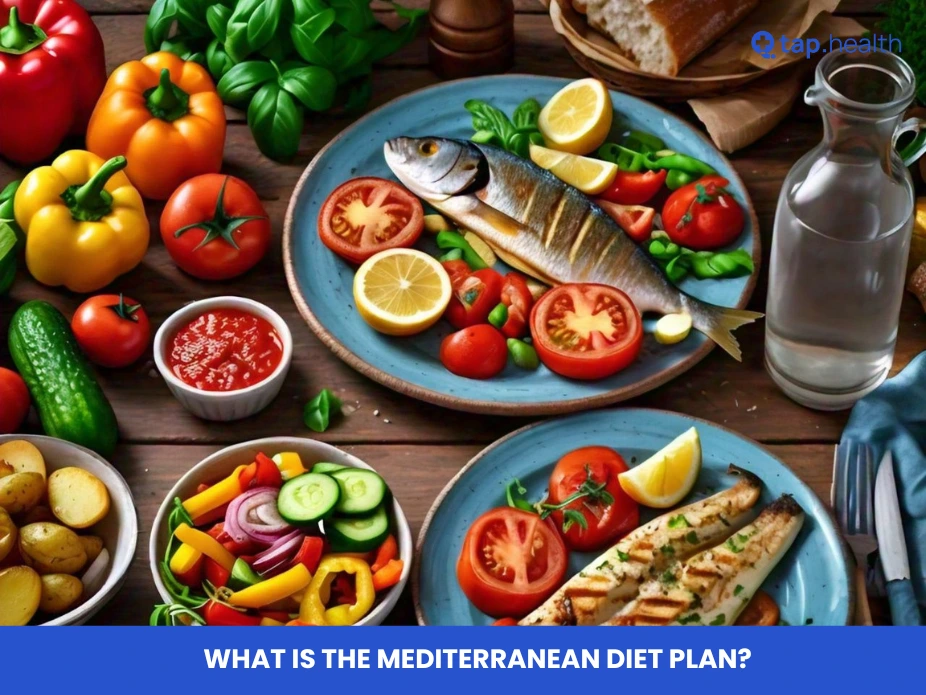
What Is the Mediterranean Diet Plan?
Q: Define the Mediterranean diet plan?
A: The Mediterranean diet plan is a lifestyle eating pattern inspired by traditional habits in Italy, Greece, and Spain. It prioritizes fresh, flavorful whole foods over strict calorie counting.
Q: Why is it called a diet but acts like a lifestyle?
A: It emphasizes sustainable habits—daily plant-based meals, healthy fats, and moderate wine—promoting long-term health rather than short-term restriction.
Mediterranean Diet Plan Basics and Principles
Q: What are the core principles of the Mediterranean diet?
A: Focus on plant-based foods, healthy fats like olive oil, and minimal processed items. Include abundant fruits, vegetables, whole grains, legumes; moderate fish, poultry, dairy; limit red meat.
Q: How does it differ from typical Western diets?
A: Low in refined sugars, unhealthy fats, and processed foods; high in fiber, antioxidants, and monounsaturated fats for anti-inflammatory effects.
Key Components of Mediterranean Diet Foods
Q: What fruits and vegetables are central to Mediterranean diet foods?
A: Daily variety like tomatoes, olives, citrus, grapes, cucumbers, spinach, peppers—rich in vitamins, minerals, fiber for disease protection.
Q: Why include whole grains in the Mediterranean diet plan?
A: Staples such as brown rice, whole wheat bread, quinoa, barley, oats provide slow-release carbs, stable blood sugar, and satiety.
Q: What role do healthy fats play?
A: Olive oil as primary fat for cooking/dressings; nuts, seeds, avocados supply monounsaturated fats and antioxidants to combat inflammation.
Q: How do legumes and nuts fit in?
A: Beans, lentils, chickpeas offer plant-based protein and fiber; almonds, walnuts, pistachios serve as nutrient-dense snacks.
Q: What about fish and seafood in the diet?
A: Consume at least twice weekly—salmon, mackerel, sardines, tuna for omega-3s; include shrimp, mussels for heart health.
Q: Are poultry, eggs, and dairy allowed?
A: Yes, in moderation—Greek yogurt, feta cheese, eggs, chicken add flavor without excess.
Q: How are herbs and spices used?
A: Basil, oregano, rosemary, thyme, parsley, garlic, cinnamon, cumin replace salt for enhanced taste and health perks.
Q: Is wine part of the Mediterranean diet plan?
A: Optional moderate red wine (1-2 glasses/day) for resveratrol antioxidants, but not essential.
Health Benefits of Mediterranean Diet
Q: How does the Mediterranean diet benefit heart health?
A: Lowers LDL cholesterol, raises HDL via olive oil; reduces heart disease, stroke, hypertension risk per studies.
Q: Can it aid weight management?
A: Yes—nutrient-dense foods promote fullness, curb overeating; avoids weight-gain triggers like sugars.
Q: What chronic disease risks does it lower?
A: Type 2 diabetes, Alzheimer’s, cancers through antioxidants, anti-inflammatory compounds fighting oxidative stress.
Q: How does it improve digestion?
A: High-fiber from produce, legumes regulates bowels, prevents constipation, supports gut microbiome.
Q: Are there mental health advantages?
A: Omega-3s, antioxidants may reduce depression, cognitive decline; enhance brain function and mood.
Mediterranean Diet Meal Ideas and Scenarios
Q: What are simple Mediterranean diet meal ideas for busy professionals?
A: Quick salads with greens, chickpeas, olive oil, grilled chicken; weekend prep grain bowls, stews, roasted veggies.
Q: How to make it family-friendly?
A: Pasta with marinara, baked fish and potatoes, hummus with veggies—appeals to all ages with variety.
Q: Is it suitable for athletes?
A: Provides lean proteins, carbs, fats for energy/recovery; anti-inflammatory foods ease soreness.
Expert Insights on Mediterranean Diet Plan
Q: What does Dr. Walter Willett say about it?
A: Harvard expert highlights longevity, chronic disease prevention via plant-focused eating.
Q: Dr. Michael Greger’s view?
A: Endorses plant-based emphasis, healthy fats, processed food avoidance for optimal health.
Proven Recommendations for Mediterranean Diet
Q: How to prioritize plant-based foods?
A: Half-plate veggies/fruits; add beans, lentils, nuts as proteins.
Q: Best ways to choose healthy fats?
A: Olive oil for cooking; regular salmon, sardines, nuts/seeds.
Q: Why limit processed foods?
A: Maximize benefits from whole ingredients; skip snacks, sugary drinks, refined grains.
Q: Importance of activity in the lifestyle?
A: Daily walks, yoga, workouts complement diet for overall wellbeing.
FAQ: Common Questions on Mediterranean Diet Plan
Q: What foods to avoid on Mediterranean diet?
A: Processed items, refined grains, sugary snacks, excess red meat—opt for whole alternatives.
Q: Does Mediterranean diet help weight loss?
A: Supports via satiating, low-calorie-density foods preventing overeating.
Q: How often eat fish?
A: Twice weekly, prioritizing fatty types like salmon for omega-3s.
Q: Is wine necessary?
A: No—moderate red wine optional for antioxidants.
Q: Main focus of the diet?
A: Whole plant foods, healthy fats, lean proteins; minimal red meat/processed items.