tap.health logo
  • Diabetes Management
  • Health Assistant
  • About Us
  • Blog
  • Contact Us
Get Plan
  • Diabetes Management
  • Health Assistant
  • About Us
  • Blog
  • Contact Us
  • All Blogs
  • Product
  • What Type of Cancer Causes Low Sodium Levels?

What Type of Cancer Causes Low Sodium Levels?

Product
October 21, 2025
• 8 min read
Yasaswini Vajupeyajula
Written by
Yasaswini Vajupeyajula
Nishat Anjum
Reviewed by:
Nishat Anjum
ChatGPT Perplexity WhatsApp LinkedIn X Grok Google AI
what type of cancer causes low sodium levels

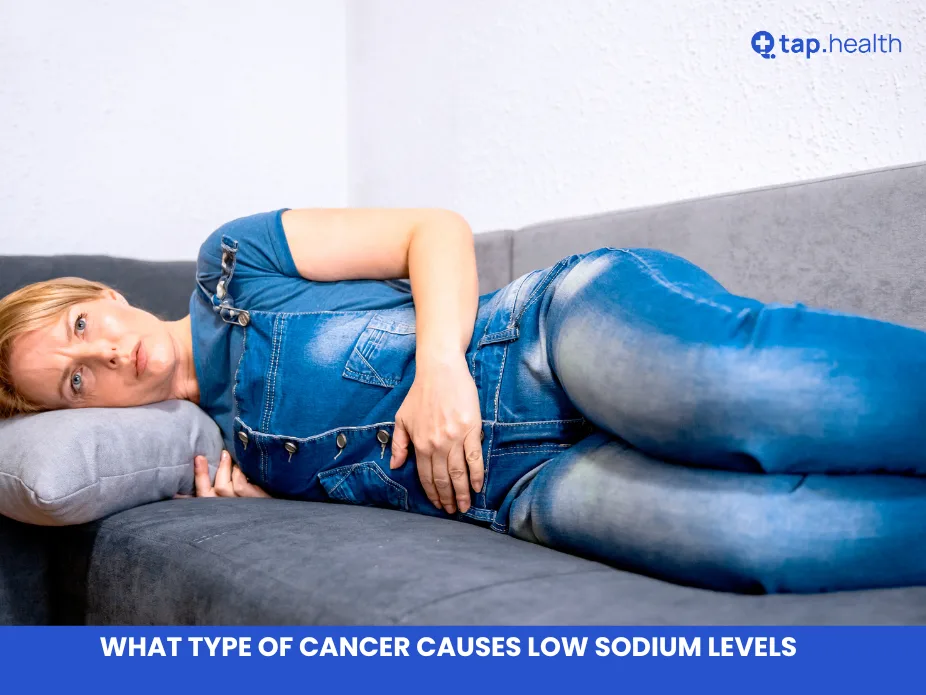
Imagine waking up feeling unusually tired, with a pounding headache and a sense of confusion. What if these seemingly minor symptoms were trying to tell you something important about your health? Low sodium levels, also known as hyponatremia, can be a sign of various health issues, including certain types of cancer. Understanding the connection between cancer and sodium imbalance is crucial for early detection and effective treatment. In this blog, let’s dive into how certain cancers can lead to low sodium levels and why understanding this connection could be life-saving.

Introduction

Have you ever experienced symptoms like nausea, headache, confusion, or fatigue and wondered what could be causing them? Low sodium levels might be the culprit. While numerous factors can lead to hyponatremia, one significant but less discussed cause is cancer. Knowing which cancers are linked to low sodium can help you recognize potential warning signs and seek timely medical advice.

Understanding Low Sodium Levels (Hyponatremia)

Before diving into the types of cancer associated with low sodium levels, it’s essential to understand what hyponatremia is and why it matters.

What is Hyponatremia?

Hyponatremia occurs when the sodium concentration in your blood is abnormally low. Sodium is a vital electrolyte that helps regulate water balance in and around your cells. It plays a crucial role in nerve function, muscle contraction, and maintaining proper fluid balance. Think of sodium as a traffic controller in your body, keeping everything flowing smoothly—when it’s out of balance, traffic jams can happen, affecting your nerves, muscles, and even your brain.

Causes of Hyponatremia

Hyponatremia can result from various factors, including:

  • Excessive Fluid Intake: Drinking too much water can dilute sodium levels.
  • Medications: Certain medications, such as diuretics, antidepressants, and pain medications, can cause low sodium.
  • Medical Conditions: Kidney disease, heart failure, liver disease, and endocrine disorders can lead to hyponatremia.
  • Hormonal Imbalances: Conditions like the Syndrome of Inappropriate Antidiuretic Hormone (SIADH) can disrupt sodium balance.

Can Cancer Cause Low Sodium Levels?

Yes, certain types of cancer can lead to low sodium levels. The primary mechanism through which cancer causes hyponatremia is the Syndrome of Inappropriate Antidiuretic Hormone (SIADH). In SIADH, cancer cells produce excess antidiuretic hormone (ADH), which causes the kidneys to retain water, diluting the sodium in the bloodstream. Hearing that cancer can impact something as basic as sodium levels might feel overwhelming, but understanding why it happens can give you a sense of control over your health.

How Does Cancer Lead to Hyponatremia?

Cancer cells, particularly those from specific types of cancer, can produce ADH or ADH-like substances. This overproduction of ADH results in water retention and dilution of sodium, leading to hyponatremia. Additionally, cancer treatments like chemotherapy can also disrupt electrolyte balance, contributing to low sodium levels.

Types of Cancer Associated with Low Sodium Levels

Several types of cancer are more commonly linked to hyponatremia due to their association with SIADH or other mechanisms affecting sodium balance.

1. Small Cell Lung Cancer (SCLC)

For those battling Small Cell Lung Cancer, understanding its link to low sodium levels can feel daunting, but knowledge is the first step toward managing it. SCLC cells often produce ADH, leading to significant water retention and diluted sodium levels.

  • Prevalence: Approximately 10-20% of all lung cancer cases are SCLC.
  • Symptoms: Rapid weight loss, coughing, difficulty breathing, and hyponatremia symptoms like confusion and seizures.

2. Non-Small Cell Lung Cancer (NSCLC)

While less common than SCLC, Non-Small Cell Lung Cancer can also cause hyponatremia, though it’s not as strongly linked.

  • Prevalence: NSCLC accounts for about 80-85% of all lung cancer cases.
  • Symptoms: Similar to SCLC but generally progresses slower.

3. Pancreatic Cancer

Pancreatic Cancer can lead to hyponatremia through various mechanisms, including the secretion of ADH by tumour cells.

  • Prevalence: Relatively rare but highly aggressive.
  • Symptoms: Jaundice, abdominal pain, weight loss, and hyponatremia symptoms.

4. Prostate Cancer

Prostate Cancer is another type that can be associated with SIADH, especially in advanced stages.

  • Prevalence: One of the most common cancers in men.
  • Symptoms: Difficulty urinating, pelvic discomfort, and electrolyte imbalances.

5. Gastrointestinal Cancers

Certain Gastrointestinal Cancers, including stomach and colorectal cancers, can sometimes lead to hyponatremia, though it’s less common.

  • Prevalence: Varies based on specific cancer type.
  • Symptoms: Abdominal pain, changes in bowel habits, and electrolyte disturbances.

Symptoms of Hyponatremia in Cancer Patients

If you or a loved one are undergoing cancer treatment, noticing early warning signs like fatigue or confusion could make a big difference in seeking timely help. Common symptoms include:

  • Mild Hyponatremia:
    • Nausea
    • Headache
    • Fatigue
    • Muscle weakness
  • Severe Hyponatremia:
    • Confusion
    • Seizures
    • Coma
    • Respiratory arrest

Diagnosing Hyponatremia in Cancer Patients

Diagnosing hyponatremia involves a combination of medical history, physical examination, and specific laboratory tests.

Blood Tests

  • Serum Sodium Level: Measures the concentration of sodium in the blood. Levels below 135 mEq/L indicate hyponatremia.
  • Plasma Osmolality: Helps determine the underlying cause by assessing the concentration of solutes in the blood.
  • Urine Osmolality and Sodium: Further tests to differentiate between different types of hyponatremia.

Additional Diagnostic Procedures

  • Imaging Studies: CT scans or MRIs may be used to identify the presence of tumours associated with SIADH.
  • Endoscopy: For gastrointestinal cancers, an endoscopy might be necessary to visualize and biopsy tumours.

Treatment of Hyponatremia in Cancer Patients

Managing low sodium levels in cancer patients involves addressing both the electrolyte imbalance and the underlying cancer.

Correcting Sodium Levels

  • Fluid Restriction: Limiting fluid intake can help increase sodium concentration.
  • Medications: Vaptans (ADH receptor antagonists) may be prescribed to help manage SIADH.
  • Hypertonic Saline: In severe cases, intravenous saline solutions may be necessary to restore sodium levels.

Treating the Underlying Cancer

  • Chemotherapy: Targeting cancer cells can reduce the production of ADH.
  • Radiation Therapy: Helps shrink tumors causing SIADH.
  • Surgery: Removing tumours may resolve the electrolyte imbalance.

Real-life Scenarios

Understanding how low sodium levels affect real lives can provide better insights into the importance of early detection and treatment. Let’s explore some stories from India.

Real-life Scenarios

Scenario 1: Raj’s Battle with Small Cell Lung Cancer

Raj, a 60-year-old businessman from Mumbai, was diagnosed with small-cell lung cancer. Shortly after his diagnosis, he began experiencing severe fatigue, confusion, and muscle weakness.

  • Outcome: Blood tests revealed hyponatremia. Further investigation confirmed that his cancer was producing excess ADH, leading to low sodium levels. Raj’s medical team worked closely with him to balance his sodium levels while managing his cancer, helping him regain his energy and focus on what mattered most—spending time with his family, which improved his symptoms and overall health.

Scenario 2: Anjali’s Experience with Pancreatic Cancer

Anjali, a 50-year-old teacher from Delhi, was diagnosed with pancreatic cancer. During her treatment, she noticed persistent headaches and dizziness.

  • Outcome: A blood test showed low sodium levels. Her medical team identified that her tumour was contributing to hyponatremia. Anjali underwent a combination of chemotherapy and fluid management, which helped stabilize her sodium levels and manage her cancer more effectively.

These scenarios highlight the critical role of blood tests in detecting and managing hyponatremia in cancer patients, leading to timely and effective interventions.

Expert Contributions

Dr Priya Sharma, a renowned haematologist at the All India Institute of Medical Sciences (AIIMS) in New Delhi, shares her insights:

“Regular blood tests aren’t just routine—they’re a powerful tool in catching and managing issues like hyponatremia early, which can dramatically improve outcomes for patients.”

For more expert insights, visit the AIIMS Official Website.

Recommendations Grounded in Proven Research and Facts

Taking small steps, like staying hydrated without overdoing it, or scheduling regular check-ups, can make a big difference. It’s about being kind to your body and staying proactive about your health. Here are evidence-based recommendations to help you stay informed and reduce your risk.

1. Regular Health Check-ups

Routine medical examinations can help detect abnormalities early. If you have risk factors for stomach cancer or other cancers associated with hyponatremia, more frequent screenings may be necessary.

2. Monitor Symptoms

Be aware of symptoms related to both cancer and hyponatremia, such as:

  • Persistent fatigue and weakness
  • Unexplained weight loss
  • Nausea and vomiting
  • Confusion and difficulty concentrating

If you experience these symptoms, consult a healthcare professional promptly.

3. Maintain a Healthy Lifestyle

We know life gets busy, but even small changes—like adding an extra serving of vegetables to your meals or taking a 10-minute walk—can add up to a healthier you.

  • Balanced Diet: Consume a diet rich in fruits, vegetables, whole grains, and lean proteins.
  • Regular Exercise: Engage in at least 30 minutes of moderate exercise most days of the week.
  • Avoid Smoking and Limit Alcohol: These habits are linked to an increased risk of various cancers, including stomach cancer.
  • Manage Stress: Practices like yoga and meditation can support overall health.

4. Manage Helicobacter pylori Infection

If you have an H. pylori infection, seek treatment to reduce the risk of developing stomach cancer. Antibiotics can effectively eradicate the bacteria.

5. Genetic Counseling

If you have a family history of blood cancers or other hereditary conditions, consider genetic counselling. Understanding your genetic risk can help in taking preventive measures and planning regular screenings.

6. Stay Informed

Keep up-to-date with the latest research and guidelines on cancer detection and prevention. Reliable sources like the American Cancer Society and the National Cancer Institute provide valuable information.

7. Seek Professional Medical Advice

Always consult healthcare professionals for personalized advice and treatment plans. They can guide you through the necessary diagnostic procedures and recommend appropriate interventions based on your health status.

8. Support Systems

Having a strong support system can help you manage the emotional and physical challenges of cancer treatment. Connect with support groups, family, and healthcare professionals for assistance.

Factual and Reliable Information

The information provided in this blog is based on reputable sources to ensure accuracy and reliability. Some of these sources include:

  • World Health Organization – Cancer

These organizations offer comprehensive information on blood cancer, its causes, hereditary factors, and prevention strategies.

FAQ on What Type of Cancer Causes Low Sodium Levels?

What type of cancer causes low sodium levels?

Small Cell Lung Cancer (SCLC) is the most common type associated with low sodium levels due to its tendency to produce excess antidiuretic hormone (ADH), leading to hyponatremia.

How does cancer cause low sodium levels?

Cancer can cause low sodium levels primarily through the production of antidiuretic hormone (ADH) or ADH-like substances, which leads to water retention and dilution of sodium in the blood.

Can all cancers cause low sodium levels?

No, not all cancers cause low sodium levels. It is primarily associated with specific types like small cell lung cancer, pancreatic cancer, prostate cancer, and certain gastrointestinal cancers.

What are the symptoms of low sodium levels in cancer patients?

Symptoms of hyponatremia include fatigue, muscle weakness, nausea, headache, confusion, seizures, and in severe cases, coma.

How is low sodium diagnosed in cancer patients?

Low sodium is diagnosed through blood tests that measure serum sodium levels. Additional tests like plasma osmolality and urine sodium levels help determine the underlying cause.

Can treating cancer resolve low sodium levels?

Absolutely! The good news is that when cancer is treated effectively, sodium levels often improve too. It’s one of the ways your body shows it’s on the mend.

Should I get screened for low sodium if I have cancer?

If you have cancer, especially types known to be associated with hyponatremia, regular blood tests to monitor sodium levels are recommended as part of your overall treatment plan.

What treatments are available for low sodium caused by cancer?

Treatments include fluid restriction, medications like vaptans to block ADH, and in severe cases, intravenous saline solutions. Treating the underlying cancer is also crucial.

Can lifestyle changes help manage low sodium levels in cancer patients?

Yes, maintaining a balanced diet, staying hydrated appropriately, and following your healthcare provider’s recommendations can help manage sodium levels effectively.

Is hyponatremia reversible in cancer patients?

Yes, hyponatremia can be reversible with appropriate treatment targeting both the electrolyte imbalance and the underlying cancer.

How common is hyponatremia in cancer patients?

Hyponatremia is relatively common in cancer patients, particularly those with small-cell lung cancer. It occurs in about 15-30% of hospitalized cancer patients.

Can hyponatremia affect cancer treatment outcomes?

Yes, severe hyponatremia can complicate cancer treatment, leading to increased morbidity and potentially affecting treatment efficacy and patient recovery.

What should I do if I suspect I have low sodium levels?

If you experience symptoms of hyponatremia, such as persistent fatigue, confusion, or muscle weakness, contact your healthcare provider immediately for evaluation and appropriate management.

Are there any long-term effects of low sodium levels?

Chronic hyponatremia can lead to neurological issues, including cognitive impairment and increased risk of falls and fractures. Prompt treatment is essential to prevent long-term complications.

Understanding the relationship between cancer and low sodium levels is essential for proactive health management. While certain types of cancer, like small cell lung cancer, are more commonly associated with hyponatremia, recognizing the symptoms and seeking timely medical advice can lead to better treatment outcomes. Regular health check-ups, maintaining a healthy lifestyle, and staying informed through reliable sources are key steps in managing your health effectively. Always consult with healthcare professionals to tailor the best strategies for your individual needs and ensure early detection and effective treatment of both cancer and its associated complications.

Read this : How to Interpret RBS Results: Understanding RBS Value

Tags
diabetes food cravings whey protein diabetes diabetes thirst fluids skipping breakfast diabetes diabetes and blurred vision breathlessness diabetes diabetes nausea causes dry mouth high blood sugar diabetes and shoulder pain diabetes and palpitations diabetes symptoms and tests diabetes and hand tremors causes diabetes prevention foot health diabetes and sleep fasting blood sugar diabetes misconceptions diabetes medicine safety diabetic neuropathy symptoms diabetic foot ulcer warning signs can diabetics eat mango diabetes itching urinary infection diabetes diabetes slow wound healing metformin side effects diabetes numbness in hands banana for diabetes dates blood sugar jaggery for diabetes is poha good for diabetes guava blood sugar India diabetes pregnancy blood sugar targets diabetes medicine India blood sugar vs blood pressure LADA diabetes symptoms ED in diabetic men how to store insulin cataract surgery diabetes diabetes cholesterol levels Ramadan diabetes medicine timing walking after meals diabetes flu vaccine diabetes sugar cravings diabetes protein powder kidney diabetes diabetes diarrhoea vomiting diabetes breakfast skipping diabetic eye symptoms high sugar breathing problems diabetes and vomiting diabetes mouth symptoms diabetes frozen shoulder racing heart low sugar diabetes and tingling feet diabetes and appetite loss A1C gestational diabetes poor sleep blood sugar HbA1c diabetes symptoms in women diabetes medicines diabetes nerve damage diabetes and blood pressure mango and diabetes dark patches diabetes diabetes stomach problems diabetes wounds metformin safety diabetes tingling hands banana blood sugar papaya for diabetes is jaggery good for diabetes poha blood sugar orange for diabetes sugar spike after rice postpartum diabetes risk type 1 vs type 2 diabetes diabetes vs high cholesterol latent autoimmune diabetes in adults diabetes and menopause insulin storage at home diabetes and muscle loss diabetes triglycerides diabetes and shift work diabetes and smoking GLP-1 diabetes medicines diabetes hunger cravings CGM skin irritation diabetes diabetes sick day vomiting morning sugar skipping breakfast diabetes and sweating diabetes and shaking vomiting with diabetes diabetes and itchy skin shoulder stiffness diabetes heart pounding diabetes diabetes and tingling feet causes diabetes and appetite loss causes Medicine blood sugar pregnancy diabetes sleep and diabetes diabetes in India women diabetes signs diabetes treatment advice tingling feet diabetes high blood pressure diabetes mango sugar diabetes walking after meals for diabetes diabetic gastroparesis diabetic wound care diabetes ketoacidosis warning signs diabetic neuropathy hands coconut water and diabetes is papaya good for diabetes gur for diabetes sprouts for diabetes can diabetics eat oranges Indian diet diabetes diabetes after pregnancy type 1 and type 2 diabetes difference lipid profile diabetes diabetes vs MODY menopause blood sugar insulin fridge temperature diabetes muscle weakness diabetes and high blood pressure night shift diabetes smoking diabetes risk GLP-1 weight loss diabetes diabetes and fever CGM sensor rash diabetes loose motions late dinner diabetes sweating low blood sugar tremors low blood sugar diabetes and cold feet itching high blood sugar diabetes and loss of appetite diabetes and muscle weakness diabetes and sweaty feet diabetes and burning feet Health fasting glucose blood sugar pregnancy diabetes and stress diabetes risk factors India diabetes risk women Indian diabetic diet chart diabetes eye disease diabetes heart kidney risk diabetes reversal vs remission post meal walk diabetes diabetes bloating nausea diabetes yeast infection DKA symptoms fasting with diabetes coconut water for diabetes papaya blood sugar watermelon for diabetes are sprouts good for diabetes orange blood sugar glucose spike symptoms gestational diabetes India difference between type 1 and type 2 diabetes diabetes vs neuropathy MODY diabetes symptoms type 2 diabetes menopause glucometer errors sarcopenia diabetes diabetes hypertension diabetes meal timing shift work diabetes quit smoking semaglutide diabetes best shoes for diabetic feet diabetes adhesive allergy CGM diabetes and kidney stones diabetes dinner timing diabetes and leg cramps shaky feeling diabetes cold feet diabetes diabetes fungal itching loss appetite diabetes weakness high blood sugar diabetes and sweaty feet causes diabetes and burning feet causes Lifestyle A1C test low blood sugar stress blood sugar diabetes prevention India diabetes symptoms in men diabetic meal plan diabetic eye test borderline HbA1c diabetes remission walking lowers blood sugar diabetes sick day rules diabetes fungal infection ketones diabetes diabetes fasting safety can diabetics drink coconut water oats for diabetes can diabetics eat watermelon sprouts blood sugar brown bread for diabetes post meal blood sugar continuous glucose monitor India diabetes vs diabetes insipidus diabetes vs heart disease maturity onset diabetes of the young diabetes and frozen shoulder wrong blood sugar reading diabetes and anaemia BP in diabetes diabetes and vitamin D diabetes neuropathy pain relief diabetes and migraine diabetic socks foot ulcer prevention diabetes monsoon care kidney stones diabetes night sugar late dinner leg cramps diabetes diabetes and periods diabetes poor circulation feet diabetes and swollen ankles diabetes not feeling hungry diabetes leg weakness diabetes and neck pain diabetes and slow digestion Home remedies diabetes diet hypoglycemia cortisol diabetes best fruits for diabetes men diabetes signs HbA1c test high protein breakfast for diabetes HbA1c 5.7 to 6.4 reverse type 2 diabetes diabetes grocery list India diabetes during illness diabetes vaginal itching diabetes blurry vision can diabetics fast curd for diabetes oatmeal diabetes watermelon blood sugar methi seeds for diabetes bread for diabetes insulin resistance symptoms CGM cost India diabetes mellitus vs diabetes insipidus diabetes heart disease risk continuous glucose monitor diabetes frozen shoulder diabetes reactive hypoglycaemia anaemia diabetes HbA1c diabetes and liver enzymes vitamin D deficiency diabetes diabetic neuropathy burning feet diabetes headache triggers diabetes and driving diabetes rainy season foot infection diabetes urine pain diabetes medicine timing diabetes muscle cramps periods affect blood sugar hair loss diabetes ankle swelling diabetes diabetes and restless legs diabetes and memory problems diabetes and neck pain causes diabetes and slow digestion causes Fitness balanced meals diabetes safety diabetes eye care diabetes fruits diabetes risk men HbA1c normal range diabetes breakfast India prediabetes HbA1c diabetes plate method diabetic food list India blood sugar fever infection diabetes night sweats high blood sugar blurry vision insulin injection sites is curd good for diabetes are oats good for diabetes apple for diabetes fenugreek for diabetes whole wheat bread diabetes diabetes blood pressure time in range diabetes insipidus symptoms diabetes and heart attack CGM diabetes diabetic shoulder pain low blood sugar after eating low haemoglobin diabetes high SGPT diabetes vitamin D insulin resistance diabetes gastroparesis blood sugar migraine driving with diabetes monsoon diabetes tips diabetes foot nail care diabetes medicine before or after food diabetes and frequent infections menstrual cycle diabetes diabetes hair fall causes diabetes leg swelling causes restless leg syndrome diabetes diabetes brain fog diabetes and chest pain Prevention healthy eating diabetes heart health diabetic retinopathy fruit and blood sugar type 1 diabetes how to lower HbA1c diabetic breakfast ideas post-meal blood sugar Indian diabetes plate foods for diabetes shopping diabetes and alcohol low blood sugar at night diabetes excessive thirst insulin site rotation diabetes curd milk for diabetes can diabetics eat apple methi diabetes avocado for diabetes diabetes heart risk glucometer accuracy diabetes vs metabolic syndrome gestational diabetes vs type 2 diabetes continuous glucose monitoring metformin vitamin B12 deficiency postprandial hypoglycaemia diabetes and uric acid SGOT SGPT diabetes diabetes and magnesium diabetic gastroparesis symptoms diabetes and thyroid medication low blood sugar driving diabetes and antibiotics diabetic nail cutting missed diabetes medicine dose recurrent infections diabetes time in range diabetes diabetes wounds not healing diabetes and headache diabetes leg discomfort night memory loss blood sugar diabetes and chest pain causes Hygiene why diabetes is considered as a lifestyle disease blood pressure diabetes eye test rice and diabetes type 1 diabetes symptoms fasting sugar normal range PCOS and diabetes blood sugar after food diabetes portion control diabetes kidney tests alcohol blood sugar diabetes diabetes sweating at night diabetes dry mouth insulin lumps tea and coffee in diabetes can diabetics drink milk apple blood sugar cinnamon for diabetes is avocado good for diabetes ABC diabetes diabetes technology metabolic syndrome and diabetes pregnancy diabetes and type 2 diabetes steroid induced diabetes metformin B12 symptoms type 3c diabetes high uric acid diabetes diabetes and dental health magnesium deficiency diabetes delayed stomach emptying diabetes levothyroxine diabetes diabetes in older adults antibiotics blood sugar diabetes diabetes fungal nail infection diabetes airport travel diabetes infection symptoms CGM time in range diabetes and increased appetite headache low blood sugar fever high blood sugar diabetes and skin discolouration diabetes and cough Ailments lifestyle diabetes cholesterol diabetes kidney care can diabetics eat rice insulin diabetes high fasting blood sugar PCOS insulin resistance postprandial glucose low glycaemic index foods for diabetes urine albumin diabetes can diabetics drink alcohol diabetes headache frequent urination diabetes diabetes weight gain coffee diabetes best milk for diabetes eggs for diabetes cinnamon blood sugar avocado blood sugar kidney risk diabetes CGM vs glucometer India metabolic syndrome symptoms gestational diabetes future risk steroid diabetes symptoms vitamin B12 test metformin pancreatogenic diabetes diabetes gout risk tooth infection diabetes magnesium insulin sensitivity diabetes and UTI thyroid medicine blood sugar elderly diabetes care infection treatment diabetes antibiotics CGM vs glucometer insulin airport security dizziness low blood sugar time in range targets constant hunger diabetes high sugar headache sick day diabetes yellow skin diabetes diabetes and cough causes Hindi type 2 diabetes lifestyle disease living with diabetes diabetic kidney disease diabetes diet India prediabetes diet reverse prediabetes naturally PCOS diabetes risk dawn phenomenon diabetes low GI foods India eGFR diabetes diabetes and dizziness high blood sugar headache diabetes fatigue diabetes and weight gain tea diabetes peanuts for diabetes are eggs good for diabetes dalchini for diabetes travelling with diabetes diabetes footwear diabetes reversal myths diabetes vs thyroid diabetes vs anaemia steroids high blood sugar diabetes distress diabetes caused by pancreas disease diabetes and PCOS diabetes and skin infections protein intake diabetes urinary tract infection diabetes diabetes fatigue after eating diabetes low sugar older adults diabetes workplace health CGM vs finger prick diabetes travel documents dizziness high blood sugar millets for diabetes diabetes hunger causes diabetes and bladder problems diabetes and daytime sleepiness diabetes and night urination diabetes and snoring skin diseases exercise and diabetes diabetes habits kidney tests diabetes morning blood sugar prediabetes food prediabetes reversal gestational diabetes diet Indian morning sugar high diabetes low GI diet diabetes and dental problems dizziness diabetes low blood sugar headache diabetes tiredness insulin weight gain roti for diabetes are peanuts good for diabetes egg diabetes amla for diabetes diabetes travel checklist blurred vision diabetes HbA1c remission diabetes and thyroid disease diabetes fatigue or anaemia diabetes and hair loss diabetes burnout diabetes and bone health PCOS insulin resistance diabetes boils diabetes diabetes protein diet diabetes women's sexual health sleepy after meals diabetes diabetes blood tests diabetes desk job diabetes CGM accuracy night hypoglycaemia symptoms diabetes and skin tags ragi jowar bajra diabetes diabetes and morning constipation diabetes urinary symptoms diabetes fatigue sleepiness urinating at night diabetes diabetes and snoring causes acne vulgaris symptoms blood sugar control diabetes management high blood sugar symptoms fasting sugar high lower diabetes risk how to prevent type 2 diabetes pregnancy diabetes diet high fasting sugar in morning diabetes and fatty liver diabetes gum disease low sugar dizziness blood sugar monitoring at home high blood sugar tiredness diabetes swollen feet best roti for diabetes peanuts blood sugar paneer for diabetes amla juice diabetes insulin travel storage fundus exam diabetes remission vs reversal thyroid blood sugar anaemia diabetes symptoms diabetes hair loss causes diabetes burnout symptoms diabetes osteoporosis diabetes and sleep apnoea diabetes and travel protein foods for diabetes diabetes vaginal dryness post meal sugar spike tiredness diabetes test list office snacks diabetes early signs of insulin resistance diabetes low sugar during sleep dark neck insulin resistance best millet for blood sugar constipation diabetes morning diabetes and body odour diabetes and bloating nocturia diabetes diabetes and morning fatigue AI Search physical activity insulin resistance hyperglycemia symptoms dawn phenomenon diabetes and weight loss insulin resistance diet gestational diabetes meal plan diabetes and cholesterol fatty liver diabetes dry mouth diabetes diabetes leg pain when to check blood sugar diabetes constipation swollen feet diabetes chapati diabetes sweet potato for diabetes is paneer good for diabetes amla blood sugar diabetes hot weather eye care diabetes vildagliptin diabetes vs PCOS diabetes vs Cushing syndrome hair fall in diabetes diabetes depression anxiety diabetes fracture risk sleep apnea diabetes travel with diabetes diabetes and fibre diabetes sexual problems women diabetes meal timing blood tests for diabetes checkup diabetes and dehydration insulin resistance tests constipation in diabetes acanthosis nigricans diabetes diabetes and nausea morning bowel movement diabetes diabetes smell sweat bloating with diabetes diabetes and numbness in hands diabetes and morning fatigue causes type 2 diabetes diabetes foot care insulin sensitivity diabetes warning signs diabetes myths weight loss diabetes Indian foods for insulin resistance diabetic foot ulcer diabetes lipid profile insulin resistance fatty liver diabetes urine infection diabetic leg cramps blood glucose monitoring diabetes and constipation diabetes foot swelling can diabetics eat dates can diabetics eat sweet potato paneer diabetes guava for diabetes diabetes dehydration diabetic retinopathy symptoms vildagliptin benefits in type 2 diabetes patients diabetes vs hypertension Cushing syndrome blood sugar diabetes and erectile dysfunction diabetes and depression diabetes and cataracts snoring diabetes insulin resistance diabetes Ramadan fasting fibre foods for diabetes diabetes and vaccines best time to eat for diabetes protein powder diabetes dehydration blood sugar walk after dinner blood sugar diabetes constipation relief diabetes and shortness of breath nausea with diabetes diabetes and dry mouth fruity breath diabetes diabetes stomach gas diabetes and numbness in hands causes diabetes and hand tremors prediabetes diabetic foot type 2 diabetes risk normal blood sugar levels diabetes facts insulin resistance weight loss improve insulin sensitivity diabetes foot wound cholesterol in diabetes diabetes skin problems frequent UTI diabetes diabetes nerve pain legs metformin for diabetes constipation diabetes can diabetics eat banana dates for diabetes sweet potato blood sugar poha for diabetes can diabetics eat guava heat and blood sugar GDM screening DPP-4 inhibitor diabetes and hypertension diabetes vs LADA erectile dysfunction diabetes diabetes anxiety symptoms diabetic cataract symptoms diabetes and high cholesterol diabetes fasting Ramadan soluble fibre blood sugar vaccines for diabetes late night eating diabetes
More blogs
Kazima Qureshi
Kazima Qureshi
• July 17, 2026
• 19 min read

Diabetes and Hand Tremors: Low Sugar, Medicines, Anxiety, and What to Do

A detailed, research-based guide to diabetes and hand tremors, including causes, tests, safe care, and warning signs.

Diabetes
what type of cancer causes low sodium levels
K. Siva Jyothi
K. Siva Jyothi
• July 17, 2026
• 19 min read

Diabetes and Morning Fatigue: Sleep, High Sugar, Anaemia, Thyroid, and Tests

A detailed, research-based guide to diabetes and morning fatigue, including causes, tests, safe care, and warning signs.

Diabetes
what type of cancer causes low sodium levels
Isha Yadav
Isha Yadav
• July 17, 2026
• 19 min read

Diabetes and Snoring: Sleep Apnoea, Weight, Blood Sugar, and Testing

A detailed, research-based guide to diabetes and snoring, including causes, tests, safe care, and warning signs.

Diabetes
what type of cancer causes low sodium levels
Do you remember your last sugar reading?
Log and Track your glucose on the Tap Health App
All logs in one place
Smart trend graphs
Medicine Reminder
100% Ad Free
Start Now

Missed your diabetes meds

again? Not anymore.

Get medicine reminders on your phone.

✓ Glucose diary and Insights
✓ Smart Nudges
✓ All logs at one place
✓ 100% Ad free
Start for free
tap health
tap.health logo
copyright © 2025
2nd Floor,Plot No 4, Minarch Tower,
Sector 44,Gurugram, 122003,
Haryana, India
  • About Us
  • Blog
  • Doctor login
  • Contact Us
  • Privacy Policy
  • Return / Shipping Policy
  • Terms and Conditions
Get Your Free AI Diabetes Coach