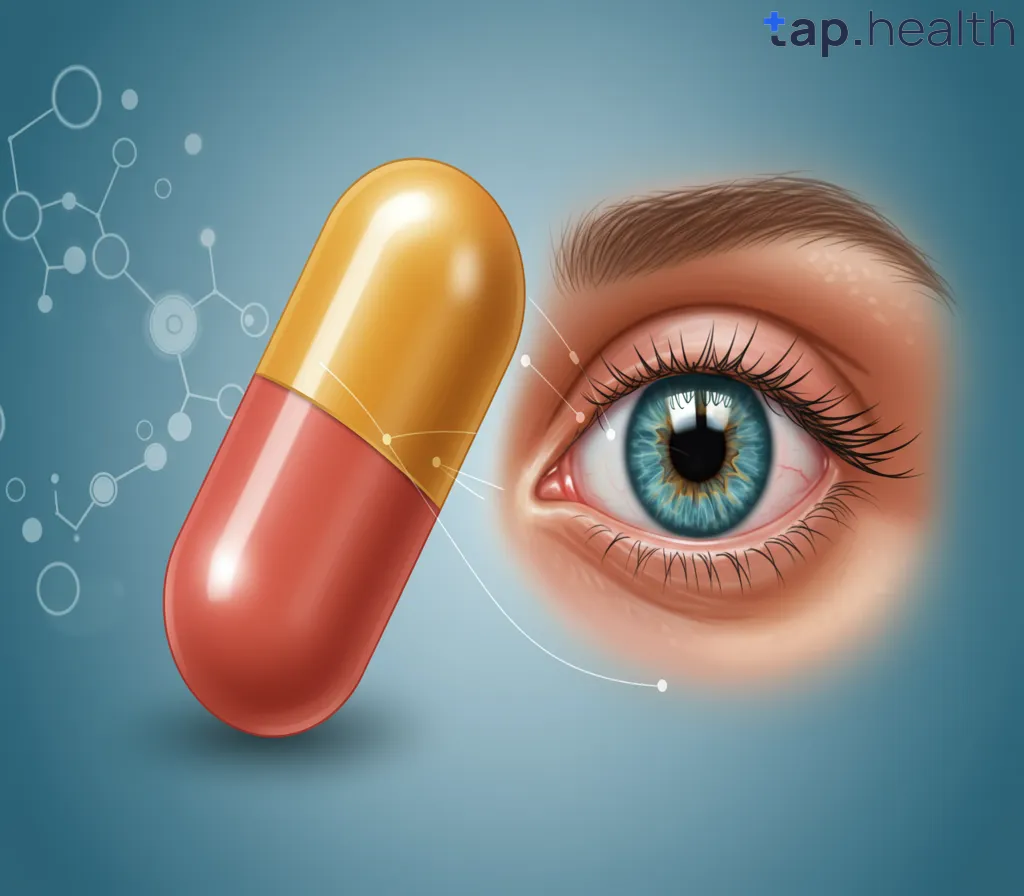
Eye twitching, also known as myokymia, is a common and often annoying condition where the muscles around the eye involuntarily contract or spasm. Though eye twitching is typically harmless, it can be distracting and bothersome. For many, understanding what causes this condition and what vitamins can help reduce it is crucial.
One of the most effective ways to alleviate eye twitching is by addressing the potential vitamin deficiencies that might contribute to the problem. In this blog, we will explore which vitamins can help with eye twitching, their benefits, and how to incorporate them into your diet.
What Causes Eye Twitching?
Before delving into the vitamins, it’s essential to understand the underlying causes of eye twitching. Although it can happen for several reasons, common triggers include:
- Fatigue and Stress: Lack of sleep or emotional stress can overburden the nervous system, leading to muscle spasms around the eyes.
- Caffeine Intake: Excessive consumption of caffeine can lead to overstimulation of the nervous system, causing eye twitching.
- Nutritional Deficiencies: Deficiencies in key vitamins and minerals like magnesium, Vitamin B12, and Vitamin D can result in muscle spasms.
- Eye Strain: Prolonged use of digital screens or exposure to bright lights can strain the eyes, triggering twitching.
- Dehydration: A lack of proper hydration can affect muscle function, potentially leading to spasms.
With a proper diet and a focus on specific vitamins, the frequency and severity of eye twitching can often be reduced or eliminated.
What Vitamin Helps with Eye Twitching?
Several vitamins play a vital role in maintaining nerve and muscle health, both of which are essential for preventing eye twitching. Let’s look at the top vitamins known to help with this condition:
1. Vitamin B12: The Nerve Health Vitamin
Vitamin B12, also known as cobalamin, is one of the most important vitamins for maintaining healthy nerves and preventing muscle spasms, including eye twitching. This vitamin plays a critical role in the production of red blood cells and the proper functioning of the nervous system.
How does Vitamin B12 help with eye twitching?
- Supports Nerve Health: Vitamin B12 helps repair and maintain the protective covering around nerve cells (myelin). Without enough B12, nerves can become damaged, leading to muscle spasms.
- Promotes Muscle Function: Adequate Vitamin B12 levels ensure that muscles, including those around the eyes, function correctly, preventing involuntary contractions.
- Reduces Stress: Stress is a known trigger for eye twitching, and B12 helps regulate the body’s stress response by supporting the production of serotonin, a hormone that promotes relaxation.
How to incorporate Vitamin B12 into your diet?
Foods rich in Vitamin B12 include:
- Meat (beef, chicken, turkey)
- Fish (salmon, tuna, sardines)
- Dairy products (milk, cheese, yogurt)
- Eggs
- Fortified cereals and plant-based milks
If you suspect a Vitamin B12 deficiency, consider consulting a healthcare provider about supplements.
2. Magnesium: The Muscle Relaxant
Magnesium is another essential nutrient that plays a significant role in muscle function and nerve transmission. It is known for its ability to relax muscles and prevent involuntary contractions, such as eye twitching.
How does magnesium help with eye twitching?
- Muscle Relaxation: Magnesium helps to relax the muscles by regulating calcium levels within muscle cells. An imbalance of calcium can cause muscles to contract uncontrollably.
- Reduces Stress and Tension: Magnesium is also known for its ability to reduce stress and anxiety, which are common triggers for eye twitching.
- Supports Nervous System Function: Magnesium plays a role in nerve function, helping to prevent nervous system overactivity, which can lead to spasms.
How to incorporate magnesium into your diet?
You can boost your magnesium intake through foods like:
- Leafy greens (spinach, kale)
- Nuts and seeds (almonds, pumpkin seeds)
- Whole grains (brown rice, oats)
- Beans and legumes (black beans, chickpeas)
- Bananas and avocados
If you struggle to get enough magnesium through food, consider magnesium supplements.
3. Vitamin D: The Sun Vitamin
Vitamin D, often referred to as the “sunshine vitamin,” is another important nutrient for preventing muscle spasms, including eye twitching. It plays a crucial role in calcium absorption, which is necessary for proper muscle contraction and relaxation.
How does Vitamin D help with eye twitching?
- Regulates Calcium Levels: Vitamin D helps regulate calcium in the blood and muscles, preventing spasms caused by calcium imbalance.
- Supports Muscle Function: Sufficient levels of Vitamin D ensure muscles remain flexible and less prone to spasms, including those around the eyes.
- Boosts Immune Health: Vitamin D supports immune function, helping the body handle stress and inflammation better, both of which can contribute to eye twitching.
How to incorporate Vitamin D into your diet?
You can get Vitamin D from:
- Sun exposure (15-30 minutes per day)
- Fatty fish (salmon, mackerel, sardines)
- Fortified foods (orange juice, dairy products)
- Egg yolks and liver
If you live in a region with limited sunlight, or if you’re at risk for Vitamin D deficiency, a supplement might be beneficial.
4. Vitamin B6: The Energy Booster
Vitamin B6, or pyridoxine, is essential for the production of neurotransmitters like serotonin and dopamine, which regulate mood and stress levels. Stress is a common trigger for eye twitching, and maintaining balanced neurotransmitters can help prevent spasms.
How does Vitamin B6 help with eye twitching?
- Promotes Proper Nerve Function: Vitamin B6 supports nerve health by aiding in the production of neurotransmitters, which are involved in nerve signaling and muscle contraction.
- Relieves Stress: Adequate B6 levels help regulate the body’s stress response, reducing the likelihood of muscle spasms caused by anxiety or tension.
- Prevents Deficiency: A deficiency in Vitamin B6 can lead to neurological issues, including muscle twitching.
How to incorporate Vitamin B6 into your diet?
Foods rich in Vitamin B6 include:
- Poultry (chicken, turkey)
- Fish (tuna, salmon)
- Potatoes and sweet potatoes
- Bananas and avocados
- Spinach and other leafy greens
5. Vitamin E: The Antioxidant Protector
Vitamin E is a fat-soluble antioxidant that helps protect the body from oxidative stress. Oxidative stress can damage the nerves and muscles, making them more prone to spasms. By protecting these systems, Vitamin E can help reduce eye twitching.
How does Vitamin E help with eye twitching?
- Protects Nerves from Damage: Vitamin E helps reduce oxidative damage to nerve cells, which can prevent conditions like eye twitching.
- Supports Circulation: Adequate Vitamin E levels improve blood flow, which is essential for the health of nerves and muscles around the eyes.
- Reduces Inflammation: Vitamin E helps reduce inflammation, which can alleviate stress and prevent spasms in the muscles.
How to incorporate Vitamin E into your diet?
You can find Vitamin E in:
- Nuts and seeds (almonds, sunflower seeds)
- Vegetable oils (sunflower oil, olive oil)
- Green leafy vegetables (spinach, broccoli)
- Fortified cereals and grains
Can Supplements Help with Eye Twitching?
While getting enough vitamins from your diet is ideal, supplements can also be helpful if you have a deficiency. For example, Vitamin B12, magnesium, and Vitamin D supplements can be particularly useful for individuals who struggle to get these nutrients from food sources alone.
However, it’s important to be cautious with supplements. Taking too much of certain vitamins, such as Vitamin B12 or magnesium, can lead to side effects. Always consult a healthcare provider before starting any new supplement regimen to ensure it’s safe and appropriate for your needs.
Other Tips for Preventing Eye Twitching
In addition to increasing your intake of specific vitamins, here are some general tips to help reduce or prevent eye twitching:
- Get Enough Rest: Fatigue can trigger eye twitching, so aim for 7-9 hours of quality sleep each night.
- Reduce Stress: Practice relaxation techniques such as deep breathing, meditation, or yoga to reduce stress levels.
- Limit Caffeine: Cut back on caffeine if you find that it triggers eye twitching.
- Stay Hydrated: Drink plenty of water throughout the day to keep your muscles and nerves functioning properly.
- Take Screen Breaks: If you spend a lot of time on digital devices, take regular breaks to reduce eye strain.
FAQ on What Vitamin Helps with Eye Twitching?
What causes eye twitching?
Eye twitching can be caused by several factors, including stress, fatigue, excessive caffeine consumption, eye strain, dehydration, and nutritional deficiencies.
Can Vitamin B12 help with eye twitching?
Yes, Vitamin B12 is essential for nerve health and muscle function. A deficiency in B12 can lead to nerve damage, which can trigger eye twitching.
How can magnesium help with eye twitching?
Magnesium helps to relax muscles and regulate nerve function. An adequate intake of magnesium can prevent the involuntary contractions that lead to eye twitching.
How long does it take for vitamins to stop eye twitching?
The time it takes for vitamins to alleviate eye twitching varies from person to person. With consistent supplementation and dietary changes, you may start seeing improvements within a few days to a couple of weeks.
Should I take supplements for eye twitching?
If you suspect a vitamin deficiency is causing your eye twitching, supplements may be helpful. However, it’s best to consult with a healthcare provider before taking any new supplements.
In conclusion, eye twitching can be a frustrating experience, but incorporating the right vitamins into your diet can help reduce and prevent it. Vitamins such as B12, magnesium, Vitamin D, B6, and Vitamin E are all essential for muscle and nerve health, and they can make a significant difference in reducing involuntary eye spasms. By addressing any vitamin deficiencies and adopting healthy lifestyle habits, you can enjoy fewer eye twitches and better overall eye health.