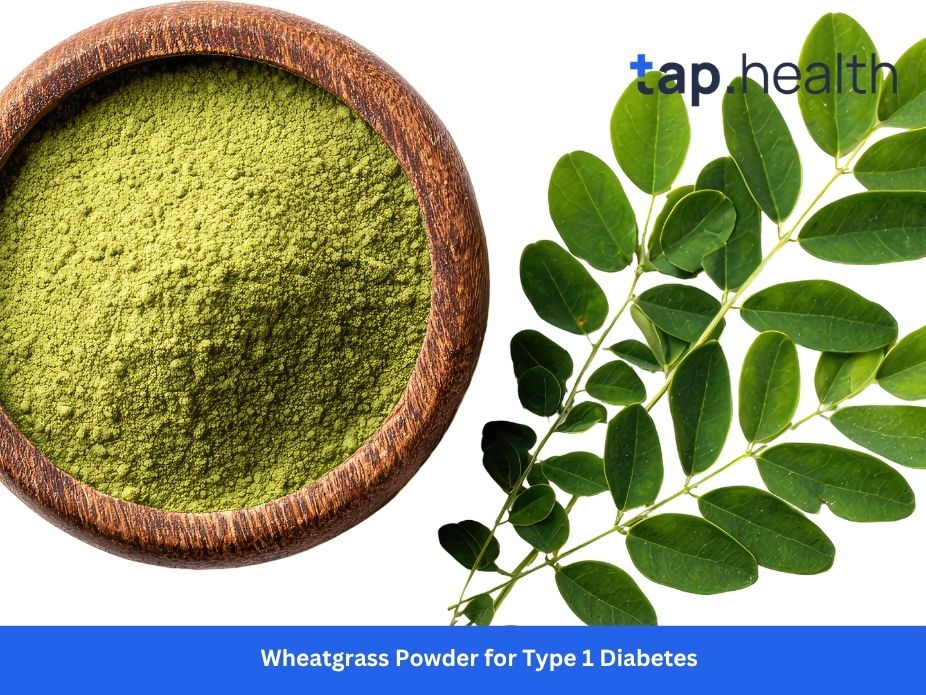
Living with type 1 diabetes is a constant balancing act. You are vigilant about your insulin, your meals, and your daily activities. So, when you hear about a vibrant green powder like wheatgrass being hailed as a “miracle food” for diabetes, it is natural to be curious. Could something as simple as a shot of this juice or a spoonful of this powder make a real difference? Could it help stabilise your blood sugar or reduce your insulin needs?
The world of natural health is full of bold claims, and it can be difficult to separate genuine hope from marketing hype. For someone managing a complex autoimmune condition like type 1 diabetes, the stakes are especially high.
This article is here to give you the honest, evidence-based answers you need. We will explore exactly what wheatgrass is, dive deep into what scientific research says (and does not say) about its effects, and clearly lay out the potential benefits and important risks. Our goal is to empower you with the knowledge to have a safe and informed conversation with your diabetes care team about whether wheatgrass powder has any place in your management plan.
What is Wheatgrass? Understanding This “Green Blood”
Before we discuss its effects on type 1 diabetes, let us first understand what wheatgrass actually is. Wheatgrass is the young, freshly sprouted grass of the common wheat plant, known scientifically as Triticum aestivum. You might hear it called by its Hindi names, “Gehun” or “Kanak”.
It is harvested at its nutritional peak, typically 6 to 10 days after germination, just before it develops into the mature wheat stalk we associate with grain. At this young stage, it is packed with a dense concentration of nutrients, which is why it is often called a “microgreen.”
This nutrient density is the primary reason for its reputation. Wheatgrass is a rich source of:
- Chlorophyll: The pigment that gives plants their green colour and allows them to convert sunlight into energy. It is a powerful antioxidant.
- Vitamins and Minerals: It is loaded with vitamins A, C, E, and K, as well as essential minerals like iron, magnesium, calcium, and potassium.
- Enzymes and Amino Acids: It contains numerous beneficial enzymes and is a source of several amino acids, which are the building blocks of protein.
- Bioactive Compounds: This includes flavonoids and phenolic compounds, which are known for their strong antioxidant and anti-inflammatory properties.
Because of this impressive nutritional profile, wheatgrass is often referred to as “green blood” due to the structural similarity between its chlorophyll and our own haemoglobin.
Powder vs. Juice: What is the Difference?
You will typically find wheatgrass in two main forms: fresh juice and dried powder.
- Wheatgrass Juice: This is the fresh liquid pressed directly from the blades of grass. It is often consumed as a “shot” and is prized for its freshness and live enzymes.
- Wheatgrass Powder: This is made by drying the young grass at low temperatures and grinding it into a fine powder. It is more convenient, has a longer shelf life, and can be easily mixed into water, smoothies, or sprinkled over food. The powder form is the main focus of this article, as it is the most common and accessible way people incorporate wheatgrass into their daily routine.
Wheatgrass and Type 1 Diabetes: What Does the Research Say?
This is the most critical section. When considering any new supplement, it is essential to look beyond the marketing and examine the scientific evidence. For wheatgrass and its effects on blood sugar, the research is promising but also has significant limitations that are crucial for people with type 1 diabetes to understand.
The Animal Studies: Evidence from Diabetic Rats
The vast majority of research on wheatgrass for diabetes has been conducted on animals, specifically rats. In these studies, scientists induce diabetes in rats using chemicals like alloxan or streptozotocin (STZ), which destroy the insulin-producing beta cells in the pancreas. This creates a model that, in some ways, mimics type 1 diabetes.
The findings from these animal studies have been very positive:
- Blood Sugar Reduction: Multiple studies have shown that wheatgrass extract can significantly lower blood glucose levels in diabetic rats. One study found that higher doses (100 and 200 mg/kg) of wheatgrass extract were more effective at reducing blood sugar than the standard diabetes drug Glibenclamide.
- Improved Insulin and Lipid Profile: Research has also indicated that wheatgrass can help restore levels of plasma glucose, insulin, and liver glycogen, and improve overall metabolic and lipid profiles.
- Beta-Cell Protection: Some of the most intriguing findings come from studies that looked at the pancreas itself. Researchers observed that the number of beta cells in the pancreatic islets increased in the group of diabetic rats receiving wheatgrass. This suggests a potential protective or even regenerative effect on the very cells destroyed in type 1 diabetes.
- Combating Oxidative Stress: Wheatgrass is a powerful antioxidant. Studies consistently show that it strengthens the body’s antioxidant defence system and reduces oxidative stress, a major contributor to diabetic complications.
The “Microgravity” Discovery
A particularly fascinating study from 2020 took this research one step further. Scientists compared the antidiabetic properties of wheatgrass germinated under normal gravity to wheatgrass germinated under simulated microgravity. The results were striking: the microgravity-grown wheatgrass showed a significantly greater reduction in serum glucose, HbA1c, and insulin resistance.
This research, while highly experimental, hints at the untapped potential of wheatgrass and how its therapeutic properties might be enhanced under different growing conditions. However, it is still a long way from being a practical therapy for humans.
The Critical Gap: No Clinical Trials for Type 1 Diabetes in Humans
Here is the most important piece of information you will read in this entire article: There are currently no robust, high-quality clinical trials that have specifically studied the effects of wheatgrass powder on blood sugar control in humans with type 1 diabetes.
This is the fundamental gap in our knowledge. While the animal studies are encouraging, they are not a substitute for human research. The metabolism of a rat is different from a human’s, and the chemically induced diabetes in these models is not a perfect replica of the complex autoimmune process that causes type 1 diabetes.
Reviews of the scientific literature consistently point out this “dearth of scientific evidence” for wheatgrass’s clinical effects and call for in-depth research studies to investigate its utility for human welfare. Therefore, any claims about wheatgrass “curing” or “reversing” type 1 diabetes in people are not supported by current scientific evidence.
Is Wheatgrass Good for the Pancreas and Insulin Sensitivity?
Despite the lack of direct human trials for type 1 diabetes, we can piece together a potential mechanism of action based on the available research. The evidence suggests that wheatgrass may be beneficial for overall metabolic health, which could have indirect positive effects.
The animal studies point to two primary actions:
- Protecting Beta Cells: The observation that wheatgrass increased the number of beta cells in diabetic rats is significant. This suggests that its potent cocktail of antioxidants and anti-inflammatory compounds may help protect the pancreas from further damage.
- Improving Insulin Sensitivity: Research has also shown that wheatgrass can reduce insulin resistance. While insulin resistance is a hallmark of type 2 diabetes, it is also a significant and often overlooked problem for many people with type 1 diabetes. Improving how your body responds to the insulin you inject can lead to more stable blood sugars and potentially lower daily insulin requirements.
By reducing systemic inflammation and oxidative stress, wheatgrass may create a more favourable internal environment for the cells of your body to use insulin more effectively.
Potential Benefits of Wheatgrass for People with Type 1 Diabetes
Based on its known properties and the existing research, here is a realistic look at what potential benefits a person with type 1 diabetes might experience by adding wheatgrass powder to a well-managed lifestyle. It is crucial to view these as supportive, not as a replacement for standard insulin therapy.
Powerful Antioxidant Protection
Type 1 diabetes is a state of chronic inflammation and increased oxidative stress. High blood sugar generates an excess of unstable molecules called “free radicals,” which can damage cells and tissues throughout the body, leading to long-term complications.
Wheatgrass is a nutritional powerhouse of antioxidants, including chlorophyll, flavonoids, and vitamins C and E. These compounds act like a clean-up crew, neutralising free radicals and reducing the overall burden of oxidative stress. The research “supported that wheatgrass protects against oxidative stress” and could be utilised to help ameliorate the damaging effects of diabetes. This is arguably the most well-supported and least controversial benefit of wheatgrass.
Supporting Healthy Blood Sugar and Lipid Levels
While it should not be used as a direct treatment, the research consistently shows that wheatgrass has hypoglycaemic (blood sugar-lowering) and hypocholesterolemic (cholesterol-lowering) properties.
Several studies have demonstrated that wheatgrass can effectively lower blood sugar, improve lipid profiles (by lowering “bad” LDL cholesterol and triglycerides and raising “good” HDL cholesterol), and support overall metabolic health in animal models. For someone with type 1 diabetes, this could translate to a small but meaningful improvement in overall metabolic control.
Digestive Health and Detoxification
Wheatgrass is rich in enzymes and chlorophyll, which may support healthy digestion and the body’s natural detoxification processes. While “detox” is a trendy word, in this context, it refers to the liver’s ability to process and eliminate toxins. A healthy digestive system is foundational for overall well-being, which in turn supports better diabetes management.
Is Wheatgrass Bad for You? Understanding the Side Effects and Risks
While wheatgrass is considered generally safe for most people when consumed in appropriate amounts, it is not without potential side effects and risks. It is vital to be aware of these, especially when managing a complex condition like type 1 diabetes.
Common Side Effects
The most commonly reported side effects of wheatgrass are mild and often related to the digestive system. These can include:
- Nausea: This is a frequent complaint, especially when first starting wheatgrass or taking it on an empty stomach.
- Constipation or Diarrhoea: The high fibre content can affect bowel movements.
- Loss of Appetite: Some users report a temporary decrease in appetite.
- Allergic Reactions: People with allergies to wheat or other grasses may experience allergic symptoms like a runny nose, hives, or difficulty breathing.
These side effects are usually temporary and subside as your body adjusts.
Who Should Avoid Wheatgrass? Important Contraindications
Certain groups of people should be especially cautious or avoid wheatgrass altogether:
- People with Celiac Disease or Wheat Allergy: Although the young grass itself is technically gluten-free, there is a high risk of cross-contamination during harvesting and processing. Therefore, individuals with celiac disease should only consume wheatgrass that is certified gluten-free and should always consult their doctor first. Those with a true wheat allergy should avoid it entirely.
- People on Blood-Thinning Medication (e.g., Warfarin): Wheatgrass is rich in vitamin K, which promotes blood clotting. This can interfere with the effectiveness of blood-thinning medications like warfarin.
- Pregnant and Breastfeeding Women: There is not enough reliable information to confirm the safety of wheatgrass during pregnancy or breastfeeding, so it is best to err on the side of caution and avoid it.
- People Who Are Immunocompromised: Because wheatgrass is often consumed raw (in juice form) or as a minimally processed powder, it can harbour bacteria that may be harmless to healthy individuals but could cause infection in those with weakened immune systems.
- People on Certain Cancer Treatments: Some experts caution that the high antioxidant content of greens powders like wheatgrass could potentially interfere with chemotherapy or radiation therapy.
The Heavy Metal Concern
Another important safety consideration is the risk of heavy metal contamination. Like any plant, wheatgrass absorbs minerals from the soil it is grown in. If the soil is contaminated with heavy metals like lead or arsenic, those toxins can end up in the final product. This is why it is crucial to choose wheatgrass powder from reputable brands that conduct third-party testing to ensure purity and safety.
How to Use Wheatgrass Powder: Dosage and Practical Tips
If you have discussed it with your healthcare provider and decided to try wheatgrass powder, it is important to use it safely and sensibly.
Recommended Dosage for Adults
There is no standardised medical dosage for wheatgrass powder. However, based on common usage and manufacturer recommendations, a good starting point is one teaspoon (about 2-3 grams) per day.
It is always wise to follow the “start low and go slow” principle. Begin with a very small dose (e.g., half a teaspoon) to see how your body reacts, and gradually increase to the recommended amount over the course of a week or two. This can help minimise potential digestive side effects.
Practical Ways to Consume Wheatgrass Powder
Wheatgrass powder has a strong, earthy, and slightly bitter taste that can take some getting used to. Here are the most popular ways to consume it:
- Mix with Water: The simplest method. Mix one teaspoon of powder into a glass of cold water. Consume it on an empty stomach for best results, as some sources suggest.
- Add to Smoothies: This is a great way to mask the taste. Blend the powder into a green smoothie with fruits like banana, apple, or pineapple.
- Mix with Juice: Stir it into a glass of cloudy apple juice or lemonade, which can help balance the bitter flavour.
- Sprinkle on Food: You can sprinkle the powder over salads, mix it into yoghurt, or even add it to salad dressings and dips like pesto.
When Should You Consume It?
The best time to take wheatgrass powder is a subject of some debate. Many proponents recommend taking it first thing in the morning on an empty stomach for maximum absorption. Others find that taking it with a meal helps prevent stomach upset. Listen to your body and find what works best for you.
The Crucial Warning: Wheatgrass is NOT a Substitute for Insulin
This is the single most important takeaway of this entire article and bears repeating. Wheatgrass powder, juice, or any other form of wheatgrass is NOT a replacement for insulin.
Insulin is a life-saving hormone that people with type 1 diabetes must take to survive. No amount of wheatgrass or any other natural supplement can replace this function. Discontinuing or reducing your insulin based on a false hope in a supplement could lead to diabetic ketoacidosis (DKA), a life-threatening medical emergency.
Wheatgrass should only ever be viewed as a potential adjunct—a supplementary addition—to a comprehensive diabetes management plan that is centred around appropriate insulin therapy, a healthy diet, and regular exercise.
Real-Life Scenario: Hope vs. Hype
To make this more relatable, let us consider a scenario that plays out for many people living with type 1 diabetes.
Meet Priya.
Priya is a 28-year-old from Bengaluru who has been managing type 1 diabetes for 15 years. She uses an insulin pump and works hard to keep her HbA1c in a good range. Despite her best efforts, she often feels tired and is frustrated by blood sugar swings. A friend from her yoga class enthusiastically tells her about wheatgrass powder, claiming it “cured” her neighbour’s diabetes.
Excited by the possibility, Priya goes to a health store and buys a jar of organic wheatgrass powder. She wonders: Could this be the missing piece of the puzzle?
How Priya Can Use Information from This Article:
- Understand the Evidence: Priya reads that the research on wheatgrass is based mostly on animal studies. While promising, there are no human trials proving it works for type 1 diabetes specifically.
- Identify Potential Benefits: She learns that as a potent antioxidant, wheatgrass may help her body better manage oxidative stress and inflammation, which could indirectly support her overall health and possibly her insulin sensitivity.
- Recognise the Non-Negotiable Rule: She sees the clear warning: Wheatgrass is not a substitute for insulin. She understands she cannot change her pump settings or reduce her insulin based on a supplement.
- Consult Her Doctor: Before opening the jar, Priya decides to do the responsible thing. She mentions it to her endocrinologist during her next appointment. Her doctor acknowledges it is a safe supplement to try in small amounts, as long as it is certified gluten-free and doesn’t interfere with her other medications. They agree she will try a small dose and monitor her blood sugar closely for any changes.
Priya adds a teaspoon of the powder to her morning smoothie. She does not expect a miracle cure but appreciates it as a healthy, nutrient-dense addition to her diet. She continues to rely on her insulin and her medical team for her primary care. This is the balanced, informed approach that protects her health while allowing her to explore supportive wellness options.
Expert Contribution
To provide a balanced clinical perspective, we can look to the consensus in the field. While no single quote captures all the nuances, the message from medical and research communities is clear and consistent.
Experts acknowledge the rich nutritional profile and the promising preclinical (animal) data showing that wheatgrass has antioxidant, anti-inflammatory, and antidiabetic properties. It is generally considered a safe food supplement for most healthy adults when consumed in recommended amounts.
However, experts universally caution that “there is a dearth of scientific evidence to back up wheatgrass’s possible pharmacological effects and clinical value” in humans. The existing human trials, mostly in areas like ulcerative colitis or chemotherapy side effects, have been small and have had methodological problems.
For type 1 diabetes, the advice is unequivocal: wheatgrass is not a proven treatment. It should never be used as a substitute for standard medical care, which for type 1 diabetes means insulin therapy. Its role, if any, is as a supportive, nutrient-dense food that might offer secondary benefits, but only when used safely and under a doctor’s guidance.
Recommendations Grounded in Proven Research and Facts
Based on a thorough review of the available evidence and safety data, here are clear, actionable recommendations for anyone with type 1 diabetes considering wheatgrass powder:
- Prioritise Your Core Treatment: The foundation of type 1 diabetes management is insulin therapy, glucose monitoring, and a balanced diet. Wheatgrass is not a replacement for any of these.
- Consult Your Doctor First: Always discuss any new supplement, including wheatgrass, with your diabetologist or healthcare provider before starting. They can help you weigh the potential benefits against any personal risks based on your medical history and medications.
- View It as a Food, Not a Drug: Approach wheatgrass powder as a nutrient-dense green food that can be a healthy addition to your diet, not as a medication that will cure or reverse your diabetes.
- Start Low and Go Slow: If you get the green light from your doctor, begin with a very small dose (e.g., half a teaspoon) and gradually increase it to the recommended amount. Monitor your body for any side effects and your blood sugar for any unexpected changes.
- Choose a Quality Product: To minimise the risk of contamination, purchase wheatgrass powder from reputable brands that are certified organic and conduct third-party testing for purity and heavy metals. If you have celiac disease, look for a “certified gluten-free” label.
- Maintain Realistic Expectations: Do not expect miracles. Any potential benefits from wheatgrass are likely to be subtle and supportive, such as improved antioxidant status or slightly better insulin sensitivity, not a dramatic drop in HbA1c or a reduction in insulin needs.
Key Takeaways
- What is Wheatgrass? It is the young grass of the wheat plant, rich in chlorophyll, vitamins, minerals, and antioxidants.
- The Research: Animal studies show promising antidiabetic effects, including lower blood sugar, improved insulin sensitivity, and beta-cell protection. However, there is a major lack of human clinical trials, especially for type 1 diabetes.
- Potential Benefits: As a potent antioxidant, wheatgrass may help combat oxidative stress and inflammation. It may also support healthy digestion and overall metabolic health.
- Side Effects and Risks: Common side effects are mild and digestive in nature. However, people with celiac disease, wheat allergies, those on blood thinners, pregnant women, and immunocompromised individuals should avoid it or use extreme caution.
- The Golden Rule: Wheatgrass is NOT a substitute for insulin. It is, at best, a supplementary food that should only be used under medical supervision as part of a comprehensive diabetes management plan.
- Safe Usage: Start with a small dose, consult your doctor, and choose a high-quality, tested product.
Frequently Asked Questions (FAQs) on Wheatgrass Powder for Type 1 Diabetes
Q1: Can diabetics take wheatgrass?
A: Yes, most people with diabetes can safely consume wheatgrass powder or juice as a dietary supplement, but only after consulting with their doctor. It is not a treatment for diabetes and should never replace insulin or other prescribed medications.
Q2: Who should not consume wheatgrass?
A: People with celiac disease (unless certified gluten-free), wheat allergies, those taking blood-thinning medications (like warfarin), pregnant or breastfeeding women, and immunocompromised individuals should avoid wheatgrass or use it only under strict medical supervision.
Q3: What is the miracle food for diabetes?
A: There is no single “miracle food” that cures diabetes. While nutrient-dense foods like wheatgrass can be a healthy part of a balanced diet, the “miracle” for managing type 1 diabetes is a combination of appropriate insulin therapy, regular glucose monitoring, a healthy diet, and exercise.
Q4: Is wheatgrass good for the pancreas?
A: Animal studies suggest that the powerful antioxidants in wheatgrass may help protect the insulin-producing beta cells in the pancreas from oxidative damage. Some studies even showed an increase in beta cells in diabetic rats, but this has not been proven in humans.
Q5: Does wheatgrass have any cancer warnings?
A: While wheatgrass is studied for its potential to help with cancer treatment side effects, some experts caution that its high antioxidant content could potentially interfere with chemotherapy or radiation therapy. Cancer patients should always consult their oncologist before taking wheatgrass.
Q6: How much wheatgrass powder should I take per day?
A: A common starting dose for adults is one teaspoon (about 2-3 grams) per day. It is best to start with a smaller amount and gradually increase to see how your body tolerates it.
Q7: Why is wheatgrass sometimes considered “bad” for you?
A: Wheatgrass is not inherently “bad,” but it can cause digestive side effects like nausea and constipation, trigger allergic reactions, interfere with certain medications, and carries a risk of contamination if not sourced from a reputable brand.
Q8: What are the top benefits of wheatgrass powder?
A: The primary well-researched benefits are its potent antioxidant and anti-inflammatory properties, which can support overall health. It is a rich source of vitamins, minerals, and chlorophyll, and may support healthy digestion and metabolism.
Q9: How do I use wheatgrass powder?
A: You can mix it into a glass of water or juice, blend it into a smoothie, or sprinkle it over food like yoghurt or salads. It is best consumed cold and can be taken on an empty stomach or with a meal.
Q10: Does wheatgrass help with insulin resistance?
A: Research, primarily in animal models, indicates that wheatgrass can help reduce insulin resistance. Since some people with type 1 diabetes also experience insulin resistance, this could be a potential benefit, though it has not been clinically proven in human trials.
References
- Shakya, G., et al. (2014). Hypoglycaemic role of wheatgrass and its effect on carbohydrate metabolic enzymes in type II diabetic rats. PubMed. Link
- Mohan, S., et al. (2021). Flavonoid-rich wheatgrass (Triticum aestivum L.) diet attenuates diabetes by modulating antioxidant genes in streptozotocin-induced diabetic rats. PubMed. Link
- WebMD. Wheatgrass: Overview, Uses, Side Effects, Precautions, Interactions, Dosing and Reviews. Link