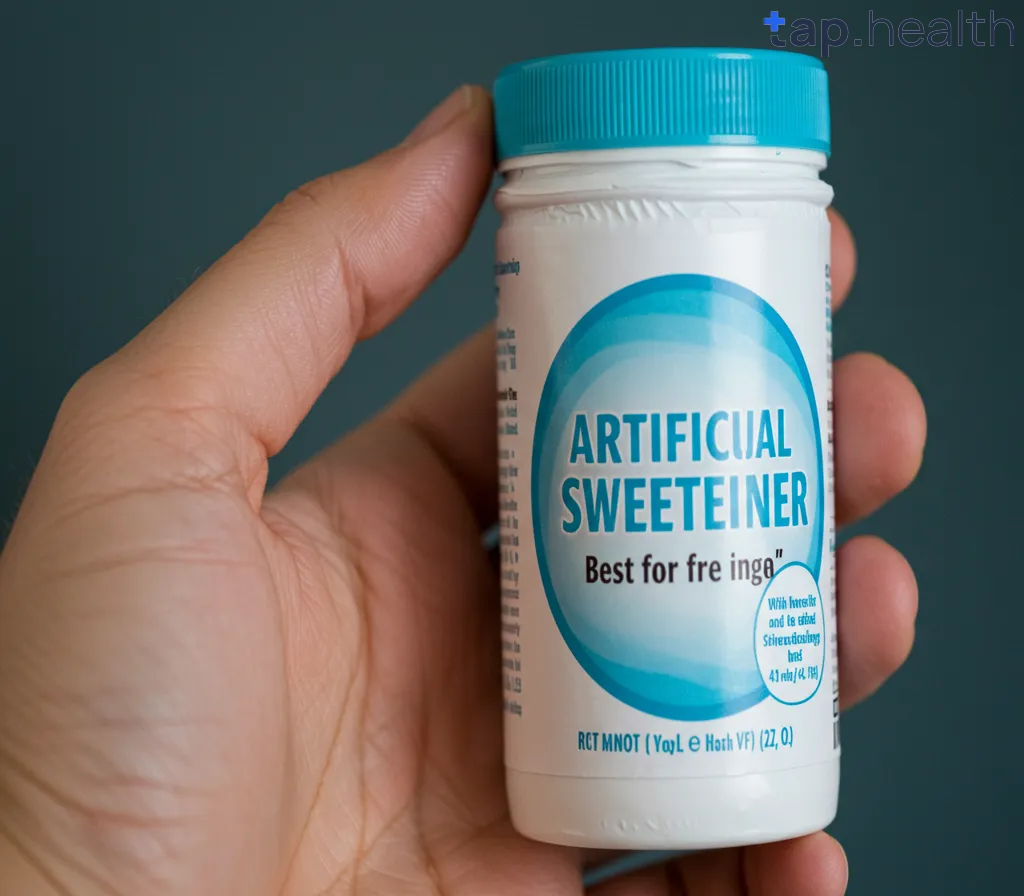
When living with diabetes, managing blood sugar levels is crucial, and food choices play a big role in that. One area where many diabetics make adjustments is in their sweetener choices. Traditional sugar can cause blood sugar spikes, which is why many turn to artificial sweeteners as a healthier alternative. But which artificial sweetener is the best for diabetics?
In this blog post, we’ll explore the different types of artificial sweeteners available, how they affect blood sugar levels, and which ones are the safest and most effective for diabetics.
What Are Artificial Sweeteners?
Artificial sweeteners are sugar substitutes that are used to provide sweetness to food and drinks without adding calories or raising blood sugar levels. These sweeteners can be much sweeter than regular sugar, so only a small amount is needed to achieve the desired level of sweetness.
For people with diabetes, artificial sweeteners can help satisfy the craving for something sweet while keeping blood glucose levels stable. However, not all artificial sweeteners are created equal, and some may be better suited for diabetics than others.
Types of Artificial Sweeteners for Diabetics
There are several types of artificial sweeteners, and each has unique properties. Let’s take a closer look at the most common ones and their impact on people with diabetes:
1. Aspartame
Aspartame is one of the most well-known and widely used artificial sweeteners. It’s used in a variety of products, from soft drinks to sugar-free gum and desserts. Aspartame is about 200 times sweeter than regular sugar, meaning only a small amount is needed to sweeten food and beverages.
Pros:
- Low calorie: Aspartame has almost no calories.
- Doesn’t raise blood sugar: Aspartame does not impact blood sugar levels significantly.
Cons:
- Sensitive to heat: Aspartame breaks down when exposed to heat, so it’s not ideal for cooking or baking.
- Not suitable for everyone: People with a rare genetic disorder called phenylketonuria (PKU) must avoid aspartame.
2. Sucralose (Splenda)
Sucralose, commonly known by the brand name Splenda, is another popular artificial sweetener. It’s about 600 times sweeter than regular sugar and can be used in cooking and baking without losing its sweetness.
Pros:
- Heat-stable: Sucralose can be used in cooking and baking without breaking down.
- No calories: Like aspartame, sucralose has virtually no calories.
- Doesn’t spike blood sugar: Studies show sucralose does not significantly raise blood glucose levels.
Cons:
- May affect gut health: Some research suggests that sucralose may alter the balance of gut bacteria, but the long-term effects are still unclear.
3. Stevia
Stevia is a natural, plant-derived sweetener made from the leaves of the Stevia rebaudiana plant. Unlike other artificial sweeteners, stevia is not chemically altered and is considered a natural sweetener. It’s 50 to 300 times sweeter than sugar, so only a small amount is needed to achieve sweetness.
Pros:
- No calories: Stevia has no calories and won’t affect blood sugar levels.
- Natural: Stevia is plant-based, making it a more natural option compared to synthetic sweeteners.
- Safe for diabetics: Studies show that stevia can help manage blood sugar levels.
Cons:
- Aftertaste: Some people find that stevia has a bitter aftertaste, which may not appeal to everyone.
- Less versatile in cooking: While stevia is heat-stable, the taste may change when used in some recipes.
4. Erythritol
Erythritol is a sugar alcohol that is naturally found in small amounts in fruits and vegetables. It’s about 60-80% as sweet as sugar and has virtually no calories.
Pros:
- Low glycemic index: Erythritol has almost no effect on blood sugar or insulin levels, making it a great choice for diabetics.
- No aftertaste: Unlike stevia, erythritol has no bitter aftertaste and is generally well-received in recipes.
- Gut-friendly: It is less likely to cause digestive discomfort compared to other sugar alcohols like sorbitol.
Cons:
- Can cause digestive issues: In larger amounts, erythritol can cause bloating or gas in some people, especially those with sensitive digestive systems.
5. Xylitol
Xylitol is another sugar alcohol that is about as sweet as regular sugar but with fewer calories. It’s commonly found in sugar-free gum, candies, and some baked goods.
Pros:
- Low glycemic index: Xylitol has a minimal impact on blood sugar levels.
- Dental health: Xylitol has been shown to reduce the growth of cavity-causing bacteria in the mouth, making it a good choice for dental health.
Cons:
- Laxative effect: In larger quantities, xylitol can cause digestive issues, including diarrhea or stomach cramps.
- Toxic to pets: Xylitol is extremely toxic to dogs, so it should be kept away from pets.
Which Artificial Sweetener is Best for Diabetics?
When choosing the best artificial sweetener for diabetes, the goal is to find one that:
- Has minimal impact on blood glucose levels.
- Is safe and suitable for long-term use.
- Has no or very few calories.
Based on these criteria, here’s a breakdown:
- Stevia: This is often considered the best choice for diabetics, as it is natural, safe, and has a minimal effect on blood sugar levels. It’s especially useful for those who want to avoid synthetic sweeteners.
- Erythritol: Another great choice, erythritol doesn’t affect blood sugar and has no calories. It’s also more gut-friendly compared to other sugar alcohols.
- Sucralose (Splenda): While not as natural as stevia or erythritol, sucralose is a solid option, especially for cooking and baking. It has no calories and doesn’t raise blood sugar significantly.
- Aspartame: Aspartame can be useful for diabetics but should be used carefully. It’s not suitable for cooking and should be avoided by those with PKU.
Ultimately, the best artificial sweetener depends on your personal preferences and dietary needs. For natural sweetness, stevia is a top choice, while erythritol offers a good balance of sweetness without digestive issues.
Tips for Using Artificial Sweeteners
- Use in moderation: While artificial sweeteners don’t raise blood sugar levels as much as regular sugar, consuming large amounts could cause digestive discomfort or other health issues.
- Read labels: Some products may contain multiple sweeteners or other additives that can affect your health, so always check the ingredients.
- Balance with a healthy diet: Sweeteners should be used as part of a balanced diet that includes plenty of whole foods, vegetables, lean proteins, and healthy fats.
FAQ About Artificial Sweeteners for Diabetics
1. Are artificial sweeteners safe for diabetics?
Yes, most artificial sweeteners are considered safe for diabetics when consumed in moderation. However, some individuals may prefer natural sweeteners like stevia or erythritol.
2. Do artificial sweeteners cause blood sugar spikes?
No, artificial sweeteners like stevia, erythritol, and sucralose have little to no impact on blood sugar levels.
3. Can artificial sweeteners help with weight loss for diabetics?
Yes, using artificial sweeteners in place of sugar can help reduce calorie intake, which may assist with weight management. However, it’s important to focus on a balanced, healthy diet.
4. Which artificial sweetener has the least side effects?
Erythritol and stevia are typically the easiest on the digestive system, while sucralose and aspartame may cause some issues for sensitive individuals.
Conclusion
Choosing the best artificial sweetener for diabetics comes down to individual preferences, health considerations, and how the sweetener affects your blood sugar. Stevia and erythritol stand out as some of the safest and most effective options for those managing diabetes. Whatever you choose, always remember to use sweeteners in moderation and maintain a balanced diet to manage blood sugar levels effectively.