Reflex actions are automatic, rapid responses to stimuli that protect the body and help us react quickly to the environment. Whether you’re pulling your hand away from something hot or blinking when something comes close to your eye, reflex actions happen without conscious thought. But have you ever wondered which part of the brain controls these reflexes?
In this article, we’ll dive deep into reflex actions, exploring how they work, which part of the brain controls them, and why they are essential for survival. We’ll also answer common questions about reflexes and their importance in everyday life. Let’s start by understanding the basics of reflex actions!
What Are Reflex Actions?
A reflex action is an involuntary and immediate response to a stimulus that helps protect the body from harm. Reflexes happen automatically, without needing to think about them, and are critical for survival. There are two main types of reflex actions:
1. Simple Reflexes
Simple reflexes involve a quick response to a stimulus, like pulling your hand away from a hot object. These responses are designed to protect the body from potential harm.
2. Conditioned Reflexes
Conditioned reflexes are learned responses to stimuli. For example, if a person has been conditioned to flinch when hearing a loud sound, that’s a learned reflex.
Reflex actions are fast and direct, allowing the body to react immediately to potentially dangerous situations, without the delay of conscious thought. This makes reflexes essential for maintaining our safety.
Which Part of the Brain Controls Reflex Actions?
Reflex actions are controlled by the spinal cord and certain areas of the brainstem, rather than the higher regions of the brain that control voluntary movements. These regions allow the body to react without the need for conscious thought, which is essential for immediate protection.
Let’s break it down:
1. Spinal Cord and Reflex Arc
The spinal cord plays a central role in reflex actions through a process known as the reflex arc. The reflex arc is a neural pathway that controls reflex actions. It consists of the following steps:
- Stimulus: A sensory receptor detects a change in the environment (e.g., touching something hot).
- Sensory Neuron: The sensory neuron sends the signal to the spinal cord.
- Interneuron: In the spinal cord, the signal is processed by interneurons, which then send a signal to the motor neuron.
- Motor Neuron: The motor neuron sends a signal to the muscle, causing an immediate response (e.g., pulling your hand away).
This process doesn’t involve the brain at all, which is why reflex actions are so fast.
2. Brainstem
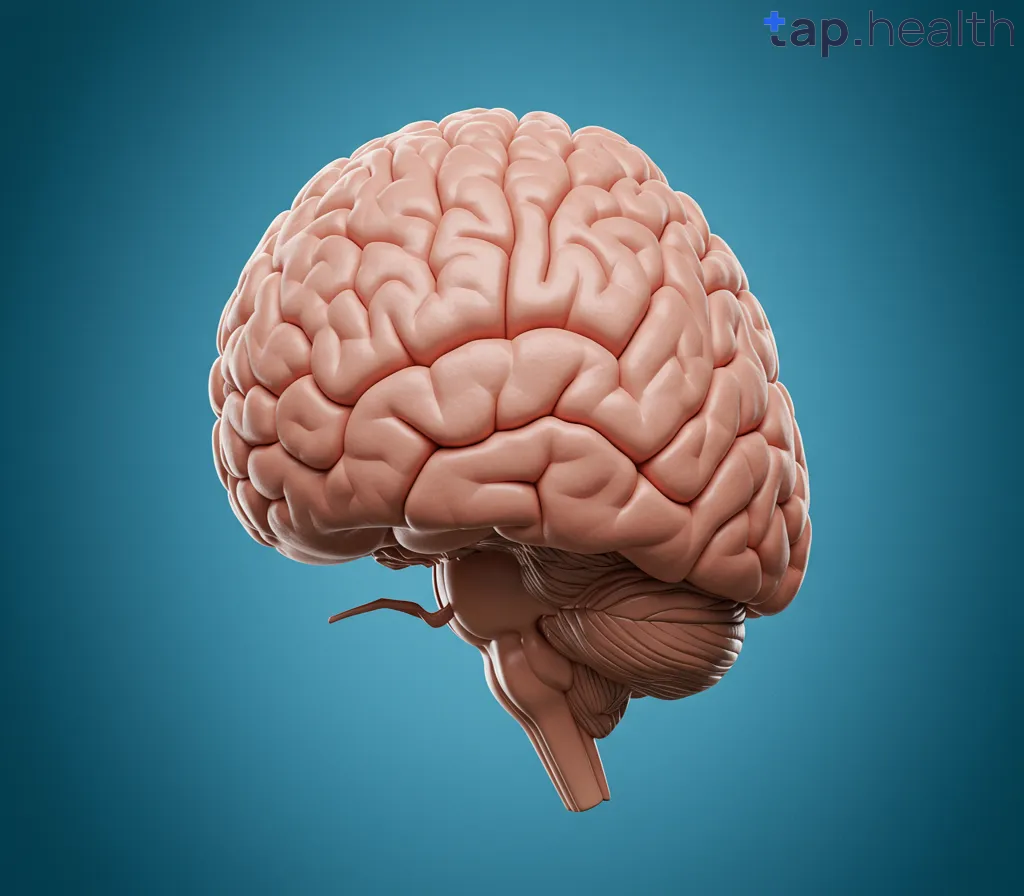
Although most reflexes are controlled by the spinal cord, the brainstem (which connects the brain to the spinal cord) also plays a significant role in some reflex actions, especially those that involve vital functions like breathing, heart rate, and swallowing.
The brainstem contains several areas responsible for controlling reflexes:
- Medulla Oblongata: This part of the brainstem regulates automatic functions, including respiratory reflexes (like sneezing and coughing) and cardiovascular reflexes (like regulating blood pressure).
- Pons: The pons is involved in controlling breathing reflexes.
- Midbrain: While the midbrain is more involved in sensory processing, it also plays a role in some reflexes related to visual and auditory stimuli.
The brainstem helps to regulate and coordinate reflex actions that are necessary for survival, particularly those that involve autonomic functions.
How Do Reflex Actions Work?
Reflex actions are part of the body’s autonomic nervous system, which controls involuntary functions. The process works as follows:
1. Detection of Stimuli
When a stimulus (such as touching a hot object) is detected, sensory receptors in the body (such as pain receptors in the skin) send an electrical signal through sensory neurons toward the spinal cord.
2. Transmission to the Spinal Cord
The signal travels through the sensory neurons to the spinal cord. Here, the reflex action is processed and sent directly to the motor neurons to produce a response.
3. Response from the Motor Neurons
The motor neurons then send the signal to the muscles, causing an immediate physical response, such as moving the hand away from the hot object.
4. The Role of the Brain
Although the brain is not directly involved in most reflex actions, it may become aware of the stimulus after the reflex has already occurred. For example, you may quickly pull your hand away from something hot, and only afterward does the brain register the pain. This allows the brain to process the experience and learn from it, which can influence future reflex actions.
Why Are Reflex Actions Important?
Reflex actions are vital for our survival and day-to-day functioning. Let’s explore why they are so important:
1. Protection from Harm
Reflex actions help protect the body from injury by enabling rapid reactions to harmful stimuli. For example, when you touch something hot, the immediate reflex of pulling your hand away prevents further harm to the skin.
2. Autonomic Functions
Some reflex actions are crucial for maintaining vital bodily functions. Reflexes like breathing, heartbeat regulation, and swallowing are automatically controlled by the brainstem, ensuring these processes occur continuously without requiring conscious thought.
3. Speed and Efficiency
Reflex actions are faster than voluntary responses because they bypass the brain’s processing centers. This means that the body can react more quickly to stimuli, which is crucial in emergency situations where a fast response can prevent injury or danger.
Which Reflexes Are Controlled by the Brainstem?
The brainstem controls several reflexes that involve essential bodily functions. These reflexes are often autonomic and necessary for maintaining homeostasis (the body’s internal balance). Some of these reflexes include:
1. Respiratory Reflexes
The brainstem controls the reflexes involved in breathing, including sneezing, coughing, and hiccupping. These reflexes help clear the airways or protect the respiratory system.
2. Cardiovascular Reflexes
The brainstem helps regulate blood pressure and heart rate through reflex actions. For example, if blood pressure drops too low, the brainstem activates reflexes to raise the heart rate and constrict blood vessels to restore normal pressure.
3. Swallowing Reflex
The brainstem controls the automatic process of swallowing, ensuring that food and liquids move from the mouth to the esophagus without conscious thought. This is essential for the proper functioning of the digestive system.
4. Pupillary Reflex
When exposed to bright light, the pupils automatically constrict to protect the eyes. The brainstem controls this reflex, which involves the optic nerve (detecting light) and the oculomotor nerve (controlling the pupil).
The Role of the Spinal Cord in Reflex Actions
The spinal cord is a critical pathway in the reflex arc, where signals from the body are transmitted to the brainstem or spinal cord for a response. Reflexes controlled by the spinal cord include:
1. Withdrawal Reflex
This is a protective reflex that occurs when you touch something painful, like a hot object. The sensory neurons send a signal to the spinal cord, which immediately sends a motor signal to withdraw the body part away from the source of pain.
2. Knee-Jerk Reflex
This is a simple reflex that occurs when a doctor taps the knee with a small hammer. The tap stretches the quadriceps muscle, and the spinal cord sends a signal to contract the muscle, causing the leg to kick.
3. Crossed-Extensor Reflex
This reflex helps maintain balance when one leg is withdrawn (such as stepping on a sharp object). The spinal cord sends signals to extend the other leg to help support the body’s weight.
Common Reflex-Related Conditions
Certain conditions can affect the function of reflexes and their control by the brain or spinal cord:
1. Spinal Cord Injury
Injury to the spinal cord can disrupt reflexes, especially those controlled by the spinal cord. For example, an injury to the lower spinal cord may impair the knee-jerk reflex or the withdrawal reflex.
2. Brainstem Damage
Damage to the brainstem can interfere with vital reflexes like breathing and heart rate regulation. This can lead to life-threatening conditions, as the brainstem controls autonomic functions necessary for survival.
3. Neuropathy
Damage to the nerves, such as in peripheral neuropathy, can affect reflexes by impairing the sensory or motor neurons involved in the reflex arc.
Frequently Asked Questions (FAQs) on Which Part of the Brain Controls Reflex Action?
1. Which Part of the Brain Controls Reflex Action?
Reflex actions are primarily controlled by the spinal cord and brainstem. The spinal cord controls most reflexes through the reflex arc, while the brainstem regulates reflexes for vital functions like breathing and heart rate.
2. What is the Role of the Spinal Cord in Reflex Actions?
The spinal cord is involved in most reflexes by serving as a pathway for sensory signals to reach the brain or spinal cord and send motor signals back to the muscles. It allows for quick, automatic responses to stimuli without involving the brain.
3. How Does the Brainstem Control Reflexes?
The brainstem controls reflexes related to essential functions like breathing, heartbeat, swallowing, and pupil constriction. It ensures that these vital actions occur automatically and without conscious thought.
4. Can Reflex Actions Be Voluntary?
While most reflex actions are involuntary, some reflexes can be conditioned or learned through experience. For example, athletes may develop quick reflexes as a result of training and practice.
5. What Happens If Reflexes Don’t Work Properly?
If reflexes are impaired due to injury or neurological disorders, it can lead to problems with balance, coordination, and essential body functions. Conditions like spinal cord injury, brainstem damage, or neuropathy can disrupt reflexes and require medical attention.
In conclusion, reflex actions are essential, automatic responses controlled by the spinal cord and brainstem. These brain regions allow the body to react rapidly to stimuli, often without the need for conscious thought, ensuring protection and the regulation of vital bodily functions. Reflexes play a crucial role in our survival, and understanding how they work helps us appreciate the complexity of our nervous system.