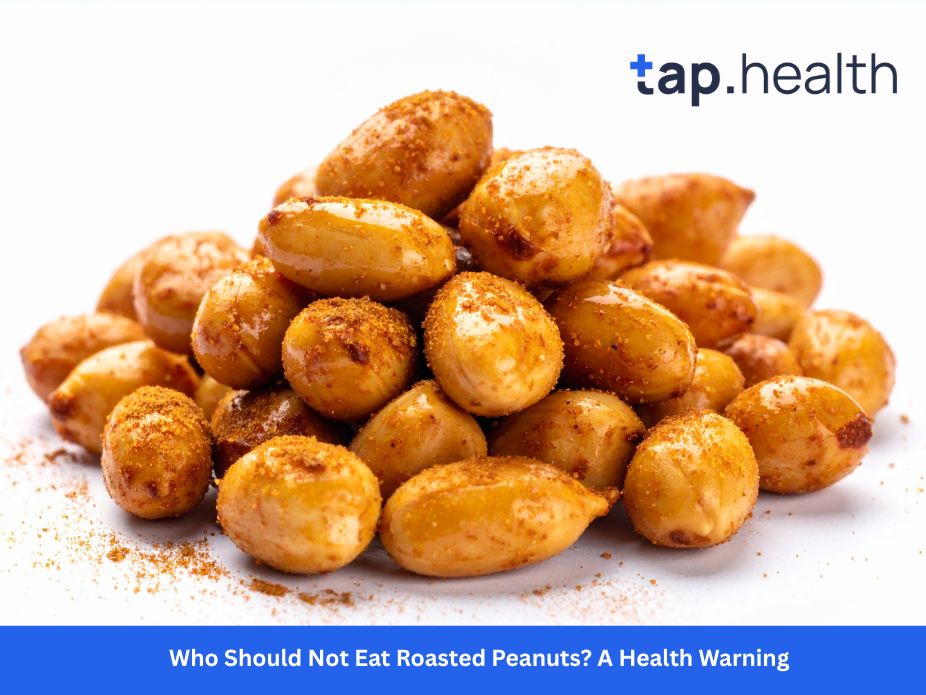
Walk down any street in India during winter, and the smell of roasting peanuts is irresistible. It is our favourite “timepass” snack. Whether it is a train journey, a movie night, or just an evening with chai, roasted peanuts (mungfali) are everywhere.
We know they are healthy—packed with protein, good fats, and vitamins. But in Ayurveda and modern medicine alike, “one man’s food is another man’s poison.”
While peanuts are a superfood for many, they can be harmful for specific people. The roasting process changes the chemical structure of the nut, making it harder to digest for some and inflammatory for others.
So, the critical question is: Who should not eat roasted peanuts?
In this detailed guide, written in simple Indian English, we will identify the 7 specific groups of people who need to step away from the peanut bowl. We will explain the science behind the risks—from aflatoxins to uric acid—and offer safer alternatives.
1. People with High Uric Acid (Gout)
If you suffer from joint pain or Gout, peanuts might be your enemy.
- The Reason: Peanuts are moderately high in Purines. When your body breaks down purines, it produces Uric Acid.
- The Risk: If your kidneys are already struggling to filter uric acid, eating roasted peanuts can trigger a painful Gout attack (swelling in the big toe or knees).
- The Verdict: Avoid them completely during a flare-up. In remission, limit to a few kernels, but never roasted in oil.
2. Those with Thyroid Issues (Hypothyroidism)
This is a controversial but important point for Indian women, who are prone to thyroid issues.
- The Reason: Peanuts contain Goitrogens. These are compounds that can interfere with the thyroid gland’s ability to absorb iodine.
- The Risk: For people with an underactive thyroid (Hypothyroidism), consuming large amounts of peanuts might suppress thyroid function further.
- The Verdict: You don’t have to ban them, but do not eat them raw. Roasting helps reduce goitrogens, but moderation is key. Do not make them a daily habit.
3. People with Chronic Acidity and Gastritis
Do you get heartburn or “seene mein jalan” easily?
- The Reason: Peanuts are heavy in fats and proteins. They are “Heat” (Garmi) producing in nature according to Ayurveda.
- The Risk: Roasting peanuts makes them even drier and harder to digest. This can delay stomach emptying, leading to severe acidity, bloating, and heaviness in the chest.
- The Verdict: If you have active gastritis or acid reflux (GERD), avoid roasted peanuts, especially in the evening.
4. Those with Frequent Skin Issues (Acne/Itching)
- The Reason: In Ayurveda, peanuts are considered Pitta-aggravating. They increase internal body heat and oiliness.
- The Risk: If you are prone to acne, boils, or skin rashes, the high fat content and heating nature of roasted peanuts can trigger a breakout.
- The Verdict: Switch to cooling nuts like soaked almonds or walnuts instead.
5. Kidney Stone Patients (Oxalate Stones)
This is a lesser-known risk.
- The Reason: Peanuts are high in Oxalates.
- The Risk: The most common type of kidney stone is the “Calcium-Oxalate” stone. If you have a history of stones, eating high-oxalate foods contributes to crystal formation in the kidneys.
- The Verdict: You should strictly limit peanuts.
6. People with Aflatoxin Sensitivity (Liver Health)
This is a serious concern with peanuts stored in humid conditions.
- The Reason: Peanuts are susceptible to a mold called Aspergillus, which produces a toxin called Aflatoxin.
- The Risk: Aflatoxin is toxic to the liver. While roasting kills the mold, it does not always destroy 100% of the toxin. People with weak livers (fatty liver or hepatitis) should be very careful about the quality of peanuts they eat.
- The Verdict: Only eat high-quality, fresh peanuts. Avoid any peanut that tastes slightly bitter or looks shrivelled.
7. The Allergy Group (The Most Dangerous)
This is the most obvious but critical group.
- The Reason: Peanut allergy is one of the most severe food allergies.
- The Risk: Even breathing in the dust of roasted peanuts can cause Anaphylaxis (throat swelling, difficulty breathing) in allergic individuals.
- The Verdict: If you or your child has ever had an itchy mouth or hives after eating a nut, never experiment with roasted peanuts.
Real-Life Scenario
Meet Rahul (35, IT Professional): Rahul loves “Salted Peanuts” with his evening drink. Recently, he started waking up with a stiff, painful big toe. He ignored it. The Diagnosis: His doctor diagnosed him with High Uric Acid. The Connection: The doctor explained that the combination of alcohol (which dehydrates) and salted roasted peanuts (high purine + high sodium) was the perfect recipe for a Gout attack. The Change: Rahul stopped the peanuts and switched to roasted fox nuts (Makhana). His joint pain subsided within weeks.
Expert Contribution
We consulted Dr. V. Hegde, an Ayurvedic Physician, to understand the traditional view.
“Peanuts are ‘Guru’ (heavy) and ‘Ushna’ (hot). We strictly forbid them for patients with ‘Pitta’ disorders—like acidity, rashes, or bleeding piles. Roasting makes them lighter but drier, which can aggravate ‘Vata’ (gas) if not chewed properly. If you must eat them, drink plenty of water, but never eat them if you have indigestion.”
Recommendations Grounded in Proven Research and Facts
According to the Arthritis Foundation and Thyroid Association:
- The “Soak” Trick: If you fall into the acidity or digestion group, try soaking raw peanuts overnight instead of eating them roasted. Soaking removes the heat and enzyme inhibitors, making them easier to digest.
- Oxalate Management: If you have kidney stones but love peanuts, drink a glass of lemon water with them. The citrate in lemon prevents oxalate stones from forming.
- Portion Control: Even for healthy people, the safe limit is one handful (30g). Exceeding this turns a medicine into a gastric irritant.
Read this : is roasted peanuts good for diabetes?
Key Takeaways
- Gout: Avoid due to purines.
- Thyroid: Limit due to goitrogens.
- Acidity: Avoid due to heavy digestion and heat.
- Kidney Stones: Avoid due to oxalates.
- Liver Issues: Be careful of mold/toxins.
- Allergy: Strict avoidance.
FAQ: Frequently Asked Questions
Can heart patients eat roasted peanuts?
Yes, in moderation. Unsalted roasted peanuts are actually good for the heart because they lower bad cholesterol. However, Salted roasted peanuts are bad for heart patients because the sodium raises blood pressure.
Does roasted peanut cause gas?
Yes, very often. Peanuts are legumes, not nuts. They contain compounds that are hard to break down. Roasting makes them dry, which can increase bloating and gas in people with sensitive stomachs.
Is roasted peanut good for weight loss?
Only in strictly controlled portions. They are high in protein which keeps you full. But they are also very calorie-dense (high fat). If you eat more than a handful, they will cause weight gain, not loss.
Can we eat roasted peanuts daily?
Healthy people can eat a small handful daily. However, if you have acidity, skin issues, or thyroid problems, daily consumption is not recommended. Rotate them with other nuts like almonds and walnuts.
Why do peanuts cause pimples?
According to Ayurveda, peanuts are “hot” (ushna). Eating them increases body heat and oil production in the skin, which can clog pores and lead to acne breakouts, especially in summer.
References
- Arthritis Foundation: Best and Worst Foods for Gout
- National Kidney Foundation: Oxalate Stones and Diet
- Mayo Clinic: Peanut Allergy Symptoms
- Thyroid.org: Goitrogens and Thyroid Health
- WebMD: Peanut Side Effects