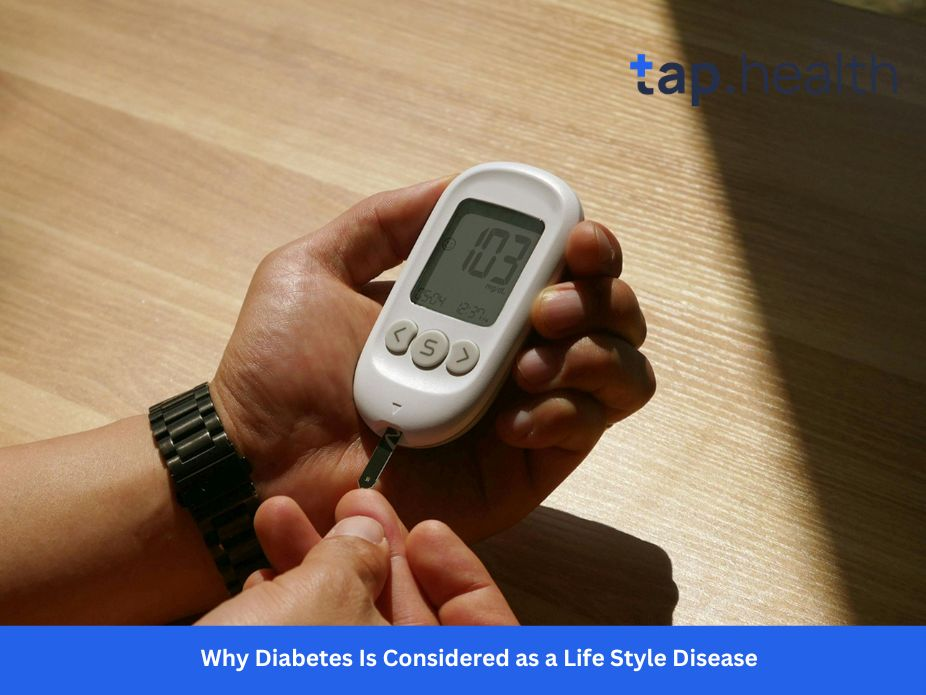
Diabetes is one of the most common health problems in the world today. Many people hear the word “diabetes” and immediately think of sugar, insulin, medicines, or lifelong treatment. But diabetes is not only about eating sweets. It is closely connected with the way we live, eat, sleep, work, move, and handle stress.
This is why many doctors and health experts call diabetes a lifestyle disease, especially when they talk about type 2 diabetes. A lifestyle disease is a health condition that is strongly linked to daily habits such as poor diet, lack of physical activity, excess body weight, smoking, alcohol use, stress, and irregular sleep.
According to the World Health Organization, diabetes is a chronic metabolic disease where blood glucose levels become too high, and over time it can damage the heart, blood vessels, eyes, kidneys, and nerves. Type 2 diabetes is the most common form and has increased dramatically across countries in recent decades.
So, why diabetes is considered as a life style disease? The simple answer is this: many cases of type 2 diabetes develop because modern lifestyle habits make the body resistant to insulin. When the body cannot use insulin properly, sugar stays in the blood instead of being used for energy.
However, it is also important to understand that not all diabetes is caused by lifestyle. Type 1 diabetes is an autoimmune condition, and gestational diabetes happens during pregnancy. Lifestyle plays the biggest role in type 2 diabetes.
What Is Diabetes?
Diabetes is a long-term health condition in which the body has trouble controlling blood sugar, also called blood glucose. Glucose comes mainly from the food we eat, especially carbohydrates such as rice, roti, bread, potatoes, fruits, sweets, and sugary drinks.
Normally, the body uses a hormone called insulin to move glucose from the blood into the cells. The cells then use this glucose for energy. Insulin is produced by the pancreas.
In diabetes, one of two things happens:
The body does not produce enough insulin.
Or the body cannot use insulin properly.
As a result, glucose remains in the bloodstream. When blood sugar stays high for a long time, it can slowly harm different parts of the body. Diabetes may increase the risk of heart disease, kidney disease, nerve damage, eye problems, foot ulcers, and other complications. WHO notes that diabetes can lead to serious damage over time, especially to the heart, blood vessels, eyes, kidneys, and nerves.
Why Diabetes Is Considered as a Life Style Disease
Diabetes is considered a lifestyle disease mainly because type 2 diabetes is strongly linked to unhealthy daily habits. These habits may not cause problems in one day, but over many years, they can affect body weight, insulin function, blood pressure, cholesterol, and metabolism.
Modern lifestyle has changed a lot. Many people sit for long hours, eat processed foods, sleep late, face constant stress, and do very little physical activity. These habits make the body more likely to develop insulin resistance.
Insulin resistance means the body has insulin, but the cells do not respond to it properly. To manage this, the pancreas makes more insulin. After some time, the pancreas may not be able to keep up, and blood sugar levels rise.
This is why type 2 diabetes is often called a lifestyle disease. It develops slowly and is influenced by daily choices. The NHS explains that type 2 diabetes happens when insulin does not work properly or the body does not make enough insulin, causing blood glucose to become too high.
Is Every Type of Diabetes a Lifestyle Disease?
No, every type of diabetes is not a lifestyle disease. This is an important point because many people wrongly blame all diabetes on eating habits or body weight.
Type 1 Diabetes
Type 1 diabetes is not considered a lifestyle disease. It is an autoimmune condition. In this condition, the immune system attacks the insulin-producing cells in the pancreas. Because of this, the body makes little or no insulin.
Type 1 diabetes usually starts in childhood, teenage years, or early adulthood, but it can happen at any age. It is not caused by eating too much sugar or not exercising.
Type 2 Diabetes
Type 2 diabetes is the type most commonly called a lifestyle disease. In this condition, the body either becomes resistant to insulin or does not make enough insulin to maintain normal blood sugar levels.
Lifestyle factors such as excess weight, unhealthy eating, physical inactivity, poor sleep, and stress can increase the risk. Mayo Clinic lists excess weight, waist size, inactivity, family history, age, prediabetes, and other health conditions as risk factors for type 2 diabetes.
Gestational Diabetes
Gestational diabetes happens during pregnancy. It may go away after delivery, but it increases the mother’s future risk of type 2 diabetes. Lifestyle, family history, body weight, and hormonal changes can all play a role.
The CDC notes that gestational diabetes may not show symptoms, so doctors usually test for it during pregnancy.
Which Diabetes Is Lifestyle Diabetes?
When people ask, “Which diabetes is life style?” they are usually talking about type 2 diabetes.
Type 2 diabetes is the form most strongly linked to lifestyle habits. It is also the most common type of diabetes. The CDC explains that diabetes is a long-lasting condition affecting how the body turns food into energy, and the three main types are type 1, type 2, and gestational diabetes.
Type 2 diabetes is often connected with:
Poor diet
Lack of exercise
Obesity or excess belly fat
Sedentary work
Stress
Poor sleep
Smoking
Excess alcohol intake
Family history
Ageing
This does not mean that a person with type 2 diabetes is “at fault”. Genetics, age, hormones, income, food access, work patterns, and environment also matter. But lifestyle changes can strongly help prevent, delay, or manage type 2 diabetes.
Main Lifestyle Causes of Diabetes
Diabetes mellitus causes can be different depending on the type. But in type 2 diabetes, lifestyle-related causes are very important.
Poor Eating Habits
One of the biggest lifestyle reasons for diabetes is unhealthy eating. Many people today eat more refined carbohydrates, fried foods, packaged snacks, sugary drinks, and fast food than before.
In India, common eating patterns may include large portions of white rice, refined flour products, sweets, biscuits, sugary tea, cold drinks, and deep-fried snacks. These foods can quickly raise blood sugar and also lead to weight gain when eaten frequently.
A poor diet does not mean eating one sweet during a festival. The real problem is regular overconsumption of high-calorie and low-nutrition foods.
Lack of Physical Activity
The human body is designed to move. But modern life has made people more inactive. Many people spend most of the day sitting at a desk, travelling by vehicle, watching screens, or using lifts instead of stairs.
When you move your body, your muscles use glucose for energy. Regular activity helps insulin work better. But when physical activity is low, glucose control becomes weaker.
The National Institute of Diabetes and Digestive and Kidney Diseases lists lack of physical activity and a sedentary lifestyle as risk factors for type 2 diabetes.
Excess Body Weight
Being overweight or obese is one of the strongest risk factors for type 2 diabetes. Extra body fat, especially around the belly, can make the body more resistant to insulin.
Belly fat is not just stored fat. It is metabolically active and can affect hormones and inflammation in the body. This can disturb insulin function.
This is why doctors often check waist size along with body weight. A person may not look very overweight but may still have high belly fat and insulin resistance.
High Stress Levels
Stress affects the body in many ways. When a person is stressed, the body releases hormones such as cortisol and adrenaline. These hormones can increase blood sugar levels.
Stress may also indirectly increase diabetes risk because it can lead to emotional eating, poor sleep, smoking, alcohol use, and lack of exercise.
For example, a person under work pressure may skip meals, eat late at night, drink too much tea or coffee, and sleep less. Over time, these habits affect metabolism.
Poor Sleep
Sleep is not just rest. It is part of good health. Poor sleep can affect hunger hormones, insulin sensitivity, weight, mood, and energy levels.
People who sleep late or sleep very little may feel more hungry, crave sugary foods, and avoid exercise due to tiredness. This can slowly increase the risk of weight gain and type 2 diabetes.
Smoking and Alcohol
Smoking can affect blood vessels and increase the risk of many health problems, including heart disease. In people with diabetes, smoking can make complications worse.
Excess alcohol can also disturb blood sugar control, increase calorie intake, affect the liver, and contribute to weight gain.
What Are the 4 Types of Diabetes?
Many people search for “what are the 4 types of diabetes”. In simple terms, the commonly discussed types are:
Type 1 Diabetes
Type 1 diabetes happens when the body cannot produce enough insulin because the immune system attacks the pancreas. It usually requires insulin treatment.
Type 2 Diabetes
Type 2 diabetes happens when the body becomes resistant to insulin or does not make enough insulin. It is the most common type and is strongly linked with lifestyle factors.
Gestational Diabetes
Gestational diabetes develops during pregnancy. It needs proper monitoring because it can affect both mother and baby.
Prediabetes
Prediabetes means blood sugar is higher than normal but not high enough to be called diabetes. This is a warning stage. With lifestyle changes, many people can prevent or delay type 2 diabetes.
What Are the 7 Types of Diabetes?
People also search for “what are the 7 types of diabetes”. Medically, diabetes can be classified in different ways. The main categories include:
Type 1 diabetes
Type 2 diabetes
Gestational diabetes
Prediabetes
MODY, or maturity-onset diabetes of the young
LADA, or latent autoimmune diabetes in adults
Secondary diabetes caused by other diseases, medicines, or pancreatic conditions
For most people, the most important types to understand are type 1, type 2, gestational diabetes, and prediabetes.
What Are 10 Warning Signs of Diabetes?
Diabetes may develop slowly, especially type 2 diabetes. Some people may not notice symptoms in the beginning. Mayo Clinic explains that symptoms depend on how high blood sugar is, and some people with prediabetes, gestational diabetes, or type 2 diabetes may not have symptoms.
Here are 10 warning signs of diabetes:
1. Frequent Urination
When blood sugar is high, the kidneys try to remove extra sugar through urine. This can make a person urinate more often, especially at night.
2. Excessive Thirst
Frequent urination can cause dehydration. This makes the person feel unusually thirsty.
3. Increased Hunger
Even when there is enough glucose in the blood, the cells may not get enough energy. This can make a person feel hungry again and again.
4. Unexplained Weight Loss
This is more common in type 1 diabetes but can also happen in type 2 diabetes. The body may start breaking down fat and muscle for energy.
5. Fatigue
When cells do not get enough glucose, the person may feel tired, weak, or low in energy.
6. Blurred Vision
High blood sugar can affect fluid levels in the eyes, causing blurred vision.
7. Slow Healing of Wounds
High sugar levels can affect blood circulation and immunity. Cuts, wounds, or infections may take longer to heal.
8. Frequent Infections
People with diabetes may get repeated skin, gum, urinary, or fungal infections.
9. Tingling or Numbness
High blood sugar can damage nerves over time. This may cause tingling, burning, or numbness in the hands or feet.
10. Dark Skin Patches
Some people develop dark, velvety skin patches, often around the neck, underarms, or groin. This may be linked to insulin resistance.
Why Type 2 Diabetes Is Increasing in India
India has seen a major rise in diabetes cases. One reason is the shift from physically active lifestyles to more sedentary lifestyles. Earlier, daily life included more walking, manual work, and home-cooked meals. Today, many people sit for long hours and eat more processed foods.
Urban lifestyle has also changed eating habits. Fast food, sugary drinks, late-night meals, and high stress have become common. At the same time, screen time has increased and sleep quality has reduced.
Another important factor is that many Indians may develop diabetes at a lower body weight compared to some other populations. Belly fat and insulin resistance are common concerns.
This is why lifestyle awareness is very important in India. Regular screening, healthy eating, and daily movement can make a big difference.
How Food Choices Affect Diabetes Risk
Food is not the only cause of diabetes, but it plays a very important role. The goal is not to stop eating carbohydrates completely. The goal is to choose better carbohydrates and balance them with protein, fibre, and healthy fats.
Foods That May Increase Risk When Eaten Too Often
White bread
Maida-based foods
Sugary drinks
Packaged juices
Sweets
Biscuits
Fried snacks
Fast food
Large portions of white rice
Processed foods
These foods are not harmful only because they contain sugar. Many of them are low in fibre and high in calories. They can raise blood sugar quickly and contribute to weight gain.
Foods That Support Better Blood Sugar Control
Whole grains
Dal and pulses
Vegetables
Fruits in controlled portions
Nuts and seeds
Curd
Eggs, paneer, fish, or lean protein
Millets
Brown rice or hand-pounded rice
High-fibre foods
A healthy plate should include vegetables, protein, fibre-rich carbs, and healthy fats. Portion control is just as important as food quality.
Can Diabetes Be Prevented?
Type 1 diabetes cannot currently be prevented through lifestyle changes. But type 2 diabetes can often be prevented or delayed, especially at the prediabetes stage.
Lifestyle changes can improve insulin sensitivity and help the body use glucose better. Even small changes can create powerful results over time.
Useful steps include:
Walking daily
Reducing sugary drinks
Eating more vegetables
Reducing belly fat
Sleeping properly
Managing stress
Avoiding smoking
Doing regular health check-ups
The aim is not perfection. The aim is consistency.
How to Cure Diabetes: Is It Possible?
Many people search for “how to cure diabetes”. The answer depends on the type of diabetes.
Type 1 diabetes does not have a permanent cure at present and usually needs lifelong insulin treatment.
Type 2 diabetes may not always be “cured” permanently, but it can often be controlled very well. In some people, type 2 diabetes can go into remission with weight loss, healthy eating, physical activity, and medical supervision.
Remission means blood sugar levels stay in a healthy range without diabetes medicines for some time. But this does not mean the person can return to unhealthy habits. Diabetes can come back if weight increases or lifestyle becomes poor again.
So instead of focusing only on the word “cure”, it is better to focus on control, reversal possibility, remission, and prevention of complications.
Is Diabetes a Lifetime Disease?
Diabetes is usually considered a chronic or long-term disease. This means it needs ongoing attention. But “lifetime disease” does not mean life is over or that a person cannot live normally.
Many people with diabetes live healthy, active, and successful lives. The key is regular monitoring, good diet, exercise, medicines if needed, and medical follow-up.
For type 2 diabetes, lifestyle changes may reduce medicine needs in some people. But stopping medicine without a doctor’s advice can be dangerous.
Can EBV Cause Type 1 Diabetes?
EBV stands for Epstein-Barr virus. Some research has explored whether viral infections may be linked to autoimmune diseases, including type 1 diabetes. However, type 1 diabetes is complex and usually involves a mix of genetic risk, immune system changes, and possible environmental triggers.
At present, EBV is not considered a simple direct cause of type 1 diabetes. It is better to say that infections may be studied as possible triggers in some autoimmune conditions, but type 1 diabetes cannot be explained by one virus alone.
Anyone concerned about type 1 diabetes symptoms should consult a doctor and get proper blood tests.
Diabetes and Insulin Resistance
Insulin resistance is one of the main reasons diabetes is considered a lifestyle disease. In simple words, insulin resistance means the body is not listening to insulin properly.
Imagine insulin as a key and body cells as locks. In a healthy body, insulin opens the cells so glucose can enter. In insulin resistance, the lock becomes stiff. The key is there, but it does not work well.
To solve this, the pancreas makes more insulin. For some time, this may keep blood sugar normal. But after years, the pancreas may become tired and blood sugar starts rising.
Lifestyle changes can help make the body more sensitive to insulin again.
Diabetes and Obesity
Obesity and diabetes are closely connected, but they are not the same thing. Not every overweight person has diabetes, and not every person with diabetes is overweight.
However, excess body fat, especially belly fat, increases the risk of type 2 diabetes. Belly fat can increase inflammation and disturb insulin function.
Weight loss, even a small amount, can improve blood sugar control in many people with type 2 diabetes or prediabetes.
Diabetes and Heart Disease
Diabetes does not affect only sugar levels. It can also increase the risk of heart disease and stroke. High blood sugar can damage blood vessels over time. Many people with diabetes also have high blood pressure, high cholesterol, or excess weight.
This is why diabetes care often includes checking blood pressure, cholesterol, kidney function, and eye health. WHO also notes that people with diabetes may need medicines to lower blood sugar, blood pressure, and cholesterol, along with screening for complications.
Diabetes and Kidney Problems
The kidneys filter waste from the blood. High blood sugar can damage the tiny blood vessels in the kidneys. Over time, this may lead to diabetic kidney disease.
Regular urine and blood tests can help detect kidney problems early. Good sugar control, blood pressure control, and healthy habits can reduce the risk.
Diabetes and Eye Problems
High blood sugar can damage the blood vessels in the retina, the light-sensitive part of the eye. This condition is called diabetic retinopathy.
In the early stage, it may not cause symptoms. That is why regular eye check-ups are important for people with diabetes.
Diabetes and Nerve Damage
Long-term high blood sugar can damage nerves. This is called diabetic neuropathy. It commonly affects the feet and legs.
Symptoms may include:
Tingling
Burning
Numbness
Pain
Loss of sensation
Because of reduced sensation, small cuts or wounds on the feet may go unnoticed. This can become serious if not treated early.
How Lifestyle Changes Help Manage Diabetes
Lifestyle changes are powerful because they target the root problem of type 2 diabetes: insulin resistance.
Regular Exercise
Exercise helps muscles use glucose. It also improves insulin sensitivity, supports weight control, improves mood, and protects heart health.
Good options include:
Brisk walking
Cycling
Swimming
Yoga
Strength training
Dancing
Stair climbing
Even a 30-minute walk daily can help. People who are inactive should start slowly and increase gradually.
Balanced Diet
A diabetes-friendly diet does not mean boring food. It means smarter choices.
A simple Indian plate can include:
Half plate vegetables
One quarter protein such as dal, paneer, egg, fish, chicken, or chana
One quarter carbs such as roti, brown rice, millet, or small portion of rice
Curd or salad on the side
The idea is to avoid large portions of only rice or roti without enough fibre and protein.
Weight Management
Weight loss is helpful for many people with type 2 diabetes, especially if they have belly fat. Crash dieting is not needed. Slow and steady weight loss is safer and more sustainable.
Better Sleep
A fixed sleep routine can help hormones and metabolism. Sleeping late every night, scrolling on the phone, or sleeping very little can worsen cravings and tiredness.
Stress Control
Stress management does not mean avoiding all problems. It means learning healthier ways to handle pressure.
Helpful habits include:
Deep breathing
Walking
Meditation
Prayer
Talking to someone
Taking breaks
Reducing screen overload
Myths and Facts About Diabetes
Myth 1: Diabetes Happens Only Because of Eating Sugar
Fact: Sugar can increase calorie intake and blood sugar, but diabetes has many causes. Weight, genetics, activity level, sleep, stress, and hormones also matter.
Myth 2: Thin People Cannot Get Diabetes
Fact: Thin people can also get diabetes, especially if they have belly fat, family history, poor diet, or low physical activity.
Myth 3: Diabetes Means You Can Never Eat Rice
Fact: People with diabetes can eat rice in controlled portions. Choosing smaller portions, adding dal, vegetables, protein, and fibre can help.
Myth 4: Diabetes Is Not Serious
Fact: Uncontrolled diabetes can damage the heart, kidneys, eyes, nerves, and feet. But with proper care, complications can often be prevented or delayed.
Myth 5: Once Sugar Is Normal, Medicine Can Be Stopped
Fact: Medicines should never be stopped without medical advice. Blood sugar may be normal because the medicine and lifestyle changes are working.
When Should You Test for Diabetes?
You should consider testing if you have symptoms such as frequent urination, excessive thirst, fatigue, blurred vision, slow wound healing, or unexplained weight loss.
Testing is also important if you have risk factors such as:
Family history of diabetes
Overweight or obesity
High blood pressure
PCOS
History of gestational diabetes
Sedentary lifestyle
Age above 35
High cholesterol
Prediabetes
Common tests include fasting blood sugar, post-meal blood sugar, HbA1c, and oral glucose tolerance test. A doctor can suggest the right test based on your condition.
How to Reduce the Risk of Lifestyle Diabetes
To reduce the risk of type 2 diabetes, focus on daily habits. You do not need to change everything overnight.
Start with small steps:
Walk for 20–30 minutes daily.
Reduce sugary drinks and packaged snacks.
Eat more vegetables and protein.
Control rice and roti portions.
Sleep on time.
Avoid smoking.
Reduce alcohol.
Check blood sugar regularly if you are at risk.
Maintain healthy body weight.
Small daily improvements are better than short-term extreme diets.
Key Takeaways: Why Diabetes Is Considered as a Life Style Disease
Diabetes is considered a lifestyle disease mainly because type 2 diabetes is strongly linked to daily habits such as unhealthy eating, lack of exercise, excess weight, stress, poor sleep, smoking, and alcohol use.
However, not all diabetes is lifestyle-related. Type 1 diabetes is an autoimmune condition, and gestational diabetes occurs during pregnancy. The lifestyle connection is strongest in type 2 diabetes.
The good news is that lifestyle changes can help prevent, delay, and manage type 2 diabetes. A balanced diet, regular exercise, weight control, good sleep, stress management, and regular health check-ups can make a major difference.
So, when we ask why diabetes is considered as a life style disease, the answer is clear: because our everyday choices directly affect insulin resistance, body weight, blood sugar control, and long-term metabolic health.
FAQs
Why is diabetes considered a lifestyle disease?
Diabetes is considered a lifestyle disease because type 2 diabetes is strongly linked to habits such as poor diet, lack of exercise, obesity, stress, and poor sleep. These habits can cause insulin resistance and high blood sugar over time.
Which diabetes is life style?
Type 2 diabetes is most commonly known as lifestyle diabetes. It is closely linked to daily habits, body weight, physical activity, and diet. Type 1 diabetes is not considered a lifestyle disease.
Is diabetes a lifetime disease?
Diabetes is usually a long-term condition that needs regular care. Type 1 diabetes generally needs lifelong insulin. Type 2 diabetes can often be controlled well, and in some cases may go into remission with major lifestyle changes and medical guidance.
What are 10 warning signs of diabetes?
Common warning signs include frequent urination, excessive thirst, increased hunger, fatigue, blurred vision, slow wound healing, frequent infections, unexplained weight loss, tingling in hands or feet, and dark skin patches.
What are the 4 types of diabetes?
The commonly discussed four types are type 1 diabetes, type 2 diabetes, gestational diabetes, and prediabetes. Type 2 diabetes is the most common and most lifestyle-related type.
What causes diabetes mellitus?
Diabetes mellitus may be caused by insulin resistance, lack of insulin production, autoimmune problems, pregnancy-related hormonal changes, genetics, obesity, inactivity, and other medical conditions. The exact cause depends on the type of diabetes.
Can diabetes be cured permanently?
Type 1 diabetes does not have a permanent cure at present. Type 2 diabetes may go into remission in some people through weight loss, healthy diet, exercise, and medical care, but it needs lifelong attention.
Can EBV cause type 1 diabetes?
EBV is not considered a direct proven cause of type 1 diabetes. Some studies explore viral infections as possible triggers in autoimmune conditions, but type 1 diabetes usually develops due to a mix of immune, genetic, and environmental factors.