tap.health logo
  • Diabetes Management
  • Health Assistant
  • About Us
  • Blog
  • Contact Us
Get Plan
  • Diabetes Management
  • Health Assistant
  • About Us
  • Blog
  • Contact Us
  • All Blogs
  • Diabetes
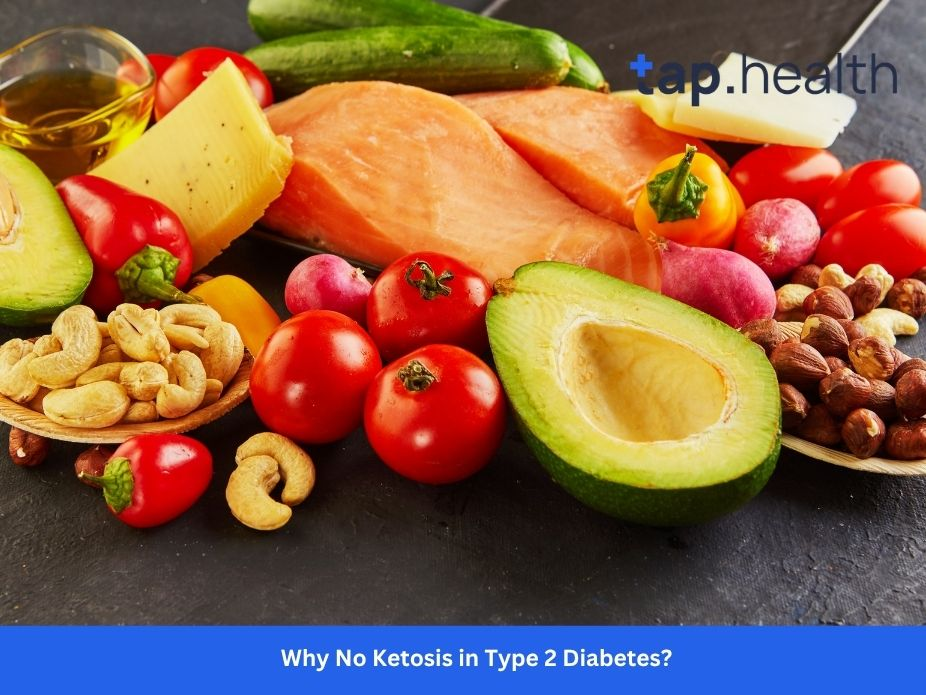
  • Why No Ketosis in Type 2 Diabetes? Understanding the Science Behind Your Blood Sugar

Why No Ketosis in Type 2 Diabetes? Understanding the Science Behind Your Blood Sugar

Diabetes
April 10, 2026
• 10 min read
Isha Yadav
Written by
Isha Yadav
Shalu Raghav
Reviewed by:
Shalu Raghav
ChatGPT Perplexity WhatsApp LinkedIn X Grok Google AI
Why No Ketosis in Type 2 Diabetes

If you have been reading up on diabetes, you have probably come across the word “ketones.” You might have read terrifying stories about a condition called Diabetic Ketoacidosis (DKA), a serious medical emergency where the blood turns dangerously acidic.

But as you dig deeper, you might notice a confusing pattern. DKA is almost always associated with type 1 diabetes. When it comes to type 2 diabetes, doctors rarely seem to worry about it. This leads many patients to ask a very specific and important question: why no ketosis in type 2 diabetes?

Adding to the confusion is the modern diet industry. Many people want to try the “keto diet” to lose weight, but they wonder if it is safe or even possible to achieve a state of fat-burning ketosis when they have type 2 diabetes.

In this comprehensive guide, we will break down the science of how your body uses sugar and fat. We will explain exactly why people with type 2 diabetes usually do not develop dangerous levels of ketones, when exceptions to this rule occur, and how to safely manage your diet and blood sugar.

Let us dive into the fascinating mechanics of your metabolism, keeping things simple, clear, and easy to understand.

Short Answer: Why Does Type 2 Diabetes Usually Prevent Ketosis?

To put it simply, people with type 2 diabetes still produce their own insulin. Even if your body is resistant to it, or you don’t produce enough for perfect blood sugar control, your pancreas is still releasing some insulin into your bloodstream.

This small amount of insulin acts as a powerful “brake.” It sends a strict signal to your liver to stop breaking down massive amounts of fat. Because massive fat breakdown is what creates ketones, the presence of even a tiny bit of insulin prevents your body from producing dangerous levels of ketones.

In contrast, people with type 1 diabetes produce zero insulin. Without that brake, their bodies break down fat uncontrollably, leading to an emergency flood of ketones.

The Role of Insulin: The Master Switch for Ketosis

To truly understand why no ketosis in type 2 diabetes happens, we need to look at what insulin actually does in your body.

Most people know that insulin acts like a key. It unlocks your cells so that glucose (sugar) from your food can enter and be used for energy. But insulin has a second, equally important job. It is the master regulator of fat storage.

When insulin is present in your blood, it tells your fat cells to hold onto their stored fat. It explicitly blocks a process called lipolysis, which is the medical term for fat breakdown.

Absolute vs. Relative Insulin Deficiency

Here is where the two types of diabetes differ completely.

Type 1 diabetes involves an absolute insulin deficiency. The immune system has destroyed the insulin-producing beta cells in the pancreas. Without insulin, the body thinks it is starving, even if there is plenty of sugar in the blood. In a panic, it rapidly burns fat for survival energy, creating highly acidic byproducts called ketones.

Type 2 diabetes involves a relative insulin deficiency. Your body produces insulin, but your cells are stubborn and ignore it (insulin resistance). Your pancreas works overtime, pumping out extra insulin to force the sugar into the cells. Because your blood is full of this circulating insulin, the fat cells get a loud and clear message: “Do not break down fat.” Therefore, ketone production remains firmly switched off.

Diabetic Ketoacidosis (DKA): Type 1 vs. Type 2

When discussing ketones, we must distinguish between normal fat burning and a medical crisis.

What is DKA?

Diabetic Ketoacidosis (DKA) happens when ketones build up so quickly that your blood literally becomes acidic. This is a life-threatening emergency. It causes severe dehydration, vomiting, confusion, and can lead to a diabetic coma.

Why DKA is Rare in Type 2 Diabetes

When we look at diabetic ketoacidosis type 1 or 2, the statistics heavily skew toward type 1. Because people with type 2 diabetes have that “insulin brake” actively working in their system, their ketone levels rarely reach the toxic threshold required to trigger DKA.

However, “rare” does not mean “impossible.” While a typical type 2 diabetic won’t spontaneously develop DKA from missing a meal, extreme physical stress can sometimes override the insulin brake.

Can Type 2 Diabetics Get Ketosis at All?

Yes, they can. But we need to separate dangerous ketosis (DKA) from nutritional ketosis.

Nutritional Ketosis vs. Diabetic Ketoacidosis

Nutritional ketosis is a mild, safe state of fat-burning. It happens when you intentionally restrict carbohydrates (like on the Keto diet). Your body produces a small, manageable amount of ketones for energy. Your blood pH remains perfectly normal.

DKA is uncontrolled, massive ketone production due to zero insulin.

A person with type 2 diabetes can absolutely achieve nutritional ketosis by changing their diet. In fact, many people use low-carb diets to successfully manage their blood sugar and lose weight.

How Long Does It Take a Type 2 Diabetic to Get Into Ketosis?

If you are starting a low-carb or keto diet, you might wonder about the timeline. How long does it take a type 2 diabetic to get into ketosis? For a person without diabetes, cutting carbs usually leads to nutritional ketosis within 2 to 4 days. For someone with type 2 diabetes, it can take a bit longer—often 4 to 7 days, or sometimes up to two weeks.

This delay happens because people with type 2 diabetes often have high levels of circulating insulin due to insulin resistance. Because high insulin blocks fat burning, it takes a few days of strict low-carb eating for insulin levels to drop low enough to allow the liver to start making ketones.

Is Ketosis Safe for Type 2 Diabetes?

The question of whether is ketosis safe for type 2 diabetes is highly debated, but generally, the answer is yes—with medical supervision.

Nutritional ketosis can be highly beneficial. When you eat very few carbohydrates, your blood sugar levels naturally drop. This reduces your need for insulin and can help reverse insulin resistance. Many type 2 diabetics have successfully put their condition into remission using ketogenic diets.

However, safety depends heavily on your medications. If you take insulin injections or medications that force your pancreas to release more insulin (like sulfonylureas), going into ketosis can cause your blood sugar to drop dangerously low (hypoglycaemia). You must consult your doctor to adjust your medications before attempting a keto diet.

Ketosis-Prone Type 2 Diabetes (Flatbush Diabetes)

In medicine, there are always exceptions to the rule. While type 2 diabetes usually protects against DKA, there is a specific sub-type of the disease that behaves differently.

It is called ketosis-prone type 2 diabetes, sometimes referred to as Flatbush diabetes.

This condition is most commonly seen in overweight individuals of African, Hispanic, or South Asian descent. Patients with this variant often present at the hospital with classic DKA, looking exactly like a type 1 diabetic in crisis.

However, after they are treated with insulin and their blood sugar stabilises, their pancreas suddenly “wakes up” and starts producing insulin again. They can often stop taking insulin injections and manage their diabetes with standard type 2 medications and diet. The exact reason why their insulin production temporarily shuts off and causes DKA is still being researched by scientists.

When Does DKA Happen in Type 2 Diabetes? (Exceptions to the Rule)

If you have standard type 2 diabetes, you might wonder if you are entirely safe from DKA. While DKA in type 2 diabetes is uncommon, certain severe triggers can cause it.

Severe Infections and Stress

When you get a severe illness—like pneumonia, a severe urinary tract infection, or a heart attack—your body releases massive amounts of stress hormones like adrenaline and cortisol.

These stress hormones actively fight against insulin. If the stress is severe enough, these hormones completely overwhelm the small amount of insulin your type 2 body is producing. The “insulin brake” snaps, and your body begins producing dangerous ketones, leading to DKA.

SGLT2 Inhibitors (Euglycemic DKA)

This is a very important, modern cause of DKA in type 2 patients. SGLT2 inhibitors (medicines ending in “-flozin,” like Dapagliflozin or Empagliflozin) are highly popular diabetes drugs. They work by forcing your kidneys to flush excess sugar out through your urine.

While excellent for your heart and blood sugar, these drugs can sometimes trigger a rare condition called “Euglycemic DKA.” This means you go into diabetic ketoacidosis even though your blood sugar levels look perfectly normal. If you take these medications and feel nauseous, extremely thirsty, or confused, you must seek medical help immediately, even if your glucometer shows a normal reading.

DKA in Type 2 Diabetes: Symptoms, Treatment, and Recovery

If the rare event of DKA occurs, knowing the signs can save your life.

DKA Symptoms Type 2

The symptoms of DKA are similar regardless of the type of diabetes you have. They include:

  • Extreme, unquenchable thirst
  • Frequent urination
  • Nausea and severe vomiting
  • Abdominal pain
  • Deep, rapid breathing
  • Breath that smells fruity or like nail polish remover
  • Confusion or extreme fatigue

Can You Die From Diabetic Ketoacidosis?

Yes, you can. Can you die from diabetic ketoacidosis? If left untreated, the high acidity in the blood causes the organs to shut down, leading to a coma and eventually death. It is a critical medical emergency that requires immediate hospitalisation.

DKA in Type 2 Diabetes Treatment

Treatment for DKA always happens in a hospital, usually in an intensive care unit (ICU). The treatment involves three main steps:

  1. Fluid Replacement: Intravenous (IV) fluids are given to reverse severe dehydration and dilute the excess sugar in the blood.
  2. Electrolyte Replacement: DKA severely depletes potassium and other vital minerals, which must be carefully replaced through an IV to keep the heart beating normally.
  3. Insulin Therapy: Continuous IV insulin is administered to finally stop the fat breakdown and halt ketone production.

How Long Does It Take to Recover From Diabetic Ketoacidosis?

Patients and families often ask, how long does it take to recover from diabetic ketoacidosis? The acute crisis is usually resolved within 24 to 48 hours in the hospital, provided treatment is given promptly. However, feeling completely “back to normal” can take several weeks. Your body has endured a massive metabolic trauma. You will likely feel exhausted and weak as your cells replenish their energy stores and your electrolytes fully balance out.

The 3-Hour Rule in Diabetes: Managing Blood Sugar Effectively

To prevent metabolic crises and keep your blood sugar stable, many dietitians recommend structured eating habits. One popular method is the 3-hour rule in diabetes.

What exactly is it? The 3-hour rule suggests that you should eat a small, balanced meal or healthy snack every three to four hours during the day.

For people with type 2 diabetes, waiting too long between meals can cause blood sugar to drop. This often leads to extreme hunger, causing you to overeat at your next meal and creating a massive blood sugar spike. By eating smaller amounts every three hours, you provide a slow, steady stream of energy. This prevents sudden insulin spikes, keeps your metabolism active, and helps manage your weight effectively.

Real-Life Scenario

Let us look at the story of Ravi, a 52-year-old bank manager from Chennai. Ravi had been managing his type 2 diabetes for eight years using Metformin and a moderate diet.

Recently, Ravi decided he wanted to lose his belly fat. He read about the keto diet online and decided to cut out all rice, rotis, and fruits overnight. After four days, he used a urine ketone strip and panicked when it turned light pink, indicating trace ketones. He immediately called his doctor, terrified he was going into DKA.

His doctor calmed him down and explained the principle of why no ketosis in type 2 diabetes typically turns into an emergency. The doctor clarified that Ravi was in mild, nutritional ketosis, which is safe and expected on a low-carb diet. Because Ravi was not on insulin or SGLT2 inhibitors, his body’s natural insulin was acting as a safety brake, preventing the ketones from reaching dangerous DKA levels. With his doctor’s blessing, Ravi continued his diet safely, eventually losing 8 kilograms and lowering his HbA1c significantly.

Expert Contribution

To provide deeper clinical insight, we spoke with Dr. Anjali Menon, a leading endocrinologist specialising in metabolic disorders.

“The confusion surrounding ketones is one of the most common issues I see in my clinic,” says Dr. Menon. “Patients read frightening articles about ketoacidosis and assume any fat-burning is dangerous. I have to explain the concept of the ‘insulin brake.’ As long as your pancreas works even a little bit, you have a built-in safety mechanism.”

She adds a vital warning: “However, the landscape is changing. With the rise of SGLT2 inhibitors—which are fantastic drugs for heart and kidney protection—we are seeing more cases of euglycemic DKA in type 2 patients. I explicitly warn my patients on these medications: if you get a severe stomach bug, stop the medication temporarily and drink plenty of fluids. Never assume you are immune to DKA just because you have type 2 diabetes.”

Recommendations Grounded in Proven Research and Facts

Managing type 2 diabetes safely requires an evidence-based approach. Based on guidelines from the World Health Organization (WHO) and the American Diabetes Association (ADA), here are the best practices:

  • Understand Your Meds: Know exactly what your diabetes medications do. If you are on an SGLT2 inhibitor, educate yourself on the symptoms of euglycemic DKA.
  • Consult Before Dieting: Never start a strict ketogenic or very low-carbohydrate diet without consulting your healthcare provider, especially if you take medications that lower blood sugar.
  • Stay Hydrated: Dehydration is a massive trigger for metabolic stress. Drink plenty of water throughout the day, particularly during hot Indian summers.
  • Follow Sick-Day Rules: If you get a fever, infection, or vomiting bug, monitor your blood sugar frequently. Contact your doctor immediately if you cannot keep fluids down.
  • Embrace Routine: Practices like the 3-hour rule can help stabilise your daily blood sugar, preventing the extreme highs and lows that exhaust your pancreas.

Conclusion and Key Takeaways

The human body is a highly intelligent, complex machine. When asking why no ketosis in type 2 diabetes, the answer lies in the persistent presence of insulin, which acts as a protective barrier against massive fat breakdown.

Here are the key takeaways to remember:

  • Type 2 diabetics still produce some insulin, which usually prevents the massive ketone production seen in Diabetic Ketoacidosis (DKA).
  • Nutritional ketosis (from a low-carb diet) is entirely different from DKA and can be safe and beneficial for type 2 diabetics under medical supervision.
  • DKA in type 2 diabetes is rare but can happen during severe illness, massive physical stress, or as a side effect of certain medications like SGLT2 inhibitors.
  • Ketosis-prone type 2 diabetes is a unique variant where patients present with DKA but can later manage the disease without insulin.
  • Knowing the symptoms of DKA—like fruity breath, extreme thirst, and vomiting—is crucial, even if you have type 2 diabetes.

Understanding your metabolism empowers you to make smarter, safer choices for your health. Always work closely with your medical team before making drastic changes to your diet or medication routine.


Frequently Asked Questions on Why No Ketosis in Type 2 Diabetes?

Why do type 2 diabetics rarely develop ketoacidosis?

Type 2 diabetics still produce their own insulin. Even though their bodies are resistant to it, the presence of this insulin in the bloodstream acts as a strong signal to the fat cells, stopping them from breaking down fat uncontrollably. This “insulin brake” prevents the massive buildup of acidic ketones that causes ketoacidosis.

Can type 2 diabetics get ketosis?

Yes, they can achieve nutritional ketosis by following a strict low-carbohydrate or keto diet. This is a safe, mild state of fat-burning. However, because of insulin resistance, it may take a type 2 diabetic a few days longer to enter nutritional ketosis compared to someone without diabetes.

What is the 3-hour rule in diabetes?

The 3-hour rule is a dietary guideline suggesting you eat a small, balanced meal or snack every three to four hours. This practice helps prevent extreme blood sugar spikes and crashes, keeps hunger at bay, and provides a steady stream of energy throughout the day.

Is ketosis safe for type 2 diabetes?

Nutritional ketosis is generally safe and can be highly beneficial for weight loss and blood sugar control in type 2 diabetes. However, it is only safe if done under medical supervision, as diabetes medications (like insulin or sulfonylureas) must be adjusted to prevent dangerously low blood sugar (hypoglycaemia).

How long does it take a type 2 diabetic to get into ketosis?

While a person without diabetes might enter ketosis in 2 to 4 days on a strict low-carb diet, it often takes a type 2 diabetic 4 to 7 days, or sometimes up to two weeks. High levels of circulating insulin in type 2 patients delay the liver’s ability to switch over to fat-burning mode.


References

  • American Diabetes Association (ADA): Diabetic Ketoacidosis (DKA). Available at: https://diabetes.org/
  • Mayo Clinic: Diabetic ketoacidosis – Symptoms and causes. Available at: https://www.mayoclinic.org/diseases-conditions/diabetic-ketoacidosis/symptoms-causes/syc-20371551
  • National Health Service (NHS): Diabetic ketoacidosis. Available at: https://www.nhs.uk/conditions/diabetic-ketoacidosis/
  • Harvard Health Publishing: The truth about the keto diet. Available at: https://www.health.harvard.edu/
  • World Health Organization (WHO): Diabetes fact sheet. Available at: https://www.who.int/news-room/fact-sheets/detail/diabetes
Tags
diabetes prevention foot health diabetes and sleep fasting blood sugar diabetes misconceptions diabetes medicine safety diabetic neuropathy symptoms diabetic foot ulcer warning signs can diabetics eat mango diabetes itching urinary infection diabetes diabetes slow wound healing metformin side effects diabetes numbness in hands banana for diabetes dates blood sugar jaggery for diabetes is poha good for diabetes guava blood sugar India diabetes pregnancy blood sugar targets diabetes medicine India blood sugar vs blood pressure LADA diabetes symptoms ED in diabetic men how to store insulin cataract surgery diabetes diabetes cholesterol levels Ramadan diabetes medicine timing walking after meals diabetes flu vaccine diabetes diabetes food cravings whey protein diabetes diabetes thirst fluids skipping breakfast diabetes diabetes and blurred vision breathlessness diabetes diabetes nausea causes dry mouth high blood sugar diabetes and shoulder pain diabetes and palpitations diabetes symptoms and tests diabetes and hand tremors causes A1C gestational diabetes poor sleep blood sugar HbA1c diabetes symptoms in women diabetes medicines diabetes nerve damage diabetes and blood pressure mango and diabetes dark patches diabetes diabetes stomach problems diabetes wounds metformin safety diabetes tingling hands banana blood sugar papaya for diabetes is jaggery good for diabetes poha blood sugar orange for diabetes sugar spike after rice postpartum diabetes risk type 1 vs type 2 diabetes diabetes vs high cholesterol latent autoimmune diabetes in adults diabetes and menopause insulin storage at home diabetes and muscle loss diabetes triglycerides diabetes and shift work diabetes and smoking GLP-1 diabetes medicines sugar cravings diabetes protein powder kidney diabetes diabetes diarrhoea vomiting diabetes breakfast skipping diabetic eye symptoms high sugar breathing problems diabetes and vomiting diabetes mouth symptoms diabetes frozen shoulder racing heart low sugar diabetes and tingling feet diabetes and appetite loss Medicine blood sugar pregnancy diabetes sleep and diabetes diabetes in India women diabetes signs diabetes treatment advice tingling feet diabetes high blood pressure diabetes mango sugar diabetes walking after meals for diabetes diabetic gastroparesis diabetic wound care diabetes ketoacidosis warning signs diabetic neuropathy hands coconut water and diabetes is papaya good for diabetes gur for diabetes sprouts for diabetes can diabetics eat oranges Indian diet diabetes diabetes after pregnancy type 1 and type 2 diabetes difference lipid profile diabetes diabetes vs MODY menopause blood sugar insulin fridge temperature diabetes muscle weakness diabetes and high blood pressure night shift diabetes smoking diabetes risk GLP-1 weight loss diabetes diabetes hunger cravings CGM skin irritation diabetes diabetes sick day vomiting morning sugar skipping breakfast diabetes and sweating diabetes and shaking vomiting with diabetes diabetes and itchy skin shoulder stiffness diabetes heart pounding diabetes diabetes and tingling feet causes diabetes and appetite loss causes Health fasting glucose blood sugar pregnancy diabetes and stress diabetes risk factors India diabetes risk women Indian diabetic diet chart diabetes eye disease diabetes heart kidney risk diabetes reversal vs remission post meal walk diabetes diabetes bloating nausea diabetes yeast infection DKA symptoms fasting with diabetes coconut water for diabetes papaya blood sugar watermelon for diabetes are sprouts good for diabetes orange blood sugar glucose spike symptoms gestational diabetes India difference between type 1 and type 2 diabetes diabetes vs neuropathy MODY diabetes symptoms type 2 diabetes menopause glucometer errors sarcopenia diabetes diabetes hypertension diabetes meal timing shift work diabetes quit smoking semaglutide diabetes diabetes and fever CGM sensor rash diabetes loose motions late dinner diabetes sweating low blood sugar tremors low blood sugar diabetes and cold feet itching high blood sugar diabetes and loss of appetite diabetes and muscle weakness diabetes and sweaty feet diabetes and burning feet Lifestyle A1C test low blood sugar stress blood sugar diabetes prevention India diabetes symptoms in men diabetic meal plan diabetic eye test borderline HbA1c diabetes remission walking lowers blood sugar diabetes sick day rules diabetes fungal infection ketones diabetes diabetes fasting safety can diabetics drink coconut water oats for diabetes can diabetics eat watermelon sprouts blood sugar brown bread for diabetes post meal blood sugar continuous glucose monitor India diabetes vs diabetes insipidus diabetes vs heart disease maturity onset diabetes of the young diabetes and frozen shoulder wrong blood sugar reading diabetes and anaemia BP in diabetes diabetes and vitamin D diabetes neuropathy pain relief diabetes and migraine best shoes for diabetic feet diabetes adhesive allergy CGM diabetes and kidney stones diabetes dinner timing diabetes and leg cramps shaky feeling diabetes cold feet diabetes diabetes fungal itching loss appetite diabetes weakness high blood sugar diabetes and sweaty feet causes diabetes and burning feet causes Home remedies diabetes diet hypoglycemia cortisol diabetes best fruits for diabetes men diabetes signs HbA1c test high protein breakfast for diabetes HbA1c 5.7 to 6.4 reverse type 2 diabetes diabetes grocery list India diabetes during illness diabetes vaginal itching diabetes blurry vision can diabetics fast curd for diabetes oatmeal diabetes watermelon blood sugar methi seeds for diabetes bread for diabetes insulin resistance symptoms CGM cost India diabetes mellitus vs diabetes insipidus diabetes heart disease risk continuous glucose monitor diabetes frozen shoulder diabetes reactive hypoglycaemia anaemia diabetes HbA1c diabetes and liver enzymes vitamin D deficiency diabetes diabetic neuropathy burning feet diabetes headache triggers diabetic socks foot ulcer prevention diabetes monsoon care kidney stones diabetes night sugar late dinner leg cramps diabetes diabetes and periods diabetes poor circulation feet diabetes and swollen ankles diabetes not feeling hungry diabetes leg weakness diabetes and neck pain diabetes and slow digestion Fitness balanced meals diabetes safety diabetes eye care diabetes fruits diabetes risk men HbA1c normal range diabetes breakfast India prediabetes HbA1c diabetes plate method diabetic food list India blood sugar fever infection diabetes night sweats high blood sugar blurry vision insulin injection sites is curd good for diabetes are oats good for diabetes apple for diabetes fenugreek for diabetes whole wheat bread diabetes diabetes blood pressure time in range diabetes insipidus symptoms diabetes and heart attack CGM diabetes diabetic shoulder pain low blood sugar after eating low haemoglobin diabetes high SGPT diabetes vitamin D insulin resistance diabetes gastroparesis blood sugar migraine diabetes and driving diabetes rainy season foot infection diabetes urine pain diabetes medicine timing diabetes muscle cramps periods affect blood sugar hair loss diabetes ankle swelling diabetes diabetes and restless legs diabetes and memory problems diabetes and neck pain causes diabetes and slow digestion causes Prevention healthy eating diabetes heart health diabetic retinopathy fruit and blood sugar type 1 diabetes how to lower HbA1c diabetic breakfast ideas post-meal blood sugar Indian diabetes plate foods for diabetes shopping diabetes and alcohol low blood sugar at night diabetes excessive thirst insulin site rotation diabetes curd milk for diabetes can diabetics eat apple methi diabetes avocado for diabetes diabetes heart risk glucometer accuracy diabetes vs metabolic syndrome gestational diabetes vs type 2 diabetes continuous glucose monitoring metformin vitamin B12 deficiency postprandial hypoglycaemia diabetes and uric acid SGOT SGPT diabetes diabetes and magnesium diabetic gastroparesis symptoms diabetes and thyroid medication driving with diabetes monsoon diabetes tips diabetes foot nail care diabetes medicine before or after food diabetes and frequent infections menstrual cycle diabetes diabetes hair fall causes diabetes leg swelling causes restless leg syndrome diabetes diabetes brain fog diabetes and chest pain Hygiene why diabetes is considered as a lifestyle disease blood pressure diabetes eye test rice and diabetes type 1 diabetes symptoms fasting sugar normal range PCOS and diabetes blood sugar after food diabetes portion control diabetes kidney tests alcohol blood sugar diabetes diabetes sweating at night diabetes dry mouth insulin lumps tea and coffee in diabetes can diabetics drink milk apple blood sugar cinnamon for diabetes is avocado good for diabetes ABC diabetes diabetes technology metabolic syndrome and diabetes pregnancy diabetes and type 2 diabetes steroid induced diabetes metformin B12 symptoms type 3c diabetes high uric acid diabetes diabetes and dental health magnesium deficiency diabetes delayed stomach emptying diabetes levothyroxine diabetes low blood sugar driving diabetes and antibiotics diabetic nail cutting missed diabetes medicine dose recurrent infections diabetes time in range diabetes diabetes wounds not healing diabetes and headache diabetes leg discomfort night memory loss blood sugar diabetes and chest pain causes Ailments lifestyle diabetes cholesterol diabetes kidney care can diabetics eat rice insulin diabetes high fasting blood sugar PCOS insulin resistance postprandial glucose low glycaemic index foods for diabetes urine albumin diabetes can diabetics drink alcohol diabetes headache frequent urination diabetes diabetes weight gain coffee diabetes best milk for diabetes eggs for diabetes cinnamon blood sugar avocado blood sugar kidney risk diabetes CGM vs glucometer India metabolic syndrome symptoms gestational diabetes future risk steroid diabetes symptoms vitamin B12 test metformin pancreatogenic diabetes diabetes gout risk tooth infection diabetes magnesium insulin sensitivity diabetes and UTI thyroid medicine blood sugar diabetes in older adults antibiotics blood sugar diabetes diabetes fungal nail infection diabetes airport travel diabetes infection symptoms CGM time in range diabetes and increased appetite headache low blood sugar fever high blood sugar diabetes and skin discolouration diabetes and cough Hindi type 2 diabetes lifestyle disease living with diabetes diabetic kidney disease diabetes diet India prediabetes diet reverse prediabetes naturally PCOS diabetes risk dawn phenomenon diabetes low GI foods India eGFR diabetes diabetes and dizziness high blood sugar headache diabetes fatigue diabetes and weight gain tea diabetes peanuts for diabetes are eggs good for diabetes dalchini for diabetes travelling with diabetes diabetes footwear diabetes reversal myths diabetes vs thyroid diabetes vs anaemia steroids high blood sugar diabetes distress diabetes caused by pancreas disease diabetes and PCOS diabetes and skin infections protein intake diabetes urinary tract infection diabetes diabetes fatigue after eating elderly diabetes care infection treatment diabetes antibiotics CGM vs glucometer insulin airport security dizziness low blood sugar time in range targets constant hunger diabetes high sugar headache sick day diabetes yellow skin diabetes diabetes and cough causes skin diseases exercise and diabetes diabetes habits kidney tests diabetes morning blood sugar prediabetes food prediabetes reversal gestational diabetes diet Indian morning sugar high diabetes low GI diet diabetes and dental problems dizziness diabetes low blood sugar headache diabetes tiredness insulin weight gain roti for diabetes are peanuts good for diabetes egg diabetes amla for diabetes diabetes travel checklist blurred vision diabetes HbA1c remission diabetes and thyroid disease diabetes fatigue or anaemia diabetes and hair loss diabetes burnout diabetes and bone health PCOS insulin resistance diabetes boils diabetes diabetes protein diet diabetes women's sexual health sleepy after meals diabetes diabetes low sugar older adults diabetes workplace health CGM vs finger prick diabetes travel documents dizziness high blood sugar millets for diabetes diabetes hunger causes diabetes and bladder problems diabetes and daytime sleepiness diabetes and night urination diabetes and snoring acne vulgaris symptoms blood sugar control diabetes management high blood sugar symptoms fasting sugar high lower diabetes risk how to prevent type 2 diabetes pregnancy diabetes diet high fasting sugar in morning diabetes and fatty liver diabetes gum disease low sugar dizziness blood sugar monitoring at home high blood sugar tiredness diabetes swollen feet best roti for diabetes peanuts blood sugar paneer for diabetes amla juice diabetes insulin travel storage fundus exam diabetes remission vs reversal thyroid blood sugar anaemia diabetes symptoms diabetes hair loss causes diabetes burnout symptoms diabetes osteoporosis diabetes and sleep apnoea diabetes and travel protein foods for diabetes diabetes vaginal dryness post meal sugar spike tiredness diabetes blood tests diabetes desk job diabetes CGM accuracy night hypoglycaemia symptoms diabetes and skin tags ragi jowar bajra diabetes diabetes and morning constipation diabetes urinary symptoms diabetes fatigue sleepiness urinating at night diabetes diabetes and snoring causes AI Search physical activity insulin resistance hyperglycemia symptoms dawn phenomenon diabetes and weight loss insulin resistance diet gestational diabetes meal plan diabetes and cholesterol fatty liver diabetes dry mouth diabetes diabetes leg pain when to check blood sugar diabetes constipation swollen feet diabetes chapati diabetes sweet potato for diabetes is paneer good for diabetes amla blood sugar diabetes hot weather eye care diabetes vildagliptin diabetes vs PCOS diabetes vs Cushing syndrome hair fall in diabetes diabetes depression anxiety diabetes fracture risk sleep apnea diabetes travel with diabetes diabetes and fibre diabetes sexual problems women diabetes meal timing diabetes test list office snacks diabetes early signs of insulin resistance diabetes low sugar during sleep dark neck insulin resistance best millet for blood sugar constipation diabetes morning diabetes and body odour diabetes and bloating nocturia diabetes diabetes and morning fatigue type 2 diabetes diabetes foot care insulin sensitivity diabetes warning signs diabetes myths weight loss diabetes Indian foods for insulin resistance diabetic foot ulcer diabetes lipid profile insulin resistance fatty liver diabetes urine infection diabetic leg cramps blood glucose monitoring diabetes and constipation diabetes foot swelling can diabetics eat dates can diabetics eat sweet potato paneer diabetes guava for diabetes diabetes dehydration diabetic retinopathy symptoms vildagliptin benefits in type 2 diabetes patients diabetes vs hypertension Cushing syndrome blood sugar diabetes and erectile dysfunction diabetes and depression diabetes and cataracts snoring diabetes insulin resistance diabetes Ramadan fasting fibre foods for diabetes diabetes and vaccines best time to eat for diabetes blood tests for diabetes checkup diabetes and dehydration insulin resistance tests constipation in diabetes acanthosis nigricans diabetes diabetes and nausea morning bowel movement diabetes diabetes smell sweat bloating with diabetes diabetes and numbness in hands diabetes and morning fatigue causes prediabetes diabetic foot type 2 diabetes risk normal blood sugar levels diabetes facts insulin resistance weight loss improve insulin sensitivity diabetes foot wound cholesterol in diabetes diabetes skin problems frequent UTI diabetes diabetes nerve pain legs metformin for diabetes constipation diabetes can diabetics eat banana dates for diabetes sweet potato blood sugar poha for diabetes can diabetics eat guava heat and blood sugar GDM screening DPP-4 inhibitor diabetes and hypertension diabetes vs LADA erectile dysfunction diabetes diabetes anxiety symptoms diabetic cataract symptoms diabetes and high cholesterol diabetes fasting Ramadan soluble fibre blood sugar vaccines for diabetes late night eating diabetes protein powder diabetes dehydration blood sugar walk after dinner blood sugar diabetes constipation relief diabetes and shortness of breath nausea with diabetes diabetes and dry mouth fruity breath diabetes diabetes stomach gas diabetes and numbness in hands causes diabetes and hand tremors
More blogs
Kazima Qureshi
Kazima Qureshi
• July 17, 2026
• 19 min read

Diabetes and Hand Tremors: Low Sugar, Medicines, Anxiety, and What to Do

A detailed, research-based guide to diabetes and hand tremors, including causes, tests, safe care, and warning signs.

Diabetes
Why No Ketosis in Type 2 Diabetes
K. Siva Jyothi
K. Siva Jyothi
• July 17, 2026
• 19 min read

Diabetes and Morning Fatigue: Sleep, High Sugar, Anaemia, Thyroid, and Tests

A detailed, research-based guide to diabetes and morning fatigue, including causes, tests, safe care, and warning signs.

Diabetes
Why No Ketosis in Type 2 Diabetes
Isha Yadav
Isha Yadav
• July 17, 2026
• 19 min read

Diabetes and Snoring: Sleep Apnoea, Weight, Blood Sugar, and Testing

A detailed, research-based guide to diabetes and snoring, including causes, tests, safe care, and warning signs.

Diabetes
Why No Ketosis in Type 2 Diabetes
Do you remember your last sugar reading?
Log and Track your glucose on the Tap Health App
All logs in one place
Smart trend graphs
Medicine Reminder
100% Ad Free
Start Now

Missed your diabetes meds

again? Not anymore.

Get medicine reminders on your phone.

✓ Glucose diary and Insights
✓ Smart Nudges
✓ All logs at one place
✓ 100% Ad free
Start for free
tap health
tap.health logo
copyright © 2025
2nd Floor,Plot No 4, Minarch Tower,
Sector 44,Gurugram, 122003,
Haryana, India
  • About Us
  • Blog
  • Doctor login
  • Contact Us
  • Privacy Policy
  • Return / Shipping Policy
  • Terms and Conditions
Get Your Free AI Diabetes Coach