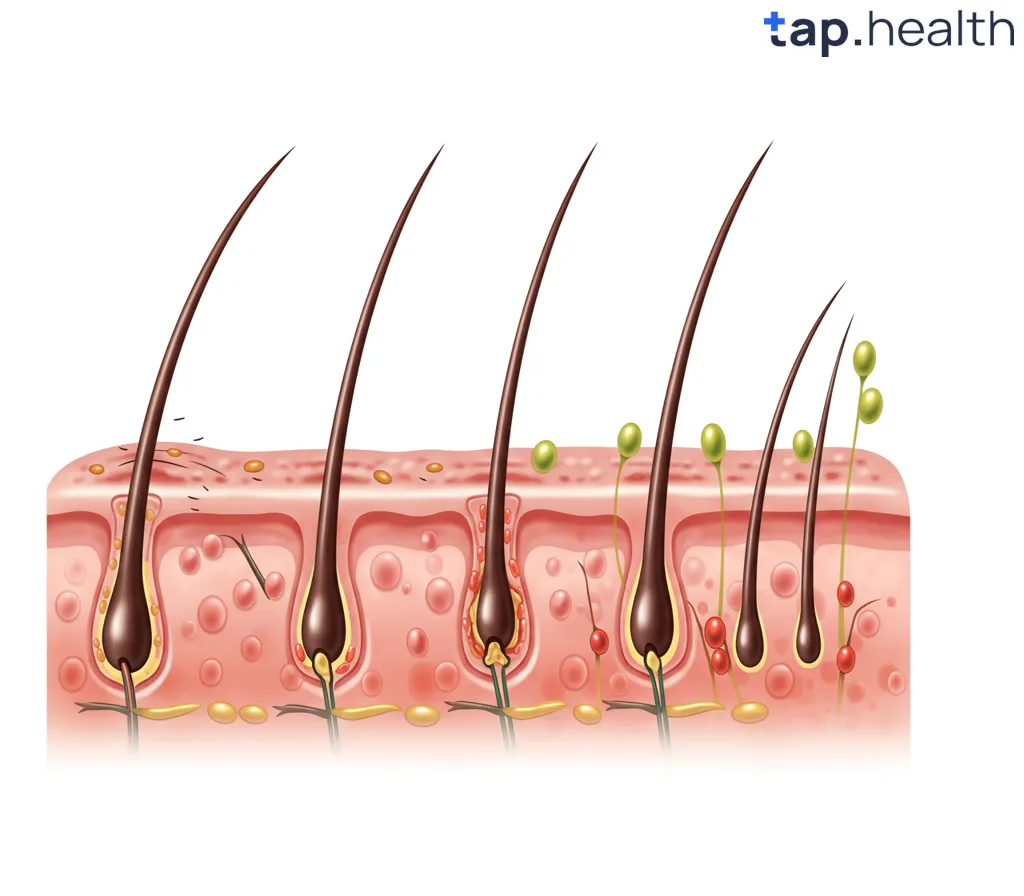
Hair loss is a lesser-known but significant complication associated with diabetes. For many people living with either Type 1 or Type 2 diabetes, noticing excessive hair fall can be distressing. The question that naturally follows is: Will the hair grow back?
The answer depends on several factors—such as the underlying cause of the hair loss, the duration and control of diabetes, coexisting conditions, and how quickly treatment begins. In many cases, yes, hair can grow back, but not always.
Understanding the Hair Growth Cycle
Before diving into diabetes-related hair loss, it’s important to understand how hair naturally grows. Hair follicles cycle through three phases:
- Anagen (growth phase): Lasts 2–7 years. Hair actively grows.
- Catagen (transitional phase): Lasts about 2–3 weeks.
- Telogen (resting/shedding phase): Lasts around 3 months. Hair falls out.
Disruptions in this cycle—due to disease, hormonal imbalance, or stress—can cause premature shedding or hinder new hair growth.
How Diabetes Causes Hair Loss
1. Poor Circulation
Chronically elevated blood glucose levels damage blood vessels. This restricts blood flow to small capillaries that nourish hair follicles, especially in the scalp, eyebrows, and legs. Inadequate oxygen and nutrients can weaken follicles, leading to thinning or shedding.
2. Hormonal Imbalances
Insulin resistance and fluctuating blood sugar levels affect androgen levels, which can shorten the anagen phase or cause miniaturization of hair follicles—similar to what happens in androgenetic alopecia (pattern baldness).
3. Autoimmune Reactions
Type 1 diabetes is autoimmune in nature. This increases the risk of other autoimmune conditions like alopecia areata, where the immune system attacks hair follicles, causing patchy hair loss.
4. Stress and Illness (Telogen Effluvium)
Chronic illness, emotional stress, and rapid changes in metabolic health can trigger telogen effluvium, a condition in which more hairs than usual enter the shedding phase.
5. Infections and Medications
Fungal infections (like tinea capitis) and certain medications used in diabetes care (e.g., metformin or insulin adjustments) may contribute to temporary hair loss or thinning.
Can Hair Loss from Diabetes Grow Back?
Yes, in many cases, hair can grow back—but only if the underlying cause is addressed.
Hair regrowth depends on whether the follicle is still viable. If hair loss is caused by telogen effluvium, stress, or temporary poor circulation, hair is likely to grow back within 3 to 6 months of correcting the issue.
However, if hair follicles have been permanently damaged due to years of poor blood circulation, scarring alopecia, or autoimmune destruction, regrowth may be limited or impossible without medical intervention.
Factors That Improve Hair Regrowth
1. Better Blood Sugar Control
Maintaining a stable A1c level (typically below 7%) helps reduce inflammation and improve blood flow to the scalp. This creates a more favorable environment for hair regrowth.
2. Early Intervention
Addressing hair loss as soon as it begins increases the chances of reversal. Long-term neglect can lead to permanent follicular damage.
3. Correcting Nutritional Deficiencies
People with diabetes often have low levels of iron, zinc, vitamin D, or B12—all of which play a role in hair health. Replenishing these through diet or supplements can support new hair growth.
4. Medication Adjustment
Some individuals experience hair loss as a side effect of certain medications. Consulting a doctor about alternative treatments may improve the situation.
5. Scalp Care and Dermatology Treatments
Topical minoxidil, platelet-rich plasma (PRP) therapy, and laser therapy can stimulate growth in surviving hair follicles when combined with systemic diabetes management.
Hair Loss That May Not Grow Back
While many forms of diabetic hair loss are reversible, some may be permanent, especially if:
- The condition is autoimmune, like alopecia areata with scarring
- Diabetes has caused long-term vascular damage
- The hair follicles are atrophied or replaced by scar tissue
- The loss is part of age-related pattern baldness, which may coexist
In these cases, treatment may involve hair transplant surgery or cosmetic solutions rather than regrowth.
Frequently Asked Questions (FAQs) on Will Hair Loss from Diabetes Grow Back?
Q1: How long does it take for hair to grow back after diabetes-related hair loss?
Answer: If the hair loss is reversible (e.g., due to stress or telogen effluvium), regrowth may begin in 3–6 months after addressing the cause. Full regrowth may take up to a year.
Q2: Can controlling blood sugar alone stop hair loss?
Answer: In many cases, yes. Stable blood glucose helps restore circulation and hormonal balance, which are crucial for hair follicle health. However, additional treatment may be needed if deficiencies or autoimmune factors are present.
Q3: Is hair loss a symptom of diabetes or a side effect?
Answer: It can be both. Hair loss may result from the disease process itself (e.g., poor circulation, hormonal imbalance) or from side effects of medications, stress, or comorbidities related to diabetes.
Q4: Can women with diabetes experience hair thinning?
Answer: Yes. Women with diabetes may experience diffuse hair thinning, especially if insulin resistance causes excess androgens. This can lead to female pattern hair loss.
Q5: Should I see a doctor about hair loss if I have diabetes?
Answer: Absolutely. Hair loss may signal poor glucose control, hormonal imbalances, or vitamin deficiencies. A healthcare provider or dermatologist can help identify the exact cause and recommend appropriate treatment.
Final Thoughts
Hair loss is a distressing but often manageable complication of diabetes. The key to successful regrowth lies in early diagnosis, blood sugar control, nutritional support, and, when necessary, medical or dermatological treatment.
If you’re experiencing hair loss and have diabetes, don’t ignore it. While not life-threatening, it may be an important signal that your overall metabolic health needs attention.