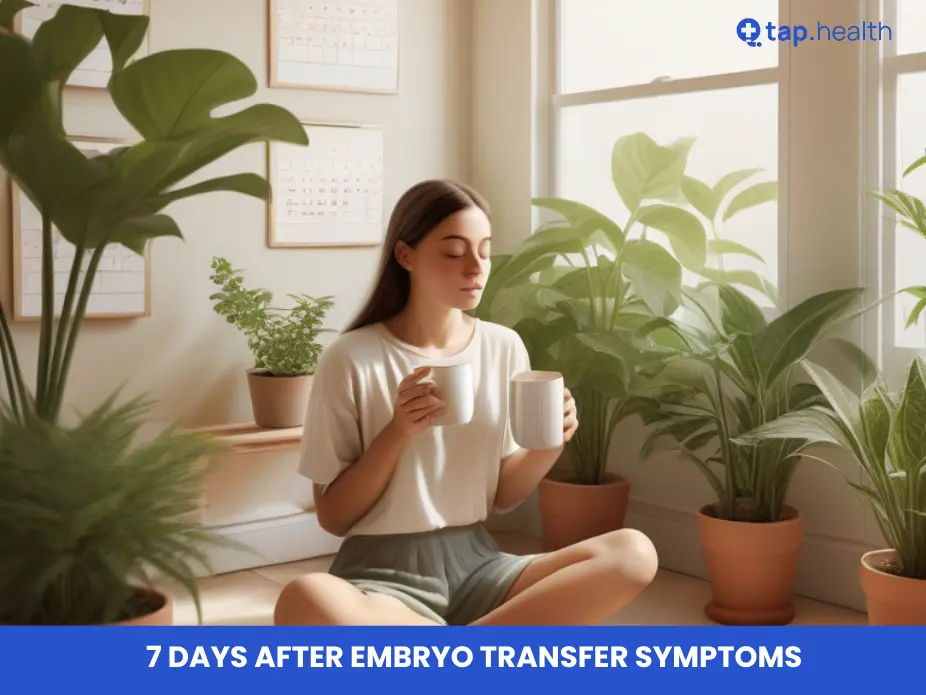
The journey of in vitro fertilization (IVF) is an emotional and physical rollercoaster, with the embryo transfer marking a pivotal moment. After this procedure, the two-week wait begins, a period filled with hope, anticipation, and anxiety. Around the seventh day post-transfer, many women start closely monitoring their bodies for early signs of pregnancy. While a pregnancy test is the most reliable way to confirm success, understanding the symptoms at this stage can help manage expectations and reduce stress. This blog explores the common symptoms 7 days after embryo transfer, what they mean, and how to navigate this critical time.
What Happens During an Embryo Transfer?
The embryo transfer process is a key step in IVF, where a carefully selected embryo is placed into the uterus. Using ultrasound guidance, a fertility specialist inserts a thin catheter through the cervix to position the embryo in the optimal spot for implantation. The procedure is quick, typically lasting 30 minutes, and is generally painless, though mild discomfort or cramping may occur. No anesthesia is required, allowing women to resume daily activities shortly after, with some rest recommended.
The Embryo’s Journey Before Transfer
Before the transfer, the embryo undergoes a fascinating developmental process. It starts as a zygote—a single cell formed by the union of egg and sperm. Over a few days, the zygote divides into a cluster of cells during the cleavage stage, resembling a small berry. By day 5 or 6, it reaches the blastocyst stage, where a fluid-filled cavity forms, and cells begin differentiating into the placenta and fetus. This is when the embryo is ready for transfer, marking a critical milestone in the IVF journey.
What to Expect on Embryo Transfer Day
The day of the embryo transfer can evoke a mix of excitement and nervousness. At the IVF clinic, your bladder will be comfortably full to aid ultrasound visualization. A speculum is used, similar to a pelvic exam, to guide the catheter carrying the embryo into the uterus. Mild cramping or pressure may occur, but the process is typically painless. Post-transfer, a short rest period is advised, and emotional support from loved ones or support groups can be invaluable during this time.
Common Symptoms 7 Days After Embryo Transfer
Seven days after the embryo transfer, hormonal changes may trigger various symptoms. While these can hint at successful implantation, they are not definitive proof of pregnancy. Every woman’s experience is unique, and the absence of symptoms does not indicate failure. Below are the most common symptoms to watch for, along with their potential meanings.
1. Implantation Bleeding
- What to Look For: Light pinkish or brownish spotting around day 7.
- What It Means: This could indicate the embryo attaching to the uterine lining, known as implantation bleeding. Not all women experience this, and its absence is not a cause for concern.
- When to Worry: Heavy bleeding resembling a menstrual period should prompt a call to your doctor.
2. Mild Cramping
- What to Look For: A dull ache or pulling sensation in the lower abdomen, similar to menstrual cramps.
- What It Means: Cramping often occurs as the uterus adjusts to the embryo implanting. It’s usually mild and temporary.
- When to Worry: Severe or persistent cramping requires medical attention.
3. Breast Tenderness
- What to Look For: Sore or swollen breasts, similar to premenstrual symptoms.
- What It Means: Hormonal fluctuations, particularly progesterone, can cause breast tenderness, a common early pregnancy sign.
4. Fatigue
- What to Look For: Persistent tiredness, even with adequate rest.
- What It Means: Increased progesterone levels and the emotional toll of IVF can lead to fatigue, a frequent early pregnancy symptom.
5. Increased Basal Body Temperature (BBT)
- What to Look For: A sustained rise in BBT post-ovulation.
- What It Means: A higher BBT may indicate a pregnancy-supportive environment, though it’s a subtle sign best tracked consistently.
6. Nausea or Morning Sickness
- What to Look For: Mild nausea, sometimes as early as day 7.
- What It Means: Rising human chorionic gonadotropin (hCG) levels can cause nausea, an early pregnancy marker.
7. Frequent Urination
- What to Look For: Increased need to urinate, especially at night.
- What It Means: hCG production post-implantation can lead to frequent urination, a common early pregnancy symptom.
8. Bloating
- What to Look For: A fuller or swollen abdomen, similar to premenstrual bloating.
- What It Means: Hormonal changes can cause bloating, which may be more pronounced after embryo transfer.
9. Mood Swings
- What to Look For: Heightened emotions, irritability, or tearfulness.
- What It Means: Hormonal shifts can trigger mood swings, a normal part of early pregnancy.
10. Increased Sense of Smell
- What to Look For: Heightened sensitivity to odors or aversions to certain smells.
- What It Means: Elevated estrogen levels can enhance smell sensitivity, a subtle pregnancy symptom.
Symptoms That Require Medical Attention
While mild symptoms are expected, certain signs warrant immediate contact with your healthcare provider:
- Severe Cramping or Pain: Intense or persistent abdominal pain, especially if accompanied by fever, chills, or vomiting, may indicate complications.
- Heavy Bleeding: Soaking through pads or tampons, resembling a menstrual flow, could signal an issue like early pregnancy loss or other complications.
- Severe Dizziness or Fainting: Persistent dizziness or fainting requires evaluation.
- High Fever: A fever is not typical post-transfer and should be reported.
Always communicate openly with your fertility team to address concerns promptly.
Coping with the Two-Week Wait
The two-week wait is emotionally challenging, as you await confirmation of pregnancy. Here are strategies to manage stress and stay positive:
- Stay Busy: Engage in light work, hobbies, or social activities to distract from overthinking.
- Practice Relaxation Techniques: Meditation, deep breathing, or prenatal yoga can reduce anxiety.
- Seek Support: Share feelings with your partner, friends, or IVF support groups for emotional relief.
- Limit Online Research: Excessive googling can heighten anxiety. Trust your body and medical team.
Nurturing Your Body Post-Transfer
Taking care of your physical and emotional health is crucial during this period. Focus on:
- Diet and Nutrition: Eat a balanced diet rich in fruits, vegetables, whole grains, and lean proteins to support implantation. Stay hydrated and include fiber to prevent constipation.
- Gentle Exercise: Opt for low-impact activities like walking or prenatal yoga. Avoid high-impact exercises like running or heavy lifting.
- Emotional Well-Being: Practice self-care, lean on your support system, and consider mindfulness techniques to stay grounded.
Frequently Asked Questions (People Also Ask)
How soon can I take a pregnancy test after embryo transfer?
Most fertility clinics recommend waiting about two weeks post-transfer for accurate results. A blood test at your clinic is the most reliable way to confirm pregnancy.
Is it normal to have no symptoms after embryo transfer?
Yes, many women experience no noticeable symptoms, and this does not indicate an unsuccessful transfer. Every body responds differently to hormonal changes.
What does implantation bleeding look like?
Implantation bleeding is typically light, pinkish, or brownish spotting, unlike a heavy menstrual flow. It may occur around 7–10 days post-transfer.
Can stress affect embryo implantation?
While stress alone is unlikely to prevent implantation, managing anxiety through relaxation techniques can support overall well-being during the two-week wait.
Conclusion
The 7 days following an embryo transfer are a time of hope, anticipation, and careful observation. Symptoms like implantation bleeding, mild cramping, and fatigue may offer early clues of pregnancy, but their absence is not a cause for alarm. By understanding what to expect, nurturing your body, and managing stress, you can navigate the two-week wait with greater confidence. Always stay in close contact with your healthcare provider to address any concerns and ensure the best possible outcome on your IVF journey.