tap.health logo
  • Diabetes Management
  • Health Assistant
  • About Us
  • Blog
  • Contact Us
Get Plan
  • Diabetes Management
  • Health Assistant
  • About Us
  • Blog
  • Contact Us
  • All Blogs
  • Diabetes
  • Is Type 2 Diabetes Hereditary

Is Type 2 Diabetes Hereditary

Diabetes
August 23, 2025
• 5 min read
Yasaswini Vajupeyajula
Written by
Yasaswini Vajupeyajula
Fashtana Khan
Reviewed by:
Fashtana Khan
ChatGPT Perplexity WhatsApp LinkedIn X Grok Google AI
Is Type 2 Diabetes Hereditary

Diabetes is one of the most common chronic diseases in the world, and its prevalence continues to rise, especially in countries like India. Type 2 diabetes, in particular, has garnered significant attention in recent years, with a growing number of cases among people of all ages. One of the most commonly asked questions is whether type 2 diabetes is hereditary. In this article, we’ll break down the science behind type 2 diabetes, explore the role of genetics in the disease, and provide real-life scenarios, expert contributions, and proven recommendations for prevention.


What is Type 2 Diabetes?

Before diving into whether type 2 diabetes is hereditary, it’s important to understand what this condition is.

Type 2 diabetes is a metabolic disorder that affects how your body processes glucose (sugar). In a healthy body, the pancreas releases insulin, a hormone that helps cells absorb glucose for energy. However, in people with type 2 diabetes, the body either doesn’t produce enough insulin or the cells become resistant to it, leading to high blood sugar levels.

Some of the most common symptoms of type 2 diabetes include:

  • Increased thirst
  • Frequent urination
  • Fatigue
  • Blurred vision
  • Slow-healing sores

While these symptoms might seem mild at first, if left untreated, they can lead to more serious complications, such as heart disease, kidney failure, and nerve damage.


Is Type 2 Diabetes Hereditary?

One of the most frequently asked questions is whether type 2 diabetes is hereditary. The short answer is yes, there is a genetic component to type 2 diabetes. However, genetics is not the only factor involved. Lifestyle choices, such as diet, physical activity, and body weight, play an equally important role in the development of the disease.

Let’s break it down:

Genetic Factors

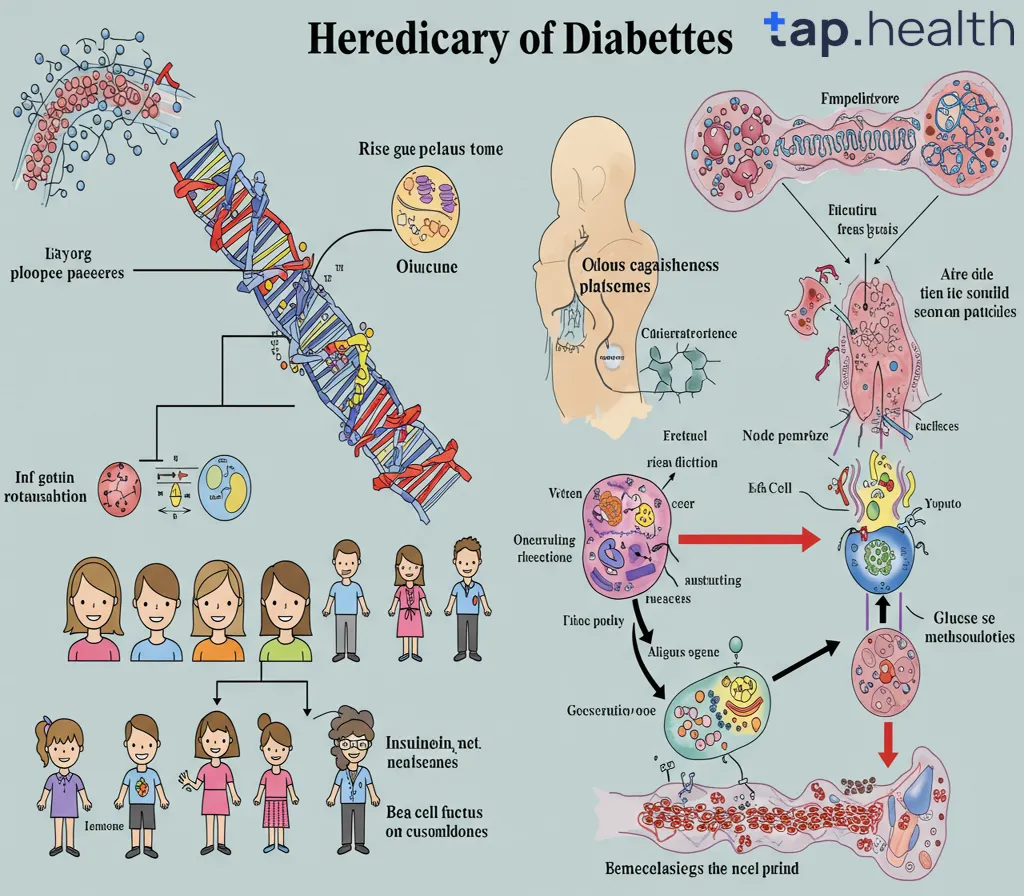
Genetics play a significant role in the risk of developing type 2 diabetes. If you have a family member with type 2 diabetes, your risk of developing the condition increases. Research has shown that if a parent has type 2 diabetes, the child’s risk of developing the disease is 40% higher. If both parents have type 2 diabetes, the risk increases to 70%.

Certain genes have been identified that can affect insulin sensitivity and glucose metabolism, making some people more predisposed to the condition. However, having these genes doesn’t mean you will definitely develop diabetes—it just means you may be more at risk.

Lifestyle Factors

While genetics contribute to the risk, lifestyle factors are just as important. A sedentary lifestyle, poor diet (high in sugar and processed foods), and being overweight or obese can increase the chances of developing type 2 diabetes. In fact, obesity is one of the leading causes of insulin resistance, which is a hallmark of type 2 diabetes.

The good news is that even if you have a family history of type 2 diabetes, making healthy lifestyle changes can reduce your risk of developing the disease. Regular physical activity, a balanced diet, and maintaining a healthy weight can go a long way in preventing the onset of type 2 diabetes, even if you have genetic predisposition.


Real-life Scenarios

Example 1: Ramesh’s Story

Ramesh, a 45-year-old man from Chennai, has seen his father, uncle, and older sister suffer from type 2 diabetes. His family history has made him aware of his own risk. Ramesh leads a sedentary lifestyle and often indulges in unhealthy snacks, including sugary foods and deep-fried items. He weighs 100 kilograms and has been feeling increasingly fatigued.

After visiting his doctor for a routine checkup, Ramesh was diagnosed with prediabetes. His doctor advised him to lose weight, exercise regularly, and change his diet. Although Ramesh has a family history of diabetes, the doctor emphasized that lifestyle changes can help prevent or delay the progression of type 2 diabetes.

Example 2: Priya’s Preventive Measures

Priya, a 28-year-old woman from Delhi, has a family history of type 2 diabetes, with both her parents diagnosed in their 50s. Priya is aware of her genetic predisposition but is proactive about maintaining a healthy lifestyle. She follows a balanced diet, exercises regularly, and maintains a healthy weight. At her recent checkup, her blood sugar levels were normal, and her doctor praised her for taking preventive measures.

Priya’s story highlights the importance of proactive health management. Even though she has a genetic risk, her healthy lifestyle has helped her maintain normal blood sugar levels, preventing the onset of type 2 diabetes.


Expert Contributions

Dr. Rajesh Kumar, an endocrinologist based in Mumbai, states, “Genetics plays a crucial role in type 2 diabetes, but it’s not the only factor. Lifestyle choices, such as diet and physical activity, can help reduce the risk significantly. If you have a family history of diabetes, it’s essential to monitor your health closely and make preventive changes to your lifestyle.”

Dr. Kumar’s insight reinforces the importance of lifestyle changes in managing the risk of type 2 diabetes, even in individuals with a genetic predisposition.


Recommendations Grounded in Proven Research

To help reduce the risk of developing type 2 diabetes, follow these proven recommendations:

1. Maintain a Healthy Weight

Being overweight is one of the most significant risk factors for developing type 2 diabetes. Research shows that losing just 5-10% of your body weight can significantly lower your risk.

2. Eat a Balanced Diet

Focus on whole foods like fruits, vegetables, whole grains, lean proteins, and healthy fats. Limit processed foods, sugary drinks, and high-fat foods. The Mediterranean diet, which emphasizes fruits, vegetables, and healthy fats like olive oil, has been shown to improve insulin sensitivity and reduce the risk of diabetes.

3. Exercise Regularly

Aim for at least 150 minutes of moderate-intensity exercise each week. Activities like walking, cycling, swimming, and strength training can improve insulin sensitivity and help maintain a healthy weight.

4. Monitor Blood Sugar Levels

If you have a family history of type 2 diabetes, it’s important to monitor your blood sugar levels regularly. Early detection of prediabetes can lead to lifestyle changes that may prevent the development of diabetes.

5. Avoid Smoking and Limit Alcohol

Smoking and excessive alcohol consumption can increase your risk of developing type 2 diabetes. If you smoke, consider seeking support to quit. Limiting alcohol to moderate levels (one drink for women and two for men per day) can also reduce your risk.


Frequently Asked Questions (FAQ) on Is Type 2 Diabetes Hereditary

Q1: If my parents have type 2 diabetes, will I definitely get it?

No, having a family history of type 2 diabetes increases your risk, but it doesn’t guarantee you will develop it. Lifestyle choices like diet, exercise, and weight management play a crucial role in determining whether you will develop diabetes.

Q2: What age should I start worrying about type 2 diabetes?

It’s important to start thinking about your risk for type 2 diabetes in your 30s or 40s, especially if you have a family history of the disease. However, it’s never too early to adopt healthy habits to reduce your risk.

Q3: Can type 2 diabetes be reversed?

While type 2 diabetes cannot be fully reversed, it can be managed effectively with lifestyle changes. In some cases, people can achieve normal blood sugar levels through diet, exercise, and weight loss.

Q4: How can I reduce my risk of type 2 diabetes?

You can reduce your risk by maintaining a healthy weight, eating a balanced diet, exercising regularly, avoiding smoking, and limiting alcohol intake.


Conclusion

Type 2 diabetes is influenced by both genetic and lifestyle factors. While having a family history of the disease increases your risk, making healthy choices can significantly reduce that risk. By maintaining a healthy weight, eating a balanced diet, and staying active, you can improve your chances of avoiding or managing type 2 diabetes. Stay informed, take control of your health, and consult a healthcare professional for personalized guidance.

Tags
diabetes prevention foot health diabetes and sleep fasting blood sugar diabetes misconceptions diabetes medicine safety diabetic neuropathy symptoms diabetic foot ulcer warning signs can diabetics eat mango diabetes itching urinary infection diabetes diabetes slow wound healing metformin side effects diabetes numbness in hands banana for diabetes dates blood sugar jaggery for diabetes is poha good for diabetes guava blood sugar India diabetes diabetes after pregnancy type 1 and type 2 diabetes difference lipid profile diabetes A1C gestational diabetes poor sleep blood sugar HbA1c diabetes symptoms in women diabetes medicines diabetes nerve damage diabetes and blood pressure mango and diabetes dark patches diabetes diabetes stomach problems diabetes wounds metformin safety diabetes tingling hands banana blood sugar papaya for diabetes is jaggery good for diabetes poha blood sugar orange for diabetes sugar spike after rice gestational diabetes India difference between type 1 and type 2 diabetes diabetes vs neuropathy Medicine blood sugar pregnancy diabetes sleep and diabetes diabetes in India women diabetes signs diabetes treatment advice tingling feet diabetes high blood pressure diabetes mango sugar diabetes walking after meals for diabetes diabetic gastroparesis diabetic wound care diabetes ketoacidosis warning signs diabetic neuropathy hands coconut water and diabetes is papaya good for diabetes gur for diabetes sprouts for diabetes can diabetics eat oranges Indian diet diabetes continuous glucose monitor India diabetes vs diabetes insipidus diabetes vs heart disease Health fasting glucose blood sugar pregnancy diabetes and stress diabetes risk factors India diabetes risk women Indian diabetic diet chart diabetes eye disease diabetes heart kidney risk diabetes reversal vs remission post meal walk diabetes diabetes bloating nausea diabetes yeast infection DKA symptoms fasting with diabetes coconut water for diabetes papaya blood sugar watermelon for diabetes are sprouts good for diabetes orange blood sugar glucose spike symptoms CGM cost India diabetes mellitus vs diabetes insipidus diabetes heart disease risk Lifestyle A1C test low blood sugar stress blood sugar diabetes prevention India diabetes symptoms in men diabetic meal plan diabetic eye test borderline HbA1c diabetes remission walking lowers blood sugar diabetes sick day rules diabetes fungal infection ketones diabetes diabetes fasting safety can diabetics drink coconut water oats for diabetes can diabetics eat watermelon sprouts blood sugar brown bread for diabetes post meal blood sugar time in range diabetes insipidus symptoms diabetes and heart attack Home remedies diabetes diet hypoglycemia cortisol diabetes best fruits for diabetes men diabetes signs HbA1c test high protein breakfast for diabetes HbA1c 5.7 to 6.4 reverse type 2 diabetes diabetes grocery list India diabetes during illness diabetes vaginal itching diabetes blurry vision can diabetics fast curd for diabetes oatmeal diabetes watermelon blood sugar methi seeds for diabetes bread for diabetes diabetes blood pressure glucometer accuracy diabetes vs metabolic syndrome gestational diabetes vs type 2 diabetes Fitness balanced meals diabetes safety diabetes eye care diabetes fruits diabetes risk men HbA1c normal range diabetes breakfast India prediabetes HbA1c diabetes plate method diabetic food list India blood sugar fever infection diabetes night sweats high blood sugar blurry vision insulin injection sites is curd good for diabetes are oats good for diabetes apple for diabetes fenugreek for diabetes whole wheat bread diabetes diabetes heart risk diabetes technology metabolic syndrome and diabetes pregnancy diabetes and type 2 diabetes Prevention healthy eating diabetes heart health diabetic retinopathy fruit and blood sugar type 1 diabetes how to lower HbA1c diabetic breakfast ideas post-meal blood sugar Indian diabetes plate foods for diabetes shopping diabetes and alcohol low blood sugar at night diabetes excessive thirst insulin site rotation diabetes curd milk for diabetes can diabetics eat apple methi diabetes avocado for diabetes ABC diabetes CGM vs glucometer India metabolic syndrome symptoms gestational diabetes future risk Hygiene why diabetes is considered as a lifestyle disease blood pressure diabetes eye test rice and diabetes type 1 diabetes symptoms fasting sugar normal range PCOS and diabetes blood sugar after food diabetes portion control diabetes kidney tests alcohol blood sugar diabetes diabetes sweating at night diabetes dry mouth insulin lumps tea and coffee in diabetes can diabetics drink milk apple blood sugar cinnamon for diabetes is avocado good for diabetes kidney risk diabetes diabetes reversal myths diabetes vs thyroid diabetes vs anaemia Ailments lifestyle diabetes cholesterol diabetes kidney care can diabetics eat rice insulin diabetes high fasting blood sugar PCOS insulin resistance postprandial glucose low glycaemic index foods for diabetes urine albumin diabetes can diabetics drink alcohol diabetes headache frequent urination diabetes diabetes weight gain coffee diabetes best milk for diabetes eggs for diabetes cinnamon blood sugar avocado blood sugar blurred vision diabetes HbA1c remission diabetes and thyroid disease diabetes fatigue or anaemia Hindi type 2 diabetes lifestyle disease living with diabetes diabetic kidney disease diabetes diet India prediabetes diet reverse prediabetes naturally PCOS diabetes risk dawn phenomenon diabetes low GI foods India eGFR diabetes diabetes and dizziness high blood sugar headache diabetes fatigue diabetes and weight gain tea diabetes peanuts for diabetes are eggs good for diabetes dalchini for diabetes travelling with diabetes fundus exam diabetes remission vs reversal thyroid blood sugar anaemia diabetes symptoms skin diseases exercise and diabetes diabetes habits kidney tests diabetes morning blood sugar prediabetes food prediabetes reversal gestational diabetes diet Indian morning sugar high diabetes low GI diet diabetes and dental problems dizziness diabetes low blood sugar headache diabetes tiredness insulin weight gain roti for diabetes are peanuts good for diabetes egg diabetes amla for diabetes diabetes travel checklist eye care diabetes vildagliptin diabetes vs PCOS acne vulgaris symptoms blood sugar control diabetes management high blood sugar symptoms fasting sugar high lower diabetes risk how to prevent type 2 diabetes pregnancy diabetes diet high fasting sugar in morning diabetes and fatty liver diabetes gum disease low sugar dizziness blood sugar monitoring at home high blood sugar tiredness diabetes swollen feet best roti for diabetes peanuts blood sugar paneer for diabetes amla juice diabetes insulin travel storage diabetic retinopathy symptoms vildagliptin benefits in type 2 diabetes patients diabetes vs hypertension AI Search physical activity insulin resistance hyperglycemia symptoms dawn phenomenon diabetes and weight loss insulin resistance diet gestational diabetes meal plan diabetes and cholesterol fatty liver diabetes dry mouth diabetes diabetes leg pain when to check blood sugar diabetes constipation swollen feet diabetes chapati diabetes sweet potato for diabetes is paneer good for diabetes amla blood sugar diabetes hot weather GDM screening DPP-4 inhibitor diabetes and hypertension type 2 diabetes diabetes foot care insulin sensitivity diabetes warning signs diabetes myths weight loss diabetes Indian foods for insulin resistance diabetic foot ulcer diabetes lipid profile insulin resistance fatty liver diabetes urine infection diabetic leg cramps blood glucose monitoring diabetes and constipation diabetes foot swelling can diabetics eat dates can diabetics eat sweet potato paneer diabetes guava for diabetes diabetes dehydration pregnancy blood sugar targets diabetes medicine India blood sugar vs blood pressure prediabetes diabetic foot type 2 diabetes risk normal blood sugar levels diabetes facts insulin resistance weight loss improve insulin sensitivity diabetes foot wound cholesterol in diabetes diabetes skin problems frequent UTI diabetes diabetes nerve pain legs metformin for diabetes constipation diabetes can diabetics eat banana dates for diabetes sweet potato blood sugar poha for diabetes can diabetics eat guava heat and blood sugar postpartum diabetes risk type 1 vs type 2 diabetes diabetes vs high cholesterol
More blogs
Yasaswini Vajupeyajula
• June 18, 2026
• 7 min read

Is Castor Oil Good for Eczema? A Complete Guide

Eczema is a skin condition that causes red, itchy, and inflamed patches on the skin. It’s a condition that affects many people, especially in areas like the elbows, knees, and hands. If you’re looking for ways to soothe and treat eczema, you may have come across castor oil as a natural remedy. But is castor […]

Product
Is Type 2 Diabetes Hereditary
Yasaswini Vajupeyajula
• June 18, 2026
• 7 min read

Bread Battle: Whole Wheat vs. Multigrain vs. Brown Bread Glycemic Index

It is the most confusing aisle in the Indian supermarket. You stand there, staring at rows and rows of loaves. There is “Farm Fresh Brown Bread.” There is “100% Whole Wheat Atta Bread.” There is “7-Grain Multigrain Bread.” And then there are the “Sandwich Breads,” “Milk Breads,” and “Hi-Fiber Breads.” They all look healthy. They […]

Product
Is Type 2 Diabetes Hereditary
Kritika Singh
Kritika Singh
• June 18, 2026
• 19 min read

Diabetes vs Diabetes Insipidus: Difference in Symptoms, Causes, Urination, Thirst, and Tests

A simple guide to diabetes vs diabetes insipidus, explaining why the names sound similar but the causes, tests, and treatments are different.

Diabetes
Is Type 2 Diabetes Hereditary
Do you remember your last sugar reading?
Log and Track your glucose on the Tap Health App
All logs in one place
Smart trend graphs
Medicine Reminder
100% Ad Free
Download Now

Missed your diabetes meds

again? Not anymore.

Get medicine reminders on your phone.

✓ Glucose diary and Insights
✓ Smart Nudges
✓ All logs at one place
✓ 100% Ad free
Download Free
tap health
tap.health logo
copyright © 2025
2nd Floor,Plot No 4, Minarch Tower,
Sector 44,Gurugram, 122003,
Haryana, India
  • About Us
  • Blog
  • Doctor login
  • Contact Us
  • Privacy Policy
  • Return / Shipping Policy
  • Terms and Conditions
Get Your Free AI Diabetes Coach