
tap.health logo
  • Diabetes Management
  • Health Assistant
  • About Us
  • Blog
  • Contact Us
Get Plan
  • Diabetes Management
  • Health Assistant
  • About Us
  • Blog
  • Contact Us
  • All Blogs
  • Product
  • What are the Best Self-Care Practices for Keloids?

What are the Best Self-Care Practices for Keloids?

Product
March 22, 2024
• 6 min read
Kritika Singh
Written by
Kritika Singh
ChatGPT Perplexity WhatsApp LinkedIn X Grok Google AI
what-are-the-best-self-care-practices-for-keloids

Keloids are an abnormal type of scar tissue that forms as a result of an overgrowth of collagen in the skin. They can be raised, thick, and have a shiny appearance. While keloids are not harmful, they can cause discomfort and self-consciousness. Understanding keloids and the importance of self-care is essential for managing and preventing further keloid formation.


Understanding Keloids

Keloids are benign growths that occur when the body’s natural healing process goes awry. Unlike normal scars that gradually fade over time, keloids can continue to grow beyond the boundaries of the original wound. They can be triggered by various factors, including surgery, acne, burns, piercings, or even minor skin injuries.

When keloids form, they can be a source of physical discomfort and emotional distress for individuals. The raised and firm nature of keloids can make them itchy and tender, causing irritation and sensitivity in the affected area. Additionally, the conspicuous appearance of keloids can impact a person’s self-esteem and body image, leading to psychological challenges.

What are Keloids?

Keloids are an overgrowth of scar tissue that can develop at the site of a skin injury. They typically appear as raised and firm growths that extend beyond the initial wound. Keloids can vary in size, shape, and color, and they can be accompanied by symptoms such as itching, tenderness, and discomfort.

It’s important to note that keloids can develop in anyone, regardless of age or ethnicity. However, individuals with darker skin tones are more susceptible to keloid formation due to increased melanin production in the skin. This heightened pigmentation can contribute to the exaggerated scarring response seen in keloids.

Causes of Keloids

The exact cause of keloids is not fully understood. However, certain factors increase the likelihood of keloid formation. Genetic predisposition plays a significant role, as individuals with a family history of keloids are more prone to developing them. Additionally, skin type, hormonal imbalances, and inflammation can contribute to keloid formation.

Research suggests that excessive collagen production in response to skin trauma is a key factor in keloid formation. Collagen is a protein that helps repair damaged skin, but an overproduction of collagen can lead to the formation of raised keloid scars. Understanding the mechanisms behind collagen regulation may offer insights into potential treatments for keloids in the future.

Common Areas Affected by Keloids

Keloids can develop on any part of the body, but they are most commonly found on the chest, back, shoulders, earlobes, and upper arms. These areas tend to have more tension on the skin, increasing the risk of keloid formation.

In addition to these common areas, keloids can also develop on joints and areas with frequent movement, such as the knees and elbows. The constant motion and stretching of the skin in these regions can contribute to the growth and persistence of keloids. Proper wound care and early intervention are crucial in managing keloids in these challenging locations.


The Importance of Self-Care for Keloids

Self-care plays a crucial role in managing keloids. While it may not eliminate them entirely, proper self-care can help reduce their size, relieve symptoms, and prevent further growth. Neglecting keloid care can have detrimental effects on their appearance and overall well-being.
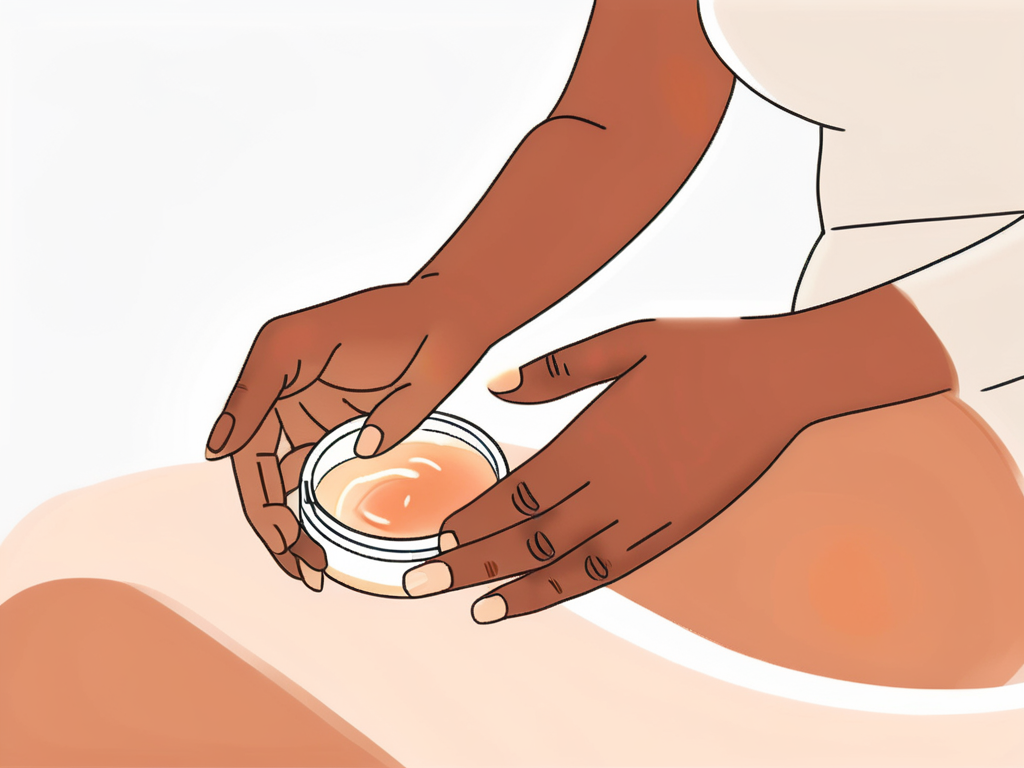
keloids

When it comes to self-care for keloids, a holistic approach is key. In addition to topical treatments, incorporating stress-reducing activities such as meditation or yoga can help improve overall skin health. Maintaining a balanced diet rich in vitamins and minerals can also support the body’s natural healing processes, aiding in keloid management.

Why Self-Care Matters

Self-care is essential for keloid management because it promotes healing, reduces inflammation, and prevents infection. It involves adopting healthy lifestyle habits, implementing an effective skincare routine, and seeking medical assistance when necessary.

Furthermore, self-care for keloids extends beyond physical treatments. Emotional well-being is also crucial in managing keloids, as the psychological impact of living with visible skin lesions can be significant. Seeking support from mental health professionals or joining support groups can help individuals cope with the emotional challenges that may arise.

Impact of Neglecting Keloid Care

Failure to address keloids promptly can lead to complications such as increased pain, discomfort, and psychological distress. Neglected keloids are also more likely to grow larger, making them harder to treat effectively. Taking proactive measures and practicing self-care can help prevent these undesirable outcomes.

It is important to remember that each individual’s experience with keloids is unique, and what works for one person may not work for another. Consulting with healthcare providers and dermatologists to develop a personalized self-care plan is crucial in effectively managing keloids and minimizing their impact on daily life.


Preventive Measures for Keloids

While it may not be possible to completely prevent keloids from forming, adopting certain preventive measures can minimize their occurrence. These measures include making lifestyle changes and establishing a skincare routine that promotes skin health.

Keloids are raised scars that occur when the skin overreacts to an injury or trauma, such as a piercing, surgery, or acne. They can be itchy, tender, and cosmetically bothersome. While some individuals may be more prone to developing keloids due to genetic factors, taking proactive steps can help reduce their likelihood.

Lifestyle Changes to Prevent Keloids

Living a healthy lifestyle can contribute to overall skin health and reduce the risk of keloid formation. This includes maintaining a balanced diet rich in vitamins and minerals essential for skin regeneration, staying hydrated to promote skin elasticity, getting regular exercise to improve circulation and collagen production, and avoiding behaviors that may damage the skin, such as excessive sun exposure or picking at blemishes.

Incorporating stress-reducing activities like meditation or yoga can also be beneficial, as stress can exacerbate skin conditions and potentially trigger keloid formation in susceptible individuals.

Skin Care Routine to Minimize Keloids

Developing a skincare routine that focuses on moisturizing and protecting the skin can help minimize keloid formation. Using gentle cleansers that do not strip the skin of its natural oils, hydrating moisturizers that support skin barrier function, and broad-spectrum sunscreen to shield against harmful UV rays can all contribute to maintaining skin health.

Furthermore, incorporating ingredients known for their anti-inflammatory properties, such as aloe vera or chamomile, can help soothe the skin and reduce the risk of excessive scarring. It is essential to be gentle with the skin and avoid abrasive exfoliants or harsh chemicals that can disrupt the skin’s balance and potentially trigger keloid formation.


Home Remedies for Keloid Management

While there is no cure for keloids, several home remedies can help manage their appearance and symptoms. These remedies involve natural ingredients and over-the-counter products that can promote healing and reduce inflammation.

keloids

Keloids are raised scars that form when the skin overreacts to an injury, such as a cut or burn. They can be itchy, tender, and cosmetically bothersome. Managing keloids can be challenging, but with the right approach, their appearance can be improved.

Natural Remedies to Reduce Keloids

Several natural remedies have shown promise in reducing the size and appearance of keloids. Applying aloe vera gel, tea tree oil, or lavender oil to the affected area may help soothe the skin and minimize inflammation. These natural remedies are gentle on the skin and may provide relief from keloid symptoms. However, it is important to note that individual results may vary, and it is advisable to consult a healthcare professional before trying any home remedies.

In addition to topical treatments, maintaining a healthy lifestyle can also support keloid management. Eating a balanced diet rich in vitamins and minerals can promote skin health and overall well-being. Staying hydrated and protecting the skin from excessive sun exposure can also aid in the healing process.

Over-the-Counter Products for Keloids

There are various over-the-counter products available that claim to reduce the appearance of keloids. Silicone gel sheets, for example, are believed to help flatten and soften keloids when used consistently. These products provide a non-invasive approach to keloid management and can be easily incorporated into a skincare routine. It is recommended to consult with a healthcare professional or pharmacist before using any over-the-counter products to ensure their safety and efficacy for your specific condition.

When dealing with keloids, it is essential to be patient and consistent with your chosen treatment method. Keloid management takes time, and results may not be immediate. By combining natural remedies, over-the-counter products, and healthy lifestyle practices, you can take proactive steps towards improving the appearance of keloids and promoting skin health.


Medical Treatments for Keloids

In cases where self-care measures and home remedies prove ineffective, seeking medical help may be necessary. Medical treatments for keloids include various procedures that aim to shrink, flatten, or remove the keloid altogether.

When to Seek Medical Help

If your keloid causes significant discomfort, interferes with daily activities, or significantly affects your self-esteem, it is advisable to consult a dermatologist or a healthcare professional experienced in keloid treatment. They can assess your situation, provide a proper diagnosis, and recommend appropriate treatment options.

Understanding Different Medical Procedures

Medical procedures for keloids can range from simple corticosteroid injections to surgical excision with or without adjuvant therapies such as radiation or cryotherapy. The choice of treatment depends on various factors, including the size, location, and severity of the keloid. It is important to consult with a medical professional to determine the best course of action for your specific case.

In conclusion, keloid self-care is crucial for managing and preventing further keloid formation. Understanding what keloids are, their causes, and the common areas they affect, empowers individuals to take proactive measures. Adopting preventive measures, incorporating home remedies, and seeking medical assistance when necessary can contribute to reducing keloid size, relieving symptoms, and improving overall well-being.


Tags
diabetes prevention foot health diabetes and sleep fasting blood sugar diabetes misconceptions diabetes medicine safety diabetic neuropathy symptoms diabetic foot ulcer warning signs can diabetics eat mango diabetes itching urinary infection diabetes diabetes slow wound healing metformin side effects diabetes numbness in hands banana for diabetes dates blood sugar jaggery for diabetes is poha good for diabetes guava blood sugar India diabetes pregnancy blood sugar targets diabetes medicine India blood sugar vs blood pressure LADA diabetes symptoms ED in diabetic men how to store insulin cataract surgery diabetes diabetes cholesterol levels Ramadan diabetes medicine timing walking after meals diabetes flu vaccine diabetes diabetes food cravings whey protein diabetes diabetes thirst fluids skipping breakfast diabetes diabetes and blurred vision breathlessness diabetes diabetes nausea causes dry mouth high blood sugar diabetes and shoulder pain diabetes and palpitations diabetes symptoms and tests diabetes and hand tremors causes A1C gestational diabetes poor sleep blood sugar HbA1c diabetes symptoms in women diabetes medicines diabetes nerve damage diabetes and blood pressure mango and diabetes dark patches diabetes diabetes stomach problems diabetes wounds metformin safety diabetes tingling hands banana blood sugar papaya for diabetes is jaggery good for diabetes poha blood sugar orange for diabetes sugar spike after rice postpartum diabetes risk type 1 vs type 2 diabetes diabetes vs high cholesterol latent autoimmune diabetes in adults diabetes and menopause insulin storage at home diabetes and muscle loss diabetes triglycerides diabetes and shift work diabetes and smoking GLP-1 diabetes medicines sugar cravings diabetes protein powder kidney diabetes diabetes diarrhoea vomiting diabetes breakfast skipping diabetic eye symptoms high sugar breathing problems diabetes and vomiting diabetes mouth symptoms diabetes frozen shoulder racing heart low sugar diabetes and tingling feet diabetes and appetite loss Medicine blood sugar pregnancy diabetes sleep and diabetes diabetes in India women diabetes signs diabetes treatment advice tingling feet diabetes high blood pressure diabetes mango sugar diabetes walking after meals for diabetes diabetic gastroparesis diabetic wound care diabetes ketoacidosis warning signs diabetic neuropathy hands coconut water and diabetes is papaya good for diabetes gur for diabetes sprouts for diabetes can diabetics eat oranges Indian diet diabetes diabetes after pregnancy type 1 and type 2 diabetes difference lipid profile diabetes diabetes vs MODY menopause blood sugar insulin fridge temperature diabetes muscle weakness diabetes and high blood pressure night shift diabetes smoking diabetes risk GLP-1 weight loss diabetes diabetes hunger cravings CGM skin irritation diabetes diabetes sick day vomiting morning sugar skipping breakfast diabetes and sweating diabetes and shaking vomiting with diabetes diabetes and itchy skin shoulder stiffness diabetes heart pounding diabetes diabetes and tingling feet causes diabetes and appetite loss causes Health fasting glucose blood sugar pregnancy diabetes and stress diabetes risk factors India diabetes risk women Indian diabetic diet chart diabetes eye disease diabetes heart kidney risk diabetes reversal vs remission post meal walk diabetes diabetes bloating nausea diabetes yeast infection DKA symptoms fasting with diabetes coconut water for diabetes papaya blood sugar watermelon for diabetes are sprouts good for diabetes orange blood sugar glucose spike symptoms gestational diabetes India difference between type 1 and type 2 diabetes diabetes vs neuropathy MODY diabetes symptoms type 2 diabetes menopause glucometer errors sarcopenia diabetes diabetes hypertension diabetes meal timing shift work diabetes quit smoking semaglutide diabetes diabetes and fever CGM sensor rash diabetes loose motions late dinner diabetes sweating low blood sugar tremors low blood sugar diabetes and cold feet itching high blood sugar diabetes and loss of appetite diabetes and muscle weakness diabetes and sweaty feet diabetes and burning feet Lifestyle A1C test low blood sugar stress blood sugar diabetes prevention India diabetes symptoms in men diabetic meal plan diabetic eye test borderline HbA1c diabetes remission walking lowers blood sugar diabetes sick day rules diabetes fungal infection ketones diabetes diabetes fasting safety can diabetics drink coconut water oats for diabetes can diabetics eat watermelon sprouts blood sugar brown bread for diabetes post meal blood sugar continuous glucose monitor India diabetes vs diabetes insipidus diabetes vs heart disease maturity onset diabetes of the young diabetes and frozen shoulder wrong blood sugar reading diabetes and anaemia BP in diabetes diabetes and vitamin D diabetes neuropathy pain relief diabetes and migraine best shoes for diabetic feet diabetes adhesive allergy CGM diabetes and kidney stones diabetes dinner timing diabetes and leg cramps shaky feeling diabetes cold feet diabetes diabetes fungal itching loss appetite diabetes weakness high blood sugar diabetes and sweaty feet causes diabetes and burning feet causes Home remedies diabetes diet hypoglycemia cortisol diabetes best fruits for diabetes men diabetes signs HbA1c test high protein breakfast for diabetes HbA1c 5.7 to 6.4 reverse type 2 diabetes diabetes grocery list India diabetes during illness diabetes vaginal itching diabetes blurry vision can diabetics fast curd for diabetes oatmeal diabetes watermelon blood sugar methi seeds for diabetes bread for diabetes insulin resistance symptoms CGM cost India diabetes mellitus vs diabetes insipidus diabetes heart disease risk continuous glucose monitor diabetes frozen shoulder diabetes reactive hypoglycaemia anaemia diabetes HbA1c diabetes and liver enzymes vitamin D deficiency diabetes diabetic neuropathy burning feet diabetes headache triggers diabetic socks foot ulcer prevention diabetes monsoon care kidney stones diabetes night sugar late dinner leg cramps diabetes diabetes and periods diabetes poor circulation feet diabetes and swollen ankles diabetes not feeling hungry diabetes leg weakness diabetes and neck pain diabetes and slow digestion Fitness balanced meals diabetes safety diabetes eye care diabetes fruits diabetes risk men HbA1c normal range diabetes breakfast India prediabetes HbA1c diabetes plate method diabetic food list India blood sugar fever infection diabetes night sweats high blood sugar blurry vision insulin injection sites is curd good for diabetes are oats good for diabetes apple for diabetes fenugreek for diabetes whole wheat bread diabetes diabetes blood pressure time in range diabetes insipidus symptoms diabetes and heart attack CGM diabetes diabetic shoulder pain low blood sugar after eating low haemoglobin diabetes high SGPT diabetes vitamin D insulin resistance diabetes gastroparesis blood sugar migraine diabetes and driving diabetes rainy season foot infection diabetes urine pain diabetes medicine timing diabetes muscle cramps periods affect blood sugar hair loss diabetes ankle swelling diabetes diabetes and restless legs diabetes and memory problems diabetes and neck pain causes diabetes and slow digestion causes Prevention healthy eating diabetes heart health diabetic retinopathy fruit and blood sugar type 1 diabetes how to lower HbA1c diabetic breakfast ideas post-meal blood sugar Indian diabetes plate foods for diabetes shopping diabetes and alcohol low blood sugar at night diabetes excessive thirst insulin site rotation diabetes curd milk for diabetes can diabetics eat apple methi diabetes avocado for diabetes diabetes heart risk glucometer accuracy diabetes vs metabolic syndrome gestational diabetes vs type 2 diabetes continuous glucose monitoring metformin vitamin B12 deficiency postprandial hypoglycaemia diabetes and uric acid SGOT SGPT diabetes diabetes and magnesium diabetic gastroparesis symptoms diabetes and thyroid medication driving with diabetes monsoon diabetes tips diabetes foot nail care diabetes medicine before or after food diabetes and frequent infections menstrual cycle diabetes diabetes hair fall causes diabetes leg swelling causes restless leg syndrome diabetes diabetes brain fog diabetes and chest pain Hygiene why diabetes is considered as a lifestyle disease blood pressure diabetes eye test rice and diabetes type 1 diabetes symptoms fasting sugar normal range PCOS and diabetes blood sugar after food diabetes portion control diabetes kidney tests alcohol blood sugar diabetes diabetes sweating at night diabetes dry mouth insulin lumps tea and coffee in diabetes can diabetics drink milk apple blood sugar cinnamon for diabetes is avocado good for diabetes ABC diabetes diabetes technology metabolic syndrome and diabetes pregnancy diabetes and type 2 diabetes steroid induced diabetes metformin B12 symptoms type 3c diabetes high uric acid diabetes diabetes and dental health magnesium deficiency diabetes delayed stomach emptying diabetes levothyroxine diabetes low blood sugar driving diabetes and antibiotics diabetic nail cutting missed diabetes medicine dose recurrent infections diabetes time in range diabetes diabetes wounds not healing diabetes and headache diabetes leg discomfort night memory loss blood sugar diabetes and chest pain causes Ailments lifestyle diabetes cholesterol diabetes kidney care can diabetics eat rice insulin diabetes high fasting blood sugar PCOS insulin resistance postprandial glucose low glycaemic index foods for diabetes urine albumin diabetes can diabetics drink alcohol diabetes headache frequent urination diabetes diabetes weight gain coffee diabetes best milk for diabetes eggs for diabetes cinnamon blood sugar avocado blood sugar kidney risk diabetes CGM vs glucometer India metabolic syndrome symptoms gestational diabetes future risk steroid diabetes symptoms vitamin B12 test metformin pancreatogenic diabetes diabetes gout risk tooth infection diabetes magnesium insulin sensitivity diabetes and UTI thyroid medicine blood sugar diabetes in older adults antibiotics blood sugar diabetes diabetes fungal nail infection diabetes airport travel diabetes infection symptoms CGM time in range diabetes and increased appetite headache low blood sugar fever high blood sugar diabetes and skin discolouration diabetes and cough Hindi type 2 diabetes lifestyle disease living with diabetes diabetic kidney disease diabetes diet India prediabetes diet reverse prediabetes naturally PCOS diabetes risk dawn phenomenon diabetes low GI foods India eGFR diabetes diabetes and dizziness high blood sugar headache diabetes fatigue diabetes and weight gain tea diabetes peanuts for diabetes are eggs good for diabetes dalchini for diabetes travelling with diabetes diabetes footwear diabetes reversal myths diabetes vs thyroid diabetes vs anaemia steroids high blood sugar diabetes distress diabetes caused by pancreas disease diabetes and PCOS diabetes and skin infections protein intake diabetes urinary tract infection diabetes diabetes fatigue after eating elderly diabetes care infection treatment diabetes antibiotics CGM vs glucometer insulin airport security dizziness low blood sugar time in range targets constant hunger diabetes high sugar headache sick day diabetes yellow skin diabetes diabetes and cough causes skin diseases exercise and diabetes diabetes habits kidney tests diabetes morning blood sugar prediabetes food prediabetes reversal gestational diabetes diet Indian morning sugar high diabetes low GI diet diabetes and dental problems dizziness diabetes low blood sugar headache diabetes tiredness insulin weight gain roti for diabetes are peanuts good for diabetes egg diabetes amla for diabetes diabetes travel checklist blurred vision diabetes HbA1c remission diabetes and thyroid disease diabetes fatigue or anaemia diabetes and hair loss diabetes burnout diabetes and bone health PCOS insulin resistance diabetes boils diabetes diabetes protein diet diabetes women's sexual health sleepy after meals diabetes diabetes low sugar older adults diabetes workplace health CGM vs finger prick diabetes travel documents dizziness high blood sugar millets for diabetes diabetes hunger causes diabetes and bladder problems diabetes and daytime sleepiness diabetes and night urination diabetes and snoring acne vulgaris symptoms blood sugar control diabetes management high blood sugar symptoms fasting sugar high lower diabetes risk how to prevent type 2 diabetes pregnancy diabetes diet high fasting sugar in morning diabetes and fatty liver diabetes gum disease low sugar dizziness blood sugar monitoring at home high blood sugar tiredness diabetes swollen feet best roti for diabetes peanuts blood sugar paneer for diabetes amla juice diabetes insulin travel storage fundus exam diabetes remission vs reversal thyroid blood sugar anaemia diabetes symptoms diabetes hair loss causes diabetes burnout symptoms diabetes osteoporosis diabetes and sleep apnoea diabetes and travel protein foods for diabetes diabetes vaginal dryness post meal sugar spike tiredness diabetes blood tests diabetes desk job diabetes CGM accuracy night hypoglycaemia symptoms diabetes and skin tags ragi jowar bajra diabetes diabetes and morning constipation diabetes urinary symptoms diabetes fatigue sleepiness urinating at night diabetes diabetes and snoring causes AI Search physical activity insulin resistance hyperglycemia symptoms dawn phenomenon diabetes and weight loss insulin resistance diet gestational diabetes meal plan diabetes and cholesterol fatty liver diabetes dry mouth diabetes diabetes leg pain when to check blood sugar diabetes constipation swollen feet diabetes chapati diabetes sweet potato for diabetes is paneer good for diabetes amla blood sugar diabetes hot weather eye care diabetes vildagliptin diabetes vs PCOS diabetes vs Cushing syndrome hair fall in diabetes diabetes depression anxiety diabetes fracture risk sleep apnea diabetes travel with diabetes diabetes and fibre diabetes sexual problems women diabetes meal timing diabetes test list office snacks diabetes early signs of insulin resistance diabetes low sugar during sleep dark neck insulin resistance best millet for blood sugar constipation diabetes morning diabetes and body odour diabetes and bloating nocturia diabetes diabetes and morning fatigue type 2 diabetes diabetes foot care insulin sensitivity diabetes warning signs diabetes myths weight loss diabetes Indian foods for insulin resistance diabetic foot ulcer diabetes lipid profile insulin resistance fatty liver diabetes urine infection diabetic leg cramps blood glucose monitoring diabetes and constipation diabetes foot swelling can diabetics eat dates can diabetics eat sweet potato paneer diabetes guava for diabetes diabetes dehydration diabetic retinopathy symptoms vildagliptin benefits in type 2 diabetes patients diabetes vs hypertension Cushing syndrome blood sugar diabetes and erectile dysfunction diabetes and depression diabetes and cataracts snoring diabetes insulin resistance diabetes Ramadan fasting fibre foods for diabetes diabetes and vaccines best time to eat for diabetes blood tests for diabetes checkup diabetes and dehydration insulin resistance tests constipation in diabetes acanthosis nigricans diabetes diabetes and nausea morning bowel movement diabetes diabetes smell sweat bloating with diabetes diabetes and numbness in hands diabetes and morning fatigue causes prediabetes diabetic foot type 2 diabetes risk normal blood sugar levels diabetes facts insulin resistance weight loss improve insulin sensitivity diabetes foot wound cholesterol in diabetes diabetes skin problems frequent UTI diabetes diabetes nerve pain legs metformin for diabetes constipation diabetes can diabetics eat banana dates for diabetes sweet potato blood sugar poha for diabetes can diabetics eat guava heat and blood sugar GDM screening DPP-4 inhibitor diabetes and hypertension diabetes vs LADA erectile dysfunction diabetes diabetes anxiety symptoms diabetic cataract symptoms diabetes and high cholesterol diabetes fasting Ramadan soluble fibre blood sugar vaccines for diabetes late night eating diabetes protein powder diabetes dehydration blood sugar walk after dinner blood sugar diabetes constipation relief diabetes and shortness of breath nausea with diabetes diabetes and dry mouth fruity breath diabetes diabetes stomach gas diabetes and numbness in hands causes diabetes and hand tremors
More blogs
Kazima Qureshi
Kazima Qureshi
• July 17, 2026
• 19 min read

Diabetes and Hand Tremors: Low Sugar, Medicines, Anxiety, and What to Do

A detailed, research-based guide to diabetes and hand tremors, including causes, tests, safe care, and warning signs.

Diabetes
what-are-the-best-self-care-practices-for-keloids
K. Siva Jyothi
K. Siva Jyothi
• July 17, 2026
• 19 min read

Diabetes and Morning Fatigue: Sleep, High Sugar, Anaemia, Thyroid, and Tests

A detailed, research-based guide to diabetes and morning fatigue, including causes, tests, safe care, and warning signs.

Diabetes
what-are-the-best-self-care-practices-for-keloids
Isha Yadav
Isha Yadav
• July 17, 2026
• 19 min read

Diabetes and Snoring: Sleep Apnoea, Weight, Blood Sugar, and Testing

A detailed, research-based guide to diabetes and snoring, including causes, tests, safe care, and warning signs.

Diabetes
what-are-the-best-self-care-practices-for-keloids
Do you remember your last sugar reading?
Log and Track your glucose on the Tap Health App
All logs in one place
Smart trend graphs
Medicine Reminder
100% Ad Free
Start Now

Missed your diabetes meds

again? Not anymore.

Get medicine reminders on your phone.

✓ Glucose diary and Insights
✓ Smart Nudges
✓ All logs at one place
✓ 100% Ad free
Start for free
tap health
tap.health logo
copyright © 2025
2nd Floor,Plot No 4, Minarch Tower,
Sector 44,Gurugram, 122003,
Haryana, India
  • About Us
  • Blog
  • Doctor login
  • Contact Us
  • Privacy Policy
  • Return / Shipping Policy
  • Terms and Conditions
Get Your Free AI Diabetes Coach