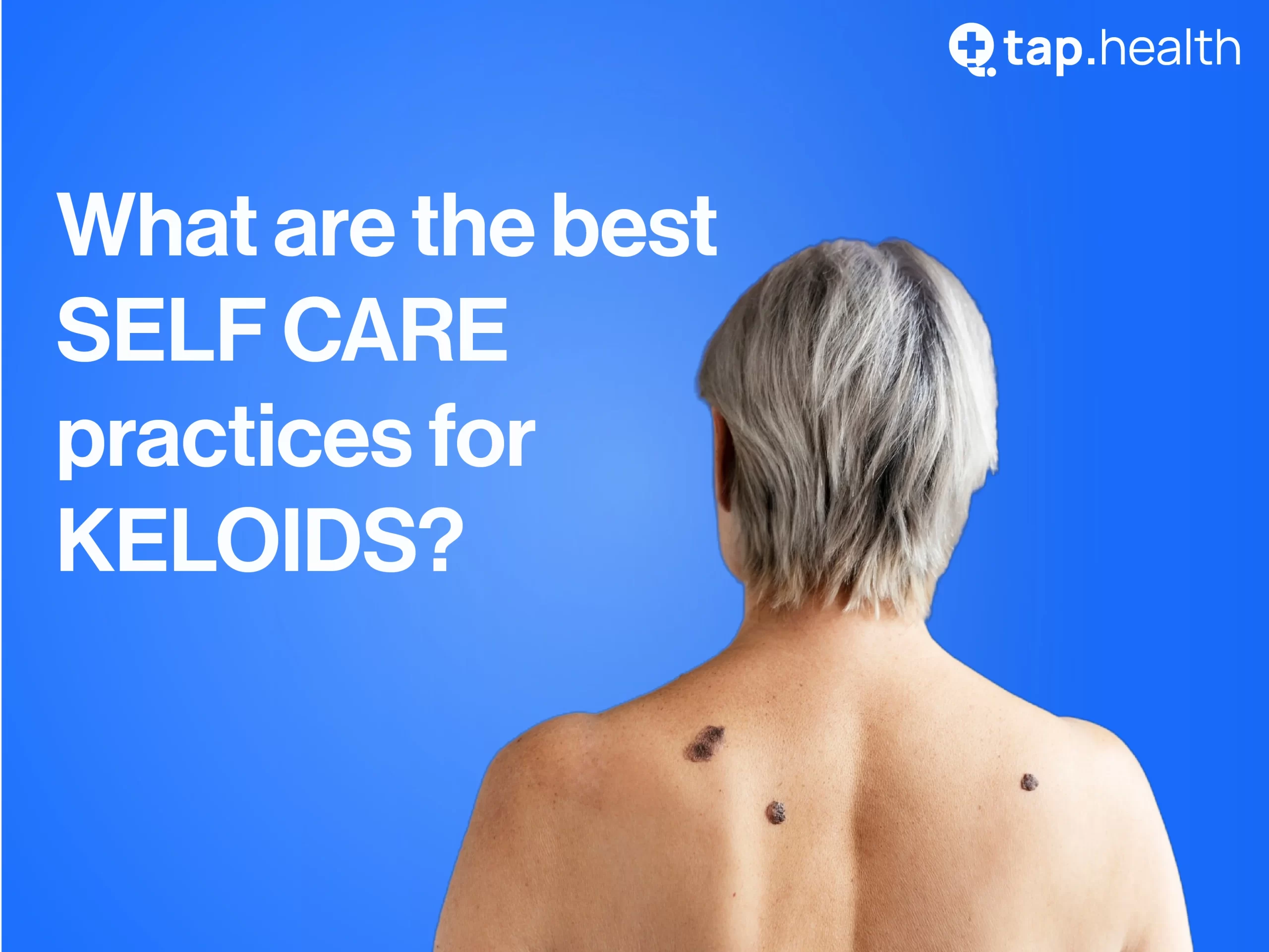
Keloids are an abnormal type of scar tissue that forms as a result of an overgrowth of collagen in the skin. They can be raised, thick, and have a shiny appearance. While keloids are not harmful, they can cause discomfort and self-consciousness. Understanding keloids and the importance of self-care is essential for managing and preventing further keloid formation.
Understanding Keloids
Keloids are benign growths that occur when the body’s natural healing process goes awry. Unlike normal scars that gradually fade over time, keloids can continue to grow beyond the boundaries of the original wound. They can be triggered by various factors, including surgery, acne, burns, piercings, or even minor skin injuries.
When keloids form, they can be a source of physical discomfort and emotional distress for individuals. The raised and firm nature of keloids can make them itchy and tender, causing irritation and sensitivity in the affected area. Additionally, the conspicuous appearance of keloids can impact a person’s self-esteem and body image, leading to psychological challenges.
What are Keloids?
Keloids are an overgrowth of scar tissue that can develop at the site of a skin injury. They typically appear as raised and firm growths that extend beyond the initial wound. Keloids can vary in size, shape, and color, and they can be accompanied by symptoms such as itching, tenderness, and discomfort.
It’s important to note that keloids can develop in anyone, regardless of age or ethnicity. However, individuals with darker skin tones are more susceptible to keloid formation due to increased melanin production in the skin. This heightened pigmentation can contribute to the exaggerated scarring response seen in keloids.
Causes of Keloids
The exact cause of keloids is not fully understood. However, certain factors increase the likelihood of keloid formation. Genetic predisposition plays a significant role, as individuals with a family history of keloids are more prone to developing them. Additionally, skin type, hormonal imbalances, and inflammation can contribute to keloid formation.
Research suggests that excessive collagen production in response to skin trauma is a key factor in keloid formation. Collagen is a protein that helps repair damaged skin, but an overproduction of collagen can lead to the formation of raised keloid scars. Understanding the mechanisms behind collagen regulation may offer insights into potential treatments for keloids in the future.
Common Areas Affected by Keloids
Keloids can develop on any part of the body, but they are most commonly found on the chest, back, shoulders, earlobes, and upper arms. These areas tend to have more tension on the skin, increasing the risk of keloid formation.
In addition to these common areas, keloids can also develop on joints and areas with frequent movement, such as the knees and elbows. The constant motion and stretching of the skin in these regions can contribute to the growth and persistence of keloids. Proper wound care and early intervention are crucial in managing keloids in these challenging locations.
The Importance of Self-Care for Keloids
Self-care plays a crucial role in managing keloids. While it may not eliminate them entirely, proper self-care can help reduce their size, relieve symptoms, and prevent further growth. Neglecting keloid care can have detrimental effects on their appearance and overall well-being.
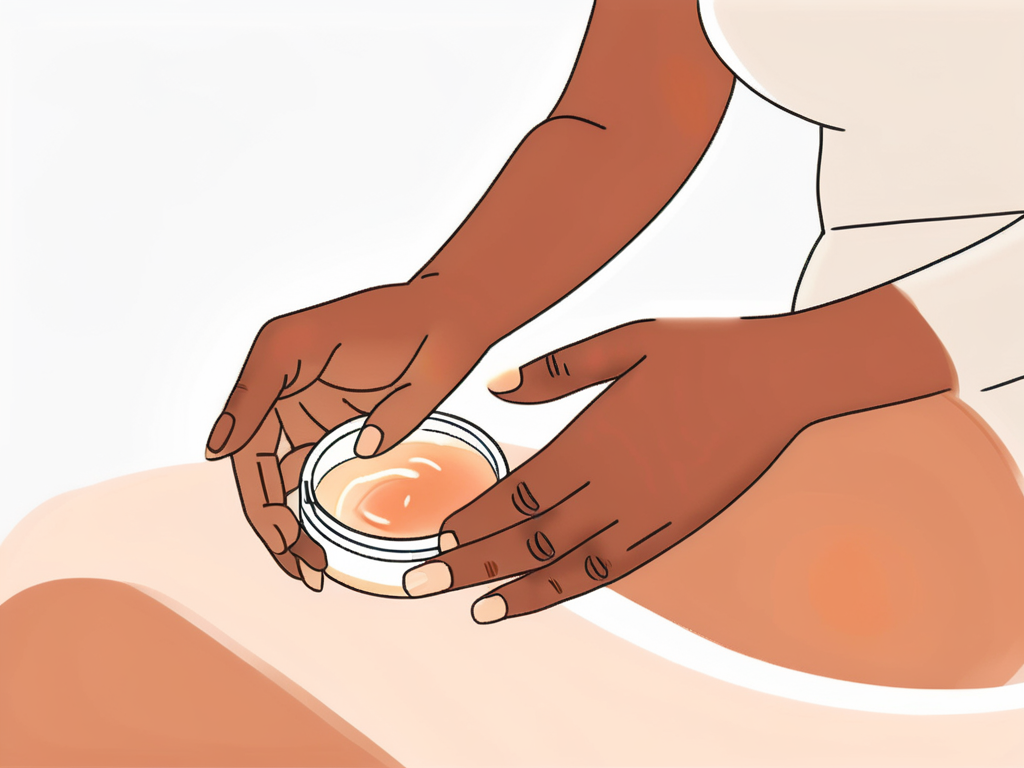
When it comes to self-care for keloids, a holistic approach is key. In addition to topical treatments, incorporating stress-reducing activities such as meditation or yoga can help improve overall skin health. Maintaining a balanced diet rich in vitamins and minerals can also support the body’s natural healing processes, aiding in keloid management.
Why Self-Care Matters
Self-care is essential for keloid management because it promotes healing, reduces inflammation, and prevents infection. It involves adopting healthy lifestyle habits, implementing an effective skincare routine, and seeking medical assistance when necessary.
Furthermore, self-care for keloids extends beyond physical treatments. Emotional well-being is also crucial in managing keloids, as the psychological impact of living with visible skin lesions can be significant. Seeking support from mental health professionals or joining support groups can help individuals cope with the emotional challenges that may arise.
Impact of Neglecting Keloid Care
Failure to address keloids promptly can lead to complications such as increased pain, discomfort, and psychological distress. Neglected keloids are also more likely to grow larger, making them harder to treat effectively. Taking proactive measures and practicing self-care can help prevent these undesirable outcomes.
It is important to remember that each individual’s experience with keloids is unique, and what works for one person may not work for another. Consulting with healthcare providers and dermatologists to develop a personalized self-care plan is crucial in effectively managing keloids and minimizing their impact on daily life.
Preventive Measures for Keloids
While it may not be possible to completely prevent keloids from forming, adopting certain preventive measures can minimize their occurrence. These measures include making lifestyle changes and establishing a skincare routine that promotes skin health.
Keloids are raised scars that occur when the skin overreacts to an injury or trauma, such as a piercing, surgery, or acne. They can be itchy, tender, and cosmetically bothersome. While some individuals may be more prone to developing keloids due to genetic factors, taking proactive steps can help reduce their likelihood.
Lifestyle Changes to Prevent Keloids
Living a healthy lifestyle can contribute to overall skin health and reduce the risk of keloid formation. This includes maintaining a balanced diet rich in vitamins and minerals essential for skin regeneration, staying hydrated to promote skin elasticity, getting regular exercise to improve circulation and collagen production, and avoiding behaviors that may damage the skin, such as excessive sun exposure or picking at blemishes.
Incorporating stress-reducing activities like meditation or yoga can also be beneficial, as stress can exacerbate skin conditions and potentially trigger keloid formation in susceptible individuals.
Skin Care Routine to Minimize Keloids
Developing a skincare routine that focuses on moisturizing and protecting the skin can help minimize keloid formation. Using gentle cleansers that do not strip the skin of its natural oils, hydrating moisturizers that support skin barrier function, and broad-spectrum sunscreen to shield against harmful UV rays can all contribute to maintaining skin health.
Furthermore, incorporating ingredients known for their anti-inflammatory properties, such as aloe vera or chamomile, can help soothe the skin and reduce the risk of excessive scarring. It is essential to be gentle with the skin and avoid abrasive exfoliants or harsh chemicals that can disrupt the skin’s balance and potentially trigger keloid formation.
Home Remedies for Keloid Management
While there is no cure for keloids, several home remedies can help manage their appearance and symptoms. These remedies involve natural ingredients and over-the-counter products that can promote healing and reduce inflammation.
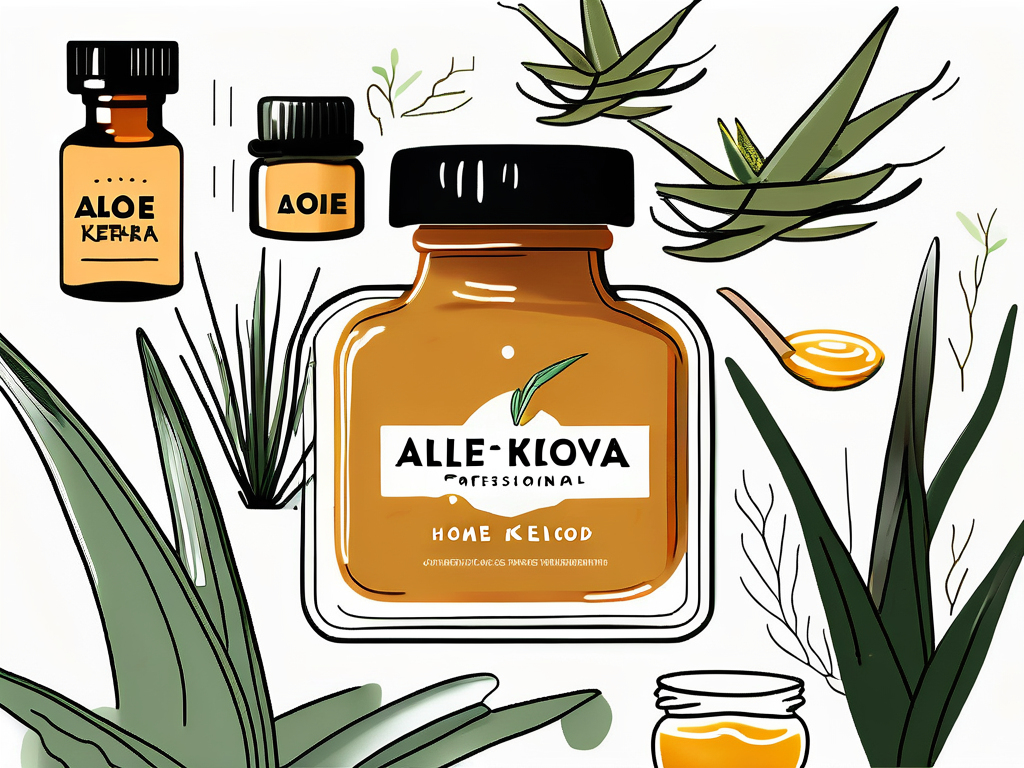
Keloids are raised scars that form when the skin overreacts to an injury, such as a cut or burn. They can be itchy, tender, and cosmetically bothersome. Managing keloids can be challenging, but with the right approach, their appearance can be improved.
Natural Remedies to Reduce Keloids
Several natural remedies have shown promise in reducing the size and appearance of keloids. Applying aloe vera gel, tea tree oil, or lavender oil to the affected area may help soothe the skin and minimize inflammation. These natural remedies are gentle on the skin and may provide relief from keloid symptoms. However, it is important to note that individual results may vary, and it is advisable to consult a healthcare professional before trying any home remedies.
In addition to topical treatments, maintaining a healthy lifestyle can also support keloid management. Eating a balanced diet rich in vitamins and minerals can promote skin health and overall well-being. Staying hydrated and protecting the skin from excessive sun exposure can also aid in the healing process.
Over-the-Counter Products for Keloids
There are various over-the-counter products available that claim to reduce the appearance of keloids. Silicone gel sheets, for example, are believed to help flatten and soften keloids when used consistently. These products provide a non-invasive approach to keloid management and can be easily incorporated into a skincare routine. It is recommended to consult with a healthcare professional or pharmacist before using any over-the-counter products to ensure their safety and efficacy for your specific condition.
When dealing with keloids, it is essential to be patient and consistent with your chosen treatment method. Keloid management takes time, and results may not be immediate. By combining natural remedies, over-the-counter products, and healthy lifestyle practices, you can take proactive steps towards improving the appearance of keloids and promoting skin health.
Medical Treatments for Keloids
In cases where self-care measures and home remedies prove ineffective, seeking medical help may be necessary. Medical treatments for keloids include various procedures that aim to shrink, flatten, or remove the keloid altogether.
When to Seek Medical Help
If your keloid causes significant discomfort, interferes with daily activities, or significantly affects your self-esteem, it is advisable to consult a dermatologist or a healthcare professional experienced in keloid treatment. They can assess your situation, provide a proper diagnosis, and recommend appropriate treatment options.
Understanding Different Medical Procedures
Medical procedures for keloids can range from simple corticosteroid injections to surgical excision with or without adjuvant therapies such as radiation or cryotherapy. The choice of treatment depends on various factors, including the size, location, and severity of the keloid. It is important to consult with a medical professional to determine the best course of action for your specific case.
In conclusion, keloid self-care is crucial for managing and preventing further keloid formation. Understanding what keloids are, their causes, and the common areas they affect, empowers individuals to take proactive measures. Adopting preventive measures, incorporating home remedies, and seeking medical assistance when necessary can contribute to reducing keloid size, relieving symptoms, and improving overall well-being.