Table of Contents
- Gluten, Microbiome, and Type 1 Diabetes: Unveiling the Links
- How Does Gluten Affect Gut Health and Type 1 Diabetes Risk?
- Understanding the Gluten-Microbiome Connection in Autoimmune Diseases
- Is Gluten a Trigger for Type 1 Diabetes? Exploring the Gut-Immune Axis
- Protecting Against Type 1 Diabetes: The Role of Gut Microbiota and Dietary Gluten
- Frequently Asked Questions
- References
Are you concerned about the rising rates of Type 1 diabetes, especially in children? Recent research is shedding light on a surprising connection: Gluten’s Impact on the Microbiome: A Link to Increased Type 1 Diabetes Risk. We’re exploring the fascinating world of gut health and its influence on autoimmune diseases. Understanding how gluten might affect your gut bacteria could be key to preventing or managing this serious condition. This blog post will delve into the latest scientific findings, offering clear explanations and practical insights into this complex relationship.
Gluten, Microbiome, and Type 1 Diabetes: Unveiling the Links
The rising incidence of Type 1 diabetes, particularly affecting children and adolescents in India and other tropical countries, demands a deeper understanding of its root causes. While genetics play a role, emerging research highlights the significant impact of gut microbiome disruption, and the role gluten might play in this process. Approximately 2 million Americans live with this autoimmune disease, including 304,000 children and adolescents, indicating a global health concern that deserves increased attention in regions like India and Southeast Asia.
The Gluten-Microbiome Connection in Type 1 Diabetes
Gluten, a protein found in wheat, barley, and rye, is known to trigger inflammation in individuals with celiac disease. However, emerging evidence suggests that even in the absence of celiac disease, gluten may negatively impact the gut microbiome in genetically predisposed individuals. This disruption could lead to an imbalance in gut bacteria, potentially increasing the risk of autoimmune responses, like those seen in Type 1 diabetes. This is particularly important in regions with high wheat consumption, such as many parts of India, where dietary habits may contribute to this risk. The connection between gut health and autoimmune conditions is complex, and understanding the role of the microbiome is crucial. For instance, consider exploring the potential relationship between diet and other autoimmune issues, such as those discussed in Gluten-Free Diet and Hypothyroidism: Is There a Connection?
Dietary Strategies for Mitigating Risk
The research into the intricate relationship between gluten, the microbiome, and Type 1 diabetes is still ongoing, but preliminary findings suggest a potential benefit in adopting a diet low in gluten, particularly for individuals with a family history of autoimmune diseases or residing in regions with high Type 1 diabetes prevalence. Focusing on a diverse diet rich in fruits, vegetables, and fiber, alongside reducing processed foods, can help promote a healthy gut microbiome and contribute to overall well-being. It’s also important to consider the impact of other lifestyle factors, like obesity, which can significantly influence diabetes risk. For more information on this, read our blog post on Understanding the Link Between Diabetes and Obesity. Consult with a qualified healthcare professional or registered dietitian for personalized dietary advice, tailored to your specific needs and regional context. Early intervention and preventative measures are crucial, especially within vulnerable populations in India and tropical countries.
How Does Gluten Affect Gut Health and Type 1 Diabetes Risk?
The connection between diet and autoimmune diseases like Type 1 diabetes is increasingly recognized, with gluten playing a significant role. While primarily associated with celiac disease, emerging research suggests a link between gluten consumption and an increased risk of Type 1 diabetes, particularly in children. This is especially relevant in regions like India and tropical countries where dietary habits often include significant amounts of gluten-containing foods.
Understanding the Gut-Diabetes Connection
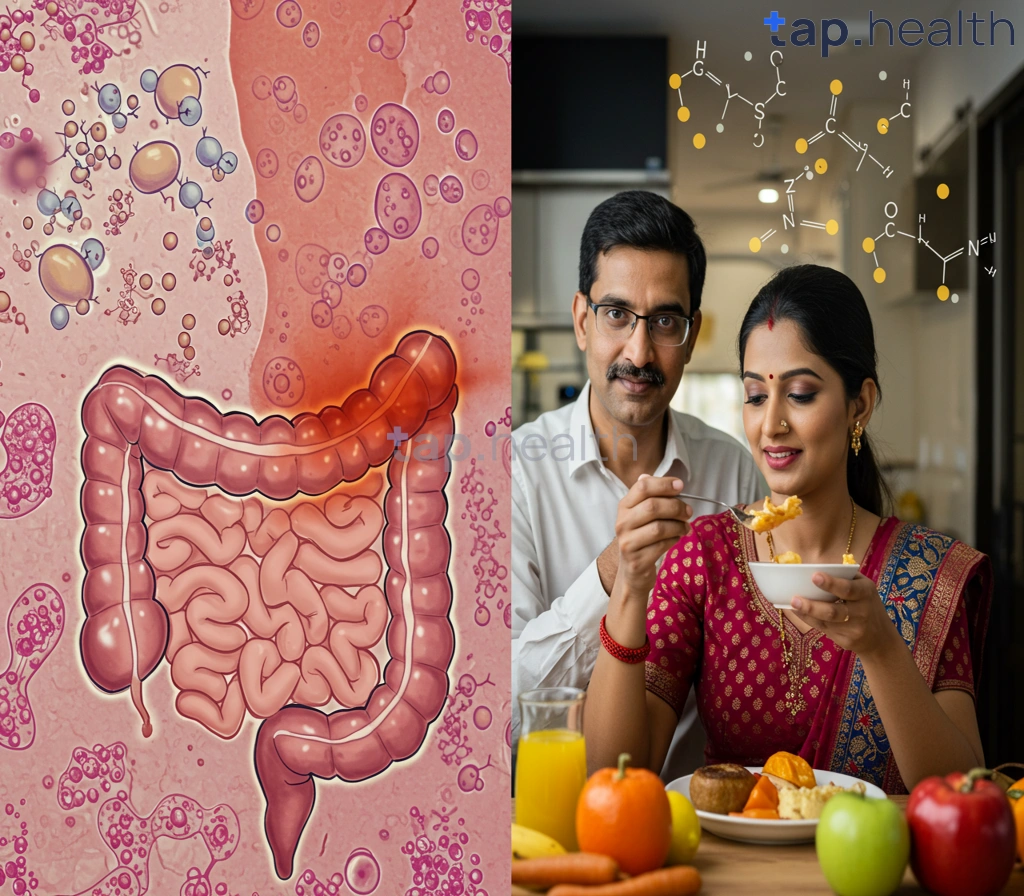
Our gut microbiome, a complex ecosystem of bacteria, fungi, and viruses, plays a critical role in immune system development and function. Gluten, a protein found in wheat, barley, and rye, can disrupt this delicate balance in susceptible individuals. It can trigger inflammation in the gut lining, potentially leading to increased intestinal permeability (“leaky gut”). This allows undigested food particles and toxins to enter the bloodstream, potentially triggering an autoimmune response that attacks the insulin-producing cells in the pancreas, resulting in Type 1 diabetes. The prevalence of wheat and wheat-based products in many Indian and tropical diets highlights the importance of understanding this potential risk.
Regional Considerations and Dietary Advice
In India and other tropical countries, traditional diets are undergoing rapid transformation, often incorporating more processed foods containing gluten. While more research is needed to fully understand the precise mechanisms involved, the existing evidence suggests a need for cautious dietary approaches, particularly for those with a family history of autoimmune diseases. It’s noteworthy that children born to mothers with gestational diabetes are 7x more likely to develop Type 2 diabetes later in life, emphasizing the importance of long-term dietary management. Consider consulting a healthcare professional or registered dietitian to discuss personalized dietary recommendations based on your family history and individual needs. This is crucial for mitigating potential risks and promoting overall gut health. For more information on managing dietary restrictions, you might find What is a Gluten-Free Diet Plan? A Complete Beginner’s Guide helpful. Understanding the role of gluten in other conditions can also be insightful; for example, see our article on Can a Gluten-Free Diet Help Manage PCOS?.
Understanding the Gluten-Microbiome Connection in Autoimmune Diseases
While Type 1 diabetes is an autoimmune disease distinct from Type 2 diabetes (where insulin resistance is a major factor in over 80% of cases), the role of the gut microbiome in both is increasingly understood. The connection between gluten consumption and microbiome disruption is a significant area of ongoing research, particularly concerning autoimmune conditions prevalent in India and other tropical regions. A healthy gut microbiome is crucial for immune regulation; imbalances can trigger or exacerbate autoimmune responses.
Gluten’s Impact on Gut Health in Tropical Climates
Gluten, a protein found in wheat, barley, and rye, can damage the intestinal lining in susceptible individuals, leading to increased intestinal permeability, often called “leaky gut.” This allows undigested food particles and toxins to enter the bloodstream, potentially triggering an immune response. This effect is particularly relevant in tropical regions with diverse dietary habits, where gluten may be introduced alongside other potential microbiome disruptors. The high prevalence of certain autoimmune diseases in some tropical populations suggests a complex interplay of genetic predisposition, environmental factors, and dietary influences, including gluten intake.
Managing Gluten Intake for Microbiome Balance
Minimizing gluten consumption can be a beneficial step towards improving gut health and potentially reducing the risk of autoimmune diseases, particularly in individuals with a known family history. In India and other tropical countries, diverse traditional diets, rich in fermented foods and various plant-based proteins, can often support a healthier microbiome. For more information on how diet impacts gut health, see our article on How Nutrition Impacts Gut Health and the Microbiome – Tap Health. Consulting a healthcare professional or registered dietitian familiar with regional dietary practices is crucial for creating a personalized plan that considers individual needs and potential sensitivities. Remember that dietary changes should always be made in consultation with a health expert, especially for those with existing conditions. Exploring gluten-free alternatives within the context of a balanced, region-specific diet can be an effective approach to microbiome management. Furthermore, incorporating prebiotics and probiotics can significantly enhance gut health and aid in diabetes management.
Is Gluten a Trigger for Type 1 Diabetes? Exploring the Gut-Immune Axis
The Complex Relationship Between Gluten and Type 1 Diabetes
The global burden of type 1 diabetes is significant, with 1.2 million children and adolescents currently living with this autoimmune disease. While genetics play a crucial role, increasing evidence suggests that environmental factors, including diet, might also contribute to the development of type 1 diabetes. One such factor gaining attention is gluten, a protein found in wheat, barley, and rye. The potential link lies in gluten’s impact on the gut microbiome and its interaction with the immune system. For a deeper understanding of the genetic component, read our article on Is Type 1 Diabetes Genetic? – Tap Health.
Gluten’s Influence on the Gut Microbiome in Tropical Climates
The gut microbiome, a complex community of bacteria and other microorganisms residing in our intestines, plays a vital role in immune system development and regulation. In individuals genetically predisposed to type 1 diabetes, gluten ingestion may disrupt the balance of this microbiome, leading to increased intestinal permeability (“leaky gut”). This can trigger an immune response, potentially leading to the autoimmune attack on insulin-producing cells in the pancreas, a hallmark of type 1 diabetes. This process is further complicated in tropical and Indian climates, where dietary habits and exposure to various environmental factors may influence the gut microbiome’s composition and resilience. Further research is needed to understand these regional variations.
Practical Steps and Considerations for Indian & Tropical Regions
Given the prevalence of type 1 diabetes and the potential role of gluten, particularly in susceptible populations, it’s crucial to consider dietary adjustments. While a gluten-free diet isn’t a preventative measure for everyone, parents in India and other tropical countries should consult with healthcare professionals regarding their children’s dietary needs, particularly if there is a family history of autoimmune diseases. Early detection and management of type 1 diabetes are vital for improving the quality of life for affected children and adolescents. Regular health check-ups are essential, along with careful monitoring of blood sugar levels. Understanding how type 1 diabetes affects the body’s homeostasis is also crucial; see our article on How Does Type 1 Diabetes Affect Homeostasis? Key Insights for more information.
Protecting Against Type 1 Diabetes: The Role of Gut Microbiota and Dietary Gluten
Understanding the Gut-Diabetes Connection
Our gut is home to trillions of bacteria, fungi, and other microorganisms—together called the gut microbiome. This ecosystem plays a vital role in digestion, immunity, and overall health. Research shows that an unhealthy gut balance may contribute to autoimmune diseases like Type 1 diabetes.
One factor under investigation is dietary gluten. Gluten, a protein found in wheat, barley, and rye, may disrupt gut health in genetically predisposed individuals. This disruption can lead to increased intestinal permeability (commonly called “leaky gut”), inflammation, and a higher risk of autoimmune conditions.
Although Type 1 diabetes is different from Type 2, lifestyle and dietary choices are still important. Studies suggest that up to 80% of Type 2 diabetes cases can be prevented or delayed through diet and lifestyle changes. While more research is needed for Type 1, building healthy habits early may help lower risk.
Gluten’s Impact on the Microbiome in Indian and Tropical Contexts
In India and tropical countries, gluten is commonly consumed through foods like wheat-based chapatis, bread, and barley dishes. While rice is naturally gluten-free, diets in these regions are becoming more westernized, with increasing use of gluten-heavy processed foods.
-
Gut balance: A healthy gut microbiome regulates immunity. Gluten may disrupt this balance in sensitive individuals, raising the risk of autoimmune conditions.
-
Leaky gut risk: Gluten-related inflammation may damage the intestinal lining, allowing harmful substances to pass into the bloodstream.
-
Traditional protection: Traditional Indian and tropical diets often include fermented foods like yogurt, pickles, and idli, which naturally support gut health. Maintaining these practices may help counterbalance gluten’s effects.
Protecting Your Gut: Practical Steps
Taking care of your gut microbiome is a proactive way to lower your risk of chronic illnesses, including Type 1 diabetes:
-
Eat diverse plant foods: Include fruits, vegetables, legumes, and whole grains that feed good gut bacteria.
-
Add probiotics: Fermented foods like yogurt, kimchi, kefir, and traditional Indian pickles support a healthy gut balance.
-
Choose prebiotics: Foods like onions, garlic, bananas, and asparagus provide fuel for beneficial bacteria.
-
Limit processed foods: Refined carbs, sugary snacks, and packaged foods can harm gut balance.
-
Be mindful of gluten: If you have a family history of autoimmune diseases or gluten sensitivity, reducing gluten may support gut health.
-
Seek professional advice: A doctor or dietitian can help you personalize your diet based on your health and genetics.
✅ Key takeaway: Protecting your gut health through mindful eating, probiotics, and limited gluten intake may reduce your risk of Type 1 diabetes and improve overall well-being—especially in Indian and tropical contexts where diet plays such a central role.
Frequently Asked Questions on Gluten’s Impact on the Microbiome
Q1. What is the connection between gluten, gut microbiome, and Type 1 diabetes?
Emerging research suggests that gluten, a protein in wheat, barley, and rye, may disrupt the gut microbiome in those genetically predisposed to Type 1 diabetes. This disruption can lead to an imbalance of gut bacteria, potentially increasing the risk of autoimmune responses like those seen in Type 1 diabetes.
Q2. How can dietary changes help mitigate the risk of Type 1 diabetes?
While research is ongoing, a diet low in gluten, especially for those with a family history of autoimmune diseases, may be beneficial. A diverse diet rich in fruits, vegetables, and fiber, while reducing processed foods, can promote a healthy gut microbiome and overall well-being. Consult a healthcare professional for personalized advice.
Q3. What is the role of the gut microbiome in Type 1 diabetes?
The gut microbiome plays a critical role in immune system development and function. Gluten can disrupt this balance, potentially increasing intestinal permeability (“leaky gut”), allowing undigested food particles and toxins to enter the bloodstream, triggering an autoimmune response that attacks insulin-producing cells.
Q4. Is a gluten-free diet recommended for everyone to prevent Type 1 diabetes?
More research is needed to fully understand the link between gluten and Type 1 diabetes. A gluten-free diet isn’t a guaranteed preventative measure for everyone. Consult a healthcare professional to determine if dietary adjustments, including gluten reduction, are appropriate based on your individual family history and risk factors.
Q5. What steps can individuals in India and tropical countries take to reduce their risk?
Given the high prevalence of Type 1 diabetes and common dietary habits involving gluten in these regions, consulting a healthcare professional for personalized dietary recommendations is crucial. Focusing on a diverse, balanced diet rich in fruits, vegetables, and fiber, while limiting processed foods and gluten where appropriate, can support a healthier gut microbiome.
References
- What is Diabetes: https://www.medschool.lsuhsc.edu/genetics/docs/DIABETES.pdf
- A Practical Guide to Integrated Type 2 Diabetes Care: https://www.hse.ie/eng/services/list/2/primarycare/east-coast-diabetes-service/management-of-type-2-diabetes/diabetes-and-pregnancy/icgp-guide-to-integrated-type-2.pdf