tap.health logo
  • Diabetes Management
  • Health Assistant
  • About Us
  • Blog
  • Contact Us
Get Plan
  • Diabetes Management
  • Health Assistant
  • About Us
  • Blog
  • Contact Us
  • All Blogs
  • Diabetes
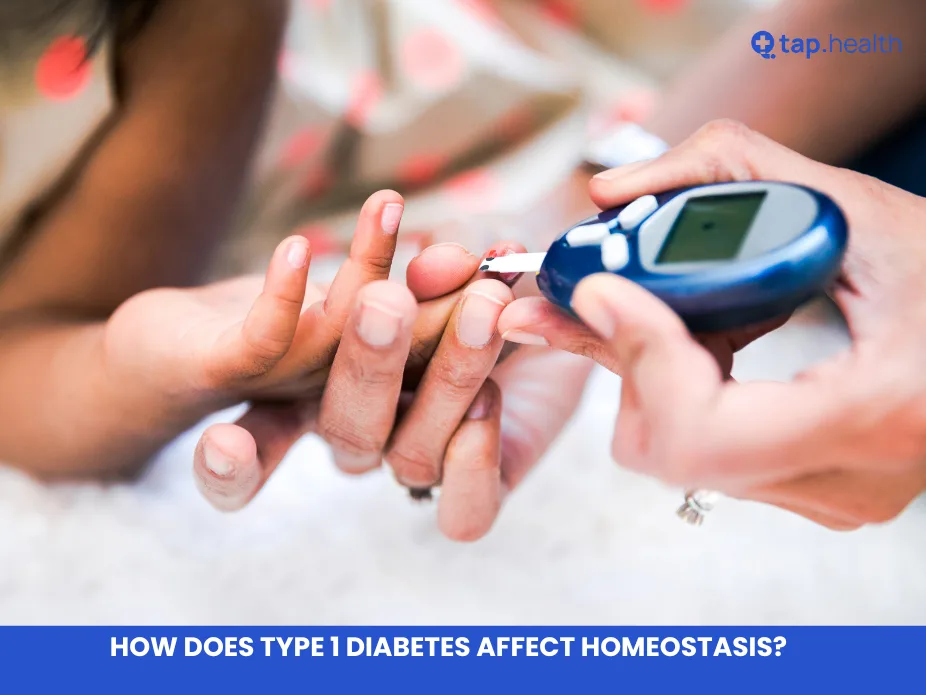
  • How Does Type 1 Diabetes Affect Homeostasis?

How Does Type 1 Diabetes Affect Homeostasis?

Diabetes
October 11, 2025
• 7 min read
Isha Yadav
Written by
Isha Yadav
Neha Sharma
Reviewed by:
Neha Sharma
Dietitian and Nutrition Officer
ChatGPT Perplexity WhatsApp LinkedIn X Grok Google AI
How Does Type 1 Diabetes Affect Homeostasis?

TypHomeostasis is the body’s ability to maintain a stable internal environment, balancing various systems like temperature, pH, water levels, and glucose. This balance is crucial for the body to function efficiently. In healthy individuals, the body regulates these parameters automatically. However, in people with type 1 diabetes, homeostasis is disrupted due to the body’s inability to produce insulin, a hormone vital for regulating blood sugar levels.

In this blog post, we’ll explore how type 1 diabetes affects homeostasis and why it’s important to understand this relationship. We will look into the role of insulin, blood sugar regulation, and how the body tries to adapt to the changes caused by diabetes. Understanding the effects of type 1 diabetes on homeostasis can help manage the condition better and maintain overall health.

What is Homeostasis?

Before delving into how type 1 diabetes affects homeostasis, let’s first understand what homeostasis is. Homeostasis refers to the body’s ability to maintain stable internal conditions despite changes in external conditions. This includes regulating vital factors such as:

  • Body Temperature: Maintaining a constant internal temperature (around 37°C) to ensure the body’s enzymes and processes work efficiently.
  • Blood Sugar Levels: Regulating glucose levels in the blood to provide energy for the body’s cells.
  • Fluid Balance: Keeping the right amount of water and electrolytes in the body to ensure proper cell function.
  • Blood pH Levels: Maintaining the balance of acidity and alkalinity in the body to prevent disruptions in cellular activities.

In a healthy individual, the body uses various mechanisms to regulate these factors. For example, when blood sugar levels rise after eating, the body releases insulin to help bring those levels back to normal. Similarly, if blood sugar levels drop, the body releases glucagon to raise the levels.

What is Type 1 Diabetes?

Type 1 diabetes is an autoimmune condition where the body’s immune system mistakenly attacks and destroys the insulin-producing beta cells in the pancreas. As a result, people with type 1 diabetes are unable to produce insulin, a hormone that is crucial for regulating blood sugar levels.

Unlike type 2 diabetes, where the body becomes resistant to insulin, type 1 diabetes typically develops in childhood or adolescence and requires lifelong insulin therapy. Without insulin, blood sugar levels can become dangerously high, or in some cases, too low. This disruption in glucose regulation significantly impacts homeostasis.

How Does Type 1 Diabetes Affect Blood Sugar Homeostasis?

1. Loss of Insulin Production

Insulin plays a critical role in regulating blood sugar levels by helping glucose enter cells for energy production. In people with type 1 diabetes, the immune system attacks and destroys insulin-producing cells in the pancreas. As a result, insulin production is significantly reduced or completely absent.

Without sufficient insulin, the body cannot regulate blood glucose levels effectively. After eating, blood sugar levels can spike and remain elevated, leading to hyperglycemia. On the other hand, if insulin doses are too high or there is an imbalance, blood sugar can drop too low, leading to hypoglycemia. Both hyperglycemia and hypoglycemia disrupt normal homeostasis.

2. Impact on Glucose Regulation

In a healthy body, after you eat, glucose from food enters the bloodstream. The pancreas releases insulin to help cells absorb this glucose. However, in individuals with type 1 diabetes, the pancreas cannot produce enough insulin, leading to poor glucose regulation. This results in fluctuating blood sugar levels—high after meals (hyperglycemia) and low between meals or during physical activity (hypoglycemia).

The body tries to compensate for this imbalance in several ways. When blood sugar is too high, the kidneys work to filter out excess glucose, often leading to frequent urination. The body also starts breaking down fat for energy, which can lead to the production of ketones—a by-product of fat breakdown. High levels of ketones can lead to diabetic ketoacidosis, a potentially life-threatening condition.

The Role of Insulin in Homeostasis

1. Insulin’s Role in Maintaining Blood Sugar Levels

Insulin is essential for maintaining blood sugar homeostasis. When you eat, your body digests food and breaks it down into glucose, which enters the bloodstream. Insulin helps regulate this glucose by facilitating its transport into cells for energy production. This process ensures that blood sugar levels stay within a healthy range.

In individuals with type 1 diabetes, the absence of insulin means that the body cannot properly regulate glucose. As a result, blood sugar levels can rise significantly, leading to various complications such as nerve damage, kidney problems, and cardiovascular disease.

2. Insulin Therapy and Blood Sugar Control

To manage type 1 diabetes, individuals need to take insulin either through injections or an insulin pump. This therapy is designed to mimic the body’s natural insulin production. The goal is to keep blood sugar levels within a target range to avoid both hyperglycemia and hypoglycemia.

However, insulin therapy is not without its challenges. It requires careful monitoring of blood sugar levels, a balance between insulin doses, diet, and physical activity. Insulin therapy can help restore some level of blood sugar homeostasis, but it requires consistent management to avoid complications.

How Does Type 1 Diabetes Affect Fluid and Electrolyte Balance?

1. Increased Urination and Dehydration

When blood sugar levels are high, the kidneys work harder to filter out the excess glucose from the bloodstream. This leads to increased urination (polyuria), which can result in dehydration. Dehydration can disrupt the body’s fluid balance, causing symptoms such as dry mouth, weakness, and dizziness.

In severe cases, dehydration can lead to electrolyte imbalances, affecting the function of muscles and nerves. Electrolytes like sodium, potassium, and calcium play a crucial role in maintaining the body’s internal environment, and disruptions in their balance can have serious consequences.

2. Electrolyte Imbalance and Diabetic Ketoacidosis

When blood sugar levels are high for an extended period, the body starts breaking down fats for energy, producing ketones. These ketones, if accumulated in the body, can lead to diabetic ketoacidosis (DKA), a serious complication of type 1 diabetes. DKA causes a drop in blood pH levels, which can disrupt electrolyte balance. The body tries to compensate by shifting electrolytes in and out of cells, leading to further imbalances.

How Does Type 1 Diabetes Affect Other Homeostatic Mechanisms?

1. Thermoregulation (Body Temperature Control)

Maintaining body temperature within a narrow range is essential for the proper functioning of enzymes and metabolic processes. In people with type 1 diabetes, fluctuations in blood sugar levels can affect thermoregulation. High blood sugar levels can cause excessive urination and dehydration, which can affect the body’s ability to regulate temperature. Additionally, the body’s stress response to fluctuating blood sugar levels can also disrupt temperature regulation, leading to feelings of being hot or cold.

2. pH Balance and Diabetic Ketoacidosis (DKA)

As mentioned earlier, DKA occurs when the body starts producing high levels of ketones due to a lack of insulin. These ketones can make the blood more acidic, disrupting the body’s normal pH balance. The body has mechanisms to compensate for this acidity, but if left untreated, DKA can lead to severe acidosis, which affects various organ systems, including the brain and heart.

3. Immune System Function

Type 1 diabetes itself is an autoimmune condition where the body’s immune system attacks its own insulin-producing cells. This compromise in immune function can make individuals with type 1 diabetes more susceptible to infections. A weakened immune system can also affect other homeostatic processes, such as wound healing and inflammation control.

How to Manage Homeostasis in Type 1 Diabetes

Maintaining homeostasis in the presence of type 1 diabetes requires careful management of blood sugar levels, hydration, and overall health. Here are a few key strategies:

1. Regular Monitoring of Blood Sugar Levels

Frequent blood glucose monitoring is essential for managing type 1 diabetes. Regular monitoring helps individuals adjust their insulin doses, plan meals, and anticipate the effects of physical activity on blood sugar levels. This proactive approach helps maintain blood sugar levels within a healthy range, minimizing the risk of both hyperglycemia and hypoglycemia.

2. Insulin Therapy and Proper Dosing

Taking the right amount of insulin at the right times is crucial to restoring and maintaining blood sugar homeostasis. This requires a tailored approach, often with the help of an endocrinologist or diabetes educator, who can guide insulin management based on diet, exercise, and lifestyle.

3. Hydration and Electrolyte Management

Staying hydrated is important for preventing dehydration, especially when blood sugar levels are high. Drinking enough water and consuming electrolyte-rich foods or drinks can help maintain fluid balance and prevent complications such as dehydration and electrolyte imbalances.

4. Healthy Diet and Exercise

A balanced diet that includes healthy carbohydrates, lean proteins, and healthy fats can help regulate blood sugar levels. Regular physical activity also helps improve insulin sensitivity, making it easier to manage blood sugar levels. A well-rounded approach to diet and exercise supports overall homeostasis.

Real-Life Scenario

Consider a 16-year-old student diagnosed with Type 1 diabetes. After forgetting to take insulin before breakfast, they feel weak, thirsty, and light-headed at school. Their blood sugar reading shows 320 mg/dL. This spike in glucose disrupts the body’s homeostasis, forcing the kidneys to excrete excess sugar through urine—leading to dehydration and fatigue. After taking insulin and rehydrating, their glucose levels stabilize, restoring balance to the body.

Expert Contribution

Endocrinologists explain that insulin acts as a key regulator in the homeostatic system controlling glucose metabolism. When insulin is absent, the feedback loop that maintains blood sugar fails. Experts emphasize that consistent blood glucose monitoring, insulin therapy, and dietary management are essential for maintaining internal stability.

Research from the American Diabetes Association (ADA) also highlights that maintaining glucose within a target range reduces the risk of complications like neuropathy, nephropathy, and retinopathy, all of which stem from disrupted homeostasis.

Recommendations Grounded in Proven Research and Facts

  • Monitor blood glucose regularly to detect imbalances early.
  • Follow a balanced diet with controlled carbohydrate intake to maintain energy stability.
  • Administer insulin consistently as prescribed to restore homeostatic control.
  • Stay hydrated to counter fluid loss from excess urination.
  • Engage in moderate exercise, which enhances insulin sensitivity and helps stabilize glucose levels.
  • Understand body cues such as fatigue, excessive thirst, or frequent urination—signs that homeostasis is disrupted.

Frequently Asked Questions (FAQs) on How Does Type 1 Diabetes Affect Homeostasis?

Q1: How does type 1 diabetes disrupt homeostasis?

Type 1 diabetes disrupts homeostasis by affecting blood sugar regulation, fluid balance, and electrolyte levels. Insulin deficiency leads to fluctuating blood sugar levels, dehydration, and the potential for diabetic ketoacidosis, all of which impact homeostatic balance.

Q2: What is the role of insulin in homeostasis?

Insulin helps regulate blood sugar by allowing glucose to enter cells for energy. It is crucial in maintaining blood sugar levels within a healthy range, ensuring stable internal conditions in the body.

Q3: How does dehydration affect people with type 1 diabetes?

Dehydration in type 1 diabetes often results from high blood sugar levels, which cause excessive urination. Dehydration can lead to electrolyte imbalances, further disrupting homeostasis and causing symptoms like dizziness, weakness, and confusion.

Q4: What are the long-term effects of type 1 diabetes on homeostasis?

Long-term type 1 diabetes can lead to complications such as cardiovascular disease, kidney damage, nerve damage, and eye problems. These complications arise from chronic disruptions in blood sugar regulation and homeostasis, which can affect various bodily systems over time.

Q5: How can type 1 diabetes be managed to maintain homeostasis?

Type 1 diabetes can be managed through regular blood glucose monitoring, insulin therapy, proper hydration, a healthy diet, and regular exercise. These measures help maintain homeostasis by keeping blood sugar levels stable and supporting overall bodily functions.

Conclusion

Type 1 diabetes significantly impacts homeostasis by disrupting blood sugar regulation, fluid balance, and other bodily processes. Without proper insulin production, individuals with type 1 diabetes struggle to maintain the internal balance necessary for good health. However, with careful management—including insulin therapy, diet, exercise, and hydration—it’s possible to restore and maintain homeostasis, reducing the risk of complications and improving overall well-being. Understanding how type 1 diabetes affects homeostasis is essential for managing the condition and maintaining a healthy lifestyle.

Tags
diabetes food cravings whey protein diabetes diabetes thirst fluids skipping breakfast diabetes diabetes and blurred vision breathlessness diabetes diabetes nausea causes dry mouth high blood sugar diabetes and shoulder pain diabetes and palpitations diabetes symptoms and tests diabetes and hand tremors causes diabetes prevention foot health diabetes and sleep fasting blood sugar diabetes misconceptions diabetes medicine safety diabetic neuropathy symptoms diabetic foot ulcer warning signs can diabetics eat mango diabetes itching urinary infection diabetes diabetes slow wound healing metformin side effects diabetes numbness in hands banana for diabetes dates blood sugar jaggery for diabetes is poha good for diabetes guava blood sugar India diabetes pregnancy blood sugar targets diabetes medicine India blood sugar vs blood pressure LADA diabetes symptoms ED in diabetic men how to store insulin cataract surgery diabetes diabetes cholesterol levels Ramadan diabetes medicine timing walking after meals diabetes flu vaccine diabetes sugar cravings diabetes protein powder kidney diabetes diabetes diarrhoea vomiting diabetes breakfast skipping diabetic eye symptoms high sugar breathing problems diabetes and vomiting diabetes mouth symptoms diabetes frozen shoulder racing heart low sugar diabetes and tingling feet diabetes and appetite loss A1C gestational diabetes poor sleep blood sugar HbA1c diabetes symptoms in women diabetes medicines diabetes nerve damage diabetes and blood pressure mango and diabetes dark patches diabetes diabetes stomach problems diabetes wounds metformin safety diabetes tingling hands banana blood sugar papaya for diabetes is jaggery good for diabetes poha blood sugar orange for diabetes sugar spike after rice postpartum diabetes risk type 1 vs type 2 diabetes diabetes vs high cholesterol latent autoimmune diabetes in adults diabetes and menopause insulin storage at home diabetes and muscle loss diabetes triglycerides diabetes and shift work diabetes and smoking GLP-1 diabetes medicines diabetes hunger cravings CGM skin irritation diabetes diabetes sick day vomiting morning sugar skipping breakfast diabetes and sweating diabetes and shaking vomiting with diabetes diabetes and itchy skin shoulder stiffness diabetes heart pounding diabetes diabetes and tingling feet causes diabetes and appetite loss causes Medicine blood sugar pregnancy diabetes sleep and diabetes diabetes in India women diabetes signs diabetes treatment advice tingling feet diabetes high blood pressure diabetes mango sugar diabetes walking after meals for diabetes diabetic gastroparesis diabetic wound care diabetes ketoacidosis warning signs diabetic neuropathy hands coconut water and diabetes is papaya good for diabetes gur for diabetes sprouts for diabetes can diabetics eat oranges Indian diet diabetes diabetes after pregnancy type 1 and type 2 diabetes difference lipid profile diabetes diabetes vs MODY menopause blood sugar insulin fridge temperature diabetes muscle weakness diabetes and high blood pressure night shift diabetes smoking diabetes risk GLP-1 weight loss diabetes diabetes and fever CGM sensor rash diabetes loose motions late dinner diabetes sweating low blood sugar tremors low blood sugar diabetes and cold feet itching high blood sugar diabetes and loss of appetite diabetes and muscle weakness diabetes and sweaty feet diabetes and burning feet Health fasting glucose blood sugar pregnancy diabetes and stress diabetes risk factors India diabetes risk women Indian diabetic diet chart diabetes eye disease diabetes heart kidney risk diabetes reversal vs remission post meal walk diabetes diabetes bloating nausea diabetes yeast infection DKA symptoms fasting with diabetes coconut water for diabetes papaya blood sugar watermelon for diabetes are sprouts good for diabetes orange blood sugar glucose spike symptoms gestational diabetes India difference between type 1 and type 2 diabetes diabetes vs neuropathy MODY diabetes symptoms type 2 diabetes menopause glucometer errors sarcopenia diabetes diabetes hypertension diabetes meal timing shift work diabetes quit smoking semaglutide diabetes best shoes for diabetic feet diabetes adhesive allergy CGM diabetes and kidney stones diabetes dinner timing diabetes and leg cramps shaky feeling diabetes cold feet diabetes diabetes fungal itching loss appetite diabetes weakness high blood sugar diabetes and sweaty feet causes diabetes and burning feet causes Lifestyle A1C test low blood sugar stress blood sugar diabetes prevention India diabetes symptoms in men diabetic meal plan diabetic eye test borderline HbA1c diabetes remission walking lowers blood sugar diabetes sick day rules diabetes fungal infection ketones diabetes diabetes fasting safety can diabetics drink coconut water oats for diabetes can diabetics eat watermelon sprouts blood sugar brown bread for diabetes post meal blood sugar continuous glucose monitor India diabetes vs diabetes insipidus diabetes vs heart disease maturity onset diabetes of the young diabetes and frozen shoulder wrong blood sugar reading diabetes and anaemia BP in diabetes diabetes and vitamin D diabetes neuropathy pain relief diabetes and migraine diabetic socks foot ulcer prevention diabetes monsoon care kidney stones diabetes night sugar late dinner leg cramps diabetes diabetes and periods diabetes poor circulation feet diabetes and swollen ankles diabetes not feeling hungry diabetes leg weakness diabetes and neck pain diabetes and slow digestion Home remedies diabetes diet hypoglycemia cortisol diabetes best fruits for diabetes men diabetes signs HbA1c test high protein breakfast for diabetes HbA1c 5.7 to 6.4 reverse type 2 diabetes diabetes grocery list India diabetes during illness diabetes vaginal itching diabetes blurry vision can diabetics fast curd for diabetes oatmeal diabetes watermelon blood sugar methi seeds for diabetes bread for diabetes insulin resistance symptoms CGM cost India diabetes mellitus vs diabetes insipidus diabetes heart disease risk continuous glucose monitor diabetes frozen shoulder diabetes reactive hypoglycaemia anaemia diabetes HbA1c diabetes and liver enzymes vitamin D deficiency diabetes diabetic neuropathy burning feet diabetes headache triggers diabetes and driving diabetes rainy season foot infection diabetes urine pain diabetes medicine timing diabetes muscle cramps periods affect blood sugar hair loss diabetes ankle swelling diabetes diabetes and restless legs diabetes and memory problems diabetes and neck pain causes diabetes and slow digestion causes Fitness balanced meals diabetes safety diabetes eye care diabetes fruits diabetes risk men HbA1c normal range diabetes breakfast India prediabetes HbA1c diabetes plate method diabetic food list India blood sugar fever infection diabetes night sweats high blood sugar blurry vision insulin injection sites is curd good for diabetes are oats good for diabetes apple for diabetes fenugreek for diabetes whole wheat bread diabetes diabetes blood pressure time in range diabetes insipidus symptoms diabetes and heart attack CGM diabetes diabetic shoulder pain low blood sugar after eating low haemoglobin diabetes high SGPT diabetes vitamin D insulin resistance diabetes gastroparesis blood sugar migraine driving with diabetes monsoon diabetes tips diabetes foot nail care diabetes medicine before or after food diabetes and frequent infections menstrual cycle diabetes diabetes hair fall causes diabetes leg swelling causes restless leg syndrome diabetes diabetes brain fog diabetes and chest pain Prevention healthy eating diabetes heart health diabetic retinopathy fruit and blood sugar type 1 diabetes how to lower HbA1c diabetic breakfast ideas post-meal blood sugar Indian diabetes plate foods for diabetes shopping diabetes and alcohol low blood sugar at night diabetes excessive thirst insulin site rotation diabetes curd milk for diabetes can diabetics eat apple methi diabetes avocado for diabetes diabetes heart risk glucometer accuracy diabetes vs metabolic syndrome gestational diabetes vs type 2 diabetes continuous glucose monitoring metformin vitamin B12 deficiency postprandial hypoglycaemia diabetes and uric acid SGOT SGPT diabetes diabetes and magnesium diabetic gastroparesis symptoms diabetes and thyroid medication low blood sugar driving diabetes and antibiotics diabetic nail cutting missed diabetes medicine dose recurrent infections diabetes time in range diabetes diabetes wounds not healing diabetes and headache diabetes leg discomfort night memory loss blood sugar diabetes and chest pain causes Hygiene why diabetes is considered as a lifestyle disease blood pressure diabetes eye test rice and diabetes type 1 diabetes symptoms fasting sugar normal range PCOS and diabetes blood sugar after food diabetes portion control diabetes kidney tests alcohol blood sugar diabetes diabetes sweating at night diabetes dry mouth insulin lumps tea and coffee in diabetes can diabetics drink milk apple blood sugar cinnamon for diabetes is avocado good for diabetes ABC diabetes diabetes technology metabolic syndrome and diabetes pregnancy diabetes and type 2 diabetes steroid induced diabetes metformin B12 symptoms type 3c diabetes high uric acid diabetes diabetes and dental health magnesium deficiency diabetes delayed stomach emptying diabetes levothyroxine diabetes diabetes in older adults antibiotics blood sugar diabetes diabetes fungal nail infection diabetes airport travel diabetes infection symptoms CGM time in range diabetes and increased appetite headache low blood sugar fever high blood sugar diabetes and skin discolouration diabetes and cough Ailments lifestyle diabetes cholesterol diabetes kidney care can diabetics eat rice insulin diabetes high fasting blood sugar PCOS insulin resistance postprandial glucose low glycaemic index foods for diabetes urine albumin diabetes can diabetics drink alcohol diabetes headache frequent urination diabetes diabetes weight gain coffee diabetes best milk for diabetes eggs for diabetes cinnamon blood sugar avocado blood sugar kidney risk diabetes CGM vs glucometer India metabolic syndrome symptoms gestational diabetes future risk steroid diabetes symptoms vitamin B12 test metformin pancreatogenic diabetes diabetes gout risk tooth infection diabetes magnesium insulin sensitivity diabetes and UTI thyroid medicine blood sugar elderly diabetes care infection treatment diabetes antibiotics CGM vs glucometer insulin airport security dizziness low blood sugar time in range targets constant hunger diabetes high sugar headache sick day diabetes yellow skin diabetes diabetes and cough causes Hindi type 2 diabetes lifestyle disease living with diabetes diabetic kidney disease diabetes diet India prediabetes diet reverse prediabetes naturally PCOS diabetes risk dawn phenomenon diabetes low GI foods India eGFR diabetes diabetes and dizziness high blood sugar headache diabetes fatigue diabetes and weight gain tea diabetes peanuts for diabetes are eggs good for diabetes dalchini for diabetes travelling with diabetes diabetes footwear diabetes reversal myths diabetes vs thyroid diabetes vs anaemia steroids high blood sugar diabetes distress diabetes caused by pancreas disease diabetes and PCOS diabetes and skin infections protein intake diabetes urinary tract infection diabetes diabetes fatigue after eating diabetes low sugar older adults diabetes workplace health CGM vs finger prick diabetes travel documents dizziness high blood sugar millets for diabetes diabetes hunger causes diabetes and bladder problems diabetes and daytime sleepiness diabetes and night urination diabetes and snoring skin diseases exercise and diabetes diabetes habits kidney tests diabetes morning blood sugar prediabetes food prediabetes reversal gestational diabetes diet Indian morning sugar high diabetes low GI diet diabetes and dental problems dizziness diabetes low blood sugar headache diabetes tiredness insulin weight gain roti for diabetes are peanuts good for diabetes egg diabetes amla for diabetes diabetes travel checklist blurred vision diabetes HbA1c remission diabetes and thyroid disease diabetes fatigue or anaemia diabetes and hair loss diabetes burnout diabetes and bone health PCOS insulin resistance diabetes boils diabetes diabetes protein diet diabetes women's sexual health sleepy after meals diabetes diabetes blood tests diabetes desk job diabetes CGM accuracy night hypoglycaemia symptoms diabetes and skin tags ragi jowar bajra diabetes diabetes and morning constipation diabetes urinary symptoms diabetes fatigue sleepiness urinating at night diabetes diabetes and snoring causes acne vulgaris symptoms blood sugar control diabetes management high blood sugar symptoms fasting sugar high lower diabetes risk how to prevent type 2 diabetes pregnancy diabetes diet high fasting sugar in morning diabetes and fatty liver diabetes gum disease low sugar dizziness blood sugar monitoring at home high blood sugar tiredness diabetes swollen feet best roti for diabetes peanuts blood sugar paneer for diabetes amla juice diabetes insulin travel storage fundus exam diabetes remission vs reversal thyroid blood sugar anaemia diabetes symptoms diabetes hair loss causes diabetes burnout symptoms diabetes osteoporosis diabetes and sleep apnoea diabetes and travel protein foods for diabetes diabetes vaginal dryness post meal sugar spike tiredness diabetes test list office snacks diabetes early signs of insulin resistance diabetes low sugar during sleep dark neck insulin resistance best millet for blood sugar constipation diabetes morning diabetes and body odour diabetes and bloating nocturia diabetes diabetes and morning fatigue AI Search physical activity insulin resistance hyperglycemia symptoms dawn phenomenon diabetes and weight loss insulin resistance diet gestational diabetes meal plan diabetes and cholesterol fatty liver diabetes dry mouth diabetes diabetes leg pain when to check blood sugar diabetes constipation swollen feet diabetes chapati diabetes sweet potato for diabetes is paneer good for diabetes amla blood sugar diabetes hot weather eye care diabetes vildagliptin diabetes vs PCOS diabetes vs Cushing syndrome hair fall in diabetes diabetes depression anxiety diabetes fracture risk sleep apnea diabetes travel with diabetes diabetes and fibre diabetes sexual problems women diabetes meal timing blood tests for diabetes checkup diabetes and dehydration insulin resistance tests constipation in diabetes acanthosis nigricans diabetes diabetes and nausea morning bowel movement diabetes diabetes smell sweat bloating with diabetes diabetes and numbness in hands diabetes and morning fatigue causes type 2 diabetes diabetes foot care insulin sensitivity diabetes warning signs diabetes myths weight loss diabetes Indian foods for insulin resistance diabetic foot ulcer diabetes lipid profile insulin resistance fatty liver diabetes urine infection diabetic leg cramps blood glucose monitoring diabetes and constipation diabetes foot swelling can diabetics eat dates can diabetics eat sweet potato paneer diabetes guava for diabetes diabetes dehydration diabetic retinopathy symptoms vildagliptin benefits in type 2 diabetes patients diabetes vs hypertension Cushing syndrome blood sugar diabetes and erectile dysfunction diabetes and depression diabetes and cataracts snoring diabetes insulin resistance diabetes Ramadan fasting fibre foods for diabetes diabetes and vaccines best time to eat for diabetes protein powder diabetes dehydration blood sugar walk after dinner blood sugar diabetes constipation relief diabetes and shortness of breath nausea with diabetes diabetes and dry mouth fruity breath diabetes diabetes stomach gas diabetes and numbness in hands causes diabetes and hand tremors prediabetes diabetic foot type 2 diabetes risk normal blood sugar levels diabetes facts insulin resistance weight loss improve insulin sensitivity diabetes foot wound cholesterol in diabetes diabetes skin problems frequent UTI diabetes diabetes nerve pain legs metformin for diabetes constipation diabetes can diabetics eat banana dates for diabetes sweet potato blood sugar poha for diabetes can diabetics eat guava heat and blood sugar GDM screening DPP-4 inhibitor diabetes and hypertension diabetes vs LADA erectile dysfunction diabetes diabetes anxiety symptoms diabetic cataract symptoms diabetes and high cholesterol diabetes fasting Ramadan soluble fibre blood sugar vaccines for diabetes late night eating diabetes
More blogs
Kazima Qureshi
Kazima Qureshi
• July 17, 2026
• 19 min read

Diabetes and Hand Tremors: Low Sugar, Medicines, Anxiety, and What to Do

A detailed, research-based guide to diabetes and hand tremors, including causes, tests, safe care, and warning signs.

Diabetes
How Does Type 1 Diabetes Affect Homeostasis?
K. Siva Jyothi
K. Siva Jyothi
• July 17, 2026
• 19 min read

Diabetes and Morning Fatigue: Sleep, High Sugar, Anaemia, Thyroid, and Tests

A detailed, research-based guide to diabetes and morning fatigue, including causes, tests, safe care, and warning signs.

Diabetes
How Does Type 1 Diabetes Affect Homeostasis?
Isha Yadav
Isha Yadav
• July 17, 2026
• 19 min read

Diabetes and Snoring: Sleep Apnoea, Weight, Blood Sugar, and Testing

A detailed, research-based guide to diabetes and snoring, including causes, tests, safe care, and warning signs.

Diabetes
How Does Type 1 Diabetes Affect Homeostasis?
Do you remember your last sugar reading?
Log and Track your glucose on the Tap Health App
All logs in one place
Smart trend graphs
Medicine Reminder
100% Ad Free
Download Now

Missed your diabetes meds

again? Not anymore.

Get medicine reminders on your phone.

✓ Glucose diary and Insights
✓ Smart Nudges
✓ All logs at one place
✓ 100% Ad free
Download Free
tap health
tap.health logo
copyright © 2025
2nd Floor,Plot No 4, Minarch Tower,
Sector 44,Gurugram, 122003,
Haryana, India
  • About Us
  • Blog
  • Doctor login
  • Contact Us
  • Privacy Policy
  • Return / Shipping Policy
  • Terms and Conditions
Get Your Free AI Diabetes Coach