Hypothyroidism is a condition where the thyroid gland produces insufficient amounts of thyroid hormones, leading to a slow metabolism and a variety of symptoms such as fatigue, weight gain, and depression. While hypothyroidism is commonly caused by autoimmune diseases like Hashimoto’s thyroiditis or iodine deficiency, diet can also play a significant role in managing the condition.
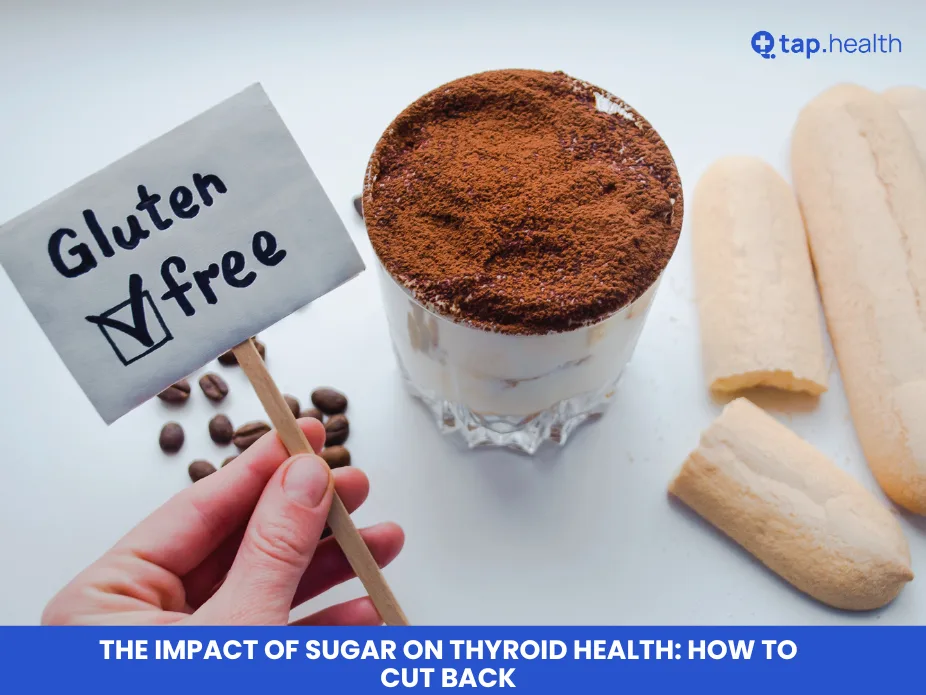
In recent years, there has been increasing interest in the potential link between gluten and thyroid health, especially for those with autoimmune thyroid disease. But is there a true connection between a gluten-free diet and hypothyroidism? In this blog post, we’ll explore the relationship between gluten and thyroid health, and whether adopting a gluten-free diet can benefit individuals with hypothyroidism.
What is Hypothyroidism?
Before delving into the role of gluten in hypothyroidism, it’s important to understand the condition itself. Hypothyroidism occurs when the thyroid gland doesn’t produce enough thyroid hormones (T3 and T4). These hormones are crucial for regulating metabolism, energy levels, and many other vital bodily functions. When thyroid hormone levels are low, the body’s processes slow down, which can result in fatigue, weight gain, depression, dry skin, and other symptoms.
The most common cause of hypothyroidism in the United States is Hashimoto’s thyroiditis, an autoimmune condition in which the body’s immune system mistakenly attacks and damages the thyroid gland. Other causes of hypothyroidism can include iodine deficiency, radiation treatment, and certain medications.
Gluten and Hypothyroidism: What’s the Connection?
Gluten is a protein found in wheat, barley, rye, and some other grains. It is most commonly associated with celiac disease, an autoimmune disorder where the ingestion of gluten leads to inflammation and damage to the small intestine. However, gluten sensitivity or intolerance can also affect individuals who do not have celiac disease but still experience negative health effects when consuming gluten-containing foods.
1. Gluten and Autoimmune Conditions
One of the primary reasons gluten may affect people with hypothyroidism, particularly those with Hashimoto’s thyroiditis, is due to its impact on autoimmune diseases. There is growing evidence that gluten can exacerbate autoimmune reactions in the body. In people with autoimmune thyroid disease, consuming gluten may trigger an immune response that could worsen thyroid function.
Some research suggests that gluten can cross-react with thyroid tissue, potentially increasing inflammation in the thyroid gland and contributing to the progression of autoimmune thyroid disease. This can lead to more severe hypothyroidism symptoms and complications over time.
2. Leaky Gut Syndrome
Another reason gluten may affect thyroid health is its potential to contribute to leaky gut syndrome. Gluten, particularly in individuals who are sensitive to it, can irritate the lining of the intestines, leading to an increase in intestinal permeability. This condition, commonly referred to as “leaky gut,” allows toxins, undigested food particles, and pathogens to leak into the bloodstream, which can trigger an immune response and further inflammation throughout the body, including the thyroid gland.
In people with autoimmune thyroid disease, this process could amplify the immune attack on the thyroid, potentially worsening the symptoms of hypothyroidism.
3. Thyroid Function and Gluten Sensitivity
Even in individuals without a diagnosed autoimmune thyroid condition, there may be a connection between gluten and thyroid function. Some studies suggest that gluten sensitivity, even without celiac disease, can contribute to thyroid dysfunction in those predisposed to hypothyroidism. This may be particularly relevant for individuals with a family history of thyroid disease or autoimmune disorders.
Can a Gluten-Free Diet Help with Hypothyroidism?
For individuals with hypothyroidism, particularly those with autoimmune thyroid disease (like Hashimoto’s thyroiditis), a gluten-free diet might offer several potential benefits. However, it’s important to note that research on this topic is still ongoing, and the effects of a gluten-free diet on hypothyroidism may vary depending on the individual.
1. Reducing Inflammation
One of the most significant benefits of a gluten-free diet for people with hypothyroidism is its potential to reduce inflammation. Since gluten can trigger an immune response in individuals with gluten sensitivity or autoimmune diseases, eliminating gluten may help reduce overall inflammation in the body. This could potentially improve thyroid function and alleviate symptoms such as fatigue, joint pain, and brain fog, which are commonly associated with hypothyroidism.
2. Improved Gut Health
By removing gluten, some individuals may experience an improvement in gut health, especially if they have leaky gut syndrome or digestive issues linked to gluten sensitivity. Healing the gut may help improve overall immune function and reduce the systemic inflammation that can affect the thyroid. Better gut health can also improve nutrient absorption, which is crucial for thyroid hormone production and metabolism.
3. Reduced Autoimmune Reactions
As mentioned earlier, gluten can exacerbate autoimmune reactions. For people with Hashimoto’s thyroiditis, cutting out gluten may help reduce the autoimmune attack on the thyroid gland. While a gluten-free diet won’t cure autoimmune thyroid disease, it may help reduce symptoms and slow the progression of the disease.
Real-Life Scenarios: How a Gluten-Free Diet Affected Hypothyroid Patients
Scenario 1: Improved Energy Levels
Sarah, a 35-year-old woman with Hashimoto’s thyroiditis, had struggled with fatigue for years despite being on thyroid hormone replacement medication. After reading about the potential connection between gluten and thyroid health, she decided to try a gluten-free diet for three months. Within just a few weeks, Sarah noticed that her energy levels significantly improved. She felt less sluggish in the mornings, and she was able to exercise more regularly. While she didn’t experience a complete resolution of her symptoms, the reduction in fatigue made a noticeable difference in her daily life.
Scenario 2: Less Joint Pain and Brain Fog
John, a 45-year-old man with hypothyroidism and joint pain, decided to eliminate gluten after his doctor suggested that gluten might contribute to his inflammation. Within a few weeks of going gluten-free, he noticed a reduction in his joint pain and mental clarity. He felt more focused at work, and the constant “brain fog” he had been experiencing for months seemed to lift. While his thyroid function hadn’t changed drastically, the improvement in his overall well-being made the switch to a gluten-free diet feel worthwhile.
Expert Contributions
Dr. William Davis, a cardiologist and author of “Wheat Belly,” has extensively studied the effects of gluten on autoimmune diseases and thyroid function. He explains, “In people with autoimmune thyroid disease, gluten can exacerbate inflammation, increase gut permeability, and make it harder for the body to absorb thyroid medication properly.” This is why some people with thyroid conditions report feeling better when they eliminate gluten from their diets.
Moreover, studies have found that people with autoimmune thyroid disease, particularly those with Hashimoto’s thyroiditis, often experience a reduction in symptoms when they adopt a gluten-free diet. One study published in the Journal of Clinical Endocrinology & Metabolism showed that people with autoimmune thyroid conditions had improved thyroid function and reduced inflammation after following a gluten-free diet.
Foods to Include and Avoid on a Gluten-Free Diet for Hypothyroidism
Foods to Include:
- Fresh fruits and vegetables (rich in antioxidants and fiber)
- Lean proteins like chicken, turkey, and fish
- Whole grains like quinoa, rice, and oats (make sure they’re certified gluten-free)
- Legumes and beans for plant-based protein
- Gluten-free grains like amaranth, buckwheat, and millet
- Healthy fats from avocados, olive oil, and nuts
Foods to Avoid:
- Wheat, barley, and rye (including bread, pasta, and pastries made with these grains)
- Processed foods that contain hidden gluten (check labels carefully)
- Gluten-containing snacks like crackers and cookies
- Certain sauces and dressings that may contain gluten (check ingredients)
Conclusion
The connection between gluten and hypothyroidism, particularly in those with autoimmune thyroid diseases like Hashimoto’s thyroiditis, is an area of growing interest. While a gluten-free diet may not cure hypothyroidism, it has the potential to alleviate symptoms by reducing inflammation, improving gut health, and limiting autoimmune reactions. If you have hypothyroidism and are considering a gluten-free diet, it’s always a good idea to consult with a healthcare provider or nutritionist to ensure you’re making the best choice for your individual health needs.
FAQ on Gluten-Free Diet and Hypothyroidism: Is There a Connection?
1. Can a gluten-free diet cure hypothyroidism?
No, a gluten-free diet cannot cure hypothyroidism, but it may help reduce symptoms, especially in individuals with autoimmune thyroid disease.
2. How long does it take to feel better on a gluten-free diet?
Some individuals report feeling better within a few weeks of eliminating gluten, but it can take several months for others to see significant improvements.
3. Do I need to go completely gluten-free to benefit?
Yes, for the most noticeable benefits, it is important to eliminate gluten entirely from your diet.
4. Can everyone with hypothyroidism benefit from a gluten-free diet?
Not everyone with hypothyroidism will benefit from a gluten-free diet. It may be more beneficial for those with autoimmune thyroid diseases, like Hashimoto’s thyroiditis.
References: