Table of Contents
- Understanding Sugar Absorption: Duodenum vs. Jejunum
- How Does Diabetes Affect Sugar Absorption in the Intestines?
- Optimizing Blood Sugar: The Role of Duodenal and Jejunal Absorption
- A Comparison Guide: Duodenal and Jejunal Sugar Absorption in Diabetes
- Dietary Strategies to Manage Sugar Absorption in Diabetes
- Frequently Asked Questions
- References
Living with diabetes often means navigating a complex relationship with food, and understanding how your body processes sugar is key to effective management. This is especially true when considering the nuances of sugar absorption. This blog post dives into the fascinating world of Understanding Sugar Absorption Patterns in Diabetes: Duodenal vs. Jejunal. We’ll explore the differences in how these two parts of your small intestine handle glucose, helping you gain a clearer picture of post-meal blood sugar fluctuations and potentially informing better dietary choices. Let’s uncover the secrets of efficient glucose metabolism and improve your diabetes management together!
Understanding Sugar Absorption: Duodenum vs. Jejunum
Understanding how your body absorbs sugar is crucial, especially in managing diabetes. In India and other tropical countries, where per capita sugar consumption is high – reaching 20 kg/year – this knowledge becomes even more vital. Excess sugar intake significantly increases the risk of developing diabetes, a concerning statistic considering the 18% rise in diabetes risk associated with excessive sugar consumption. Knowing where and how this sugar is absorbed helps you make informed dietary choices.
The Duodenum’s Role
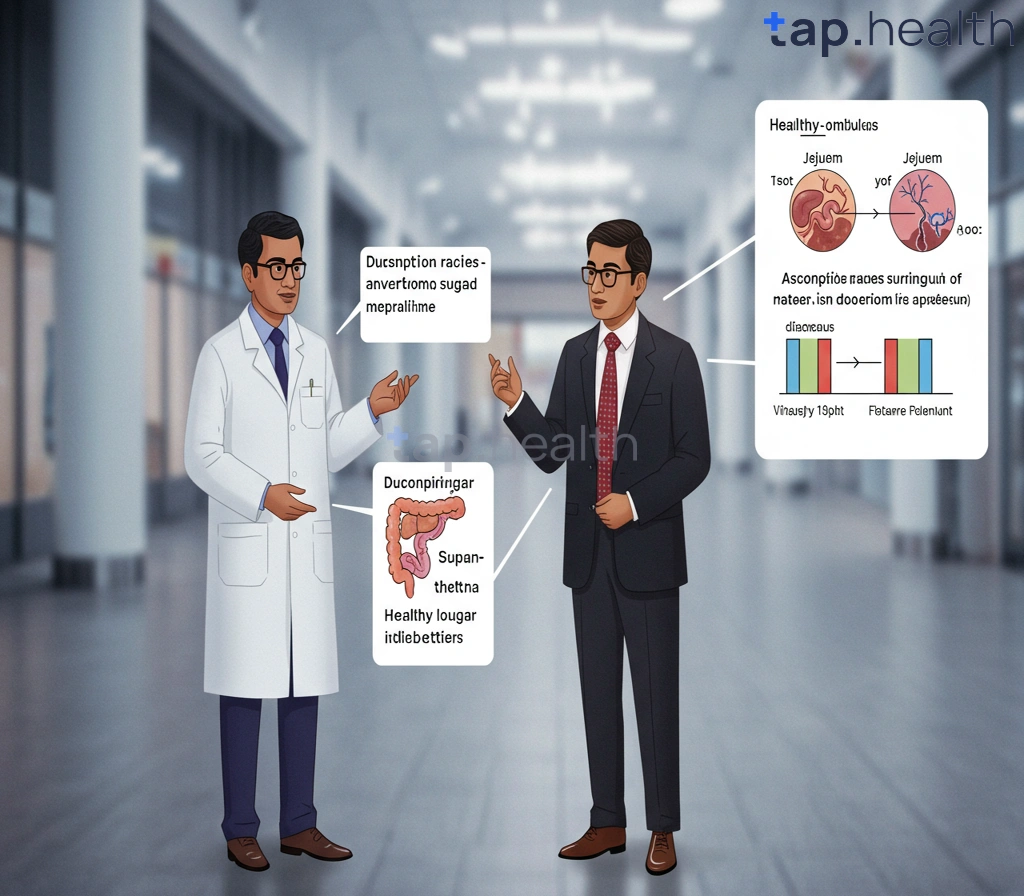
The duodenum, the first part of your small intestine, is the primary site for carbohydrate digestion and absorption. Here, enzymes break down complex sugars into simpler forms like glucose, fructose, and galactose. These simpler sugars are then absorbed through specialized cells lining the duodenal wall. Efficient duodenal absorption is key to maintaining healthy blood sugar levels. Any impairment in this process can lead to elevated blood glucose, particularly problematic for individuals with diabetes. For more information on maintaining healthy blood sugar levels, check out our article on Normal Blood Sugar Level After Eating: Facts & Tips.
The Jejunum’s Contribution
While the duodenum handles the bulk of sugar absorption, the jejunum, the middle section of the small intestine, also plays a role. It absorbs any remaining sugars that weren’t processed in the duodenum. However, its contribution is less significant compared to the duodenum. Understanding this difference can help in developing targeted dietary strategies for better blood sugar management.
Practical Implications for Indians and Tropical Regions
Given the high sugar intake in many tropical countries, including India, focusing on optimizing duodenal sugar absorption is vital. This can be achieved through mindful eating habits, including consuming meals rich in fiber to slow down sugar absorption, choosing complex carbohydrates over refined sugars, and engaging in regular physical activity to improve overall metabolic health. Consult with your doctor or a registered dietitian to create a personalized plan tailored to your individual needs and dietary habits. It’s also important to be aware of how sugar impacts other aspects of your health. Learn more about the connection between sugar and thyroid health in our article: The Impact of Sugar on Thyroid Health: How to Cut Back.
How Does Diabetes Affect Sugar Absorption in the Intestines?
Diabetes significantly impacts how your body absorbs sugar, particularly in the intestines. Understanding this process is crucial for effective diabetes management, especially in regions like India and other tropical countries where dietary habits often play a significant role in disease progression. The small intestine, composed of the duodenum and jejunum, is the primary site of carbohydrate absorption. In individuals with diabetes, this absorption process can be altered, potentially leading to blood sugar fluctuations and long-term complications.
Duodenal vs. Jejunal Sugar Absorption in Diabetes
The duodenum, the first part of the small intestine, is responsible for initial carbohydrate breakdown and absorption. The jejunum, the middle section, continues this process. While the exact mechanisms are complex and still being researched, diabetes can affect both these stages. Impaired insulin function, a hallmark of diabetes, can reduce the efficiency of glucose uptake in both the duodenal and jejunal regions. This can lead to higher blood glucose levels after meals. Furthermore, chronic hyperglycemia associated with diabetes can damage the intestinal lining, further affecting nutrient absorption. This is particularly relevant in tropical climates where dietary carbohydrates are often a significant component of the diet. This impaired absorption can also impact overall blood flow, as discussed further in our article on How Does Diabetes Affect Blood Flow?.
Implications and Management
These altered absorption patterns can contribute to the increased risk of complications associated with diabetes, such as kidney disease. Nearly 30% of people with diabetes develop diabetic nephropathy, a serious kidney condition. Managing blood sugar levels effectively through diet, medication, and regular exercise is key to mitigating these risks. In India and other tropical countries, this often involves focusing on balanced meals with complex carbohydrates, incorporating regular physical activity tailored to the local climate, and seeking regular consultations with healthcare professionals for personalized diabetes management plans. Prioritizing consistent blood glucose monitoring is also essential for effective management. It’s also important to understand how diabetes can affect other organ systems; for example, read our piece on How Does Diabetes Affect the Respiratory System? to learn more.
Optimizing Blood Sugar: The Role of Duodenal and Jejunal Absorption
Maintaining healthy blood sugar levels is crucial, especially in managing diabetes prevalent in Indian and tropical countries. Understanding how sugar is absorbed in the digestive system is key to effective blood glucose control. The process begins in the duodenum, the first part of the small intestine, where the majority of carbohydrate digestion and absorption occurs. Here, enzymes break down complex sugars into simpler monosaccharides like glucose, which are then absorbed into the bloodstream. Ideally, pre-meal blood sugar should be between 80–130 mg/dL.
The Jejunum’s Role in Glucose Regulation
The jejunum, the middle section of the small intestine, plays a secondary but significant role in glucose absorption. While the majority of absorption happens in the duodenum, the jejunum continues the process, ensuring complete uptake of sugars. Post-meal, blood sugar levels should ideally remain below 180 mg/dL. Factors like the type of carbohydrate consumed, portion size, and individual metabolic rates influence the speed and extent of absorption in both the duodenum and jejunum. High glycemic index foods, common in many Indian and tropical diets, can lead to rapid absorption and spikes in blood glucose. Learning more about maintaining healthy Blood Sugar Levels is essential for overall well-being.
Practical Tips for Blood Sugar Management
Managing blood sugar effectively requires mindful eating habits. Choosing low glycemic index foods, incorporating fiber-rich meals, and controlling portion sizes can help regulate blood sugar absorption. Regular exercise and maintaining a healthy weight are also vital in improving insulin sensitivity and preventing post-meal blood sugar surges. Consulting a doctor or registered dietitian for personalized dietary advice tailored to your specific needs and regional dietary habits is highly recommended. Remember, understanding the intricacies of duodenal and jejunal sugar absorption can empower you to make informed choices for better diabetes management. For practical strategies on adapting your diet, especially if you follow traditional cuisines, check out our guide on Adapting Traditional Cuisines for Better Blood Sugar Control.
A Comparison Guide: Duodenal and Jejunal Sugar Absorption in Diabetes
Understanding how your body absorbs sugar is crucial for managing diabetes, especially in diverse populations like those found across India and tropical countries. The process involves two key areas of the small intestine: the duodenum and the jejunum. Differences in absorption rates between these areas can significantly impact blood glucose levels. This is particularly relevant given that a significant portion of the diabetic population in regions like India falls within the 20-64 age group (61%), a demographic often highly active and requiring careful blood sugar management.
Duodenal Sugar Absorption:
The duodenum, the first part of the small intestine, is responsible for the initial and rapid absorption of sugars. This rapid absorption can lead to sharp spikes in blood glucose levels, especially problematic for individuals with diabetes. Dietary choices rich in simple carbohydrates can exacerbate this rapid absorption, leading to post-prandial hyperglycemia. Understanding this initial phase of absorption is critical for developing effective dietary strategies. For more on managing carbohydrate intake, see our guide on Low-Carb vs. Moderate-Carb Diets for Diabetes: What Works Best?
Jejunal Sugar Absorption:
The jejunum, following the duodenum, plays a more gradual role in sugar absorption. This slower process helps to regulate blood glucose levels, preventing the dramatic spikes observed after duodenal absorption. However, the total amount of sugar absorbed remains significant. Therefore, managing both duodenal and jejunal absorption through balanced meals and appropriate medication is key to effective diabetes management.
Practical Implications for Indian and Tropical Climates:
In hotter climates, individuals often consume more fluids and frequently opt for easily digestible carbohydrates, which can significantly impact duodenal sugar absorption. The higher incidence of diabetes among adults aged 65+ (39%) in these regions highlights the need for tailored dietary advice focusing on managing these absorption patterns. Considering the strong link between obesity and diabetes, understanding the relationship is crucial for effective management. For more information, explore our article on Understanding the Link Between Diabetes and Obesity. Consulting a physician or registered dietitian for personalized dietary recommendations considering your climate, age, and lifestyle is crucial. Regular monitoring of blood glucose levels will also help to identify and manage any issues related to rapid sugar absorption.
Dietary Strategies to Manage Sugar Absorption in Diabetes
Understanding Carbohydrate Intake
Managing blood sugar levels effectively is crucial for individuals with diabetes, particularly in hot and humid climates common in Indian and tropical countries. These environments can sometimes increase the risk of dehydration, which can further impact blood sugar control. A balanced approach to carbohydrate intake is essential. While general guidelines suggest 45–60 grams of carbs per meal for many, individual needs vary significantly based on factors like age, activity level, and overall health. It’s vital to work closely with your doctor or a registered dietitian to personalize your carbohydrate plan.
Prioritizing Low Glycemic Index Foods
Focusing on foods with a low glycemic index (GI) is key. These foods cause a slower and more gradual rise in blood glucose levels, minimizing blood sugar spikes. In India and other tropical regions, this means incorporating plenty of fiber-rich foods like legumes (dals), vegetables, and whole grains (brown rice, millets). These provide sustained energy and help regulate sugar absorption in both the duodenum and jejunum.
Portion Control and Meal Timing
Portion control is paramount. Even low-GI foods can contribute to high blood sugar if consumed in excessive amounts. Distributing carbohydrate intake evenly throughout the day, rather than consuming large portions at a single meal, can further assist in managing blood sugar levels. Consider smaller, more frequent meals to prevent significant fluctuations. For more detailed guidance on portion sizes and meal planning, you might find Diet Chart for Diabetic Patients to Control Diabetes helpful.
Seeking Professional Guidance
Remember, managing diabetes effectively requires a holistic approach. Consult a diabetologist or a registered dietitian to create a personalized dietary plan that considers your specific needs and preferences, particularly with respect to the readily available foods in your region. They can help you tailor your carbohydrate intake to your individual needs and lifestyle, ensuring you effectively manage your blood sugar levels throughout the day. For additional tips on effective diabetes management, check out 10 Proven Tips for Effective Diabetes Management.
Frequently Asked Questions on Sugar Absorption & Diabetes: Duodenal vs. Jejunal | Expert Insights
Q1. What is the role of the duodenum and jejunum in sugar absorption?
The duodenum is the primary site of sugar absorption in the small intestine, with the jejunum absorbing any remaining sugars. Efficient absorption is crucial for managing blood glucose levels.
Q2. How does impaired insulin function affect sugar absorption in individuals with diabetes?
In diabetics, impaired insulin function reduces the efficiency of glucose uptake in both the duodenum and jejunum, leading to higher blood glucose levels.
Q3. What dietary strategies can help manage blood sugar levels by influencing absorption?
To regulate sugar absorption and prevent blood sugar spikes, focus on low glycemic index foods, fiber-rich meals, portion control, and regular exercise.
Q4. Why is it important to consult a healthcare professional for diabetes management?
Healthcare professionals can provide personalized dietary plans that consider individual needs and regional dietary habits, crucial for effective diabetes management, especially in regions with high sugar consumption like India.
Q5. What are the key differences between sugar absorption in the duodenum and jejunum?
While both the duodenum and jejunum absorb sugars, the duodenum is the primary site of absorption. The jejunum handles any sugars that weren’t absorbed in the duodenum.
References
- A Practical Guide to Integrated Type 2 Diabetes Care: https://www.hse.ie/eng/services/list/2/primarycare/east-coast-diabetes-service/management-of-type-2-diabetes/diabetes-and-pregnancy/icgp-guide-to-integrated-type-2.pdf
- Learning demands of diabetes self-management: a qualitative study with people who use insulin: https://www.scielo.br/j/rlae/a/x3YzdP55MFxtHWP7qjMVQcP/?format=pdf&lang=en