tap.health logo
  • Diabetes Management
  • Health Assistant
  • About Us
  • Blog
  • Contact Us
Get Plan
  • Diabetes Management
  • Health Assistant
  • About Us
  • Blog
  • Contact Us
  • All Blogs
  • Product
  • How to Use Vitamin E Capsule for Pimples: A Complete Guide to Clearer Skin

How to Use Vitamin E Capsule for Pimples: A Complete Guide to Clearer Skin

Product
August 7, 2025
• 6 min read
Yasaswini Vajupeyajula
Written by
Yasaswini Vajupeyajula
Shalu Raghav
Reviewed by:
Shalu Raghav
ChatGPT Perplexity WhatsApp LinkedIn X Grok Google AI

Vitamin E is well known for its skin benefits, especially when it comes to healing and nourishing the skin. If you’ve ever struggled with pimples or acne, you might be wondering if Vitamin E capsules can help clear up your skin. The good news is, Vitamin E has powerful antioxidant and anti-inflammatory properties that can aid in reducing pimples and promoting healthier skin.

In this comprehensive guide, we’ll explore how to use Vitamin E capsules for pimples, the benefits, and how you can safely incorporate them into your skincare routine to treat acne and improve skin health.


What is Vitamin E?

Before diving into how Vitamin E capsules can help treat pimples, it’s important to understand what Vitamin E is and why it’s beneficial for your skin.

What Does Vitamin E Do for Your Skin?

Vitamin E, also known as tocopherol, is a fat-soluble antioxidant that plays a crucial role in protecting the skin from damage caused by free radicals. It helps hydrate, repair, and nourish the skin. It’s often used in skincare products to promote wound healing, reduce inflammation, and protect the skin from harmful UV rays.

Some of the main functions of Vitamin E in skincare include:

  • Moisturizing the skin: Vitamin E is a natural moisturizer that can help treat dry and flaky skin.
  • Reducing inflammation: It helps calm irritated skin, which is particularly useful for treating pimples and acne.
  • Promoting healing: Vitamin E aids in the repair of skin cells, which is essential when treating pimple scars and marks.
  • Fighting oxidative stress: As an antioxidant, Vitamin E helps protect the skin from free radicals, which contribute to aging and skin damage.

Can Vitamin E Help with Pimples?

Yes, Vitamin E can be helpful when treating pimples or acne. Here’s how:

1. Reduces Inflammation and Redness

One of the key causes of pimples is inflammation, which occurs when the skin becomes irritated or infected. Vitamin E has anti-inflammatory properties that help calm irritated skin and reduce redness. By applying Vitamin E to inflamed areas, you can help soothe pimples and prevent them from getting worse.

2. Promotes Skin Healing

Vitamin E is known for its ability to aid in wound healing, which is useful when dealing with pimples that leave scars or dark spots. By helping to repair skin cells, Vitamin E promotes faster healing and can minimize the appearance of post-acne scars.

3. Moisturizes the Skin

While pimples can often result in dry, flaky skin, Vitamin E provides moisture to keep the skin hydrated without clogging pores. This helps maintain the skin’s natural barrier, preventing it from becoming too dry or irritated.

4. Reduces Scarring from Acne

Vitamin E is often used to help with the appearance of scars, and this includes pimple scars. Regular use of Vitamin E can help fade dark spots and smooth the texture of the skin, making pimple scars less noticeable.


How to Use Vitamin E Capsules for Pimples

Now that you know the benefits of Vitamin E for pimples, let’s dive into how you can use Vitamin E capsules to treat your acne. You can easily incorporate Vitamin E into your skincare routine using the liquid inside the capsules.

Step-by-Step Guide to Using Vitamin E Capsules for Pimples

  1. Choose a High-Quality Vitamin E Capsule

Make sure to choose Vitamin E capsules that contain pure, natural Vitamin E (tocopherol). Look for soft gel capsules, as they are easy to open and use. Some capsules are made with additional oils like sunflower oil, which can be beneficial for the skin.

  1. Wash Your Face

Start by cleansing your face with a gentle, non-comedogenic cleanser to remove dirt, oil, and impurities. Make sure your face is clean and dry before applying Vitamin E.

  1. Open the Vitamin E Capsule

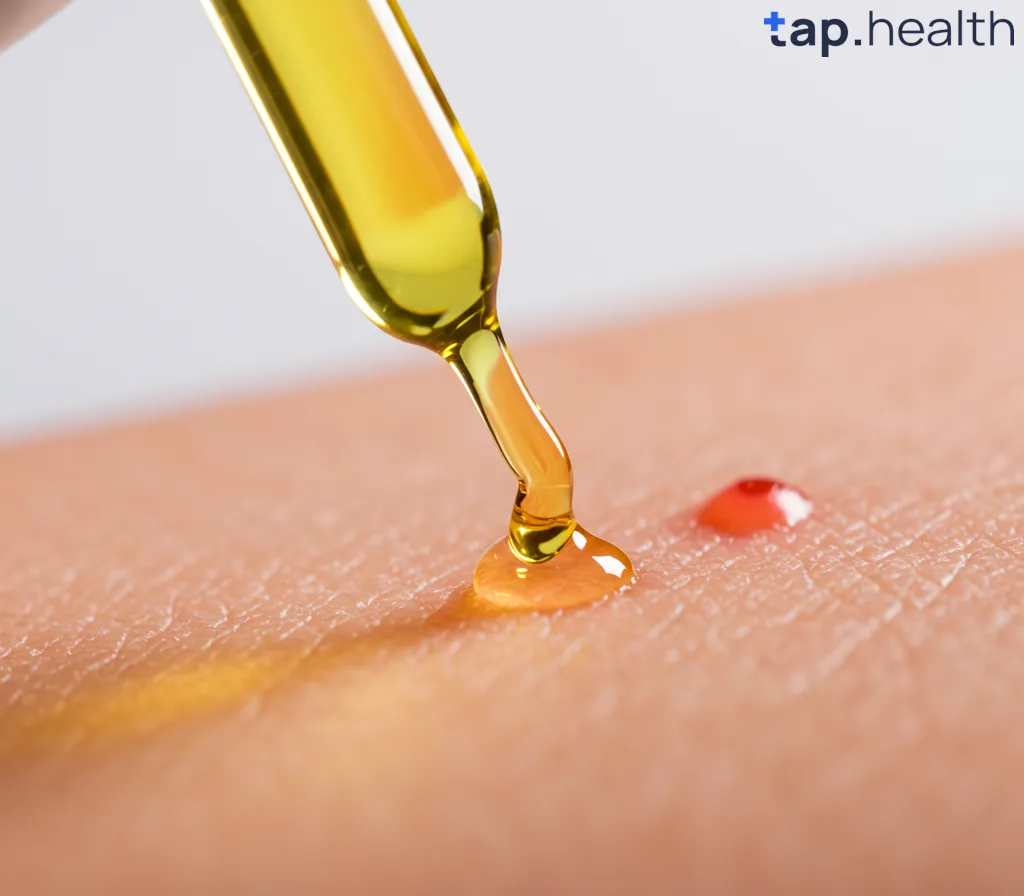
Using a clean pair of scissors or your fingers, carefully cut the Vitamin E capsule open. Squeeze the liquid directly onto your palm or into a small bowl. A little goes a long way, so start with a small amount.

  1. Apply to Affected Areas

Gently massage the Vitamin E oil into the affected areas, focusing on pimples, acne scars, or inflamed skin. Vitamin E can be used on specific spots or applied to the entire face, depending on your needs.

  1. Leave It On Overnight (Optional)

For best results, leave the Vitamin E on overnight. The skin absorbs the oil more effectively when it has time to rest and heal overnight. If you’re applying Vitamin E during the day, you can leave it on for about 30 minutes to an hour before rinsing it off.

  1. Rinse Off the Excess Oil (If Desired)

If you prefer, you can rinse off the excess oil with lukewarm water after about 30 minutes. Alternatively, leave it on overnight for more intense hydration and healing.

How Often Should You Use Vitamin E for Pimples?

For best results, use Vitamin E on your pimples and acne scars 2-3 times a week. If you have sensitive skin, start with once a week and gradually increase the frequency as your skin builds tolerance.


Other Ways to Use Vitamin E for Pimples

In addition to applying Vitamin E directly to your pimples, there are other ways you can incorporate it into your skincare routine to maximize its benefits.

1. Vitamin E and Aloe Vera Gel

Aloe vera is well-known for its soothing and healing properties. Combining Vitamin E with aloe vera gel can create a powerful anti-inflammatory treatment for pimples. Simply mix the gel from a Vitamin E capsule with fresh aloe vera gel and apply it to your skin for a calming, hydrating effect.

2. Vitamin E and Tea Tree Oil

Tea tree oil is a popular natural remedy for acne due to its antibacterial properties. You can mix Vitamin E oil with a few drops of tea tree oil and apply it directly to pimples. This combination will not only help reduce inflammation but also fight acne-causing bacteria.

3. Vitamin E and Coconut Oil

Coconut oil is known for its moisturizing and antibacterial properties. By mixing Vitamin E with coconut oil, you can create a nourishing treatment that helps prevent dryness while treating pimples and acne. Apply this combination to your skin after cleansing for maximum benefits.


Benefits of Using Vitamin E for Pimples

Using Vitamin E capsules for pimples offers numerous benefits for your skin, including:

1. Prevents Breakouts

Vitamin E can help prevent future breakouts by nourishing and soothing the skin. It helps maintain healthy skin cells, reduce inflammation, and keep your skin hydrated, preventing clogged pores and pimples from forming.

2. Reduces Dark Spots and Hyperpigmentation

One of the most noticeable benefits of using Vitamin E is its ability to fade dark spots and hyperpigmentation left behind by pimples. Vitamin E speeds up the skin’s healing process, promoting the growth of new, even-toned skin cells.

3. Moisturizes Without Clogging Pores

Vitamin E is an excellent moisturizer for your skin, especially when dealing with dry patches caused by acne treatments. Unlike some oils that clog pores, Vitamin E helps to hydrate the skin without causing breakouts.

4. Improves Skin Texture

Regular use of Vitamin E helps to smooth skin texture, making it softer and more radiant. It can even out rough patches and reduce the appearance of scars, resulting in clearer, healthier skin.


Are There Any Side Effects of Using Vitamin E for Pimples?

While Vitamin E is generally safe for most skin types, some people may experience irritation or allergic reactions. Here’s what to keep in mind:

1. Allergic Reactions

Some people may have an allergic reaction to Vitamin E, resulting in redness, itching, or swelling. Always do a patch test on a small area of skin before applying Vitamin E to your face.

2. Clogged Pores (Comedogenicity)

Vitamin E oil is considered to be moderately comedogenic (can clog pores). If you have oily or acne-prone skin, be cautious about using Vitamin E oil too frequently, as it might contribute to new breakouts. Start with a small amount and monitor how your skin reacts.

3. Overuse Can Lead to Oily Skin

Using too much Vitamin E can leave your skin feeling greasy or heavy. It’s important to use only a small amount and avoid layering on too many products containing oils.


FAQ: How to Use Vitamin E Capsule for Pimples

1. Can I use Vitamin E capsules for acne scars?

Yes, Vitamin E is often used to help fade acne scars. It helps to speed up the healing process and promotes the growth of new skin, which can reduce the appearance of scars over time.

2. How long does it take for Vitamin E to work on pimples?

Vitamin E can start to show results within 1 to 2 weeks of regular use. However, it may take longer to see significant improvements in scars or dark spots.

3. Can I apply Vitamin E directly to my pimple?

Yes, you can apply Vitamin E directly to pimples. Simply squeeze out the oil from a Vitamin E capsule and gently massage it into the affected area.

4. How often should I use Vitamin E for pimples?

It’s recommended to use Vitamin E for pimples 2-3 times a week. Start with a smaller amount and increase the frequency as your skin tolerates it.

5. Can Vitamin E make acne worse?

In some cases, Vitamin E can clog pores and cause breakouts, especially for people with oily skin. Always perform a patch test first and monitor how your skin reacts.


Conclusion

Vitamin E capsules can be an effective and natural solution for treating pimples and improving overall skin health. Whether you apply it directly to pimples or combine it with other ingredients like aloe vera or coconut oil, Vitamin E offers anti-inflammatory, healing, and moisturizing benefits that can help reduce pimples, prevent scarring, and improve skin texture.

Be sure to follow the recommended application methods and listen to your skin to ensure you’re getting the best results. With patience and consistency, Vitamin E can be a powerful ally in your fight against acne and pimples.

Tags
diabetes prevention foot health diabetes and sleep fasting blood sugar diabetes misconceptions diabetes medicine safety diabetic neuropathy symptoms diabetic foot ulcer warning signs can diabetics eat mango diabetes itching urinary infection diabetes diabetes slow wound healing metformin side effects diabetes numbness in hands banana for diabetes dates blood sugar jaggery for diabetes is poha good for diabetes guava blood sugar India diabetes diabetes after pregnancy type 1 and type 2 diabetes difference lipid profile diabetes A1C gestational diabetes poor sleep blood sugar HbA1c diabetes symptoms in women diabetes medicines diabetes nerve damage diabetes and blood pressure mango and diabetes dark patches diabetes diabetes stomach problems diabetes wounds metformin safety diabetes tingling hands banana blood sugar papaya for diabetes is jaggery good for diabetes poha blood sugar orange for diabetes sugar spike after rice gestational diabetes India difference between type 1 and type 2 diabetes diabetes vs neuropathy Medicine blood sugar pregnancy diabetes sleep and diabetes diabetes in India women diabetes signs diabetes treatment advice tingling feet diabetes high blood pressure diabetes mango sugar diabetes walking after meals for diabetes diabetic gastroparesis diabetic wound care diabetes ketoacidosis warning signs diabetic neuropathy hands coconut water and diabetes is papaya good for diabetes gur for diabetes sprouts for diabetes can diabetics eat oranges Indian diet diabetes continuous glucose monitor India diabetes vs diabetes insipidus diabetes vs heart disease Health fasting glucose blood sugar pregnancy diabetes and stress diabetes risk factors India diabetes risk women Indian diabetic diet chart diabetes eye disease diabetes heart kidney risk diabetes reversal vs remission post meal walk diabetes diabetes bloating nausea diabetes yeast infection DKA symptoms fasting with diabetes coconut water for diabetes papaya blood sugar watermelon for diabetes are sprouts good for diabetes orange blood sugar glucose spike symptoms CGM cost India diabetes mellitus vs diabetes insipidus diabetes heart disease risk Lifestyle A1C test low blood sugar stress blood sugar diabetes prevention India diabetes symptoms in men diabetic meal plan diabetic eye test borderline HbA1c diabetes remission walking lowers blood sugar diabetes sick day rules diabetes fungal infection ketones diabetes diabetes fasting safety can diabetics drink coconut water oats for diabetes can diabetics eat watermelon sprouts blood sugar brown bread for diabetes post meal blood sugar time in range diabetes insipidus symptoms diabetes and heart attack Home remedies diabetes diet hypoglycemia cortisol diabetes best fruits for diabetes men diabetes signs HbA1c test high protein breakfast for diabetes HbA1c 5.7 to 6.4 reverse type 2 diabetes diabetes grocery list India diabetes during illness diabetes vaginal itching diabetes blurry vision can diabetics fast curd for diabetes oatmeal diabetes watermelon blood sugar methi seeds for diabetes bread for diabetes diabetes blood pressure glucometer accuracy diabetes vs metabolic syndrome gestational diabetes vs type 2 diabetes Fitness balanced meals diabetes safety diabetes eye care diabetes fruits diabetes risk men HbA1c normal range diabetes breakfast India prediabetes HbA1c diabetes plate method diabetic food list India blood sugar fever infection diabetes night sweats high blood sugar blurry vision insulin injection sites is curd good for diabetes are oats good for diabetes apple for diabetes fenugreek for diabetes whole wheat bread diabetes diabetes heart risk diabetes technology metabolic syndrome and diabetes pregnancy diabetes and type 2 diabetes Prevention healthy eating diabetes heart health diabetic retinopathy fruit and blood sugar type 1 diabetes how to lower HbA1c diabetic breakfast ideas post-meal blood sugar Indian diabetes plate foods for diabetes shopping diabetes and alcohol low blood sugar at night diabetes excessive thirst insulin site rotation diabetes curd milk for diabetes can diabetics eat apple methi diabetes avocado for diabetes ABC diabetes CGM vs glucometer India metabolic syndrome symptoms gestational diabetes future risk Hygiene why diabetes is considered as a lifestyle disease blood pressure diabetes eye test rice and diabetes type 1 diabetes symptoms fasting sugar normal range PCOS and diabetes blood sugar after food diabetes portion control diabetes kidney tests alcohol blood sugar diabetes diabetes sweating at night diabetes dry mouth insulin lumps tea and coffee in diabetes can diabetics drink milk apple blood sugar cinnamon for diabetes is avocado good for diabetes kidney risk diabetes diabetes reversal myths diabetes vs thyroid diabetes vs anaemia Ailments lifestyle diabetes cholesterol diabetes kidney care can diabetics eat rice insulin diabetes high fasting blood sugar PCOS insulin resistance postprandial glucose low glycaemic index foods for diabetes urine albumin diabetes can diabetics drink alcohol diabetes headache frequent urination diabetes diabetes weight gain coffee diabetes best milk for diabetes eggs for diabetes cinnamon blood sugar avocado blood sugar blurred vision diabetes HbA1c remission diabetes and thyroid disease diabetes fatigue or anaemia Hindi type 2 diabetes lifestyle disease living with diabetes diabetic kidney disease diabetes diet India prediabetes diet reverse prediabetes naturally PCOS diabetes risk dawn phenomenon diabetes low GI foods India eGFR diabetes diabetes and dizziness high blood sugar headache diabetes fatigue diabetes and weight gain tea diabetes peanuts for diabetes are eggs good for diabetes dalchini for diabetes travelling with diabetes fundus exam diabetes remission vs reversal thyroid blood sugar anaemia diabetes symptoms skin diseases exercise and diabetes diabetes habits kidney tests diabetes morning blood sugar prediabetes food prediabetes reversal gestational diabetes diet Indian morning sugar high diabetes low GI diet diabetes and dental problems dizziness diabetes low blood sugar headache diabetes tiredness insulin weight gain roti for diabetes are peanuts good for diabetes egg diabetes amla for diabetes diabetes travel checklist eye care diabetes vildagliptin diabetes vs PCOS acne vulgaris symptoms blood sugar control diabetes management high blood sugar symptoms fasting sugar high lower diabetes risk how to prevent type 2 diabetes pregnancy diabetes diet high fasting sugar in morning diabetes and fatty liver diabetes gum disease low sugar dizziness blood sugar monitoring at home high blood sugar tiredness diabetes swollen feet best roti for diabetes peanuts blood sugar paneer for diabetes amla juice diabetes insulin travel storage diabetic retinopathy symptoms vildagliptin benefits in type 2 diabetes patients diabetes vs hypertension AI Search physical activity insulin resistance hyperglycemia symptoms dawn phenomenon diabetes and weight loss insulin resistance diet gestational diabetes meal plan diabetes and cholesterol fatty liver diabetes dry mouth diabetes diabetes leg pain when to check blood sugar diabetes constipation swollen feet diabetes chapati diabetes sweet potato for diabetes is paneer good for diabetes amla blood sugar diabetes hot weather GDM screening DPP-4 inhibitor diabetes and hypertension type 2 diabetes diabetes foot care insulin sensitivity diabetes warning signs diabetes myths weight loss diabetes Indian foods for insulin resistance diabetic foot ulcer diabetes lipid profile insulin resistance fatty liver diabetes urine infection diabetic leg cramps blood glucose monitoring diabetes and constipation diabetes foot swelling can diabetics eat dates can diabetics eat sweet potato paneer diabetes guava for diabetes diabetes dehydration pregnancy blood sugar targets diabetes medicine India blood sugar vs blood pressure prediabetes diabetic foot type 2 diabetes risk normal blood sugar levels diabetes facts insulin resistance weight loss improve insulin sensitivity diabetes foot wound cholesterol in diabetes diabetes skin problems frequent UTI diabetes diabetes nerve pain legs metformin for diabetes constipation diabetes can diabetics eat banana dates for diabetes sweet potato blood sugar poha for diabetes can diabetics eat guava heat and blood sugar postpartum diabetes risk type 1 vs type 2 diabetes diabetes vs high cholesterol
More blogs
Yasaswini Vajupeyajula
• June 18, 2026
• 7 min read

Is Castor Oil Good for Eczema? A Complete Guide

Eczema is a skin condition that causes red, itchy, and inflamed patches on the skin. It’s a condition that affects many people, especially in areas like the elbows, knees, and hands. If you’re looking for ways to soothe and treat eczema, you may have come across castor oil as a natural remedy. But is castor […]

Product
Yasaswini Vajupeyajula
• June 18, 2026
• 7 min read

Bread Battle: Whole Wheat vs. Multigrain vs. Brown Bread Glycemic Index

It is the most confusing aisle in the Indian supermarket. You stand there, staring at rows and rows of loaves. There is “Farm Fresh Brown Bread.” There is “100% Whole Wheat Atta Bread.” There is “7-Grain Multigrain Bread.” And then there are the “Sandwich Breads,” “Milk Breads,” and “Hi-Fiber Breads.” They all look healthy. They […]

Product
Kritika Singh
Kritika Singh
• June 18, 2026
• 19 min read

Diabetes vs Diabetes Insipidus: Difference in Symptoms, Causes, Urination, Thirst, and Tests

A simple guide to diabetes vs diabetes insipidus, explaining why the names sound similar but the causes, tests, and treatments are different.

Diabetes
Do you remember your last sugar reading?
Log and Track your glucose on the Tap Health App
All logs in one place
Smart trend graphs
Medicine Reminder
100% Ad Free
Download Now

Missed your diabetes meds

again? Not anymore.

Get medicine reminders on your phone.

✓ Glucose diary and Insights
✓ Smart Nudges
✓ All logs at one place
✓ 100% Ad free
Download Free
tap health
tap.health logo
copyright © 2025
2nd Floor,Plot No 4, Minarch Tower,
Sector 44,Gurugram, 122003,
Haryana, India
  • About Us
  • Blog
  • Doctor login
  • Contact Us
  • Privacy Policy
  • Return / Shipping Policy
  • Terms and Conditions
Get Your Free AI Diabetes Coach