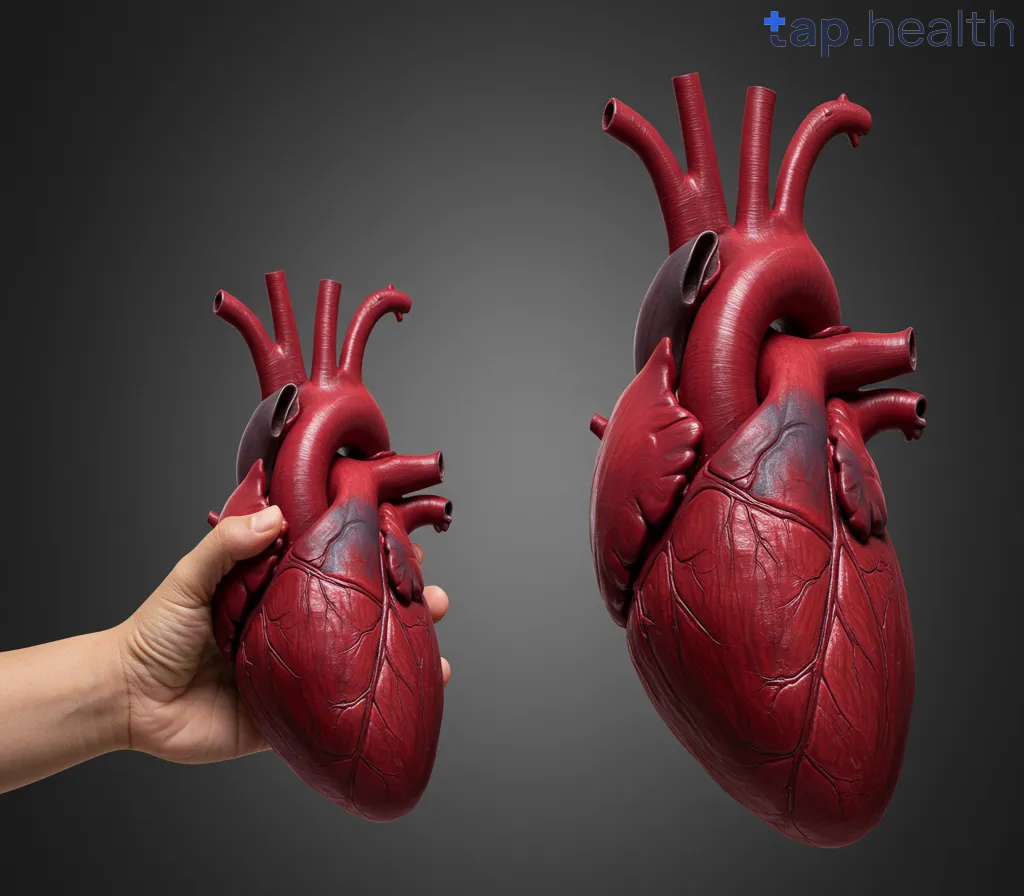
Heart blockage is a serious condition where the arteries supplying blood to the heart become narrowed or obstructed by plaque. This restriction in blood flow can lead to chest pain, shortness of breath, or even a heart attack if left untreated. Traditionally, surgical procedures like angioplasty or bypass surgery have been used to treat severe cases of heart blockage. However, many people wonder if heart blockage can be treated effectively without surgery.
The good news is that, depending on the severity of the blockage, heart blockage can often be managed or improved through lifestyle changes, natural remedies, and non-invasive treatments. In this comprehensive guide, we will explore various ways to treat heart blockage without resorting to surgery, including lifestyle modifications, medications, and alternative therapies.
Understanding Heart Blockage
Before we explore how to cure heart blockage without surgery, it’s important to understand what heart blockage is and how it develops.
What Causes Heart Blockage?
Heart blockage is typically caused by a condition called atherosclerosis, where plaque made up of cholesterol, fat, and other substances builds up in the arteries, restricting blood flow. This plaque can harden over time, making it difficult for blood to flow through the arteries and to the heart muscle.
Some of the main causes and risk factors for heart blockage include:
- High cholesterol: Excess cholesterol can contribute to plaque buildup in the arteries.
- High blood pressure: High blood pressure can damage artery walls, leading to the buildup of plaque.
- Smoking: Smoking damages blood vessels and increases the risk of plaque formation.
- Diabetes: Uncontrolled diabetes can accelerate plaque buildup and cause artery damage.
- Unhealthy diet: Diets high in saturated fats and trans fats contribute to high cholesterol levels.
- Physical inactivity: Lack of exercise can lead to poor heart health and increase the risk of heart blockage.
Symptoms of Heart Blockage
The symptoms of heart blockage can vary depending on the severity of the blockage, but they often include:
- Chest pain (angina): A feeling of tightness or pressure in the chest, especially during physical activity or stress.
- Shortness of breath: Difficulty breathing, especially during exertion.
- Fatigue: Feeling unusually tired or weak, even with minimal effort.
- Dizziness or lightheadedness: A feeling of faintness, especially during physical exertion.
If you experience any of these symptoms, it’s essential to seek medical advice promptly. Early detection and treatment can prevent further damage to the heart.
How to Cure Heart Blockage Without Surgery
Now that we have a basic understanding of heart blockage, let’s dive into the various ways to cure or manage it without surgery. While surgery may be necessary for severe cases, many people can successfully manage their heart blockage through non-invasive treatments.
1. Adopting a Heart-Healthy Diet
One of the most effective ways to manage heart blockage is by improving your diet. A healthy diet can help lower cholesterol levels, reduce plaque buildup, and improve heart health. Here are some dietary changes that can help:
A. Increase Intake of Healthy Fats
Replace saturated fats and trans fats with healthier fats that are found in foods like:
- Olive oil
- Avocados
- Nuts and seeds
- Fatty fish (like salmon and mackerel)
These fats help lower bad cholesterol (LDL) levels and can reduce the risk of plaque buildup.
B. Eat More Fiber
Fiber-rich foods help reduce cholesterol levels and support heart health. Include plenty of these foods in your diet:
- Fruits (especially berries, apples, and citrus fruits)
- Vegetables
- Whole grains (like oats, brown rice, and quinoa)
- Legumes (such as beans, lentils, and chickpeas)
Fiber helps bind cholesterol in the digestive system, preventing it from entering the bloodstream.
C. Limit Sodium and Processed Foods
Excess sodium can raise blood pressure, which is a significant risk factor for heart blockage. Cut back on processed foods, which are often high in sodium, and aim to cook fresh meals at home.
D. Control Portion Sizes and Reduce Red Meat
Large portions of food, especially red meat and processed meats, can contribute to weight gain and worsen heart blockage. Instead, focus on lean proteins like chicken, turkey, or plant-based proteins such as beans and tofu.
2. Exercise Regularly
Regular physical activity is essential for heart health. Exercise strengthens the heart muscle, improves circulation, lowers cholesterol, and helps maintain a healthy weight.
A. Aerobic Exercise
Aerobic exercises, like walking, jogging, cycling, and swimming, improve cardiovascular health and increase blood flow. Aim for at least 150 minutes of moderate-intensity exercise per week or 75 minutes of vigorous-intensity exercise per week.
B. Strength Training
Strength training exercises (like weightlifting or bodyweight exercises) can also benefit heart health. Aim for two or more days of strength training each week.
C. Yoga and Stress Reduction
Stress is a major contributor to heart disease and can worsen heart blockage. Yoga, deep breathing, and other stress reduction techniques can help reduce stress and lower blood pressure. Aim for 30 minutes of stress-relieving activities daily.
3. Maintain a Healthy Weight
Being overweight or obese is a significant risk factor for heart disease, including heart blockage. Excess weight can increase cholesterol levels, raise blood pressure, and lead to diabetes—all of which contribute to plaque buildup in the arteries.
A. Achieve a Healthy BMI
Maintaining a healthy body mass index (BMI) is essential for heart health. A BMI between 18.5 and 24.9 is considered normal. To achieve and maintain a healthy weight, focus on a balanced diet, exercise, and portion control.
B. Focus on Fat Loss, Not Just Weight Loss
Instead of focusing solely on the number on the scale, aim to reduce body fat, especially abdominal fat, which is linked to an increased risk of heart disease.
4. Medications to Manage Heart Blockage
While lifestyle changes can significantly reduce the risk of heart blockage, medications can also help treat the condition, especially if the blockage is severe. Some medications used to manage heart blockage include:
A. Statins
Statins are medications that help lower cholesterol levels, reducing the buildup of plaque in the arteries. Statins can slow the progression of atherosclerosis and prevent further heart blockages.
B. Antiplatelet Drugs
These medications, such as aspirin or clopidogrel, help prevent blood clots, reducing the risk of a heart attack or stroke. They work by stopping platelets from sticking together and forming clots.
C. Blood Pressure Medications
If high blood pressure is contributing to heart blockage, medications like ACE inhibitors, beta-blockers, or calcium channel blockers can help lower blood pressure and reduce strain on the heart.
D. Cholesterol-Lowering Medications
Medications such as ezetimibe or PCSK9 inhibitors may be prescribed if statins are not effective at lowering cholesterol. These drugs work by blocking cholesterol absorption in the intestines or inhibiting cholesterol production in the liver.
5. Natural Remedies for Heart Blockage
Alongside conventional treatments, some natural remedies can help reduce heart blockage and improve overall cardiovascular health.
A. Garlic
Garlic has been shown to help reduce cholesterol and blood pressure, making it a beneficial addition to your heart-healthy diet. You can consume garlic in raw, cooked, or supplement form.
B. Turmeric
The active compound in turmeric, curcumin, has anti-inflammatory properties that may help reduce plaque buildup in the arteries. Adding turmeric to your diet, either as a spice or in supplement form, may support heart health.
C. Green Tea
Green tea contains antioxidants called catechins, which have been shown to improve cholesterol levels and prevent the formation of plaque in the arteries. Drinking several cups of green tea per day may help support heart health.
D. Omega-3 Fatty Acids
Omega-3 fatty acids, found in fatty fish, flaxseeds, and walnuts, can help reduce cholesterol, lower blood pressure, and reduce inflammation. Omega-3 supplements may also be beneficial for heart health.
Can Heart Blockage Be Reversed Without Surgery?
While surgery or interventions like angioplasty may be required for severe blockages, in many cases, heart blockage can be improved and even reversed with the right combination of lifestyle changes, medications, and natural remedies. Here’s how:
1. Reducing Plaque Build-Up
With diet, exercise, and medications, it is possible to stabilize or even reverse some plaque buildup in the arteries. While it may not be possible to eliminate all plaque without surgery, these changes can significantly improve blood flow and reduce the risk of complications.
2. Preventing Further Damage
Managing heart blockage through lifestyle changes and medications helps prevent further plaque buildup and reduces the risk of heart attack or stroke. Preventing further damage is just as important as reversing the current blockage.
Frequently Asked Questions (FAQs) on How to Cure Heart Blockage Without Surgery?
1. Can Heart Blockage Be Treated Without Surgery?
Yes, in many cases, heart blockage can be treated without surgery through lifestyle changes, medications, and natural remedies. These treatments can help reduce plaque buildup, improve circulation, and lower the risk of heart attacks.
2. What Are the Best Foods to Eat for Heart Blockage?
Foods rich in fiber, healthy fats, and antioxidants are ideal for managing heart blockage. Include plenty of fruits, vegetables, whole grains, lean proteins, and healthy fats from sources like olive oil, nuts, and fatty fish.
3. How Can I Lower My Cholesterol Without Medication?
To lower cholesterol naturally, focus on a heart-healthy diet, regular exercise, weight management, and avoiding smoking. Foods like oats, barley, nuts, and fatty fish can help lower cholesterol.
4. Can Exercise Help Treat Heart Blockage?
Yes, regular exercise can improve heart health, lower blood pressure, reduce cholesterol, and help manage weight, all of which contribute to reducing heart blockage and improving circulation.
5. Are There Any Natural Supplements for Heart Blockage?
Natural supplements like omega-3 fatty acids, garlic, green tea, and turmeric may support heart health by reducing cholesterol, lowering blood pressure, and preventing plaque buildup in the arteries.
In conclusion, heart blockage can be managed and even reversed without surgery through a combination of healthy lifestyle changes, medications, and natural remedies. By adopting a heart-healthy diet, exercising regularly, and reducing risk factors like high cholesterol and high blood pressure, you can improve your heart health and reduce the need for invasive procedures. Always consult your healthcare provider before starting any new treatment plan to ensure the best possible outcome for your heart health.