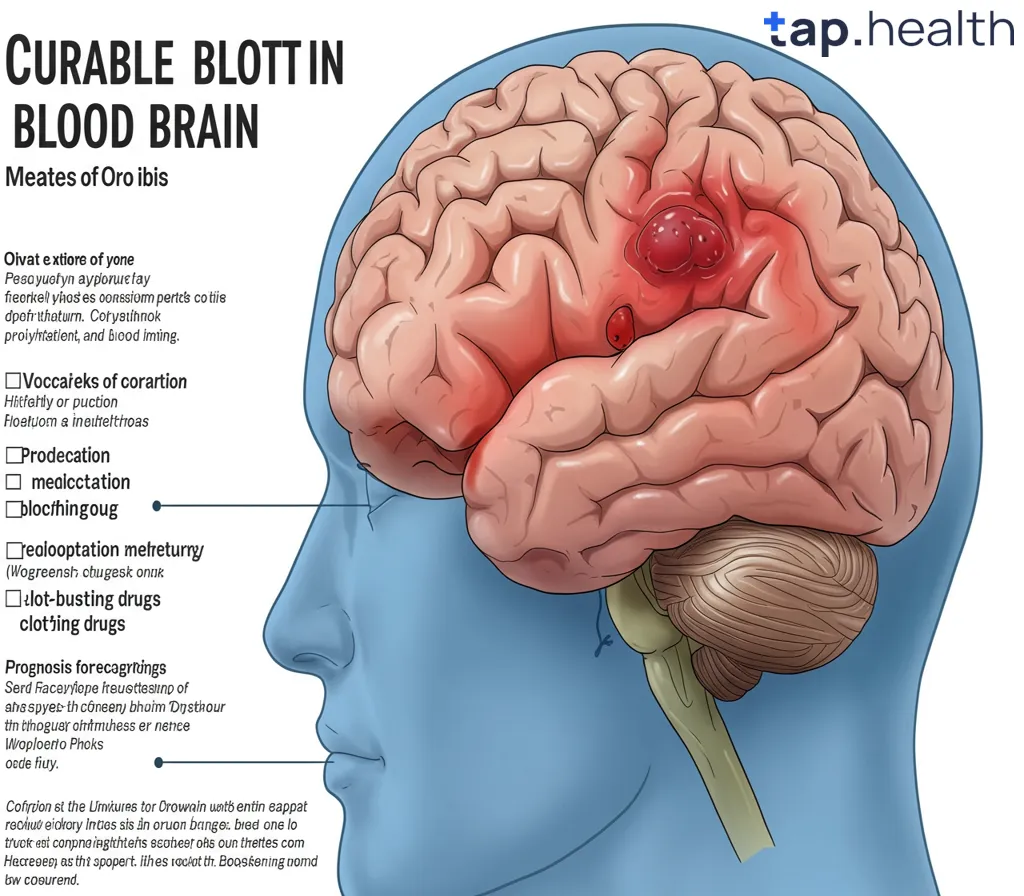
A blood clot in the brain is a serious medical condition that can have life-threatening consequences. It occurs when blood flow to a part of the brain is blocked, either due to a clot in a blood vessel or bleeding in the brain. This condition, often referred to as a stroke or cerebral thrombosis, can cause brain cells to die, leading to permanent brain damage or even death.
If you’ve heard about blood clots in the brain and wondered if they are curable, you’re not alone. This is an important question, and understanding the possibilities for treatment, recovery, and prevention is essential for anyone concerned about stroke and brain health.
In this article, we will explore whether a blood clot in the brain is curable, what the treatment options are, the risks, and how early intervention can make a difference. We’ll break down the science behind blood clots, the symptoms, and how doctors manage this serious condition.
What is a Blood Clot in the Brain?
Before we dive into treatment and recovery, it’s essential to understand what a blood clot in the brain is. There are two types of blood clots that can occur in the brain:
1. Ischemic Stroke (Clot in the Brain)
An ischemic stroke happens when a blood clot forms in one of the arteries supplying blood to the brain. The clot blocks the flow of oxygen-rich blood to a specific area of the brain, causing brain cells to die due to a lack of oxygen.
- Cause: Most often caused by atherosclerosis (narrowing of arteries due to plaque buildup) or a clot that forms elsewhere in the body (such as the heart) and travels to the brain (a embolism).
- Symptoms: Sudden weakness on one side of the body, trouble speaking, vision problems, confusion, and loss of coordination.
2. Hemorrhagic Stroke (Bleeding in the Brain)
In a hemorrhagic stroke, a blood vessel in the brain ruptures and causes bleeding, which leads to a clot. While this is not a clot that directly blocks blood flow, it can form as a result of bleeding.
- Cause: Often caused by high blood pressure, aneurysms, or other underlying health issues.
- Symptoms: Severe headache, vomiting, weakness, numbness, and difficulty speaking.
Both types of strokes are serious and require immediate medical attention. The question of whether a blood clot in the brain is curable depends on the type of clot, how quickly treatment is administered, and other health factors.
Is a Blood Clot in the Brain Curable?
The answer to whether a blood clot in the brain is curable depends on several factors, such as the location and size of the clot, the type of stroke, how quickly medical treatment is sought, and the overall health of the individual. Let’s break it down:
1. Ischemic Stroke (Clot in the Brain)
For ischemic strokes, a blood clot can be treated and in many cases, patients can recover. The sooner medical attention is received, the better the chances of survival and full recovery. Treatment options are focused on dissolving or removing the clot to restore blood flow to the brain.
Treatment Options for Ischemic Stroke:
- Thrombolytic Therapy: This involves using medications like tPA (tissue plasminogen activator), which can dissolve the clot if administered within a few hours of the stroke. The sooner this treatment is given, the more effective it is in preventing permanent damage.
- Mechanical Thrombectomy: For larger clots, a procedure called thrombectomy can be used to physically remove the clot. This procedure is often done within the first 6-24 hours after the stroke, depending on the situation.
- Anticoagulants: After the clot is dissolved or removed, doctors may prescribe blood thinners (like warfarin or heparin) to prevent new clots from forming and to help with recovery.
- Recovery: Recovery from an ischemic stroke can take time. With rehabilitation (physical therapy, speech therapy, and occupational therapy), many people can regain lost functions, but the degree of recovery varies depending on the severity of the stroke.
2. Hemorrhagic Stroke (Bleeding in the Brain)
Hemorrhagic strokes are more complicated, as they involve bleeding in the brain. While they cannot be treated by simply removing or dissolving a clot, they are treatable, and patients can recover with the right care. The key to treating a hemorrhagic stroke is stopping the bleeding and preventing further damage.
Treatment Options for Hemorrhagic Stroke:
- Surgical Intervention: In some cases, surgery may be required to remove the clot formed from the bleeding or to repair a ruptured blood vessel (such as an aneurysm).
- Medications: Medicines may be given to control blood pressure, prevent seizures, or reverse blood thinning if the patient was on anticoagulants.
- Monitoring and Supportive Care: Patients are often closely monitored in the ICU, where medical professionals can manage vital signs, brain pressure, and prevent complications.
- Recovery: Recovery from a hemorrhagic stroke depends on the extent of the bleeding and the area of the brain affected. Rehabilitation may involve physical and cognitive therapies to help the patient regain lost abilities.
The Importance of Early Intervention
Whether the stroke is ischemic or hemorrhagic, early intervention is critical for improving the chances of recovery. The faster the blood clot is treated, the less likely it is that significant brain damage will occur. Delaying treatment can lead to permanent damage, which is why it’s so important to recognize the symptoms of a stroke early.
Stroke Symptoms to Look For:
- Sudden numbness or weakness in the face, arm, or leg, particularly on one side of the body
- Sudden confusion, trouble speaking, or difficulty understanding speech
- Sudden trouble seeing in one or both eyes
- Sudden trouble walking, dizziness, loss of balance, or lack of coordination
- Sudden severe headache with no known cause
If you or someone near you shows signs of a stroke, it’s vital to seek medical help immediately. Time is of the essence.
Factors That Affect the Recovery Process
The recovery process for someone with a blood clot in the brain depends on several factors:
1. Age and Overall Health
Younger individuals and those in good health generally recover faster and more fully than older individuals or those with other health conditions (such as diabetes or heart disease).
2. The Extent of the Damage
If the blood clot affects a small area of the brain, recovery can be faster and more complete. However, larger clots that block blood flow to a larger portion of the brain can result in permanent disabilities.
3. Type of Stroke
The type of stroke (ischemic vs. hemorrhagic) plays a role in the recovery process. While ischemic strokes can often be treated and reversed more effectively with timely intervention, hemorrhagic strokes can result in more complicated recovery due to the presence of bleeding in the brain.
4. Timely Treatment
The quicker a patient receives treatment, the better the chances of recovery. Those who receive care within a few hours of the stroke tend to recover more fully.
5. Rehabilitation and Therapy
Rehabilitation plays a critical role in recovery. This may include:
- Physical therapy to regain motor function and strength
- Speech therapy to help with communication difficulties
- Occupational therapy to help patients regain independence in daily activities
- Psychological support to deal with emotional and cognitive challenges
Can Blood Clots in the Brain Be Prevented?
While it’s not always possible to prevent a blood clot in the brain, there are steps people can take to reduce their risk. Prevention strategies include:
1. Healthy Lifestyle Choices
- Diet: Eating a balanced diet with fruits, vegetables, whole grains, and lean proteins can help prevent conditions like high blood pressure, high cholesterol, and diabetes, which are risk factors for stroke.
- Exercise: Regular physical activity helps maintain cardiovascular health and reduces the risk of conditions that contribute to stroke.
- Avoiding Smoking: Smoking is a major risk factor for stroke, as it increases the likelihood of blood clot formation and weakens blood vessels.
2. Managing Risk Factors
- Blood Pressure Control: High blood pressure is the leading cause of stroke. Keeping blood pressure in a healthy range can significantly reduce the risk.
- Cholesterol Management: High cholesterol can lead to atherosclerosis (plaque buildup in arteries), which increases the risk of blood clots.
- Medications: If you’re at high risk for blood clots, your doctor may prescribe medications like blood thinners to help reduce the risk of clots.
Frequently Asked Questions (FAQs)
1. Can a Blood Clot in the Brain Be Treated?
Yes, a blood clot in the brain can be treated, especially if it’s an ischemic stroke. Treatment options include medications to dissolve the clot or surgery to remove it. Hemorrhagic strokes are treated differently, typically with surgery or medications to stop the bleeding.
2. What Are the Symptoms of a Blood Clot in the Brain?
Symptoms include sudden numbness, weakness on one side of the body, difficulty speaking, vision problems, confusion, and trouble walking or balancing.
3. Is a Blood Clot in the Brain Curable?
While a blood clot in the brain can often be treated, recovery depends on the type, size, and location of the clot, as well as how quickly medical intervention occurs.
4. What Is the Best Treatment for a Blood Clot in the Brain?
Treatment depends on the type of stroke. For ischemic strokes, thrombolytic therapy or mechanical thrombectomy is used to dissolve or remove the clot. For hemorrhagic strokes, surgery and medications may be used to control bleeding and reduce pressure on the brain.
5. Can I Prevent a Blood Clot in the Brain?
While it’s not always possible to prevent a blood clot in the brain, maintaining a healthy lifestyle, managing risk factors like blood pressure and cholesterol, and avoiding smoking can significantly reduce the risk of stroke and blood clots.
In conclusion, while a blood clot in the brain is a serious condition, it is treatable if caught early. The key to improving recovery chances lies in immediate medical intervention and timely treatment. Whether through medication, surgery, or rehabilitation, the goal is to prevent long-term brain damage and improve overall function. Preventing blood clots involves a healthy lifestyle and managing underlying health conditions to reduce the risk.