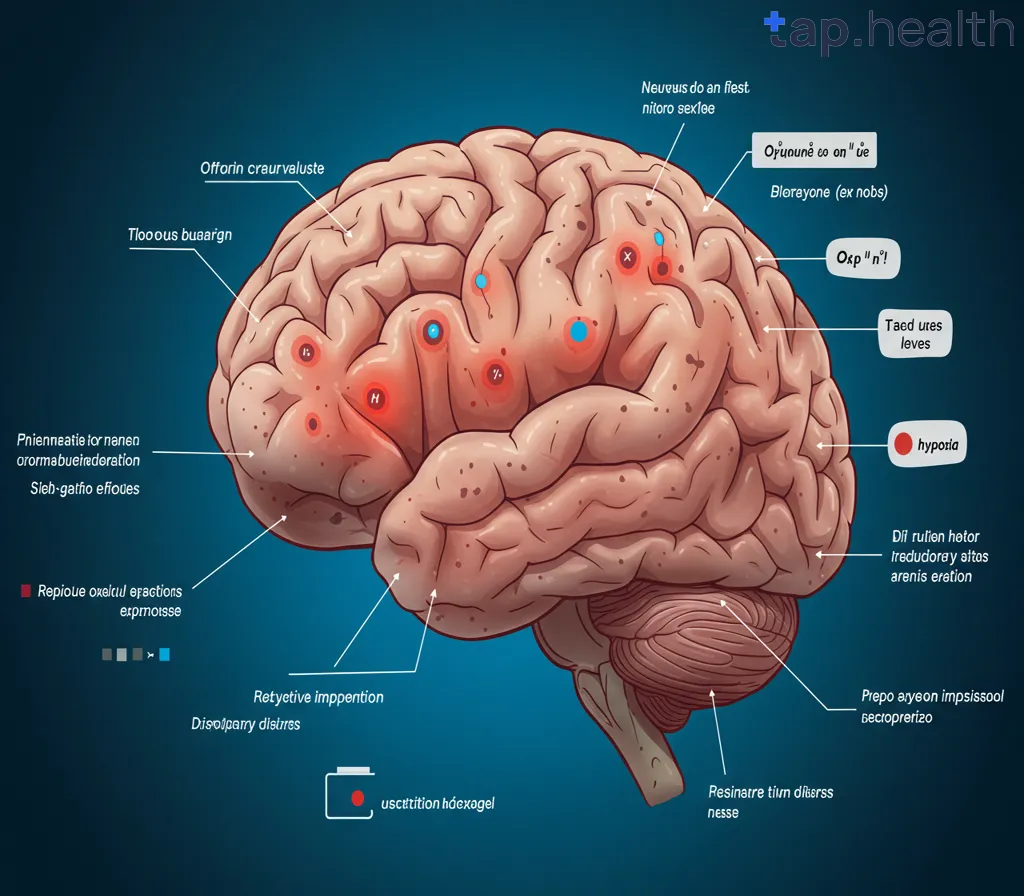
Whippits. Laughing gas. Nitrous oxide. You might have heard these terms at parties, online, or from friends. Some people think using whippits is harmless fun — a quick high that disappears in seconds. But here’s the truth: whippits can seriously harm your brain, especially when used more than once or without medical supervision.
We’ll cover:
- What whippits really are
- How they affect your brain in seconds
- Short-term and long-term damage
- Who’s most at risk
- Signs of brain damage
- And what to do if you or someone you know is using them
Let’s get into it.
What Are Whippits?
Before we talk about how whippits affect your brain, let’s understand what they actually are.
Whippits Are Not Candy — They’re a Gas
Whippits are small metal canisters filled with nitrous oxide (N₂O), a colorless gas with a slightly sweet smell. You’ve probably heard of it as “laughing gas” — the same gas dentists use to help patients relax during procedures.
But here’s the catch: when used outside of a medical setting, it becomes dangerous.
These canisters are legally made for use in whipped cream dispensers — that’s why they’re called “whippits.” But people have started misusing them by releasing the gas into a balloon and inhaling it to get high.
This is not safe. And it’s not legal when used for recreational purposes.
How Do Whippits Work in the Brain?
Now, let’s answer the big question: what do whippits do to your brain?
When you inhale nitrous oxide from a whippit, the gas travels from your lungs into your bloodstream, then quickly reaches your brain.
It Blocks Oxygen and Messes With Brain Signals
Nitrous oxide works by:
- Slowing down your central nervous system
- Interfering with how your brain cells communicate
- Reducing the amount of oxygen your brain gets
Even for just a few seconds, your brain is starved of oxygen — a condition called hypoxia.
Think of your brain like a computer. It needs power (oxygen and nutrients) to run. When you inhale whippits, you’re cutting off that power, even briefly. Over time, that can cause serious damage.
What Happens in the First Few Seconds?
When someone uses a whippit, here’s what happens almost instantly:
- Euphoria (Feeling High)
The gas triggers a rush of dopamine — the brain’s “feel-good” chemical. This causes a sudden feeling of happiness, excitement, or giddiness. - Dizziness and Light-Headedness
Because the brain isn’t getting enough oxygen, you may feel dizzy, wobbly, or like the room is spinning. - Laughing or Uncontrollable Smiles
This is why it’s called “laughing gas.” The gas affects areas of the brain that control emotions, leading to sudden laughter — even if nothing is funny. - Numbness or Tingling
Some people feel like their arms or legs are “falling asleep.” That’s because nitrous oxide affects nerve signals. - Reduced Pain Sensation
Nitrous oxide is used in dentistry because it dulls pain. But outside a controlled setting, this can be dangerous — you might not notice injuries.
All of this lasts about 30 to 60 seconds. But even that short time can hurt your brain.
Short-Term Effects of Whippits on the Brain
Using whippits even once can cause immediate changes in brain function.
1. Confusion and Disorientation
After inhaling nitrous oxide, many people report feeling confused. They might not remember what happened during the high. This is because the gas disrupts normal brain activity, especially in areas responsible for memory and thinking.
2. Loss of Coordination
You might stumble, drop things, or bump into walls. That’s because the cerebellum — the part of the brain that controls balance and movement — isn’t working properly.
3. Slurred Speech
Just like when someone is drunk, whippit users may talk slowly or mumble. This happens because the brain’s speech centers are slowed down.
4. Blackouts and Fainting
Because the brain isn’t getting enough oxygen, some people pass out. This can lead to injuries from falling.
5. Anxiety or Paranoia
Not everyone feels happy. Some people feel scared, panicked, or paranoid during or after use. This is especially common in people with anxiety or mental health conditions.
Long-Term Brain Damage from Whippits
Now, here’s the scary part: repeated use of whippits can cause permanent brain damage.
It’s not just a one-time buzz. Over time, nitrous oxide destroys essential nutrients your brain needs to survive.
How Whippits Damage Brain Cells
The main way whippits harm the brain is by killing vitamin B12.
Yes — the same vitamin you get from meat, eggs, and dairy.
Nitrous Oxide Inactivates Vitamin B12
Vitamin B12 is crucial for:
- Protecting nerve cells
- Making DNA
- Producing red blood cells
- Supporting memory and focus
When you inhale nitrous oxide, it shuts down vitamin B12 in your body. Without active B12, your nerves start to break down.
This leads to a condition called neurological damage — which means your brain and nervous system stop working properly.
Signs of Brain Damage from Whippits
If someone uses whippits regularly, they may start showing these symptoms:
- Memory loss – Forgetting names, dates, or recent events
- Difficulty concentrating – Can’t focus on school, work, or conversations
- Depression or mood swings – Sudden sadness, anger, or emotional numbness
- Numbness or weakness in hands and feet – Caused by damaged nerves
- Trouble walking – Legs feel heavy or uncoordinated
- Bladder or bowel problems – In severe cases, nerve damage affects body control
These aren’t just “side effects.” This is real brain damage — and it can be permanent.
Can Whippit Use Cause Permanent Brain Damage?
Yes. And it’s more common than you think.
According to the National Institute on Drug Abuse (NIDA), long-term nitrous oxide abuse can lead to:
- Myeloneuropathy – Damage to the spinal cord and nerves
- Leukoencephalopathy – A rare brain disorder that destroys white matter
- Cognitive decline – Lower IQ, poor decision-making, and memory problems
A 2020 study published in the Journal of Neurology followed several young adults who used whippits daily for months. Many showed brain scans with visible damage — similar to people with multiple sclerosis.
And guess what? Some never fully recovered — even after quitting.
Why Are Young People Using Whippits?
You might wonder: Why would anyone risk their brain for a 30-second high?
Here’s why whippits are becoming popular, especially among teens and young adults:
1. Easy to Get
Whippits are sold online and in stores — often labeled as “charger cartridges” for whipped cream makers. They’re cheap (around $3–$5 each) and don’t require ID.
2. Seen as “Safe” Because Dentists Use It
People think, “If dentists use it, it must be safe.” But medical use is controlled, short-term, and mixed with oxygen. Recreational use is none of those things.
3. Social Media Influence
TikTok, YouTube, and Instagram have videos showing people using whippits. Some make it look fun, cool, or harmless. But these videos don’t show the hospital visits, nerve damage, or mental health struggles that come later.
4. Used to Escape Stress or Anxiety
Some people turn to whippits to cope with school pressure, family problems, or depression. But instead of helping, it makes mental health worse over time.
Who Is Most at Risk?
While anyone can be harmed by whippits, some people are more vulnerable.
1. Teens and Young Adults
Brains are still developing until age 25. During this time, they’re more sensitive to damage from drugs and oxygen loss.
Using whippits during adolescence can:
- Disrupt brain development
- Harm learning and memory
- Increase risk of addiction
2. People with Low Vitamin B12
Some people already have low B12 due to diet (like vegans), digestive issues, or genetics. For them, whippit use can cause damage much faster.
3. Frequent Users
One-time use is risky. But using whippits weekly or daily? That’s when real damage happens.
The more you use, the more your B12 gets destroyed — and the harder it is to recover.
How Whippits Affect Mental Health
It’s not just your brain’s physical structure that suffers. Your mental health takes a hit too.
1. Depression
Studies show that nitrous oxide abuse is linked to higher rates of depression. This may be due to:
- B12 deficiency
- Changes in brain chemistry
- Social isolation from hiding drug use
2. Anxiety
Some users report panic attacks after using whippits. Over time, anxiety can become chronic.
3. Psychosis (in rare cases)
Very heavy, long-term use has been linked to psychotic symptoms, like:
- Hearing voices
- Seeing things that aren’t there
- Believing strange or false ideas
This is rare but serious — and often requires hospitalization.
Can You Recover from Whippit Brain Damage?
The good news: yes, recovery is possible — if you stop in time.
But it depends on:
- How long you’ve been using
- How often
- How quickly you get help
Treatment Options
- Stop Using Whippits
The first and most important step. - Vitamin B12 Shots or Supplements
Doctors may give high-dose B12 injections to repair nerve damage. - Neurological Therapy
Physical or occupational therapy can help regain movement and coordination. - Counseling or Rehab
If addiction is involved, therapy can help change behavior and prevent relapse.
Many people see improvement within weeks or months — but some damage may be permanent.
What Are the Other Dangers of Whippits?
Brain damage is the biggest risk, but it’s not the only one.
1. Choking or Suffocation
Inhaling from a balloon can block your airway. Some people have died from asphyxiation.
2. Frostbite
The gas is extremely cold when released. Holding the canister or balloon too close can freeze your lips, nose, or throat.
3. Heart Problems
Low oxygen can stress the heart. In rare cases, this leads to irregular heartbeat or cardiac arrest.
4. Accidents
People using whippits often fall, crash bikes, or walk into traffic because they’re dizzy or unconscious.
How to Spot Whippit Use in a Loved One
If you’re worried about someone, here are signs they might be using whippits:
Physical Signs
- Strange metal canisters in their room or bag
- Balloons with no obvious purpose
- Metallic smell on breath or clothes
- Pale or yellowish skin (sign of anemia from B12 loss)
Behavioral Signs
- Sudden mood swings
- Memory problems
- Numbness or tingling in hands/feet
- Withdrawal from family or friends
- Secretive behavior
If you notice these, talk to them — with care, not anger.
How to Talk to Someone About Whippit Use
Approaching someone about drug use is hard. But it can save their life.
Do:
- Stay calm and kind
- Say you’re worried about their health
- Share facts (like what whippits do to the brain)
- Offer to help them see a doctor
Don’t:
- Yell or shame them
- Call them weak or stupid
- Threaten or punish
- Ignore the problem
Many people don’t realize how dangerous whippits are. They may not know they’re harming their brain.
Are Whippits Addictive?
You can’t get physically addicted to nitrous oxide like you can to heroin or alcohol. But you can become psychologically dependent.
That means:
- You crave the high
- You feel like you need it to relax or have fun
- You keep using it even when it causes problems
This is still addiction — and it’s dangerous.
Legal Status of Whippits
Here’s the tricky part: the canisters themselves are legal — when sold for culinary use.
But using them to get high is illegal in many places.
In the U.S., laws vary by state. Some states ban possession for inhalation. Others restrict sales to minors.
Even if it’s not illegal, it’s still extremely unsafe.
What the Experts Say
Let’s look at what real health experts say about whippits and brain health.
National Institute on Drug Abuse (NIDA)
“Inhaling nitrous oxide can cause irreversible neurological damage, especially with repeated use. It interferes with vitamin B12, leading to nerve damage and cognitive decline.”
Mayo Clinic
“Recreational use of nitrous oxide poses serious risks, including oxygen deprivation, nerve damage, and psychiatric symptoms. It should never be used outside medical supervision.”
World Health Organization (WHO)
“There is no safe level of recreational nitrous oxide use. Even occasional use can lead to hypoxia and neurological harm.”
These aren’t opinions. These are scientific facts.
Real Stories: What Happens When Whippits Go Wrong
Let’s look at real-life cases to understand the risks.
Case 1: The College Student Who Couldn’t Walk
A 20-year-old college student used whippits every weekend for 6 months. He started feeling tingling in his legs. Then, he fell while walking. Doctors found severe nerve damage from B12 deficiency. He needed physical therapy for 8 months — and still walks with a slight limp.
Case 2: The Teen with Memory Loss
A 16-year-old used whippits daily for 3 months. His grades dropped. He forgot homework, names, and even parts of conversations. Brain scans showed early signs of cognitive decline. After stopping and taking B12, his memory improved — but not fully.
Case 3: The Man Who Developed Psychosis
A 28-year-old used whippits heavily for over a year. He began hearing voices and believing people were spying on him. He was hospitalized and diagnosed with nitrous oxide-induced psychosis. It took months of treatment to stabilize.
These aren’t scare stories. These are real people whose lives were changed — all for a few seconds of “fun.”
How to Stay Safe: What You Should Know
Now that you know what do whippits do to your brain, here’s how to protect yourself and others.
1. Never Use Whippits to Get High
Even once is risky. There’s no safe way to misuse them.
2. Educate Your Friends
Share this information. Many people don’t know the dangers.
3. Look for Help if You’re Struggling
If you’re using whippits to cope with stress, anxiety, or depression, talk to a counselor, doctor, or trusted adult. There are safer ways to feel better.
4. Store Whippits Safely
If you use them for cooking, keep them locked or out of reach of teens.
5. Report Misuse
If you see someone selling or using whippits for inhalation, report it to a responsible adult or local authorities.
What to Do If Someone Is Using Whippits
If you’re worried about a friend or family member:
- Talk to them — with care and concern
- Encourage medical help — a doctor can check B12 levels and brain function
- Suggest counseling — therapy can help break the habit
- Support recovery — be patient and kind
Recovery is possible — but it starts with action.
FAQs: What Do Whippits Do to Your Brain?
Here are answers to the most common questions people have.
What exactly are whippits made of?
Whippits contain nitrous oxide gas (N₂O) stored in small metal canisters. They are designed for use in whipped cream dispensers, not for inhalation.
How fast do whippits affect the brain?
Within seconds. The gas reaches the brain in 10–15 seconds, causing a brief high that lasts 30–60 seconds.
Can one whippit hurt your brain?
Even one use can cause temporary oxygen loss, which stresses brain cells. While one-time use may not cause permanent damage, it’s still risky — especially if it leads to falls, accidents, or repeated use.
Do whippits kill brain cells?
Yes. Repeated use destroys vitamin B12, which protects nerve cells. Without B12, brain and nerve cells begin to break down.
Can whippit use cause memory loss?
Yes. Long-term use is linked to short-term memory loss, confusion, and difficulty concentrating — all signs of brain damage.
Are whippits worse than alcohol for the brain?
They affect the brain differently. Alcohol damages brain cells over time through toxicity. Whippits cause oxygen deprivation and B12 destruction, which can lead to faster nerve damage in heavy users.
Can you overdose on whippits?
There’s no exact “overdose” like with opioids, but inhaling too much too fast can cause suffocation, heart failure, or death from lack of oxygen.
How long does brain damage from whippits take?
It varies. Some people show symptoms after a few weeks of daily use. Others may take months. But damage can start sooner than you think.
Can brain damage from whippits be reversed?
Sometimes — if caught early. Stopping use and getting B12 treatment can help repair nerves. But long-term or severe damage may be permanent.
Do whippits show up on drug tests?
Most standard drug tests do not detect nitrous oxide. However, doctors can test for B12 deficiency or nerve damage caused by use.
Are flavored whippits safer?
No. Flavor has nothing to do with safety. All whippits contain the same nitrous oxide gas — and all carry the same risks.
Can whippits cause mental illness?
They don’t cause mental illness directly, but they can trigger or worsen conditions like depression, anxiety, and psychosis — especially in people already at risk.
Is it safe to use whippits once?
No. Even one use carries risks: dizziness, fainting, injury, or oxygen loss. There is no safe recreational use.
What are the warning signs of B12 deficiency from whippits?
- Numbness or tingling in hands/feet
- Fatigue
- Weakness
- Balance problems
- Memory issues
- Pale or yellow skin
If you have these, see a doctor immediately.
Can kids get whippits online?
Yes. Many websites sell them without age verification. This makes it easy for teens to access them — which is why parental awareness is crucial.
Are there any safe alternatives to whippits?
If you’re looking to relax or have fun, safe alternatives include exercise, music, art, or talking to a friend. If you’re struggling with mental health, speak to a counselor.
Final Thoughts: What Do Whippits Do to Your Brain?
Let’s be clear: whippits are not harmless. They are not just “fun.” They are dangerous — especially to your brain.
They work by cutting off oxygen and destroying vitamin B12, which your brain needs to survive. Even short-term use can cause dizziness, confusion, and memory gaps. Long-term use can lead to permanent nerve damage, paralysis, depression, and cognitive decline.
The high lasts 30 seconds. The damage can last a lifetime.
If you or someone you know is using whippits, please — get help now. Talk to a doctor, counselor, or trusted adult. Your brain is worth protecting.