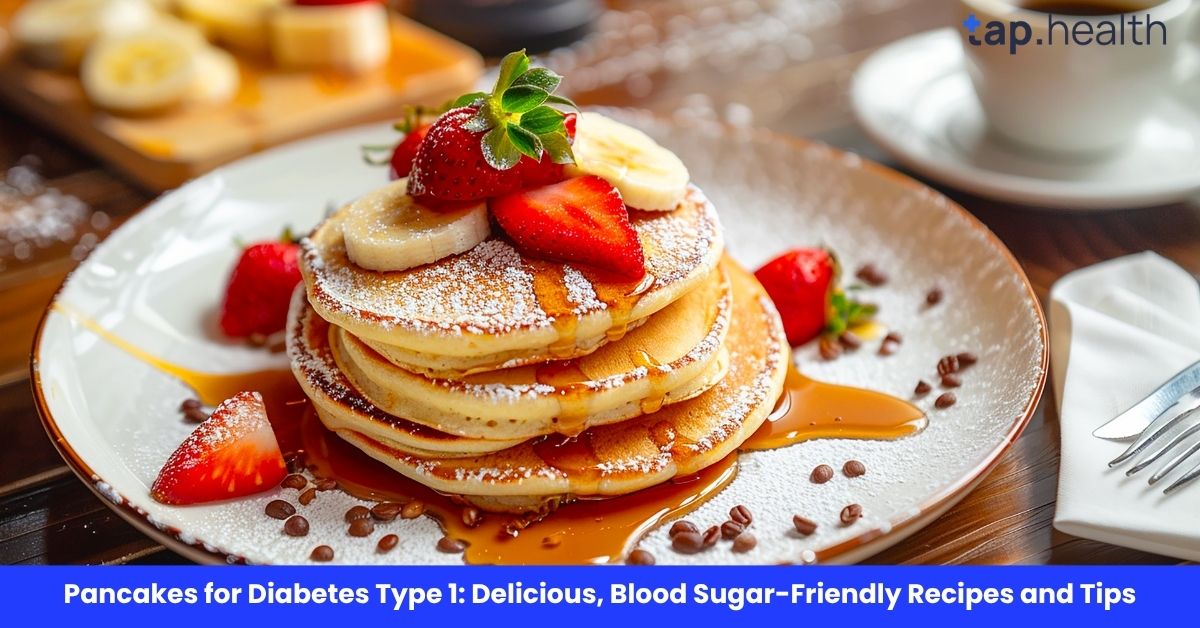
For people living with Type 1 diabetes, meal planning plays a crucial role in managing blood sugar levels. Pancakes, a beloved breakfast food, are often off-limits because they tend to be high in sugar and carbohydrates, which can cause rapid blood sugar spikes. However, with a little creativity and the right ingredients, it’s possible to make pancakes that are not only delicious but also diabetes-friendly.
In this article, we will explore how you can enjoy pancakes while managing Type 1 diabetes. We’ll provide you with tips for making blood sugar-friendly pancakes, share some tasty recipes, and answer some common questions about pancakes for Type 1 diabetes.
Why Pancakes Can Be Problematic for Type 1 Diabetes
Traditional pancakes are typically made with white flour and sugar, both of which have a high glycemic index (GI). Foods with a high GI cause blood sugar to spike quickly, which is something that people with Type 1 diabetes need to avoid. The quick rise in blood sugar levels is often followed by a rapid drop, leading to an energy crash and potentially feeling unwell.
For Type 1 diabetics, managing insulin levels is crucial. Since insulin is needed to help regulate blood sugar after eating carbohydrates, consuming foods that are too high in sugar and carbs can make it difficult to maintain proper blood sugar levels. However, this doesn’t mean you have to give up pancakes entirely.
By choosing the right ingredients and making small adjustments, you can create pancakes that are lower in carbs, have a low glycemic index, and are suitable for a Type 1 diabetic diet.
Key Ingredients for Diabetes-Friendly Pancakes
When making pancakes for diabetes type 1, it’s important to choose ingredients that won’t cause rapid spikes in blood sugar. Below are some of the best ingredients to use for healthier, blood sugar-friendly pancakes:
1. Almond Flour
Almond flour is a popular choice for diabetics because it’s low in carbohydrates and high in healthy fats and fiber. It has a low glycemic index, making it a great alternative to traditional flour. Almond flour also adds a rich, nutty flavor to pancakes, making them delicious and filling.
2. Coconut Flour
Coconut flour is another low-carb flour option, rich in fiber. It helps regulate blood sugar by slowing the absorption of sugars into the bloodstream. Coconut flour is highly absorbent, so recipes using coconut flour typically require more liquids to achieve the desired consistency.
3. Eggs
Eggs are an essential ingredient for pancakes because they provide structure and moisture. They’re also high in protein, which can help regulate blood sugar levels. Including eggs in your pancake recipes can help provide lasting energy without causing blood sugar spikes.
4. Natural Sweeteners
Instead of using refined sugars or syrups, opt for natural sweeteners that do not raise blood sugar levels. Some great options include stevia, monk fruit, or erythritol. These sweeteners are non-caloric and won’t cause insulin spikes, making them ideal for people with Type 1 diabetes.
5. Baking Powder
Baking powder is a leavening agent that helps pancakes rise and become fluffy. Just make sure to use a gluten-free variety if you need to adhere to a gluten-free diet.
6. Unsweetened Almond Milk or Coconut Milk
Unsweetened almond milk or coconut milk can be used as a dairy-free, low-sugar alternative to regular milk. These plant-based milks are low in carbohydrates, making them a great option for diabetics.
7. Fiber-Rich Add-ins
Adding fiber-rich ingredients like chia seeds, flaxseeds, or psyllium husk to your pancake batter can help stabilize blood sugar levels. Fiber slows the digestion and absorption of carbohydrates, preventing rapid blood sugar spikes.
Healthy Pancake Recipes for Type 1 Diabetes
Now that we’ve covered the key ingredients, let’s take a look at some diabetic-friendly pancake recipes that are low in sugar and carbs.
1. Almond Flour Pancakes
Ingredients:
- 1 cup almond flour
- 2 large eggs
- 1/4 cup unsweetened almond milk
- 1/2 tsp baking powder
- 1/2 tsp vanilla extract
- 1 tbsp monk fruit sweetener (optional)
- Pinch of salt
Instructions:
- In a large bowl, mix the almond flour, baking powder, salt, and monk fruit sweetener (if using).
- In a separate bowl, whisk the eggs and almond milk together.
- Pour the wet ingredients into the dry ingredients and stir until smooth.
- Heat a non-stick pan or griddle over medium heat and lightly grease with oil or butter.
- Pour small portions of the batter onto the pan, forming pancakes.
- Cook each pancake for 2-3 minutes on each side until golden brown.
- Serve with fresh berries, sugar-free syrup, or a dollop of Greek yogurt.
Why It’s Good for Type 1 Diabetes:
Almond flour is low in carbs and has a low glycemic index, making this recipe ideal for blood sugar control. These pancakes are high in healthy fats and protein, which helps regulate blood sugar.
2. Coconut Flour Pancakes
Ingredients:
- 1/4 cup coconut flour
- 3 large eggs
- 1/4 cup unsweetened coconut milk
- 1/2 tsp baking powder
- 1/4 tsp cinnamon (optional)
- Stevia or monk fruit sweetener to taste
Instructions:
- In a mixing bowl, combine coconut flour, baking powder, cinnamon, and sweetener.
- In a separate bowl, whisk the eggs and coconut milk until smooth.
- Add the wet ingredients to the dry ingredients and mix until fully combined. The batter will be thick.
- Heat a non-stick pan over medium heat and lightly grease it.
- Spoon small amounts of batter onto the pan to form pancakes.
- Cook for about 2-3 minutes on each side, flipping when golden brown.
- Serve with fresh fruit, sugar-free syrup, or nut butter.
Why It’s Good for Type 1 Diabetes:
Coconut flour is high in fiber, which slows down the absorption of sugar into the bloodstream. These pancakes are rich in healthy fats and proteins, making them a great choice for diabetics.
3. Flaxseed Pancakes
Ingredients:
- 1/2 cup ground flaxseeds
- 2 large eggs
- 1/4 cup unsweetened almond milk
- 1/2 tsp baking powder
- 1/4 tsp cinnamon (optional)
- 1 tbsp monk fruit sweetener (optional)
Instructions:
- In a bowl, combine the ground flaxseeds, baking powder, cinnamon, and sweetener (if using).
- In another bowl, whisk the eggs and almond milk together.
- Add the wet ingredients to the dry ingredients and stir until combined.
- Heat a non-stick skillet over medium heat and lightly grease it.
- Pour small portions of batter onto the skillet and cook each pancake for 2-3 minutes on each side until golden brown.
- Serve with your favorite sugar-free toppings such as fresh berries or a drizzle of almond butter.
Why It’s Good for Type 1 Diabetes:
Flaxseeds are high in fiber and omega-3 fatty acids, which help control blood sugar and reduce inflammation. They also provide lasting energy without spiking blood sugar.
Tips for Making the Best Pancakes for Type 1 Diabetes
1. Use Fresh, Whole Ingredients
Whenever possible, use fresh, whole ingredients such as fresh berries, nuts, and seeds. These ingredients are rich in nutrients and fiber, helping to stabilize blood sugar levels.
2. Watch Your Portion Sizes
While these pancakes are diabetes-friendly, portion control is still important. Keep track of your carbohydrate intake to ensure you’re not consuming too many carbs at once.
3. Avoid Sugary Syrups
Traditional maple syrup is loaded with sugar. Instead, opt for sugar-free syrup or create your own by using natural sweeteners like monk fruit or stevia. You can also top your pancakes with fresh fruit or a dollop of plain Greek yogurt.
4. Add Fiber-Rich Toppings
To boost the fiber content of your pancakes, try adding chia seeds, ground flaxseeds, or even a handful of spinach or kale to the batter. Fiber slows down the digestion of carbohydrates and helps prevent blood sugar spikes.
Real-Life Scenario
Imagine a person with Type 1 diabetes preparing breakfast before heading to work. They want pancakes but are concerned about blood sugar spikes. By making pancakes with almond flour and adding a small portion of berries, they enjoy a tasty breakfast without causing a rapid glucose increase.
Expert Contribution
Endocrinologists and dietitians emphasize that carbohydrate counting is crucial for people with Type 1 diabetes. They recommend pairing carbohydrates with protein or healthy fats to reduce post-meal glucose spikes. Research also supports using low-glycemic index ingredients to improve blood sugar control.
Recommendations Grounded in Proven Research and Facts
- Choose low-glycemic flours: Almond, coconut, or oat flour helps prevent blood sugar spikes.
- Include protein and fiber: Eggs, Greek yogurt, or flaxseeds in the batter slow glucose absorption.
- Monitor portion sizes: One or two small pancakes with healthy toppings is enough.
- Avoid sugary syrups: Use fresh fruits or sugar-free options instead.
- Test blood sugar regularly: Checking before and after meals helps understand individual responses.
FAQ on Pancakes for Diabetes Type 1
1. Can Type 1 diabetics eat pancakes?
Yes, Type 1 diabetics can enjoy pancakes, but it’s important to choose recipes that are low in carbs and sugar. Opt for alternatives like almond flour or coconut flour and use natural sweeteners like stevia or monk fruit to avoid blood sugar spikes.
2. How do I make pancakes that won’t spike my blood sugar?
To make pancakes that won’t spike blood sugar, use low-carb flour alternatives (like almond flour or coconut flour), add fiber-rich ingredients (like flaxseeds or chia seeds), and avoid using sugar. You can sweeten your pancakes with natural sweeteners such as stevia or monk fruit.
3. What is the best flour for diabetic pancakes?
The best flours for diabetic pancakes are almond flour and coconut flour. Both are low in carbohydrates and high in fiber, making them ideal for managing blood sugar levels.
4. Can I use regular syrup on my diabetic pancakes?
Regular syrup is high in sugar and should be avoided. Instead, opt for sugar-free syrups or make your own using natural sweeteners like stevia or monk fruit.
5. How can I make my pancakes fluffier for Type 1 diabetes?
To make your pancakes fluffier, you can add more eggs or a little extra baking powder. Just make sure to adjust the liquid in the recipe accordingly to achieve the right consistency.
By following these recipes and tips, you can enjoy pancakes while keeping your blood sugar levels under control. Diabetic pancakes can be both delicious and nutritious, providing a satisfying breakfast that helps manage Type 1 diabetes effectively. Enjoy these healthy, blood sugar-friendly pancakes as part of a balanced, diabetes-friendly diet!
References & Sources
- American Diabetes Association (ADA):Nutrition & Recipes for Diabetes.
- Harvard T.H. Chan School of Public Health:Carbohydrates and Blood Sugar.
- Mayo Clinic:Diabetes Diet: Create your healthy-eating plan.