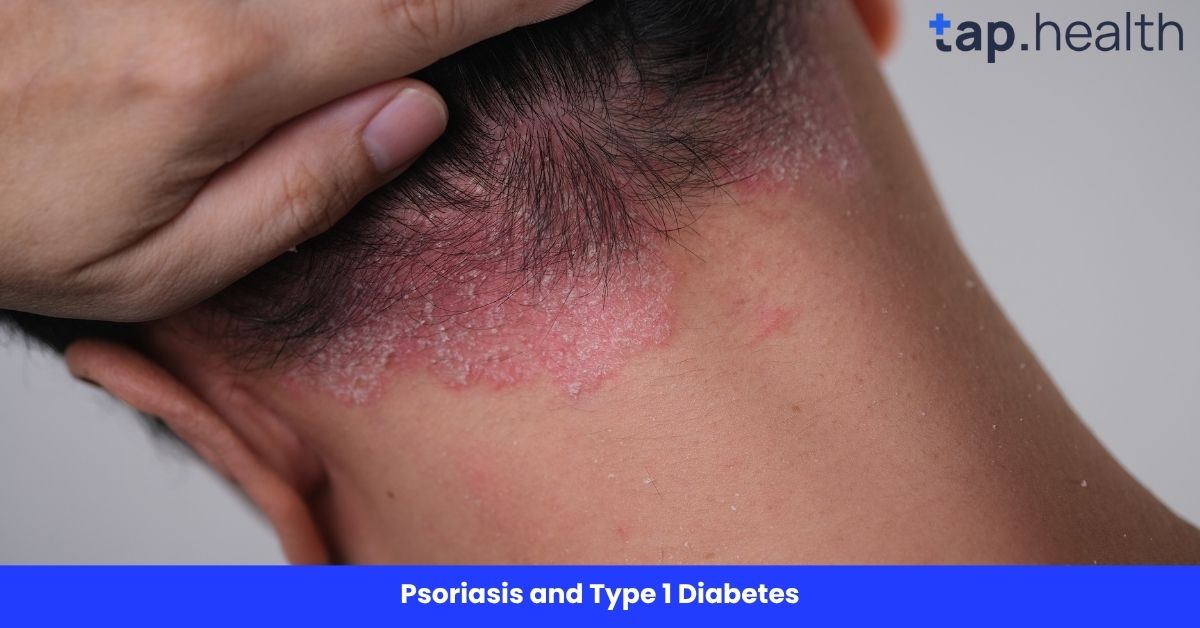
Psoriasis and type 1 diabetes are two distinct health conditions, but they often coexist in individuals. Understanding the connection between the two can help manage both diseases effectively. In this article, we’ll explore what psoriasis is, how it relates to type 1 diabetes, their common risk factors, and ways to manage both conditions to live a healthier life.
What is Psoriasis?
Psoriasis is a chronic autoimmune condition that leads to the rapid growth of skin cells. This overproduction causes thick, scaly patches on the skin, often found on the elbows, knees, scalp, and lower back. These patches can be red, inflamed, and sometimes covered with silvery scales.
Symptoms of Psoriasis
The symptoms of psoriasis can vary depending on the type and severity, but they generally include:
- Red, raised, scaly patches on the skin
- Dry or cracked skin that may bleed
- Itching, burning, or soreness
- Thickened or ridged nails
- Swollen or stiff joints (psoriatic arthritis)
Types of Psoriasis
There are several different types of psoriasis, each with unique characteristics:
- Plaque Psoriasis: The most common form, characterized by raised, red patches covered with silvery-white scales.
- Guttate Psoriasis: Small, drop-shaped lesions typically triggered by a throat infection.
- Inverse Psoriasis: Red, shiny lesions that appear in skin folds, such as the underarms, groin, and under the breasts.
- Pustular Psoriasis: White pustules surrounded by red skin, often seen on the hands or feet.
- Erythrodermic Psoriasis: A rare but severe form that causes widespread redness and shedding of the skin.
What is Type 1 Diabetes?
Type 1 diabetes is a condition where the body’s immune system mistakenly attacks and destroys insulin-producing cells in the pancreas. As a result, the body can no longer produce insulin, which is essential for regulating blood sugar levels.
Symptoms of Type 1 Diabetes
The symptoms of type 1 diabetes can develop rapidly and include:
- Increased thirst and frequent urination
- Unexplained weight loss
- Extreme hunger
- Fatigue or weakness
- Blurry vision
- Slow-healing cuts or sores
Causes of Type 1 Diabetes
While the exact cause is not fully understood, type 1 diabetes is believed to be triggered by a combination of genetic and environmental factors, such as viral infections. It is an autoimmune disease, meaning the body’s immune system attacks healthy cells.
The Link Between Psoriasis and Type 1 Diabetes
Research has shown that individuals with psoriasis are at a higher risk of developing type 1 diabetes. Though the exact reasons for this connection are still being studied, there are several plausible explanations.
Shared Genetic Factors
Both psoriasis and type 1 diabetes have genetic components. Certain genes related to the immune system, such as those in the HLA (human leukocyte antigen) region, have been linked to both conditions. This suggests that individuals with a genetic predisposition to one disease may also be more likely to develop the other.
Immune System Dysfunction
Both conditions involve an autoimmune response. In psoriasis, the immune system attacks skin cells, leading to inflammation and rapid skin cell turnover. In type 1 diabetes, the immune system attacks the insulin-producing cells in the pancreas. The overlap in immune dysfunction may explain why people with one condition may be at higher risk of developing the other.
Inflammation as a Common Factor
Chronic inflammation is a key feature in both psoriasis and type 1 diabetes. Psoriasis causes inflammation in the skin, while type 1 diabetes involves inflammation in the pancreas. Some studies suggest that inflammation may contribute to the development of insulin resistance, making it harder to manage blood sugar levels in individuals with both conditions.
Managing Psoriasis and Type 1 Diabetes Together
Living with both psoriasis and type 1 diabetes can be challenging, but with the right strategies, it’s possible to manage both conditions effectively. Here are some tips to help manage psoriasis and type 1 diabetes simultaneously:
1. Regular Monitoring of Blood Sugar Levels
Since psoriasis medications may affect blood sugar levels, it’s essential to closely monitor your blood glucose levels. Work with your doctor to adjust your insulin doses as necessary when starting new psoriasis treatments.
2. Follow a Balanced Diet
Eating a well-balanced diet is essential for managing both psoriasis and type 1 diabetes. Focus on:
- Low glycemic index foods to help stabilize blood sugar levels.
- Anti-inflammatory foods such as fruits, vegetables, and omega-3 rich foods like fish to help reduce psoriasis flare-ups.
- Healthy fats like avocado and nuts, which may help improve skin health and control blood sugar.
3. Stress Management
Stress is known to exacerbate both psoriasis and type 1 diabetes. Consider incorporating stress-relieving activities such as yoga, meditation, or deep breathing exercises into your daily routine. Managing stress can help reduce flare-ups of psoriasis and keep blood sugar levels stable.
4. Regular Exercise
Exercise is important for overall health and can help manage both conditions:
- It helps control blood sugar levels and insulin sensitivity.
- It reduces stress and inflammation, which may help reduce psoriasis flare-ups.
However, make sure to check your blood sugar before and after exercise to prevent hypoglycemia (low blood sugar). Always carry a source of quick sugar, such as glucose tablets, when exercising.
5. Skin Care and Psoriasis Treatment
Proper skin care is vital to prevent psoriasis flare-ups:
- Use gentle, fragrance-free skin care products.
- Apply moisturizers regularly to keep skin hydrated and prevent dryness and cracking.
- Consider using topical treatments such as corticosteroids or vitamin D analogs as prescribed by your doctor.
- Phototherapy (light therapy) may be an option for some people with psoriasis but should be discussed with a healthcare provider, especially if you have type 1 diabetes.
6. Medication Considerations
Certain medications for psoriasis, such as corticosteroids or immunosuppressive drugs, can affect blood sugar levels. Always inform your doctor if you have type 1 diabetes and are starting a new psoriasis treatment. Your healthcare team may need to adjust your diabetes management plan.
Real-Life Scenario
Consider someone with Type 1 Diabetes who notices red, itchy patches on their elbows and knees. Over time, these patches worsen, and they realize their blood sugar levels are harder to control during flare-ups. This scenario shows how psoriasis can affect overall health and diabetes management.
Expert Contribution
Dermatologists and endocrinologists explain that the inflammation from psoriasis can increase insulin resistance slightly, making blood sugar management more difficult. Experts recommend regular monitoring of both skin symptoms and blood glucose levels. Treatments like topical creams, phototherapy, or systemic medications can help control psoriasis without negatively affecting diabetes.
Recommendations Grounded in Proven Research and Facts
- Regular monitoring: Keep track of blood sugar levels and skin condition regularly.
- Consult specialists: Dermatologists and endocrinologists should be consulted for co-management.
- Anti-inflammatory diet: Foods rich in omega-3 fatty acids, antioxidants, and low glycemic index may help reduce inflammation.
- Stress management: Stress can trigger both psoriasis flare-ups and blood sugar spikes. Techniques like meditation, yoga, or breathing exercises can help.
- Medication adherence: Follow prescribed diabetes and psoriasis medications carefully, as uncontrolled psoriasis can worsen insulin sensitivity.
How Tap Health Supports Diabetics
Tap Health is a smart, AI-powered app designed to help people with diabetes in India manage their health more effectively. It offers tools to monitor blood sugar, track carbohydrate intake, and stay on top of overall wellness in one convenient platform.
Why Tap Health Makes Diabetes Management Easier
Managing diabetes can be challenging, but Tap Health simplifies the process with practical features and personalized guidance:
Precise Carbohydrate Tracking – Quickly log your meals or take a picture, and the app provides accurate estimates of carbs, calories, and portions, including popular Indian foods.
Glucose Monitoring Made Simple – Record your blood sugar readings and easily see patterns to understand how diet and lifestyle affect your levels.
Automated Reminders – Receive notifications for medications, meals, and glucose checks to ensure you stay consistent without stress.
Personalized Recommendations – The app analyzes your data to provide tailored suggestions for diet, activity, and blood sugar management.
Indian-Focused Meal Guidance – Access a wide range of Indian recipes, regional dishes, and meal plans suited to your culture and preferences.
Progress Tracking and Reports – View trends in your glucose levels and HbA1c over time with clear, easy-to-read charts.
Professional Support – Connect with qualified doctors and dietitians directly through the app for advice and guidance tailored to your needs.
Frequently Asked Questions (FAQs) on Psoriasis and Type 1 Diabetes
1. Can psoriasis trigger type 1 diabetes?
While psoriasis doesn’t directly trigger type 1 diabetes, both conditions share immune system dysfunction and genetic factors, which may increase the likelihood of developing both conditions.
2. How does inflammation affect psoriasis and type 1 diabetes?
Chronic inflammation plays a role in both psoriasis and type 1 diabetes. Inflammation can make psoriasis worse and may also lead to insulin resistance, making blood sugar management more difficult.
3. Are people with type 1 diabetes more likely to get psoriasis?
Yes, individuals with type 1 diabetes may have an increased risk of developing psoriasis due to shared genetic and immune system factors.
4. What are the best treatments for psoriasis in individuals with type 1 diabetes?
Topical treatments, phototherapy, and biologic medications are commonly used to manage psoriasis. However, treatment plans must be tailored to each individual, taking into account their diabetes management needs.
5. How can I manage both psoriasis and type 1 diabetes without complications?
To manage both conditions effectively, monitor your blood sugar regularly, follow a balanced diet, manage stress, and maintain a skincare routine. Work closely with both your dermatologist and endocrinologist to ensure your treatments are coordinated.
6. Can stress worsen both psoriasis and type 1 diabetes?
Yes, stress can exacerbate both psoriasis and type 1 diabetes. Incorporating stress management techniques into your routine can help keep both conditions under control.
Conclusion
Psoriasis and type 1 diabetes may seem like unrelated conditions, but they share common risk factors and can often coexist in individuals. By understanding the link between these diseases and following a comprehensive management plan, individuals can lead a healthy life despite having both conditions. With regular monitoring, a healthy lifestyle, and proper treatment, it’s possible to manage both psoriasis and type 1 diabetes effectively. Always consult your healthcare providers for personalized advice tailored to your specific needs.