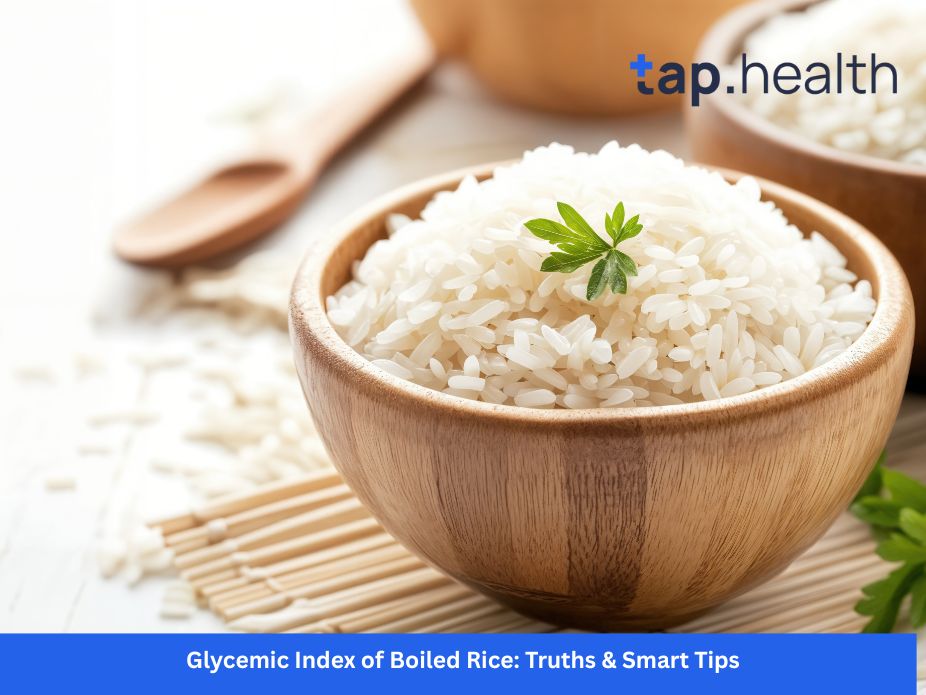
you’ve just finished a comforting bowl of steaming hot boiled rice with your dal or curry. It’s a staple on millions of Indian tables. But if you’ve ever wondered how this humble dish affects your blood sugar, you’re not alone. The glycemic index (GI) of boiled rice is a hot topic—especially for those managing diabetes, weight, or just aiming for healthier eating.
In this guide, we’ll cut through the noise. No jargon, no scare tactics. Just clear, science-backed insights on how boiled rice behaves in your body, why its GI matters, and simple tweaks to enjoy it without guilt. Whether you’re a rice lover, a diabetic patient, or a health-conscious parent, this is your practical roadmap. Let’s dive in.
What Exactly is Glycemic Index (and Why Should You Care)?
Defining Glycemic Index Simply
Glycemic index (GI) is a scale from 0 to 100 that ranks foods based on how quickly they raise your blood sugar after eating. Think of it like a speedometer for sugar spikes:
- Low GI (55 or less): Foods like oats, lentils, or apples. They digest slowly, giving steady energy.
- Medium GI (56–69): Foods like brown rice or bananas. Moderate impact.
- High GI (70 or above): Foods like white bread or sugary cereals. They cause rapid blood sugar surges.
This matters because constant blood sugar spikes can lead to fatigue, hunger cravings, and long-term issues like insulin resistance or type 2 diabetes. For Indians, where rice is a dietary cornerstone, understanding GI helps us make smarter choices without ditching tradition.
Glycemic Index vs. Glycemic Load: The Crucial Difference
Many confuse GI with glycemic load (GL). While GI measures speed, GL measures total impact by factoring in portion size. For example:
- Watermelon has a high GI (76) but low GL (5 per cup) because it’s mostly water.
- Boiled white rice has a high GI and high GL in typical servings.
Why GL matters more: A small bowl of high-GI rice might be manageable, but a large plate can overwhelm your system. Healthline and the American Diabetes Association stress that GL gives a truer picture of a food’s real-world effect.
The Glycemic Index of Boiled Rice: Numbers, Nuances & Real Talk
Typical GI Values for Common Boiled Rice Types
Not all boiled rice is created equal. GI varies wildly based on rice variety, processing, and cooking. Here’s what research shows:
- White rice (boiled, regular grain): GI of 73 ± 4 (high). This includes popular types like sona masoori or basmati.
- Brown rice (boiled): GI of 68 ± 5 (medium to high). Less processed, so it retains more fibre.
- Parboiled rice (boiled): GI of 65 ± 7 (medium). The parboiling process gelatinises starch, slowing digestion.
- Basmati rice (boiled): GI of 58 ± 5 (medium). Its unique grain structure lowers GI compared to regular white rice.
Source: International tables of glycemic index (Foster-Powell et al., American Journal of Clinical Nutrition), validated by Harvard T.H. Chan School of Public Health.
Why Boiled White Rice Scores High on the GI Scale
White rice is stripped of its bran and germ during milling. This removes:
- Fibre: Slows sugar absorption.
- Protein: Helps balance digestion speed.
- Antioxidants: Like magnesium, which improves insulin sensitivity.
Without these, boiled white rice breaks down into glucose almost as fast as table sugar. A study in Diabetes Care linked high white rice consumption to a 17% higher risk of type 2 diabetes in Asian populations.
Factors That Swing Rice’s GI Up or Down
Your cooking pot isn’t just a vessel—it’s a GI control room. Small changes make big differences:
- Water ratio: Extra water creates softer rice, raising GI. Use just enough to cook grains firm.
- Cooking time: Overcooked mush = higher GI. Aim for al dente texture.
- Cooling: Refrigerating boiled rice for 12 hours increases resistant starch (a prebiotic fibre), lowering GI by 10–15%. Reheating doesn’t undo this benefit.
- Rice variety: Short-grain rice (like sticky rice) has more amylopectin (fast-digesting starch), pushing GI higher than long-grain basmati.
How Cooking Methods Transform Rice’s Glycemic Impact
Boiling vs. Steaming: Does Technique Change GI?
Most Indians boil rice by submerging it in water, then draining excess. Steaming (like in a handi) keeps grains intact. Both methods yield similar GI if rice type and doneness are identical. However:
- Draining water removes some surface starch, slightly lowering GI.
- Steaming preserves nutrients better but doesn’t significantly alter GI.
The real game-changer? Adding vinegar or lemon juice while cooking. A tablespoon per cup of rice lowers GI by 20–30% by slowing starch breakdown (per a European Journal of Clinical Nutrition trial).
The Cooling Trick: Turning Leftover Rice into a Low-GI Superfood
Ever notice leftover rice is firmer? That’s retrogradation—starch molecules reorganising into resistant forms. Here’s how to hack it:
- Cook rice normally.
- Cool it quickly (spread on a tray, refrigerate within 1 hour).
- Store for 12–24 hours before eating.
This boosts resistant starch by 2.5x, acting like fibre to blunt blood sugar spikes. A study in Nutrition Journal found cooled-and-reheated rice had 30% lower GI than freshly cooked rice.
Pressure Cooking: Faster but Higher GI?
Many Indian kitchens rely on pressure cookers for speed. Unfortunately, high heat and pressure over-gelatinise starch, raising GI by 5–10 points compared to gentle boiling. Tip: Use the “low whistle” method—1 whistle on medium flame, then simmer—to preserve grain structure.
White Rice vs. Brown Rice: GI Showdown and Health Trade-offs
GI Comparison: White, Brown, Red, and Black Rice
| White rice | 73 (High) | 45 (High) | Fibre, B vitamins, magnesium |
| Brown rice | 68 (Medium-High) | 36 (Medium) | 3x more fibre, selenium, antioxidants |
| Red rice (unpolished) | 55 (Low-Medium) | 28 (Low) | Anthocyanins (anti-inflammatory) |
| Black rice | 42 (Low) | 22 (Low) | High in anthocyanins, vitamin E |
Data sourced from Glycemic Index Foundation and Indian Council of Medical Research (ICMR) reports.
Why Brown Rice Isn’t Always the “Healthier” Choice in India
Brown rice has more fibre, but it also contains phytic acid, which blocks iron and zinc absorption—critical in a country like India where 50% of women are anaemic (NFHS-5 data). For balanced nutrition:
- Pair brown rice with vitamin C-rich foods (like lemon or tomatoes) to counteract phytic acid.
- Soak brown rice for 2 hours before cooking to reduce phytates.
- Choose parboiled white rice if mineral deficiency is a concern—it retains 80% of nutrients from the bran.
The Bitter Truth About “Diet” Rice Substitutes
Many turn to alternatives like cauliflower rice or quinoa to dodge high GI. But:
- Cauliflower rice: GI near zero, but lacks rice’s comforting texture and energy density. Best mixed 50:50 with real rice.
- Quinoa: GI of 53, high in protein, but costs 5x more than rice—unrealistic for daily meals.
- Traditional alternatives: Try kuttu ka atta (buckwheat) rotis (GI 40) or barley khichdi (GI 25) for lower-GI Indian meals.
Smart Strategies to Slash the Glycemic Load of Your Rice Meals
The Magic of Food Pairing: Balance Your Thali
Rice rarely eats alone. What you pair it with dramatically alters its blood sugar impact:
- Proteins: Dal, chicken, or paneer slow gastric emptying. A study in The American Journal of Clinical Nutrition showed adding lentils to rice reduced post-meal blood sugar by 20–35%.
- Fats: Ghee or coconut oil (1 tsp per bowl) lowers GI by delaying stomach emptying.
- Fibre: A side of sabzi (like broccoli or beans) or salad with vinegar dressing cuts GI response by up to 40%.
Pro tip: Follow the plate method recommended by AIIMS diabetes specialists: Fill ¼ plate with rice, ¼ with protein, and ½ with non-starchy vegetables.
Portion Control: How Much Rice is “Safe”?
No need to ban rice—just resize it. For diabetics or prediabetics:
- Per meal limit: ½ cup (cooked) of white rice or ⅔ cup of brown rice.
- Frequency: Max 1 rice-based meal daily; substitute other meals with roti or millets.
- Timing: Eat rice at lunch, not dinner. Your body processes carbs better in daylight hours (per circadian rhythm research in Cell Metabolism).
Traditional Indian Hacks to Lower Rice GI
Our ancestors knew best. These time-tested tricks work:
- Tempering with spices: Mustard seeds, cumin, and curry leaves in tadka release polyphenols that inhibit carbohydrate-digesting enzymes.
- Adding whole grains: Mix 20% unpolished rice varieties (like rajgira or barnyard millet) into white rice before cooking.
- Fermentation: Use leftover rice water (kanji) in next-day cooking—it contains lactic acid bacteria that lower GI.
Health Impacts: Diabetes, Weight, and Long-Term Wellness
Boiled Rice and Diabetes Risk: What Indian Studies Reveal
Rice isn’t the villain—but how we eat it is. Key insights:
- A 2023 ICMR study of 15,000 Indians found those eating >4 bowls of white rice daily had 2.1x higher diabetes risk than those eating 1 bowl with vegetables and dal.
- Critical nuance: Replacing just 20% of white rice with brown rice lowered diabetes risk by 16% (per Diabetologia journal).
- Gestational diabetes: Pregnant women eating high-GI rice >5x/week had 30% higher risk of gestational diabetes (AIIMS Delhi data).
Can You Lose Weight While Eating Boiled Rice?
Absolutely—if you master these rules:
- Prioritise volume: Cook rice with extra water and veggie broth. You’ll eat the same volume with fewer calories.
- Eat cold rice salads: Chilled rice with cucumber, mint, and lemon keeps you full longer due to resistant starch.
- Never skip protein: A 2022 Obesity journal trial showed high-protein + moderate-rice diets preserved muscle mass during weight loss better than low-carb diets.
Heart Health and Inflammation: Beyond Blood Sugar
High-GI diets trigger chronic inflammation—a silent driver of heart disease. White rice consumption correlates with:
- Higher triglycerides and LDL cholesterol (per BMJ meta-analysis).
- Elevated CRP (inflammation marker) levels, especially in sedentary individuals.
Swapping to low-GI rice varieties like black rice reduces these risks, thanks to anthocyanins that protect blood vessels.
Busting Common Myths About Rice and Glycemic Index
Myth 1: “All Rice is Bad for Diabetics”
Truth: Portion and pairing matter more than elimination. The Madras Diabetes Research Foundation permits 30g carbs (≈½ cup cooked rice) per meal for diabetics when combined with fibre and protein. Basmati or cooled rice fits well in controlled diets.
Myth 2: “Brown Rice Always Has a Low GI”
Truth: Boiled brown rice averages GI 68—still medium-high. Its benefit comes from fibre slowing overall glucose release, not a low GI score. Red or black rice are better low-GI choices.
Myth 3: “Rinsing Rice Removes Starch and Lowers GI”
Truth: Rinsing removes surface dust and excess starch, preventing stickiness—but it barely affects GI. Cooling cooked rice or adding acids (like lemon) has a far bigger impact.
Myth 4: “Instant Pot Rice Has the Same GI as Stovetop”
Truth: Pressure cooking increases gelatinisation, raising GI by 5–10 points. For lower GI, use open-pot boiling with minimal water.
Expert-Backed Tips for Healthier Rice Habits
How to Choose Low-GI Rice at Indian Grocery Stores
- Look for labels: “Parboiled,” “basmati,” or “red/brown/black rice.” Avoid “pre-cooked” or “minute rice”—these are ultra-processed with sky-high GI.
- Check grain length: Long-grain (e.g., basmati) has lower GI than short-grain.
- Ask local millers: Unpolished traditional varieties like kaatu kichili (Tamil Nadu) or chinnor (MP) often have lower GI.
A Sample Low-GI Indian Daily Meal Plan
- Breakfast: Oats poha with veggies (GI 45).
- Lunch: ½ cup cooled basmati rice + dal + lauki sabzi + cucumber salad.
- Dinner: 1 jowar roti + chicken curry + stir-fried greens.
Designed using guidelines from the National Institute of Nutrition, Hyderabad.
When to Consult a Doctor or Nutritionist
Seek personalised advice if:
- You have diabetes or prediabetes and struggle to control post-meal sugar spikes.
- You experience bloating or fatigue after rice meals (could indicate carb intolerance).
- You’re pregnant or managing PCOS—a tailored plan prevents complications.
Conclusion: Key Takeaways for Balanced Rice Enjoyment
Rice isn’t the enemy—it’s how we eat it. The glycemic index of boiled rice ranges from high (white rice, GI ~73) to low (black rice, GI ~42), but smart strategies make even white rice manageable:
- Cool it: Refrigerate cooked rice overnight to boost resistant starch and slash GI.
- Pair it: Always combine rice with protein (dal, curd), healthy fats (ghee), and fibre (sabzi).
- Portion it: Stick to ½ cup per meal if diabetic; choose basmati or parboiled varieties.
- Diversify: Rotate rice with millets (bajra, ragi) and whole grains for lower average GI.
In India, rice is culture, comfort, and community. By understanding its glycemic impact, we honour tradition while protecting our health. Small tweaks create big wins—so go ahead, enjoy that bowl of rice, wisely.
Frequently Asked Questions on Glycemic Index of Boiled Rice
What is the glycemic index of boiled white rice?
Boiled white rice typically has a high glycemic index of around 73. This means it can cause rapid blood sugar spikes. However, cooling it after cooking or pairing it with protein and vegetables can significantly reduce this effect.
Is boiled brown rice better for diabetics than white rice?
Yes, but with caveats. Boiled brown rice has a medium GI (around 68) due to its fibre content, making it a better choice than white rice. Still, portion control is essential—limit to ½ cup per meal and always pair with non-starchy vegetables and lean protein.
How does cooling boiled rice lower its glycemic index?
Cooling cooked rice for 12–24 hours increases resistant starch, which acts like dietary fibre. This slows digestion and reduces blood sugar spikes by 20–30%. Reheating cooled rice doesn’t reverse this benefit, making leftovers a smart choice.
Can diabetics eat boiled rice daily?
Diabetics can eat boiled rice in moderation—about ½ cup per meal—but not daily as the sole carb source. Opt for lower-GI varieties like basmati or parboiled rice, cool it before eating, and pair it with dal and vegetables. Consult your doctor for personalised advice.
Does adding lemon juice to rice reduce its GI?
Yes. Adding acidic ingredients like lemon juice, vinegar, or tomatoes while cooking rice lowers its glycemic index by 20–30%. The acid slows down starch breakdown in the digestive tract, leading to steadier blood sugar levels.
Which Indian rice variety has the lowest glycemic index?
Traditional unpolished varieties like black rice (GI ~42), red rice (GI ~55), and basmati rice (GI ~58) have the lowest glycemic index among Indian rices. Parboiled white rice (GI ~65) is also a better option than regular boiled white rice.
How much boiled rice can I eat in one sitting?
For non-diabetics, 1 cup (cooked) per meal is reasonable when paired with vegetables and protein. For prediabetics or diabetics, limit to ½ cup of white rice or ⅔ cup of brown rice per meal. Always fill half your plate with non-starchy vegetables first.
Does pressure cooking increase the GI of rice?
Yes, pressure cooking typically raises rice’s GI by 5–10 points compared to gentle boiling. The high heat and steam over-gelatinise starch, making it digest faster. To minimise this, use minimal water and avoid overcooking—1 whistle on medium flame is usually enough.