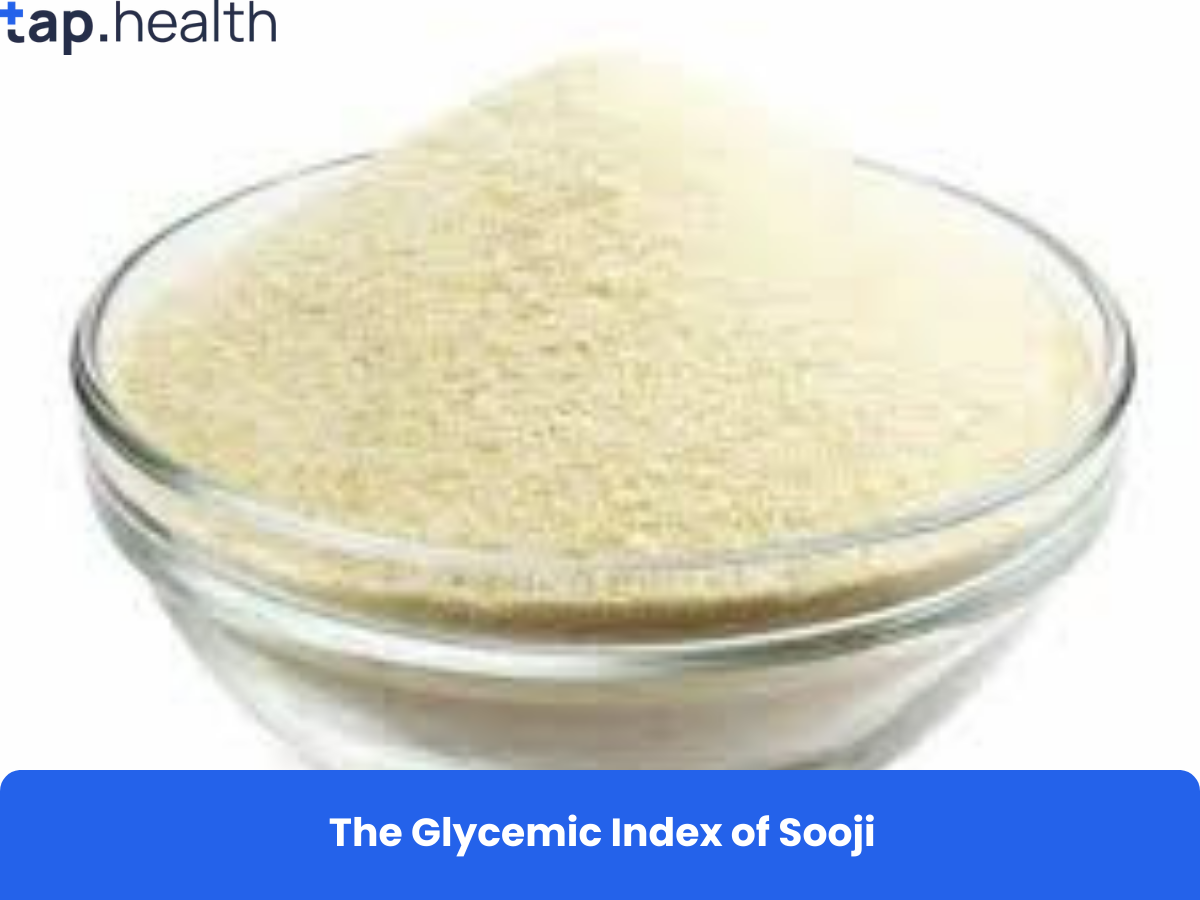
You’ve probably seen it in your kitchen cupboard. That packet of creamy-yellow granules your mom or grandma uses to make the most delicious upma, halwa, or kesari. We’re talking about sooji, also known as rava or semolina.
It’s a breakfast staple in many homes. But if you’ve ever wondered, “Is sooji healthy?” or “Is it good for my blood sugar?”, you’ve come to the right place.
Today, we’re going to dive deep into a topic that might sound complicated but is actually quite simple: the glycemic index of sooji.
We’ll break down what this scientific term means for you and your daily diet. We’ll explore whether sooji is a friend or foe for your health, especially if you are watching your blood sugar levels. So, let’s get started on this journey of understanding this common ingredient a little better.
What Exactly is Sooji? Let’s Get to Know It First
Before we jump into the science, let’s understand what we’re dealing with.
The Basics of Sooji
Sooji is not a grain itself. It’s actually a coarse flour that is made from durum wheat. Think of it as the middle child in the wheat family. It’s not the whole grain (that’s atta), and it’s not the super fine powder (that’s maida). It’s somewhere in between, with a slightly gritty, sandy texture.
This unique texture is what gives dishes like upma their distinct, non-sticky, and fluffy feel.
The Many Names of Sooji
Depending on where you are in the world, you might know this ingredient by a different name:
- In India: It’s most commonly called Sooji or Rava.
- In Western Countries: It’s known as Semolina.
- In Italian Cuisine: It’s the key ingredient for making authentic pasta.
No matter what you call it, the core product is the same – it’s a form of milled durum wheat.
Demystifying the Glycemic Index (GI): No Science Degree Required!
The term “Glycemic Index” can sound intimidating, but its concept is actually very easy to grasp. Let’s simplify it.
What is the Glycemic Index?
In the simplest terms, the Glycemic Index (GI) is a speedometer for the carbohydrates in your food.
It measures how quickly a particular food can raise your blood sugar (glucose) levels after you eat it.
The GI is a scale from 0 to 100. Here’s how it works:
- Low GI (55 or less): These foods are like a slow, steady fuel. They break down slowly in your body, causing a gradual and gentle rise in blood sugar and insulin levels. Think of foods like apples, lentils, and whole oats.
- Medium GI (56 to 69): These foods break down at a moderate pace. They cause a noticeable but not too sharp rise in your blood sugar.
- High GI (70 and above): These are the speedsters. They break down very quickly, leading to a rapid spike in your blood sugar and insulin. Examples include white bread, sugary sodas, and potatoes.
Why Should You Care About GI?
You might be thinking, “Why does the speed matter?” It matters a lot for your overall health and energy levels.
- Steady Energy: Low GI foods keep you feeling full and energized for longer. You avoid those mid-morning energy crashes.
- Blood Sugar Management: This is crucial for people with diabetes or prediabetes. Keeping blood sugar levels stable is a key part of managing their health.
- Heart Health: A diet focused on low-GI foods can help maintain healthy cholesterol levels and reduce the risk of heart disease.
- Weight Management: Because low-GI foods keep you fuller for longer, you’re less likely to snack on unhealthy foods between meals.
So, What is the Glycemic Index of Sooji? The Big Reveal
Now for the answer you’ve been waiting for. Where does sooji stand on this GI scale?
Sooji has a medium to high Glycemic Index.
Most research and health authorities place the GI of sooji (semolina) in the range of 60 to 70. This means it can be classified as a medium to high GI food, leaning more towards the higher end.
But wait, don’t write off sooji just yet! This number isn’t the whole story. The GI can change based on a few important factors.
Why is Sooji’s GI on the Higher Side?
The main reason lies in its processing. Remember, sooji is made from durum wheat, but it is not the whole wheat.
During its production, the outer bran and the inner germ of the wheat kernel are removed. These parts are rich in fiber and nutrients. What’s left is the starchy central part (the endosperm), which is ground up to make sooji.
Because the fibrous bran is stripped away, our digestive system can break down the carbohydrates in sooji much more easily and quickly. This leads to a faster release of sugar into the bloodstream, hence the higher GI value.
Is Sooji Good or Bad for You? Weighing the Pros and Cons
Like most foods, sooji isn’t all good or all bad. It has its own set of strengths and weaknesses. Let’s look at both sides of the coin.
The Good: The Health Benefits of Sooji
Sooji isn’t just empty calories. It comes with some genuine health perks:
- Rich in Protein: Sooji contains a decent amount of protein, which is essential for building and repairing muscles, and it also helps you feel full.
- Packed with B Vitamins: It is a good source of B vitamins, especially Folate (B9) and Thiamine (B1). These vitamins are vital for converting food into energy and keeping your nervous system healthy.
- Source of Minerals: It provides important minerals like iron, which is crucial for healthy blood, and magnesium, which supports muscle and nerve function.
- Low in Fat: Naturally, sooji is very low in fat, making it a relatively light base for your meals.
- Good for Digestion (in moderation): While it’s not as high in fiber as whole wheat, its coarse texture can still be gentler on the stomach than highly refined flours.
The Not-So-Good: The Downsides to Consider
The main drawbacks of sooji are linked to its high GI and processing:
- Blood Sugar Spikes: For people with insulin resistance, diabetes, or prediabetes, a large portion of plain sooji can cause a significant and rapid increase in blood sugar levels.
- Lower in Fiber: Because the bran is removed, sooji loses most of its dietary fiber. Fiber is what slows down digestion and helps control blood sugar.
- Can Be Less Filling: Due to the lower fiber content, a meal of plain sooji might not keep you full for as long as a whole grain alternative would.
Smart Hacks: How to Lower the Glycemic Impact of Your Sooji Meal
This is the most important section! You don’t have to completely give up your favorite sooji dishes. You just need to be a little smart about how you prepare them. By making a few simple tweaks, you can turn a potential blood sugar spike into a balanced, healthy meal.
1. Become Best Friends with Fiber (The #1 Rule)
Fiber is the secret weapon against a high GI. It creates a kind of “net” in your stomach that slows down the digestion of carbohydrates.
- Load Up on Vegetables: This is the easiest and most effective trick. When making upma, add a LOT of vegetables. Think chopped carrots, beans, peas, bell peppers, broccoli, and onions. The more, the merrier!
- Add a Protein Punch: Protein also slows down digestion. Combine your sooji with a good source of protein.
- For Upma: Add a handful of peanuts, chana dal (split chickpeas), or even some crumbled paneer (cottage cheese).
- As a Side: Eat your sooji dish with a bowl of dal (lentil soup) or a side of yogurt.
- Include Healthy Fats: A small amount of healthy fat can further slow the absorption of sugars.
- Cook your upma with a teaspoon of ghee or coconut oil.
- Garnish with a sprinkle of nuts and seeds.
2. Rethink Your Sooji Halwa
Sooji halwa is a delicious treat, but it’s often a double whammy of high GI sooji and a huge amount of sugar. Here’s how to make it healthier:
- Reduce the Sugar: Cut the amount of sugar by at least one-third. You can also try using natural sweeteners like mashed ripe bananas or a small amount of jaggery, which have more minerals than white sugar.
- Boost with Nuts and Seeds: Add chopped almonds, walnuts, and flaxseeds to add fiber, protein, and healthy fats.
3. Control Your Portion Size
Sometimes, it’s not about what you eat, but how much you eat. Even a lower-GI meal can spike your blood sugar if you eat a giant plate of it.
- Think of Sooji as a Side Dish: Instead of making a huge plate of upma your entire meal, serve yourself a smaller portion and pair it with a large salad, a bowl of sambar, or a protein-rich curry.
Sooji vs. The World: How Does It Compare?
To give you better context, let’s see how sooji stacks up against other common flours and grains.
- Sooji vs. Whole Wheat Flour (Atta): Whole wheat flour is the clear winner in terms of GI and fiber. Because it contains the entire wheat grain (bran, germ, and endosperm), it has a lower GI (around 45-55) and is much higher in fiber. For everyday cooking, atta is generally a healthier choice.
- Sooji vs. Refined Flour (Maida): Both sooji and maida are refined. However, sooji is often considered a better option than maida because it is coarser and has a slightly better nutrient profile, including more protein and B vitamins. Maida typically has a very high GI (above 70).
- Sooji vs. Oats: Whole, steel-cut oats have a low GI (around 55). They are a fantastic, fiber-rich alternative for a healthy breakfast.
The Final Verdict: Should You Eat Sooji?
So, after all this information, what’s the final answer?
Yes, you can enjoy sooji as part of a balanced diet, but it should be eaten wisely.
It is not the best choice for everyday consumption if you are strictly managing your blood sugar. However, it is a perfectly acceptable food when you:
- Load it with vegetables and protein.
- Watch your portion size.
- Don’t eat it in its sugary halwa form too often.
For most people, having a well-prepared vegetable upma once a week is absolutely fine. The key is balance and smart pairing.
We hope this guide has helped you understand the glycemic index of sooji in a simple and practical way. By making informed choices, you can continue to enjoy the foods you love while taking good care of your health.
Frequently Asked Questions (FAQ) on Glycemic Index of Sooji
Can people with diabetes eat sooji?
People with diabetes can eat sooji in very small amounts, but it must be part of a carefully balanced meal. This means having a very small portion of sooji mixed with a large amount of vegetables and a good source of protein, like lentils or yogurt. It is always best to consult with a doctor or dietitian for personal advice.
Is sooji good for weight loss?
Plain sooji is not ideal for weight loss because it is low in fiber and may not keep you full. However, if you prepare it with lots of vegetables and some protein, it can be a part of a weight loss plan. The added fiber and protein will help you feel full and satisfied from a smaller portion.
Which is healthier, sooji or rice?
When comparing sooji to white rice, sooji often has a slightly lower glycemic index. However, brown rice is a much healthier choice than both because it is a whole grain with more fiber. If you are choosing between white rice and sooji, sooji might be a marginally better option, but portion control is key.
What are some low-glycemic alternatives to sooji?
If you are looking for healthier alternatives with a lower GI, consider broken wheat, also known as dalia. It is a whole grain and high in fiber. Oats are another excellent choice for a low-GI breakfast. Quinoa and ragi are also highly nutritious and have a lower impact on blood sugar.
Does how I cook sooji change its effect on blood sugar?
Yes, absolutely. What you cook with sooji makes all the difference. A plain sooji porridge made with water will have a high glycemic impact. But a sooji upma packed with vegetables, peanuts, and cooked with a little oil will have a much lower and slower impact on your blood sugar. The overall meal combination is what matters most.