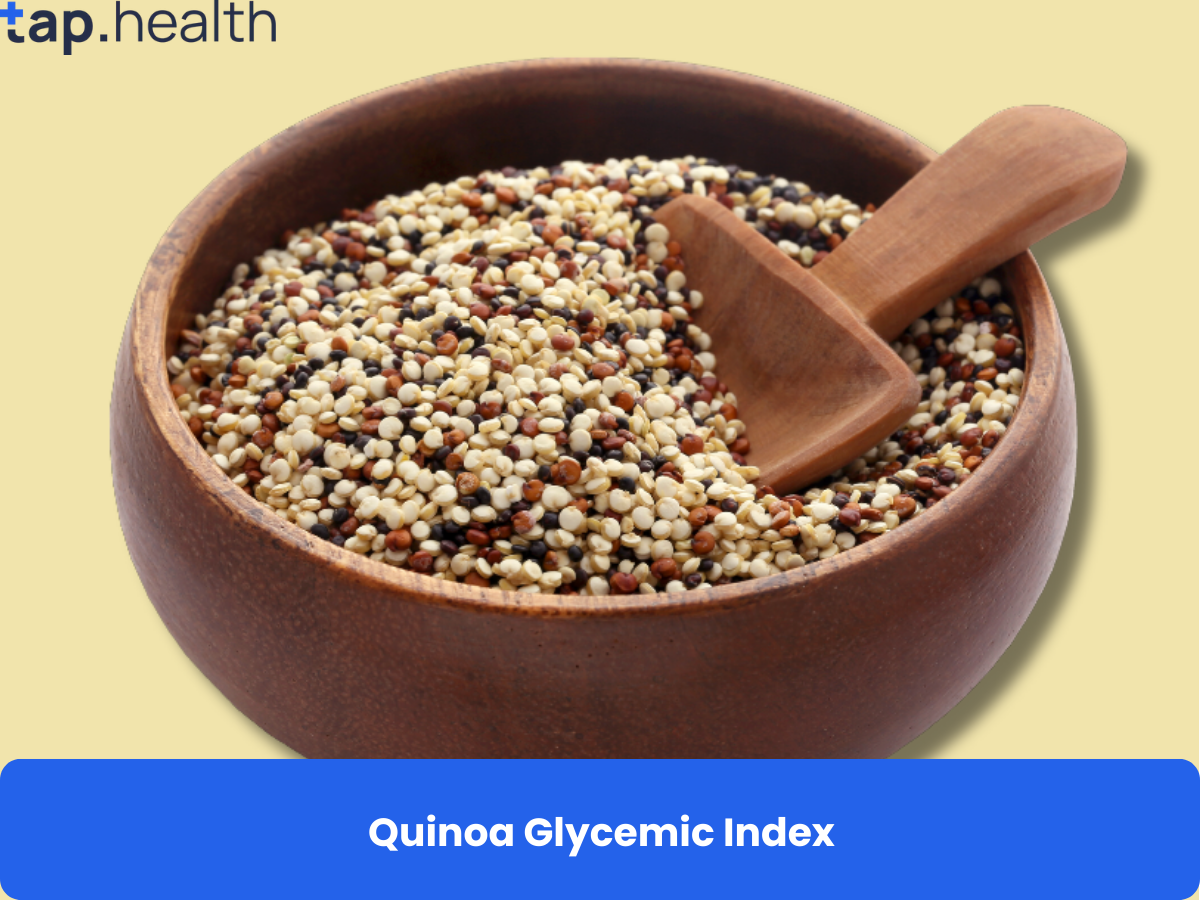
For years, rice and wheat have been the kings of our dinner plates. But recently, a new challenger has appeared in supermarkets and health food stores. It is small, round, and fluffy when cooked. It is called Quinoa (pronounced Keen-wah).
You hear people calling it a “superfood.” You see fitness influencers eating it in salads. But if you are managing diabetes or pre-diabetes, you don’t care about trends. You care about one thing: Safety.
You might be asking, “Is quinoa just another fancy starch that will spike my blood sugar?” or “How does it compare to my regular white rice?”
If you have been hesitant to switch to quinoa because you are unsure about the numbers, this guide is for you. We are going to dive deep into the quinoa glycemic index. We will break down the science, compare it to other grains, and show you exactly how to eat it safely. We will keep it simple, honest, and easy to understand.
What is the Glycemic Index (GI)?
Before we talk about quinoa, we need to understand the tool we are using to measure it: the Glycemic Index (GI).
Think of your digestive system as a busy highway. The Glycemic Index measures how fast the “cars” (sugar/glucose) drive down that highway and enter your bloodstream after you eat a specific food. The scale goes from 0 to 100.
- Low GI (0 to 55): These are the slow drivers. They follow the speed limit. They digest slowly and release sugar gradually into your blood. This is the “Safe Zone” for diabetics.
- Medium GI (56 to 69): These are the speeders. They are faster but manageable if you don’t let too many on the road at once.
- High GI (70 and above): These are the drag racers. They digest instantly and cause a sudden, dangerous spike in blood sugar.
If you have diabetes, your goal is to fill your highway with slow drivers (Low GI foods) to keep traffic smooth and steady.
What is the Glycemic Index of Quinoa?
Now, the million-dollar question: Where does quinoa fit on this scale?
The glycemic index of cooked quinoa is approximately 53.
This places quinoa firmly in the Low GI category.
This is a very good score. To give you some context, let’s look at some other common foods:
- White Bread: 75 (High)
- White Rice: 72 (High)
- Instant Oatmeal: 83 (High)
- Quinoa: 53 (Low)
This means that when you eat a bowl of quinoa, your body takes its time to break it down. Instead of a sudden rush of sugar, you get a slow, steady stream of energy. This helps keep your blood sugar levels stable, preventing that dreaded post-meal crash.
Why is the Quinoa Glycemic Index So Low?
You might be wondering, “It looks like a grain, it tastes like a grain, so why is it safer than rice?”
The secret lies in its structure. Quinoa is technically a seed, not a grain. It is related to spinach and beetroots! Because it is a seed, it is built differently:
- High Fiber: Quinoa is packed with fiber. Fiber acts like a barrier or a net in your stomach. It physically slows down the digestion process, stopping sugar from rushing into your blood.
- High Protein: Quinoa is one of the few plant foods that is a “complete protein.” Protein takes a long time to digest. When you eat protein with carbs, it slows down the entire meal.
- Complex Carbs: The carbohydrates in quinoa are complex, meaning they are like a tangled knot. Your body has to work hard to untie this knot to get the energy out, which takes time.
Glycemic Index vs. Glycemic Load: The Real Story
The Glycemic Index is a great tool, but it doesn’t tell the whole story. There is another measurement called the Glycemic Load (GL), and many experts say this is actually more important.
- Glycemic Index (GI) tells you how fast the sugar enters your blood.
- Glycemic Load (GL) tells you how much sugar is actually in a normal serving size.
Let’s look at the math for quinoa. A standard serving of cooked quinoa (about 1 cup or 185 grams) has a Glycemic Load of about 18.
- Low GL: 0 to 10
- Medium GL: 11 to 19
- High GL: 20+
So, quinoa falls into the Medium Glycemic Load category.
What Does This Mean for You?
This is crucial to understand. Even though quinoa is “Low GI” (slow speed), it still has a significant amount of carbohydrates (fuel). It means Quinoa is safe, but portion control is key.
If you eat a small bowl, the impact is low. If you eat three giant bowls, the “load” accumulates, and your blood sugar will eventually rise. You cannot eat it in unlimited amounts like you might eat lettuce or cucumber.
Can Diabetics Eat Quinoa?
The answer is a loud and confident YES.
In fact, the American Diabetes Association and nutritionists worldwide recommend quinoa as a healthy substitute for rice and pasta. It is not just “allowed”; it is widely considered a “superfood” for managing diabetes.
Here is why it works so well for diabetics:
1. It Fights Insulin Resistance
Quinoa is rich in Magnesium. Magnesium is a mineral that acts like a key for your cells. It helps your cells open up to receive insulin. Many people with Type 2 diabetes are deficient in magnesium. By eating quinoa, you are helping your body use its own insulin more effectively.
2. It Keeps You Full Longer
One of the hardest parts of a diabetic diet is managing hunger without snacking on junk. Because quinoa is high in protein and fiber, it is very satiating. A small bowl makes you feel full for hours. This stops you from reaching for cookies or chips between meals.
3. Complete Protein Source
Most grains (like wheat or rice) are missing certain amino acids. Quinoa has all nine essential amino acids. This makes it a “complete protein,” similar to eggs or meat. This high-quality protein helps build muscle, and more muscle mass helps your body burn glucose better.
Quinoa vs. White Rice: The Showdown
For many families, giving up white rice is the hardest part of a diabetic diet. Let’s compare them side-by-side to see why the switch is worth it.
| Feature | White Rice (1 cup) | Quinoa (1 cup) | Winner |
| Glycemic Index | ~72 (High) | ~53 (Low) | Quinoa |
| Fiber | 0.6 grams | 5 grams | Quinoa |
| Protein | 4 grams | 8 grams | Quinoa |
| Carbohydrates | 45 grams | 39 grams | Quinoa |
| Nutrients | Low (Stripped) | High (Iron, Magnesium) | Quinoa |
The Verdict: It is not even a close contest. White rice is essentially pure starch with the good stuff removed. Quinoa is a nutrient powerhouse. Swapping your daily bowl of white rice for quinoa is one of the most impactful changes you can make for your blood sugar.
White vs. Red vs. Black Quinoa: Does Color Matter?
When you go to the store, you might see three different colors of quinoa. Does the color change the glycemic index?
- White Quinoa: This is the most common. It is fluffy, soft, and has the mildest flavor. It has a GI of roughly 53.
- Red Quinoa: This holds its shape better and has a nuttier, earthier taste. It is slightly chewier. The GI is roughly 54.
- Black Quinoa: This is the crunchiest and has the strongest flavor. It takes the longest to cook.
The Sweet Spot: While the GI is very similar across all three, Red and Black Quinoa are slightly better for health. Why? Because the pigment that gives them their color (anthocyanin) is an antioxidant. It helps fight inflammation in the body. However, for pure blood sugar management, any color is a good choice. Choose the one you like the taste of!
5 Simple Ways to Eat Quinoa Safely
Just because it is healthy doesn’t mean you can eat it with sugar and syrup. To keep the quinoa glycemic index low and your health high, follow these simple serving rules (The KISS Method).
1. The Vegetable Ratio Rule
Never eat a bowl of just plain quinoa. Follow the 50/50 Rule. Make your bowl 50% Quinoa and 50% Non-starchy Vegetables (like broccoli, spinach, peppers, or zucchini). The volume of veggies will lower the overall Glycemic Load of your meal drastically.
2. Quinoa Fried “Rice”
You can trick your brain! Make fried rice but use quinoa instead of rice. Sauté onions, garlic, carrots, peas, and an egg (scrambled) with cooked quinoa. Add soy sauce and sesame oil. It tastes delicious, satisfies the “rice craving,” and is perfectly safe for dinner.
3. The Breakfast Swap
Oatmeal is good, but quinoa porridge is a nice change. Cook quinoa in almond milk or low-fat milk. Top it with walnuts and a few berries. The protein in the nuts and the quinoa will give you steady morning energy without the mid-morning slump.
4. Salad Topper
You don’t need to eat a whole bowl of grains. Just sprinkle 2-3 tablespoons of cooked quinoa on top of your big green salad. It adds a nice texture and boosts the protein content of your lunch without adding too many carbs.
5. Soup Thickener
Instead of using cornstarch or flour to thicken your vegetable soup, throw in a handful of quinoa. It will absorb the liquid, fluff up, and make the soup hearty and filling.
Potential Side Effects: What to Watch Out For
Is quinoa perfect? Almost, but there are two things you should know.
1. The “Soaping” Effect (Saponins) Quinoa seeds are naturally coated in a substance called Saponin. It is a natural insect repellent made by the plant. It tastes bitter and soapy. If you don’t wash your quinoa, it might give you a stomach ache.
- The Fix: Always rinse your quinoa thoroughly in a fine-mesh strainer under running water for 30 seconds before cooking. Most boxed brands are “pre-rinsed,” but it is safer to rinse them again.
2. Fiber Bloating If your body isn’t used to fiber, eating a big bowl of quinoa might make you feel bloated or gassy at first. This is normal.
- The Fix: Start small. Eat half a cup at a time and drink plenty of water. Your stomach will adjust in a week or two.
Conclusion
So, is the quinoa glycemic index something you should trust? Absolutely.
With a Glycemic Index of 53, quinoa is a fantastic tool for any diabetic toolkit. It bridges the gap between wanting comfort food (like rice) and needing to stay healthy. It is rich in protein, packed with fiber, and loaded with the minerals your body needs to fight insulin resistance.
But remember the golden rule of diabetes: Portion is King. Even superfoods have calories and carbs.
- Treat quinoa as a high-quality fuel.
- Eat it in moderation (1 cup is usually plenty).
- Pair it with lots of green veggies and healthy fats.
By making this simple switch from white rice to quinoa, you aren’t just lowering your blood sugar numbers; you are upgrading the fuel you put into your body.
Go ahead, buy a bag, rinse it well, and enjoy the fluffy goodness of the mother grain!
Frequently Asked Questions (FAQ) on Quinoa Glycemic Index
1. Can quinoa replace rice completely for a diabetic?
Yes, it can. Quinoa is nutritionally superior to rice in almost every way. It has fewer carbs, more protein, and a lower glycemic index. Replacing rice with quinoa is one of the best dietary changes a diabetic can make to lower their HbA1c levels over time.
2. Will eating quinoa spike my blood sugar?
If eaten in moderation, quinoa should not cause a sharp spike. Because it digests slowly, it creates a gentle “hill” in blood sugar rather than a sharp “mountain.” However, if you eat a very large amount (like 3-4 cups) at once, your blood sugar will rise simply due to the total carbohydrate load.
3. Is quinoa better than brown rice?
Yes, slightly. While brown rice is also a whole grain with a medium GI, quinoa is a complete protein. This means quinoa has a better balance of amino acids. Also, quinoa cooks much faster (15 minutes) compared to brown rice (45 minutes), making it more convenient.
4. How much quinoa can a diabetic eat per day?
A general recommendation is one serving per meal, which is about ½ to 1 cup of cooked quinoa. This provides about 20-40 grams of carbohydrates. Everyone’s tolerance is different, so it is best to check your blood sugar 2 hours after eating to see how your body reacts.
5. Does cooking method affect the GI of quinoa?
Yes. Overcooking quinoa until it is mushy can raise the GI slightly because the starch is easier to digest. It is best to cook it until it is fluffy and still has a little “bite” or chewiness (al dente). Also, serving it cold (like in a salad) can lower the GI further because of “resistant starch” that forms when starches cool down.
6. Can I eat quinoa at night?
Yes. Since quinoa is a complex carbohydrate with a low GI, it provides steady energy. However, for weight loss and better sugar control, many doctors recommend eating your heaviest carb meals earlier in the day (breakfast or lunch) when you are most active, rather than right before bed.
7. Is quinoa gluten-free?
Yes! Quinoa is naturally 100% gluten-free. This makes it a perfect carbohydrate source for diabetics who also have Celiac disease or gluten sensitivity. Just make sure to check the package to ensure it wasn’t processed in a factory that handles wheat.
8. Does quinoa have sugar in it?
Quinoa has a very small amount of natural sugar, but it is negligible. The primary energy source in quinoa is starch (complex carbohydrates). It does not have added sugars unless you buy a pre-flavored box mix, which you should avoid. Always buy plain, dry quinoa.
References
- Harvard Health Publishing (Harvard Medical School)
- Topic: Glycemic Index and Load for 100+ Foods
- https://www.health.harvard.edu/diseases-and-conditions/glycemic-index-and-glycemic-load-for-100-foods
- Medical News Today
- Topic: Is Quinoa Good for Diabetes?
- https://www.medicalnewstoday.com/articles/is-quinoa-good-for-diabetics
- Healthline
- Topic: Quinoa and Diabetes: Benefits and Blood Sugar
- https://www.healthline.com/health/why-is-quinoa-good-for-diabetes