It is a familiar scene in many Indian households: breakfast time arrives, and someone asks, “Do you want an omelette or a boiled egg?” But if you or a family member is managing diabetes or just watching your blood sugar, a second question often follows quietly in your head: Is this actually safe to eat?
For years, eggs have been the subject of debate. First, we worried about cholesterol. Now, as more people track their glucose levels, the focus has shifted to the glycemic index of egg yolk. We know sugary foods spike blood sugar, but what about the savoury, rich yellow centre of an egg?
In this detailed guide, we are going to crack open the truth about eggs. We will explore the numbers, compare yolks to whites, and explain exactly why this humble food might just be the secret weapon in your diet plan. We will keep it simple, honest, and scientifically accurate—no confusing jargon, just facts you can use.
What is the Glycemic Index of Egg Yolk?
Let’s start with the most important question. When you eat an egg yolk, what happens to your blood sugar? To answer this, we need to look at the Glycemic Index (GI).
The Glycemic Index is a scale from 0 to 100 that measures how quickly a food raises your blood glucose levels.
- High GI (70+): Foods like white bread or sugar that cause a rapid spike.
- Medium GI (56–69): Moderate impact.
- Low GI (0–55): Slow, steady digestion.
So, where does the egg yolk fit?
The glycemic index of egg yolk is 0.
Yes, zero. This might sound surprising, but it makes perfect sense when you look at the nutritional makeup. The Glycemic Index only measures foods containing carbohydrates. Egg yolks contain almost no carbohydrates. They are composed primarily of healthy fats, protein, and essential vitamins. Because there are no carbs to break down into sugar, there is no spike in blood glucose.
Glycemic Index of Egg White vs. Yolk
Often, people separate the egg, thinking one part is “healthier” than the other. Let’s compare the glycemic index of egg white with the yolk.
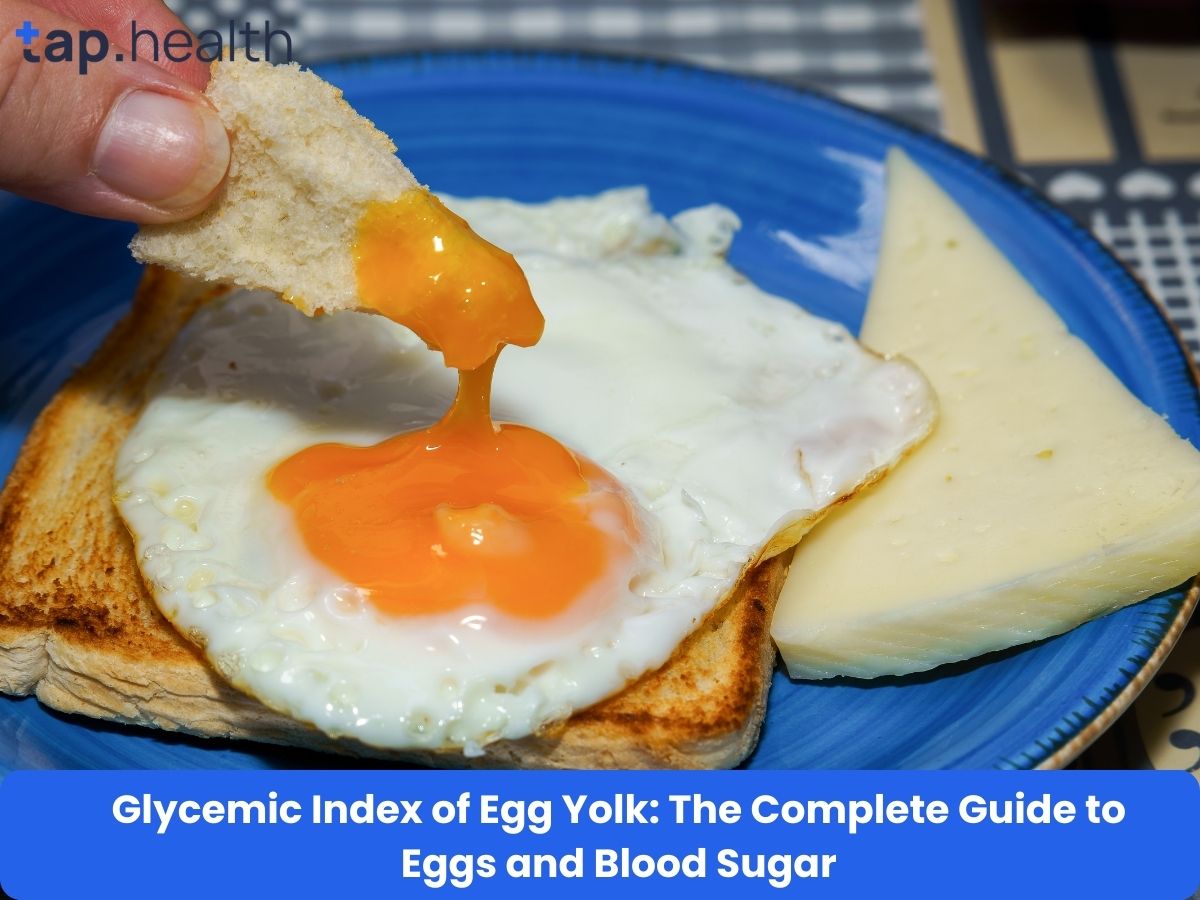
- Egg Yolk: As mentioned, the GI is 0. It is rich in fats and vitamins (A, D, E, K) but has zero sugar.
- Egg White: The egg white gi index is also 0. Whites are pure protein and water. They contain no starch or sugar.
The Verdict: Whether you eat the white, the yolk, or the whole egg, the eggs glycemic index number remains zero. This makes eggs one of the few true “zero glycemic index foods” available.
Boiled Egg Glycemic Index: Does Cooking Change It?
We know that cooking can sometimes change the GI of foods (like how mashed potatoes have a higher GI than boiled potatoes). Does this apply to eggs?
When it comes to the boiled egg glycemic index, the answer remains the same: 0.
Boiling an egg solidifies the protein but does not magically create carbohydrates. Whether soft-boiled, hard-boiled, or poached, the egg remains a carb-free food. This consistency makes boiled eggs an incredibly reliable snack for stabilizing blood sugar levels.
Glycemic Index of Boiled Egg Yolk
Specifically, the glycemic index of boiled egg yolk is zero. However, boiling preserves the structure of the yolk’s fats and proteins better than high-heat frying, making it potentially easier to digest without adding any extra fats from oil.
Glycemic Index of Fried Eggs and Omelettes
Here is where things get a little tricky—not because of the egg, but because of what we add to it.
Glycemic Index of Fried Eggs
If you fry an egg in butter, ghee, or oil, the glycemic index of fried eggs is still 0. Fat does not raise blood sugar; in fact, it slows down digestion. However, frying adds calories. If you are watching your weight (which is often linked to diabetes management), you should be mindful of the amount of oil used.
Glycemic Index of Egg Omelette
An omelette is rarely just eggs. We add onions, tomatoes, chillies, and sometimes cheese or milk.
- Vegetables: Adding fibre-rich veggies (spinach, capsicum, onions) keeps the meal low GI.
- Milk: If you add a splash of milk, does it matter? The glycemic index of milk is low (around 30-40), so a small amount in your omelette will not spike your sugar.
- The Trap: The glycemic index of egg omelette only rises if you eat it with high-carb sides like white bread toast or parathas. The omelette itself is safe.
Glycemic Index of Egg Roll: The Hidden Danger
This is a classic example of how a healthy ingredient can become an unhealthy meal.
An egg roll is delicious, but it is not just eggs. It is a paratha (made of wheat or refined flour/maida) wrapped around an egg.
- The Wrapper: Maida or wheat flour has a high GI.
- The Sauces: Ketchup and sweet chilli sauce are full of sugar.
So, while the egg inside has a GI of 0, the glycemic index of egg roll can be very high (often 60+ or 70+), depending on the wrapper and sauces. If you have diabetes, an egg roll is very different from a plain omelette.
Comparing Eggs to Other Proteins: Chicken and Fish
How do eggs stack up against other non-vegetarian options?
Glycemic Index of Chicken
Like eggs, chicken is a protein source with no carbohydrates. The glycemic index of chicken is 0. Whether grilled or roasted, it will not raise blood sugar.
Glycemic Index of Fish
Fish is excellent for diabetics. It provides omega-3 fatty acids and protein. The glycemic index of fish is also 0.
The Pattern: Pure protein sources—eggs, chicken, fish, and meat—are generally zero GI foods. They are the “anchors” of a diabetic diet, helping to keep you full without impacting your glucose reading.
Is Eggs Low Glycemic? Why Doctors Recommend Them
If you search for “is eggs low glycemic,” the answer is a resounding yes. But why exactly are they recommended so often?
- Satiety: The protein in eggs keeps you full for hours. This prevents snacking on high-sugar junk foods later in the day.
- Steady Energy: Unlike a sugary breakfast that gives you a rush and a crash, eggs provide steady fuel.
- Insulin Sensitivity: Some studies suggest that high-protein breakfasts can actually improve how your body uses insulin throughout the rest of the day.
The egg glycemic index value being zero means it is a “free food” in terms of blood sugar impact, though calories still count.
Real-Life Scenario
Let’s meet Mr. Singh, a 50-year-old bank manager who was recently diagnosed with Type 2 Diabetes.
- Old Breakfast: A bowl of cornflakes with milk and a banana. He thought this was “light” and healthy.
- The Problem: By 11:00 AM, he felt hungry and shaky. His post-breakfast sugar spike was high (cornflakes have a high GI).
- The Change: His dietician suggested switching to 2 boiled eggs and a small portion of fruit.
- The Result: Mr. Singh noticed he wasn’t hungry until 1:30 PM. His mid-morning sugar levels stabilized. The glycemic index of boiled egg yolk (zero) meant his body didn’t have to fight a glucose spike first thing in the morning.
Expert Contribution
We consulted with clinical nutritionists to understand the medical perspective.
“Patients often fear the cholesterol in egg yolks,” says Dr. R. Gupta, a cardiologist and nutrition expert. “But for blood sugar management, the yolk is neutral. It has zero impact on glucose. The concern about cholesterol is valid only if you are eating excessive amounts. For most diabetics, eating whole eggs is perfectly safe and beneficial because the yolk contains choline and Vitamin D, which you miss if you only eat whites.”
Experts emphasize pairing. “Don’t just look at the gi of egg yolk,” adds Dr. Gupta. “Look at the plate. If you eat a zero GI egg with high GI white bread, you have defeated the purpose. Eat the egg with sautéed vegetables or whole grain toast.”
Recommendations Grounded in Proven Research and Facts
Based on the glycemic index of egg data, here are practical ways to include them in your diet:
- The “Hard-Boiled” Snack: Keep hard-boiled eggs in the fridge. When you feel a craving, eat one. The protein stops the craving, and the zero GI keeps your sugar stable.
- Don’t Fear the Yolk: Unless your doctor specifically told you to avoid cholesterol, eat the whole egg. The nutrients in the yolk help your metabolism.
- Watch the Oil: When making fried eggs or omelettes, use a measured amount of oil or ghee.
- Vegetable Loading: Make your omelette 50% eggs and 50% vegetables (onions, mushrooms, spinach, tomatoes). This adds volume and fibre without carbs.
Key Takeaways
- Zero Score: The glycemic index of egg yolk is 0. It contains no carbohydrates.
- Whites are the Same: The glycemic index of egg white is also 0.
- Cooking Method: Whether boiled, fried, or scrambled, the GI of the egg itself remains zero.
- Pairing Risks: Be careful with glycemic index of egg roll or eating eggs with white bread, as the accompaniments cause the sugar spike, not the egg.
- Diabetes Superfood: Eggs are excellent for managing Type 2 Diabetes because they provide satiety without glucose spikes.
Frequently Asked Questions (FAQ) on Glycemic Index of Egg Yolk
What is the exact glycemic index of egg yolk?
The glycemic index of egg yolk is 0. Because egg yolks are made of fat and protein with essentially no carbohydrates, they do not cause a rise in blood sugar levels at all.
Is the glycemic index of egg white lower than the yolk?
No, they are the same. The egg white gi index is also 0. Both parts of the egg are carbohydrate-free, so neither will raise your blood sugar. The main difference is that the white is fat-free protein, while the yolk contains healthy fats and vitamins.
Does a boiled egg have a glycemic index?
The boiled egg glycemic index is 0. Boiling is a very healthy way to cook eggs because it doesn’t add any extra fat or calories, and it preserves the zero-carb nature of the egg.
Is an egg omelette good for diabetics?
Yes. The glycemic index of egg omelette is very low (close to zero) if you only use eggs and vegetables. However, if you add milk or flour to the batter, or eat it with white bread, the overall glycemic impact of the meal will increase.
How does the glycemic index of chicken compare to eggs?
They are identical in terms of GI. The glycemic index of chicken is 0, just like eggs. Both are pure protein sources. Doctors often recommend rotating between eggs, chicken, and fish to keep your diet varied while keeping blood sugar low.
Are there any “zero glycemic index foods” other than eggs?
Yes. Zero glycemic index foods include all pure proteins (chicken, fish, meat), pure fats (oils, ghee, butter), and water. Most non-starchy vegetables (like leafy greens) have a very low GI (under 15), which is effectively negligible.
Is the glycemic index of egg roll high or low?
Generally, high. While the egg inside is zero GI, the outer wrap (paratha/roti) is made of flour, which has a medium-to-high GI. Plus, sauces like ketchup add sugar. So, the glycemic index of egg roll is much higher than a plain egg.
Can I eat fried eggs if I have diabetes?
Yes. The glycemic index of fried eggs is 0. However, because frying adds calories from oil, you should use oil sparingly (like olive oil or a small amount of ghee) to manage your weight, which is important for diabetes control.