Receiving a high blood sugar diagnosis can leave you feeling confused and worried. When your doctor tells you that you have type 2 diabetes, the very first thing you think about is your plate. If you follow a vegetarian lifestyle, you might wonder if your diet is too heavy in carbohydrates.
In India, our vegetarian meals are traditionally rich in grains like wheat and rice. This often leads to a very common and urgent question: what foods eat in high diabetes type 2 vegetarian? Can you still enjoy your meals without causing a massive sugar spike?
The fantastic news is that a vegetarian diet is incredibly powerful for managing diabetes. You do not need to start eating meat to control your blood sugar. You simply need to make smarter, highly educated choices about the plant-based foods you consume.
In this comprehensive, easy-to-understand guide, we will explore exactly what should be on your plate. We will look at the best vegetables, discuss how to lower a high HbA1c, and even provide a structured diet chart to help you regain control of your health.
Understanding High Type 2 Diabetes and the Vegetarian Diet
When you have type 2 diabetes, your body struggles to use insulin effectively. This condition is known as insulin resistance. Because the insulin cannot do its job, the glucose (sugar) from your food stays trapped in your bloodstream, leading to high blood sugar levels.
A vegetarian diet is naturally rich in dietary fibre, antioxidants, and essential minerals. However, the problem arises when a vegetarian diet relies too heavily on refined carbohydrates. Eating large portions of white rice, maida (refined flour) rotis, and deep-fried snacks will worsen insulin resistance.
To manage high diabetes, your goal is to transition from simple, fast-digesting carbohydrates to complex, slow-digesting ones. This ensures a slow and steady release of energy, preventing those dangerous blood sugar spikes.
What Vegetarian Food is Good for Type 2 Diabetes?
When planning your meals, you must focus on the Glycaemic Index (GI). The GI measures how quickly a food raises your blood sugar. Foods with a low GI are your best friends.
So, what vegetarian food is good for type 2 diabetes? Your kitchen should be stocked with the following three main categories:
High-Fibre Whole Grains
You must replace refined grains with whole, unpolished alternatives. Whole grains contain the bran and germ, which are packed with fibre. This fibre acts like a sponge, slowing down the absorption of sugar in your stomach.
- Millets (Bajra, Jowar, Ragi): These ancient grains are nutritional powerhouses with a very low glycaemic index.
- Oats: Rolled or steel-cut oats are fantastic for breakfast, providing long-lasting energy.
- Brown Rice or Red Rice: If you must eat rice, choose unpolished varieties over white rice.
Plant-Based Proteins
Protein is crucial for diabetic patients. It digests very slowly and helps keep you feeling full, which stops you from overeating. Since vegetarians do not eat meat, you must actively include plant-based proteins in every meal.
- Lentils and Pulses (Dals): Moong dal, masoor dal, and toor dal are excellent. Sprouting them increases their nutritional value.
- Paneer (Cottage Cheese) and Tofu: Low-fat paneer and soya tofu are incredibly low in carbs and high in protein.
- Legumes: Chickpeas (chole) and kidney beans (rajma) are brilliant choices, packed with both protein and soluble fibre.
Healthy Fats and Nuts
Fats do not spike blood sugar. In fact, eating healthy fats alongside your carbohydrates slows down digestion even further.
- Almonds and Walnuts: A small handful of soaked nuts in the morning is highly recommended.
- Seeds: Chia seeds, flaxseeds, and pumpkin seeds are rich in Omega-3 fatty acids, which protect your heart.
Which Sabji is Good for Diabetes?
Vegetables (sabjis) should make up half of your plate at lunch and dinner. But not all vegetables are the same. Starchy root vegetables like potatoes and tapioca should be limited.
If you are asking, which sabji is good for diabetes, here are the absolute best non-starchy vegetables to include in your daily cooking:
- Bitter Gourd (Karela): This is a miracle vegetable for diabetics. It contains an insulin-like compound called polypeptide-p, which actively helps lower blood glucose levels.
- Ladyfinger (Bhindi): Okra is rich in soluble fibre, which forms a gel in the digestive tract, slowing down sugar absorption.
- Spinach (Palak) and Leafy Greens: Dark green leafy vegetables are extremely low in calories and carbohydrates, but high in vitamin C and magnesium.
- Bottle Gourd (Lauki): With its high water content and zero fat, lauki is incredibly light on the stomach and keeps blood sugar perfectly stable.
- Cabbage and Cauliflower: These cruciferous vegetables are crunchy, filling, and have a very low glycaemic impact.
What to Eat if HbA1c is High?
Your HbA1c is a blood test that shows your average blood sugar level over the past three months. If your doctor tells you your HbA1c is dangerously high (e.g., above 8.0%), you need to take immediate dietary action.
What to eat if HbA1c is high? You need to adopt a highly disciplined, low-carbohydrate approach.
- Stop all liquid sugars: Completely eliminate fruit juices, cold drinks, and sugar in your tea or coffee.
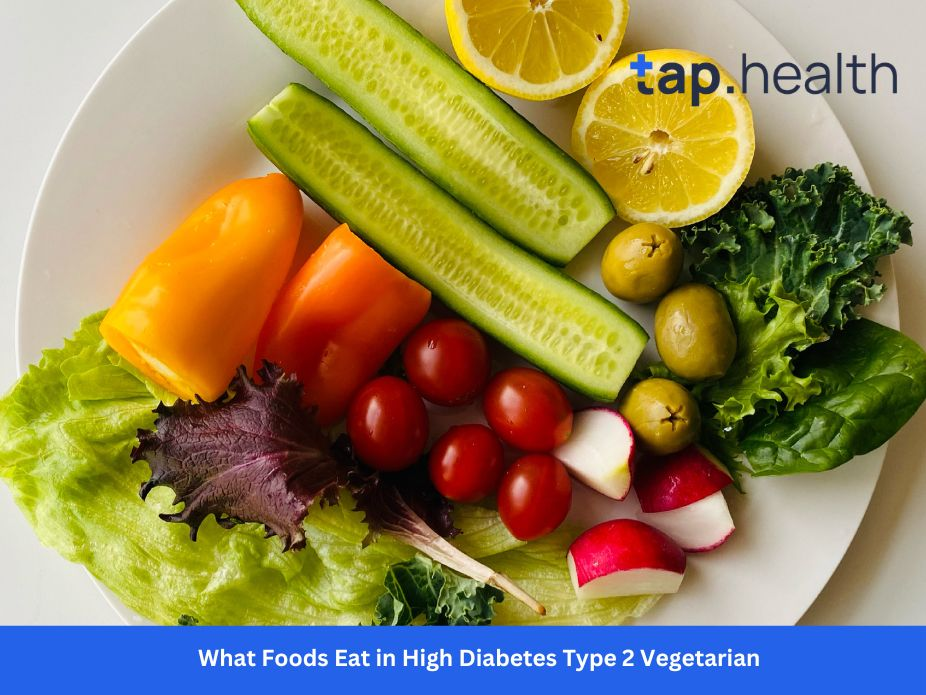
- Increase Soluble Fibre: Eat salads before every major meal. A plate of cucumbers, tomatoes, and carrots will fill your stomach and reduce your carbohydrate intake.
- Eat Protein First: When you sit down for a meal, eat your dal or paneer first, your sabji second, and your roti or rice last. This specific eating order has been proven to significantly reduce post-meal blood sugar spikes.
7-Day Indian Diet Plan for Diabetic Patients
To make things simple, we have created a sample 7-day diet plan for diabetic patients. This high sugar patient diet chart uses easily available Indian ingredients.
Sample High Sugar Patient Diet Chart
Remember to control your portion sizes. Do not overeat.
Day 1
- Morning: 1 glass of warm fenugreek (methi) seed water + 5 soaked almonds.
- Breakfast: 2 Moong dal chillas (pancakes) with mint chutney.
- Lunch: 1 bowl of mixed vegetable salad, 2 multigrain rotis, 1 bowl of palak paneer (spinach with cottage cheese), and 1 bowl of curd.
- Evening Snack: 1 cup of unsweetened green tea + a small bowl of roasted makhana (fox nuts).
- Dinner: 1 bowl of clear vegetable soup, 1 bowl of lauki sabji, and 1 jowar roti.
Day 2
- Morning: 1 glass of karela (bitter gourd) juice + 2 walnuts.
- Breakfast: 1 large bowl of vegetable oats upma.
- Lunch: Salad, 1 bowl of brown rice, 1 bowl of rajma (kidney beans), and 1 bowl of bitter gourd sabji.
- Evening Snack: 1 glass of spiced buttermilk (chaas).
- Dinner: 1 bowl of mixed dal, 1 cup of sautéed cabbage, and 1 bajra roti.
(You can rotate these meals to complete your 7-day Indian diet plan for diabetic patients. Focus heavily on replacing refined wheat with millets and white rice with brown rice or quinoa).
Accessing Your Vegetarian Diabetic Meal Plan PDF
Many people prefer to have a printed chart stuck to their refrigerator. If you are searching online for a diet chart for diabetic patients vegetarian, there are many free resources available.
You can easily find a downloadable Indian vegetarian diabetic meal plan pdf from reputable hospital websites or certified diabetes educators. If you live in the southern part of India, you might want to specifically search for a South Indian vegetarian diabetic meal plan PDF, which will focus on swapping white rice idlis and dosas with healthier ragi, oats, or brown rice alternatives.
Always ensure that any Indian diet plan for diabetes type 2 pdf you download focuses on high protein, high fibre, and healthy fats, rather than just starvation or extreme calorie cutting.
Myths Vs. Facts: How to Reduce Diabetes in 7 Days?
When people receive a high blood sugar diagnosis, they panic. They instantly search the internet for: how to reduce diabetes in 7 days?
Let us clear up a dangerous myth right now. You cannot “cure” or permanently reverse type 2 diabetes in just seven days. It is a chronic condition that develops over many years.
However, the fact is that you can drastically reduce your fasting blood sugar readings and post-meal spikes within seven days by strictly changing your diet. By immediately cutting out refined sugars, stopping all junk food, and switching to a high-fibre vegetarian diet, you will see a massive improvement in your glucometer readings in just one week. True metabolic healing, however, takes months of consistency.
Real-Life Scenario
Let us look at the story of Mr. Sharma, a 52-year-old accountant from Delhi. Mr. Sharma loved his traditional vegetarian diet, but it was incredibly carb-heavy. His typical lunch consisted of four large wheat rotis, potato sabji, and a sweet milky tea.
When his HbA1c came back at a dangerous 9.2%, he was shocked. He immediately asked his doctor, “what foods eat in high diabetes type 2 vegetarian?”
His doctor advised a strict dietary overhaul. Mr. Sharma replaced his wheat rotis with two ragi rotis. He swapped the potato sabji for fibre-rich bhindi and karela. He also added a large bowl of fresh cucumber salad and sprouted moong dal to his lunch.
The first few days were tough, but he stuck to his new diet chart for diabetic patients vegetarian. Within just three weeks, his energy levels skyrocketed. His afternoon lethargy vanished, and his fasting blood sugar dropped from 180 mg/dL to 110 mg/dL. By making smart vegetarian swaps, Mr. Sharma took back control of his life without giving up the joy of eating.
Expert Contribution
To provide deeper clinical insight, we consulted Dr. Meenakshi Iyer, a leading endocrinologist and specialist in metabolic nutrition.
“The biggest mistake my vegetarian patients make is confusing ‘meat-free’ with ‘healthy’,” explains Dr. Iyer. “A plate full of white rice, potato curry, and a sweet dessert is 100% vegetarian, but it is an absolute disaster for a diabetic.”
Dr. Iyer advises, “I tell my patients to reimagine their plate. Half the plate must be colourful, non-starchy vegetables. One quarter must be a strong plant protein like paneer, tofu, or thick dal. The final quarter can be a complex carbohydrate like brown rice or millets. When you structure your meals this way, managing type 2 diabetes on a vegetarian diet becomes incredibly easy and highly effective.”
Recommendations Grounded in Proven Research and Facts
Managing your condition requires an evidence-based approach. Based on guidelines from the American Diabetes Association (ADA) and the World Health Organization (WHO), here are the clinical facts:
- Embrace the Plate Method: The ADA highly recommends the “Diabetes Plate Method” to control portion sizes naturally without complex calorie counting.
- Fibre is Non-Negotiable: Research dictates that diabetic patients should consume at least 25 to 30 grams of dietary fibre daily to naturally lower blood glucose and cholesterol.
- Beware of Hidden Sugars: Many packaged vegetarian foods claim to be healthy but are loaded with hidden sugars (like maltodextrin or high-fructose corn syrup). Always read the ingredient labels carefully.
- Stay Hydrated: Drink plenty of plain water. Dehydration causes the sugar in your blood to become more concentrated, leading to artificially high readings.
- Move Your Body: Diet alone is not enough. A 30-minute brisk walk after your heaviest meal forces your muscles to absorb excess glucose from your bloodstream, acting like a natural medicine.
Key Takeaways
Living with high type 2 diabetes can feel daunting, but your kitchen holds the ultimate power to heal your body. If you have been wondering what foods eat in high diabetes type 2 vegetarian, you now have a clear roadmap.
Here are the most important points to remember:
- Ditch refined grains: Replace white rice and maida with millets, oats, and brown rice.
- Prioritise plant protein: Ensure every meal contains dal, sprouts, tofu, or paneer to slow down digestion.
- Choose the right sabjis: Eat plenty of bitter gourd (karela), ladyfinger (bhindi), and leafy greens (palak). Limit starchy potatoes.
- Eat in the right order: Eat your salads and proteins first, and your carbohydrates last to prevent blood sugar spikes.
- Consistency is key: You cannot cure diabetes in 7 days, but sticking to a healthy vegetarian meal plan will drastically lower your HbA1c over a few months.
By making smart, educated choices at the grocery store and controlling your portion sizes, you can enjoy delicious, comforting vegetarian food while keeping your blood sugar firmly in the safe zone.
Frequently Asked Questions
What vegetarian food is good for type 2 diabetes?
The best vegetarian foods for type 2 diabetes are those with a low glycaemic index. This includes whole grains (like ragi, bajra, and oats), plant-based proteins (like moong dal, paneer, and soya chunks), healthy fats (like almonds and flaxseeds), and high-fibre vegetables (like bitter gourd and spinach). These foods digest slowly and prevent sugar spikes.
What to eat if HbA1c is high?
If your HbA1c is high, you must strictly limit all simple carbohydrates and sugars. Stop drinking fruit juices and sweetened teas. Focus heavily on eating fresh salads before meals to fill your stomach with fibre. Increase your intake of lean plant proteins like lentils and tofu, and replace regular wheat rotis with multigrain or millet-based rotis.
Which sabji is good for diabetes?
Non-starchy vegetables are the best sabjis for diabetes. Bitter gourd (karela) is excellent as it contains compounds that act like insulin. Other great options include ladyfinger (bhindi), spinach (palak), bottle gourd (lauki), cabbage, and cauliflower. You should limit or avoid starchy root vegetables like potatoes and tapioca.
How to reduce diabetes in 7 days?
It is a myth that you can cure or permanently reverse type 2 diabetes in just 7 days. However, you can drastically reduce your daily blood sugar readings within a week by completely cutting out sweets, stopping junk food, eating smaller portion sizes, drinking plenty of water, and taking a 30-minute brisk walk every day.
Where can I find an Indian vegetarian diabetic meal plan pdf?
You can easily find a free, downloadable “Indian vegetarian diabetic meal plan pdf” on the official websites of major Indian hospitals, reputed diabetes clinics, or certified clinical dietitians. Always ensure the PDF recommends balanced meals with high fibre and protein, rather than extreme starvation diets.
Are fruits allowed in a vegetarian diabetic diet?
Yes, fruits are allowed, but portion control is essential. Choose fruits with a low glycaemic index, such as apples, pears, guavas, and berries. Avoid highly sweet fruits like ripe mangoes, chickoos, and grapes in large quantities. Always eat fruits whole; never drink fruit juices, as juicing removes the protective dietary fibre.
References
- World Health Organization (WHO) – Healthy Diet Fact Sheet
- American Diabetes Association (ADA) – The Diabetes Plate Method
- Mayo Clinic – Diabetes Diet: Create Your Healthy-Eating Plan
- Harvard T.H. Chan School of Public Health – Carbohydrates and Blood Sugar
- National Health Service (NHS) – Food and Keeping Active with Diabetes