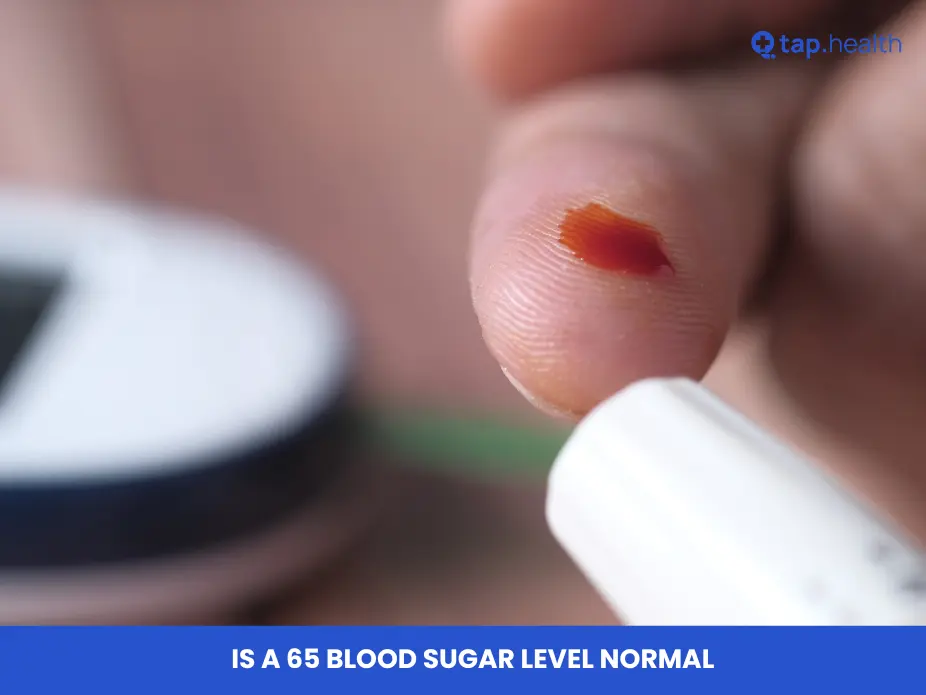
Blood sugar levels, or glucose levels, are essential indicators of overall health. For people who have diabetes, or those prone to low blood sugar, understanding what different levels mean can be crucial. Generally, a reading under 70 mg/dL is classified as low blood sugar, or hypoglycemia. This guide explains whether a blood sugar reading of 65 mg/dL is normal, what symptoms and risks are associated with low blood sugar, and practical tips for managing it effectively.
Understanding Blood Sugar Levels and Their Importance
Blood sugar, or glucose, is a vital source of energy for the body’s cells and organs, especially the brain. Insulin, a hormone produced by the pancreas, helps move glucose from the bloodstream into cells where it can be used for energy. When blood sugar levels are too high or too low, it can interfere with bodily functions and, in severe cases, lead to serious health issues.
What Are Normal Blood Sugar Ranges?
Blood sugar levels vary based on the time of day, when you last ate, your activity level, and other factors. The following ranges are generally used as a guide:
- Fasting (after 8+ hours without eating): 70–99 mg/dL
- Before meals: 70–130 mg/dL
- Two hours after eating: Less than 140 mg/dL
- Random (anytime): Usually between 70–140 mg/dL
A reading of 65 mg/dL, especially if fasting, may be considered lower than the standard range, and for most people, this can be classified as hypoglycemia.
Is a 65 mg/dL Blood Sugar Level Normal?
For most adults, a blood sugar level of 65 mg/dL is below the normal range, particularly if it occurs without recent exercise or fasting. This reading indicates mild hypoglycemia, a condition that may cause symptoms if untreated. Not everyone will experience symptoms at this level, but many people will start to feel mild signs that their blood sugar is low, especially if it drops further.
What is Hypoglycemia?
Hypoglycemia occurs when blood sugar levels fall below the normal threshold, often below 70 mg/dL. When blood sugar is low, the body lacks the fuel it needs to function properly, especially the brain, which depends heavily on glucose. There are three main types of hypoglycemia:
- Mild Hypoglycemia: Blood sugar between 60-70 mg/dL, typically causing mild symptoms that can be managed by eating.
- Moderate Hypoglycemia: Blood sugar below 60 mg/dL with more pronounced symptoms, needing prompt treatment.
- Severe Hypoglycemia: Blood sugar usually below 40 mg/dL, which can be dangerous and may require emergency treatment if symptoms impair one’s ability to eat.
Symptoms of Low Blood Sugar
Hypoglycemia symptoms vary in severity. When blood sugar drops to around 65 mg/dL, some may experience mild signs, while others might feel fine, especially if their body is accustomed to lower levels. Common symptoms include:
- Shakiness and trembling, as adrenaline is released to signal the body’s need for glucose.
- Sweating, often without physical exertion.
- Dizziness or lightheadedness, as the brain responds to reduced glucose levels.
- Confusion or difficulty concentrating.
- Sudden hunger or cravings, signaling the body’s need for more fuel.
- Fast heartbeat (palpitations), as the body tries to compensate.
- Blurred vision or visual disturbances.
Causes of Low Blood Sugar
A blood sugar level of 65 mg/dL may occur due to several factors, some of which are temporary and some that require attention:
- Skipping Meals or Eating Too Little
When you skip meals or consume very few carbohydrates, your blood sugar can drop. The body relies on glucose for energy, and without food, it struggles to maintain optimal levels. - Intense Physical Activity
Exercise uses glucose for energy, and intense workouts can lower blood sugar quickly, especially if you haven’t eaten beforehand. - Diabetes Medications
People with diabetes may experience low blood sugar if they take too much insulin or other medications designed to lower blood glucose. - Alcohol Consumption
Drinking alcohol, especially on an empty stomach, can interfere with the liver’s ability to release glucose, leading to a drop in blood sugar. - Hormonal Changes or Disorders
Certain hormonal conditions, like adrenal insufficiency, can cause low blood sugar due to an imbalance in hormones that regulate glucose. - Underlying Health Conditions
Some illnesses, such as kidney or liver disease, may disrupt the body’s ability to regulate blood sugar properly.
What to Do if Your Blood Sugar is 65 mg/dL
If your blood sugar is 65 mg/dL, you should take action to prevent further drops and symptoms. Here’s a step-by-step guide on what to do:
- Consume 15-20 Grams of Fast-Acting Carbohydrates
Fast-acting carbs are absorbed quickly and can bring your blood sugar back to a safer range. Examples include:- 4-5 pieces of hard candy
- 1/2 cup of fruit juice or regular (not diet) soda
- 3-4 glucose tablets or a glucose gel packet
- Wait 15 Minutes and Recheck Your Blood Sugar
After eating, wait 15 minutes before checking your blood sugar again. If it’s still below 70 mg/dL, consume another 15-20 grams of carbs. - Eat a Balanced Snack or Meal
Once your blood sugar level is above 70 mg/dL, eat a snack with complex carbs and protein, like a slice of whole-grain toast with peanut butter or a yogurt with fruit, to help maintain stable levels.
How to Prevent Low Blood Sugar
Managing blood sugar levels is essential, particularly if you’re prone to hypoglycemia. These prevention strategies can help:
- Eat Balanced Meals at Regular Intervals
Include carbohydrates, proteins, and healthy fats in each meal. Regular eating patterns help keep blood sugar stable. - Monitor Blood Sugar Frequently
If you have diabetes, regular blood sugar checks can help you spot patterns and prevent lows. Adjust your routine as recommended by a healthcare provider. - Plan Ahead for Physical Activity
Before intense physical activity, consider eating a small snack that includes carbohydrates. If you plan for longer activities, take quick snacks with you. - Limit Alcohol Consumption
Avoid drinking alcohol on an empty stomach, and limit intake if you’re prone to hypoglycemia. - Work with Your Doctor on Medication Adjustments
If you take insulin or blood sugar-lowering medications, talk with your doctor to make sure they’re at the right dose.
When to See a Doctor
If you have frequent low blood sugar episodes, it’s wise to consult with a healthcare provider. They can help determine if an underlying issue, medication adjustment, or lifestyle change might be necessary. Regular monitoring and consultation can prevent more serious complications and provide peace of mind.
Real-Life Scenario
Imagine you skip breakfast and notice symptoms like shakiness, dizziness, or sudden fatigue. Checking your blood sugar shows 65 mg/dL. This is a common scenario for people who haven’t eaten for several hours or those taking diabetes medications that lower blood sugar. Eating a small snack like fruit or a glass of milk usually brings sugar back to a safe level.
Expert Contribution
Endocrinologists explain that a blood sugar level of 65 mg/dL can be concerning if it causes symptoms. While occasional mild drops are not always dangerous, persistent low levels should be investigated. Causes can include skipped meals, excessive exercise, certain medications, or underlying conditions like insulin overproduction.
Recommendations Grounded in Proven Research and Facts
- Immediate action: If blood sugar is 65 mg/dL and you have symptoms, consume quick-acting carbohydrates such as fruit juice, glucose tablets, or honey.
- Monitor regularly: Track your blood sugar levels to see if low readings are frequent.
- Adjust diet or medications: Speak with a healthcare provider to ensure your meals and medications maintain stable blood sugar.
- Preventive measures: Eat small, frequent meals with balanced carbs, protein, and healthy fats.
- Know the signs: Symptoms like dizziness, sweating, blurred vision, or confusion indicate you should act quickly to raise your blood sugar.
How Tap Health Helps Diabetics Manage Their Health
Tap Health is an AI-powered diabetes management app created for Indian users to simplify daily health tracking. It helps monitor blood sugar, manage carbohydrate intake, and maintain overall wellness with a single, user-friendly platform.
Why Tap Health Is Valuable for Diabetics
Managing diabetes can be complicated, but Tap Health provides tools and insights that make it easier to stay on track:
Meal-Based Carb Tracking – The app allows you to log meals or take a photo, then calculates the carbohydrates, calories, and portion sizes, including traditional Indian dishes.
Glucose Monitoring – Keep track of your blood sugar readings and discover patterns that show how meals and lifestyle choices affect your levels.
Routine Reminders – Set alerts for medications, meals, and glucose checks to maintain consistency without hassle.
Tailored Health Advice – Tap Health uses AI to analyze your data and offer personalized recommendations for diet, exercise, and blood sugar control.
Localized Diet Support – Get access to a database of Indian foods, regional recipes, and culturally relevant meal plans.
Insightful Progress Reports – Monitor your HbA1c and glucose trends over time through clear, easy-to-read charts and reports.
Expert Guidance – Connect with certified doctors and dietitians for advice and support directly within the app.
FAQs on Is a 65 Sugar Level Normal?
Q1: Is a 65 mg/dL blood sugar level dangerous?
A: While a reading of 65 mg/dL is lower than normal, it is typically considered mild hypoglycemia. Symptoms may be mild or absent, but frequent episodes should be checked with a healthcare provider.
Q2: Can I have low blood sugar without diabetes?
A: Yes, people without diabetes can experience low blood sugar due to factors like skipping meals, intense exercise, or alcohol consumption.
Q3: What should I do if my blood sugar is 65 mg/dL?
A: Consume 15-20 grams of fast-acting carbs, wait 15 minutes, and recheck your blood sugar. If it’s still low, eat another 15-20 grams of carbs.
Q4: Can stress cause low blood sugar?
A: Stress more commonly raises blood sugar due to the release of cortisol. However, if stress causes skipped meals, it can lead to low blood sugar.
Q5: Is it safe to sleep if my blood sugar is 65 mg/dL?
A: If your blood sugar is low before bed, eat a small snack with carbs and protein to help prevent a further drop during sleep.
Conclusion
A blood sugar level of 65 mg/dL is slightly below the typical range and may indicate mild hypoglycemia. Recognizing symptoms and knowing how to treat low blood sugar is essential for maintaining healthy glucose levels and preventing complications. If you experience frequent low blood sugar episodes or have concerns, consulting with a healthcare provider can help determine the best course of action for your health.
References
- https://my.clevelandclinic.org/health/diagnostics/12363-blood-glucose-test
- https://www.mountsinai.org/health-library/tests/blood-sugar-test-blood
By staying informed, you can better manage your blood sugar levels and maintain your overall health.