Maintaining optimal gut health is increasingly recognized as a vital component in managing diabetes. Prebiotics and probiotics, two key players in gut health, offer promising benefits for individuals striving to control their blood sugar levels and improve overall well-being. This comprehensive guide explores the roles of prebiotics and probiotics in diabetes management, supported by real-life scenarios, expert insights, and evidence-based recommendations.
Understanding Prebiotics and Probiotics
Before delving into their benefits for diabetes management, it’s essential to understand what prebiotics and probiotics are and how they contribute to gut health.
What are Probiotics?
Probiotics are live beneficial bacteria and yeasts that naturally reside in the gut. They play a crucial role in maintaining a balanced gut microbiome, which is essential for digestion, immune function, and overall health. Common sources of probiotics include yogurt, kefir, sauerkraut, kimchi, and dietary supplements.
What are Prebiotics?
Prebiotics are non-digestible fibers that serve as food for probiotics. They help promote the growth and activity of beneficial bacteria in the gut. Prebiotics are found in various foods such as garlic, onions, bananas, asparagus, and whole grains.
The Gut Microbiome and Diabetes
The gut microbiome, a complex community of microorganisms in the digestive tract, significantly influences metabolic processes, including insulin sensitivity and glucose metabolism. An imbalance in the gut microbiome, known as dysbiosis, has been linked to insulin resistance and the development of type 2 diabetes.
How Prebiotics and Probiotics Influence Diabetes Management
Integrating prebiotics and probiotics into the diet can positively impact diabetes management through several mechanisms:
- Improving Insulin Sensitivity: A balanced gut microbiome enhances the body’s ability to respond to insulin, facilitating better blood sugar control.
- Reducing Inflammation: Chronic inflammation is a contributor to insulin resistance. Probiotics and prebiotics can help lower inflammatory markers in the body.
- Enhancing Gut Barrier Function: A healthy gut barrier prevents the leakage of harmful substances that can trigger inflammation and insulin resistance.
- Modulating Appetite and Weight: Certain gut bacteria influence appetite regulation and fat storage, aiding in weight management—a critical factor in diabetes control.
Real-Life Scenarios
Scenario 1: Emma’s Journey with Type 2 Diabetes
Emma, a 52-year-old woman diagnosed with type 2 diabetes, struggled with maintaining stable blood sugar levels despite adhering to a strict diet and exercise regimen. Upon consulting a nutritionist, Emma incorporated probiotic-rich foods like yogurt and kimchi, along with prebiotic sources such as garlic and bananas, into her daily meals.
Within six months, Emma noticed a significant improvement in her insulin sensitivity and a reduction in her HbA1c levels. Additionally, she experienced fewer instances of blood sugar spikes and felt more energetic throughout the day.
Scenario 2: John’s Battle with Insulin Resistance
John, a 45-year-old office worker, was diagnosed with insulin resistance, a precursor to type 2 diabetes. Determined to take proactive measures, John started taking a high-quality probiotic supplement and added prebiotic foods like whole grains and legumes to his diet.
Over a year, John observed a gradual decrease in his fasting blood glucose levels and a notable improvement in his overall metabolic health. His doctor confirmed enhanced insulin sensitivity, and John successfully avoided the progression to full-blown diabetes.
Expert Contributions
Dr. Laura Bennett, Registered Dietitian
“Integrating prebiotics and probiotics into the diet is a strategic approach to managing diabetes. These elements work synergistically to promote a healthy gut microbiome, which in turn supports better insulin sensitivity and glucose metabolism. It’s not just about taking supplements; it’s about fostering a diet rich in whole foods that naturally support gut health.”
Dr. Michael Reynolds, Endocrinologist
“Research increasingly shows the connection between gut health and metabolic diseases like diabetes. By improving the balance of gut bacteria through prebiotics and probiotics, we can address one of the underlying factors contributing to insulin resistance. This holistic approach complements traditional diabetes treatments and offers a path to better long-term outcomes.”
Recommendations Grounded in Proven Research and Facts
To effectively utilize prebiotics and probiotics for diabetes management, consider the following evidence-based strategies:
1. Incorporate Probiotic-Rich Foods
Adding foods high in probiotics can help enhance the population of beneficial bacteria in the gut. Consider including:
- Yogurt: Choose plain, unsweetened yogurt with live active cultures.
- Kefir: A fermented milk drink that is rich in probiotics.
- Sauerkraut and Kimchi: Fermented vegetables that offer a variety of probiotic strains.
- Miso and Tempeh: Fermented soy products that can be added to soups and salads.
2. Include Prebiotic Foods in Your Diet
Prebiotics serve as food for probiotics, helping them thrive. Incorporate these prebiotic-rich foods:
- Garlic and Onions: Versatile ingredients that can be added to various dishes.
- Bananas: A convenient and nutritious snack option.
- Asparagus and Leeks: Great additions to salads and stir-fries.
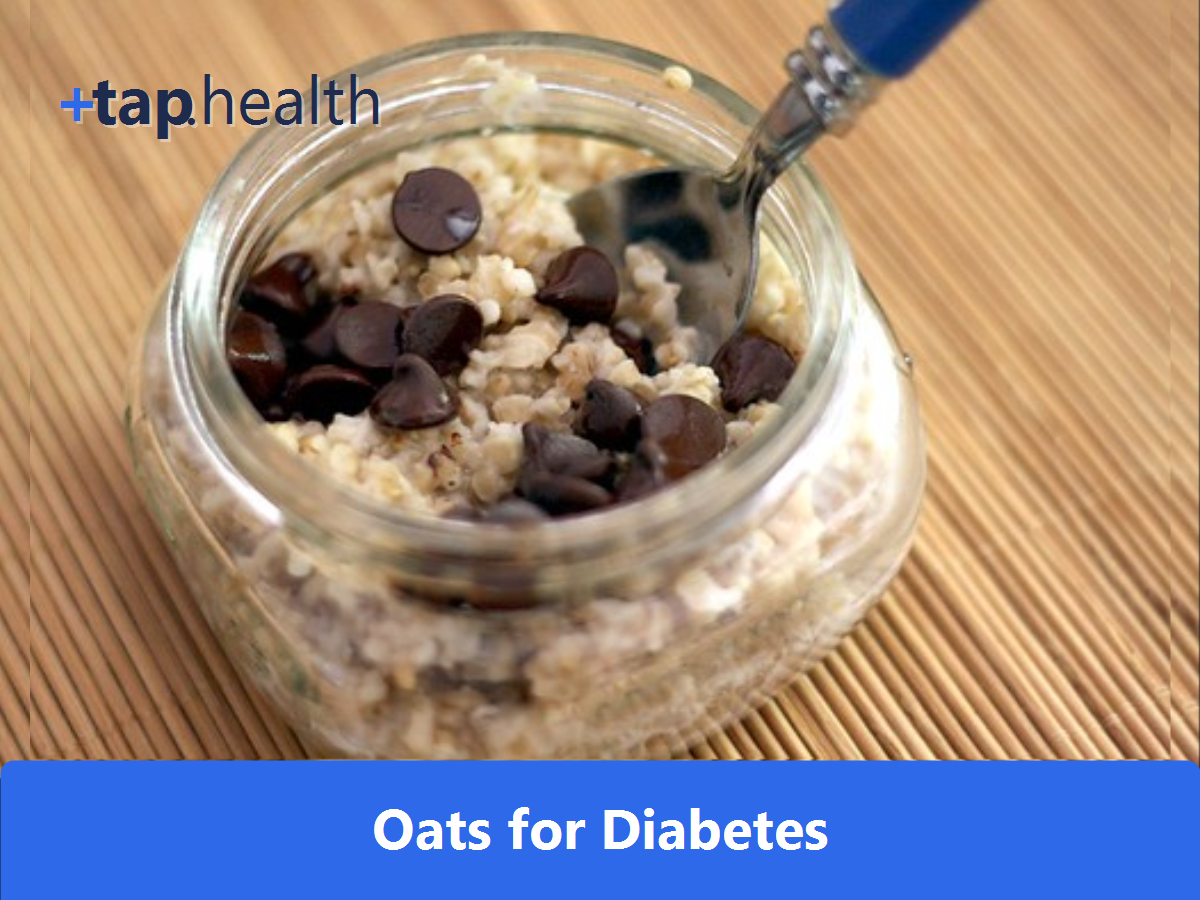
- Whole Grains: Oats, barley, and whole wheat products are excellent sources.
3. Consider Probiotic Supplements
For those who find it challenging to get enough probiotics from food alone, high-quality probiotic supplements can be beneficial. It’s important to choose supplements that contain multiple strains of beneficial bacteria and have been tested for efficacy.
4. Maintain a Balanced Diet
A diet rich in whole foods, including plenty of fruits, vegetables, lean proteins, and healthy fats, supports overall gut health and diabetes management. Avoid excessive consumption of processed foods, sugary snacks, and unhealthy fats.
5. Monitor Blood Sugar Levels
Regular monitoring of blood glucose levels can help assess the effectiveness of incorporating prebiotics and probiotics into your diet. Adjust dietary choices based on these readings and consult with a healthcare professional as needed.
6. Stay Hydrated
Proper hydration is essential for maintaining gut health and supporting metabolic functions. Aim to drink at least eight glasses of water a day.
7. Exercise Regularly
Physical activity complements dietary strategies by enhancing insulin sensitivity and promoting a healthy gut microbiome. Aim for at least 150 minutes of moderate-intensity exercise each week.
8. Consult Healthcare Professionals
Before making significant dietary changes or starting new supplements, consult with a healthcare provider or a registered dietitian to ensure these changes align with your individual health needs.
Factual and Reliable Information
The connection between gut health and diabetes management is supported by a growing body of scientific research. Here are some key findings:
- Improved Insulin Sensitivity: A study published in the Journal of Clinical Endocrinology & Metabolism found that individuals consuming probiotic supplements experienced enhanced insulin sensitivity and reduced fasting blood glucose levels compared to a placebo group.
- Reduced Inflammation: Research in the American Journal of Clinical Nutrition indicated that probiotics could lower inflammatory markers, which are closely linked to insulin resistance and the development of type 2 diabetes.
- Enhanced Gut Barrier Function: According to a study in Diabetes Care, prebiotic fibers improved gut barrier integrity, reducing the leakage of endotoxins that can trigger systemic inflammation and insulin resistance.
- Modulation of Gut Microbiota: A review in Nutrients highlighted that a diverse and balanced gut microbiome, supported by prebiotics and probiotics, plays a critical role in regulating metabolic processes and maintaining healthy blood sugar levels.
- Weight Management: Excess body weight is a significant risk factor for insulin resistance. Studies have shown that probiotics can aid in weight management by influencing the composition of gut bacteria, which affects fat storage and energy expenditure.
These findings underscore the importance of maintaining a healthy gut microbiome through the use of prebiotics and probiotics as part of a comprehensive approach to diabetes management.
Also read this : Mastering Diabetes: Your Guide to Smart Grocery Shopping and Food Storage
Frequently Asked Questions (FAQ) on Prebiotics and Probiotics
What is the difference between prebiotics and probiotics?
Probiotics are live beneficial bacteria that reside in the gut, while prebiotics are non-digestible fibers that serve as food for these bacteria. Together, they support a healthy and balanced gut microbiome.
Can probiotics and prebiotics cure diabetes?
While probiotics and prebiotics can significantly aid in managing diabetes by improving insulin sensitivity and reducing inflammation, they are not a cure. They should be used as part of a comprehensive treatment plan that includes diet, exercise, and medication as prescribed by a healthcare professional.
How long does it take to see benefits from taking probiotics and prebiotics?
The timeframe varies depending on individual health conditions and adherence to dietary changes. Some people may notice improvements in digestion and energy levels within a few weeks, while significant changes in insulin sensitivity and blood sugar control may take several months.
Are there any side effects of taking probiotics?
Probiotics are generally safe for most people. However, some individuals may experience mild digestive discomfort, such as bloating or gas, when first starting probiotics. It’s advisable to start with a lower dose and gradually increase it to allow the body to adjust.
Can I get enough prebiotics and probiotics from food alone?
Yes, many foods are rich in prebiotics and probiotics. Incorporating a variety of fermented foods, fruits, vegetables, and whole grains into your diet can help maintain a healthy gut microbiome. However, some individuals may benefit from supplements, especially if they have specific health conditions or dietary restrictions.
Are all probiotics the same?
No, probiotics come in different strains, each with unique benefits. It’s important to choose probiotic supplements that contain multiple strains of beneficial bacteria and have been clinically tested for efficacy.
Can children with diabetes benefit from prebiotics and probiotics?
Yes, children with diabetes can also benefit from maintaining a healthy gut microbiome through prebiotics and probiotics. However, it’s important to consult with a pediatrician or a healthcare professional before starting any new supplements or making significant dietary changes.
How do I choose the right probiotic supplement?
Look for probiotic supplements that list the specific strains of bacteria, have a high colony-forming unit (CFU) count, and are backed by scientific research. It’s also important to choose supplements from reputable brands that ensure the viability of the bacteria through proper storage and handling.
Can antibiotics affect my gut health and diabetes management?
Yes, antibiotics can disrupt the balance of gut bacteria, potentially affecting insulin sensitivity and blood sugar control. If you need to take antibiotics, consider incorporating probiotics and prebiotics into your diet to help restore the gut microbiome after the course of antibiotics.
Is it possible to have too many probiotics?
While probiotics are beneficial, excessive intake can lead to digestive discomfort and other side effects in some individuals. It’s important to follow the recommended dosage on supplements and consult with a healthcare professional if you experience any adverse effects.
Conclusion
Prebiotics and probiotics play a pivotal role in maintaining gut health, which is intrinsically linked to diabetes management. By fostering a balanced and diverse gut microbiome, these elements enhance insulin sensitivity, reduce inflammation, and support overall metabolic health. Real-life success stories and expert insights highlight the tangible benefits of integrating prebiotic and probiotic-rich foods into one’s diet.
To effectively manage diabetes, it’s essential to adopt a holistic approach that includes a balanced diet, regular physical activity, and mindful monitoring of blood sugar levels. Incorporating prebiotics and probiotics can complement these strategies, offering a natural and effective means to enhance metabolic health and prevent the progression of insulin resistance.
Always consult with healthcare professionals before making significant dietary changes or starting new supplements to ensure they align with your individual health needs and treatment plans. Embracing the power of prebiotics and probiotics is a proactive step towards achieving better gut health and more effective diabetes management.
References
- Journal of Clinical Endocrinology & Metabolism – Probiotics and Insulin Sensitivity
- American Journal of Clinical Nutrition – Probiotics and Inflammation
- Diabetes Care – Prebiotic Fiber and Gut Barrier Function
- Nutrients – Gut Microbiota and Metabolic Health
- Harvard Health – The Gut Microbiome and Diabetes
- Mayo Clinic – Insulin Resistance and Gut Health
- Healthline – Prebiotics and Probiotics for Diabetes
- WebMD – Benefits of Probiotics for Diabetes
- Cleveland Clinic – Gut Health and Metabolic Diseases
- National Institutes of Health – Probiotics and Metabolic Health