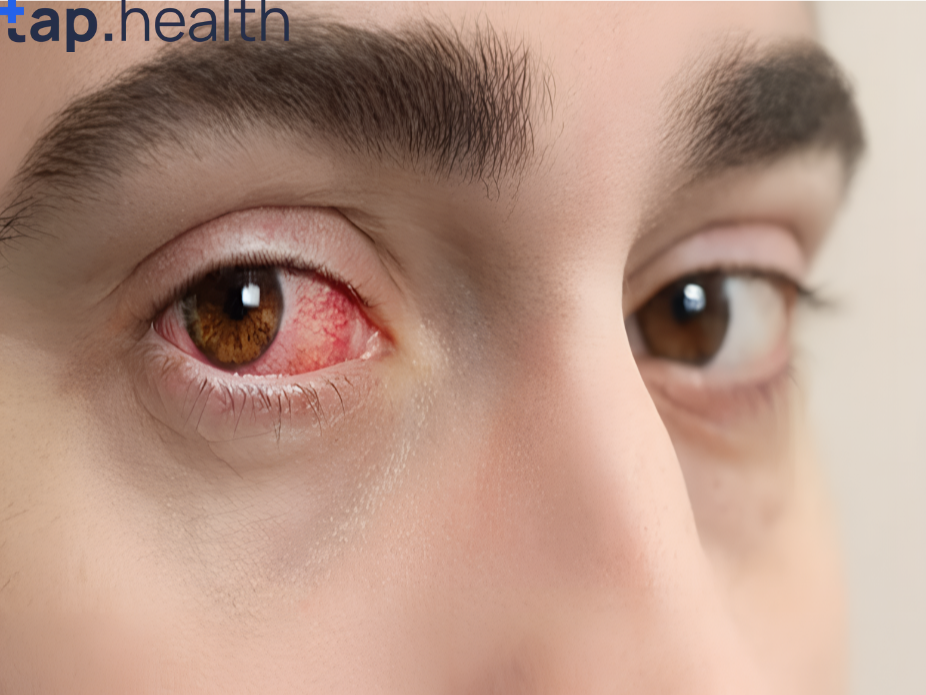
Eye flu, commonly known as conjunctivitis, is a widespread eye condition that affects people across all age groups. Characterized by inflammation of the conjunctiva, it can lead to discomfort, redness, and discharge. This blog provides a concise yet detailed overview of eye flu, addressing its causes, symptoms, diagnosis, treatment, and prevention strategies. Whether you’re dealing with viral conjunctivitis, bacterial conjunctivitis, or allergic triggers, this guide will help you navigate the condition effectively.
What is Eye Flu? Defining Conjunctivitis
Eye flu, or conjunctivitis, refers to the inflammation of the conjunctiva, the thin, transparent layer covering the white part of the eye and the inner eyelids. This condition can affect one or both eyes, causing symptoms like redness, itching, and discharge. It may stem from infections (viral or bacterial), allergies, or environmental irritants. Understanding the nature of conjunctivitis is the first step toward effective management and prevention.
Medical Terminology Behind Eye Flu
The term “conjunctivitis” derives from Latin roots: “conjungeri” (joined together) and “itis” (inflammation). This inflammation disrupts the conjunctiva’s normal function, leading to discomfort and visible symptoms. Knowing this terminology helps demystify the condition and aids in discussing it with healthcare professionals.
Common Misconceptions About Eye Flu
Several myths surround eye flu, which can lead to confusion. Let’s address the most prevalent ones:
- Myth: Eye flu is only caused by cold weather. While environmental factors like cold drafts can irritate the eyes, they are not the primary cause. Infections and allergies play a larger role.
- Myth: Eye flu is always highly contagious. Viral conjunctivitis is contagious, spreading through direct contact or shared items. However, allergic conjunctivitis is not contagious at all.
- Myth: Eye flu only affects children. While more common in children due to close contact in schools, conjunctivitis can affect adults too.
Clearing these misconceptions ensures better awareness and proactive management of the condition.
What Causes Eye Flu?
Eye flu arises from various sources, including infections and environmental factors. Identifying the cause is critical for effective treatment.
Viral vs. Bacterial Conjunctivitis
- Viral Conjunctivitis: The most common form, often linked to viruses like those causing the common cold. It leads to watery discharge, redness, and itching. It’s highly contagious and typically resolves within one to two weeks without antibiotics.
- Bacterial Conjunctivitis: Caused by bacteria like Streptococcus pneumoniae or Staphylococcus aureus, it results in thick, yellow-green discharge and crusty eyelids. Antibiotic eye drops or ointments are often required.
Consulting a healthcare provider for an accurate diagnosis is essential to distinguish between these types.
Environmental Triggers of Eye Flu
Environmental factors can also trigger conjunctivitis:
- Allergens: Pollen, dust mites, or pet dander can cause allergic conjunctivitis, marked by itching and excessive tearing.
- Irritants: Smoke, chemicals in cleaning products, or improper contact lens solutions can inflame the conjunctiva.
Avoiding these triggers through protective measures, like wearing goggles or proper lens hygiene, can reduce the risk.
Recognizing Eye Flu Symptoms
Early detection of eye flu symptoms is crucial for timely intervention. Symptoms vary based on the cause and severity.
Early Warning Signs
- Redness and itchiness
- Gritty sensation in the eyes
- Excessive tearing
- Sensitivity to light
- Watery or thick discharge
Prompt recognition of these signs can prevent the condition from worsening.
How Symptoms Progress
If untreated, symptoms may escalate:
- Increased redness and swelling
- Thicker, more abundant discharge
- Blurred vision
Monitoring symptom progression helps determine when medical attention is necessary.
Diagnosing Eye Flu: A Step-by-Step Approach
Accurate diagnosis ensures appropriate treatment. The process typically involves:
Initial Consultation and Examination
A healthcare provider will:
- Review your medical history and symptom duration
- Conduct a physical exam to assess redness, discharge, and other signs
This initial assessment is often sufficient for a preliminary diagnosis.
Role of Laboratory Tests
In complex cases, a conjunctival swab may be taken to identify the specific virus or bacteria. These tests guide targeted treatment, especially for bacterial conjunctivitis requiring antibiotics.
Treatment Options for Eye Flu
Treatment varies depending on the cause and severity of conjunctivitis. Here’s a breakdown:
Over-the-Counter Remedies
- Artificial Tears: Relieve mild symptoms caused by allergies or irritants.
- Antihistamine Eye Drops: Effective for allergic conjunctivitis.
Always consult a doctor before using OTC medications to ensure they’re appropriate.
Prescription Treatments
- Antibiotic Eye Drops/Ointments: Used for bacterial conjunctivitis to clear infection.
- Antiviral Medications: Prescribed for severe viral conjunctivitis cases.
Completing the full course of prescribed medication is critical to prevent recurrence.
Preventing Eye Flu
Prevention is key to avoiding conjunctivitis. Adopt these practices:
- Practice Good Hygiene: Wash hands frequently and avoid touching your eyes.
- Avoid Allergens and Irritants: Use protective eyewear in smoky or dusty environments.
- Proper Contact Lens Care: Clean and store lenses correctly to prevent contamination.
- Avoid Sharing Personal Items: Towels, pillows, or makeup can spread infection.
These measures significantly reduce the risk of contracting or spreading eye flu.
When to Seek Medical Attention
While mild cases may resolve with home care, seek medical help if:
- Symptoms persist beyond a week
- Pain or blurred vision worsens
- Discharge becomes severe
Timely consultation prevents complications and ensures faster recovery.
FAQs About Eye Flu
What is the main cause of eye flu?
Eye flu can be caused by viral or bacterial infections, allergies, or environmental irritants like smoke or chemicals.
Is eye flu contagious?
Viral and bacterial conjunctivitis are contagious, while allergic conjunctivitis is not.
How long does eye flu last?
Viral conjunctivitis typically resolves in 1-2 weeks, while bacterial conjunctivitis may clear faster with antibiotics.
Can eye flu cause vision problems?
If untreated, severe cases may lead to blurred vision, but most cases resolve without long-term effects.
How can I prevent eye flu?
Practice good hygiene, avoid allergens, and maintain proper contact lens care to minimize risk.
Conclusion
Eye flu, or conjunctivitis, is a manageable condition when understood and addressed properly. By recognizing its causes—viral, bacterial, or environmental—and symptoms like redness and discharge, you can take proactive steps for treatment and prevention. Whether using OTC remedies for mild cases or seeking prescription treatments for severe ones, timely action is key. Adopting preventive measures like good hygiene and avoiding irritants can protect your eye health. Stay informed, consult healthcare professionals when needed, and maintain optimal eye care to reduce the impact of eye flu on your daily life.