What Is Sodium and Why Does It Matter for Your Health?
Sodium is an essential mineral that helps regulate fluid balance, nerve signals, and muscle function. However, most people consume far too much—averaging over 3,400 mg daily—compared to the American Heart Association’s ideal limit of 1,500 mg (maximum 2,300 mg). Excess sodium forces your body to retain water, raising blood pressure and increasing risks of hypertension, heart disease, stroke, kidney damage, and even osteoporosis.
What Are the Real Risks of Too Much Sodium?
- High blood pressure (hypertension)
- Heart attack and heart failure
- Stroke and cardiovascular events
- Chronic kidney disease
- Bone calcium loss leading to osteoporosis
Lowering sodium is one of the fastest ways to drop blood pressure and protect long-term health.
What Are the Proven Benefits of a Low-Sodium Diet?
- Better blood pressure control (often within weeks)
- Reduced strain on the heart and lower heart disease risk
- Healthier kidneys and slower progression of kidney disease
- Easier weight management (many high-sodium foods are also high-calorie)
- Lower risk of stroke
How Much Sodium Should You Actually Eat Daily?
| Group | Recommended Limit |
|---|---|
| General healthy adults | ≤ 2,300 mg/day |
| Ideal target (most adults) | ≤ 1,500 mg/day |
| High blood pressure, heart/kidney issues, age 51+ | 1,500 mg/day max |
How to Read Labels and Spot Hidden Sodium?
Look at “mg of sodium per serving.”
- Sodium-free: < 5 mg
- Very low sodium: < 35 mg
- Low sodium: < 140 mg Always check serving size—doubling the portion doubles the sodium.
Which High-Sodium Foods Should You Limit or Avoid?
- Processed meats (bacon, sausage, deli meats)
- Canned soups and vegetables (unless no-salt-added)
- Frozen meals and pizza
- Salty snacks (chips, pretzels)
- Cheese and flavored yogurt
- Condiments (soy sauce, ketchup, salad dressing)
- Restaurant and takeout meals
7 Practical Tips to Cut Salt Without Losing Flavor
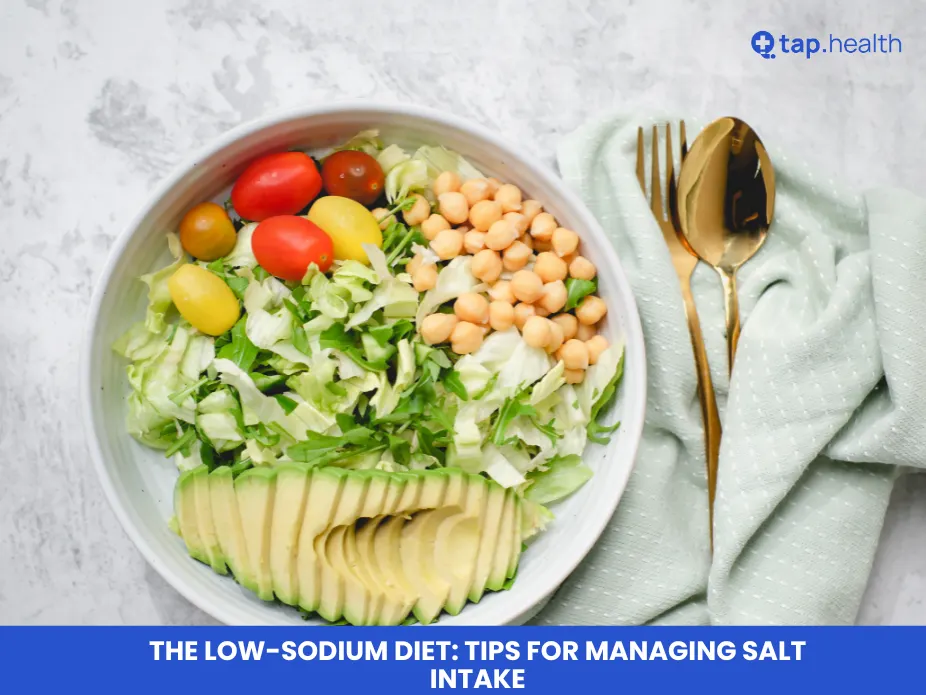
- Cook at home – control every pinch of salt
- Flavor with herbs, spices, garlic, onion, citrus, vinegar, and salt-free blends
- Rinse canned beans and vegetables to remove up to 40% of sodium
- Choose fresh or frozen produce over canned
- Swap regular soy sauce for low-sodium versions or coconut aminos
- Make your own dressings, sauces, and soups
- When eating out, ask for no added salt and sauces on the side
Low-Sodium Snack Swaps People Love
- Instead of chips → air-popped popcorn + nutritional yeast or cinnamon
- Instead of salted nuts → raw or dry-roasted unsalted nuts
- Instead of crackers → sliced cucumber or bell pepper with hummus
- Instead of cheese sticks → fresh fruit or a small mozzarella stick (lower-sodium choice)
Real-Life Success Stories
Emma (50) lowered her blood pressure from 148/92 to 128/78 in six months just by reading labels, rinsing beans, and using Mrs. Dash seasoning. James (35) dropped 18 pounds and improved cholesterol by cooking at home and replacing chips with carrot sticks and guacamole.
Expert Insight
Cardiologist Dr. Nancy McLean: “Cutting sodium is often more effective than adding another blood-pressure pill.” Registered Dietitian Daniel Rogers: “Food can still explode with flavor—garlic, lemon, smoked paprika, and fresh herbs prove salt is optional.”
Can a Low-Sodium Diet Also Help Manage Diabetes? – TapHealth
Yes! People with diabetes or prediabetes benefit doubly from reducing sodium because high blood pressure is a common complication. A low-sodium approach supports both blood sugar stability (by encouraging whole, minimally processed foods) and cardiovascular protection—exactly what TapHealth recommends for long-term diabetes management and heart health.
Sources:
- American Heart Association: Sodium and Your Health
- Centers for Disease Control and Prevention: High Sodium Intake and Health Risks
- Mayo Clinic: Low-Sodium Diet: Tips and Benefits
FAQs About Low-Sodium Diet
Q1: How much sodium should I consume per day?
The general recommendation is to consume no more than 2,300 mg of sodium per day, with an ideal target of 1,500 mg for those with high blood pressure or heart disease.
Q2: Can I use salt alternatives to reduce sodium?
Yes, salt alternatives like potassium chloride can provide a salty taste without increasing sodium intake. However, it’s best to use them in moderation, especially if you have kidney issues.
Q3: Are there any foods that naturally contain less sodium?
Fresh fruits, vegetables, whole grains, and lean meats naturally contain little or no sodium, making them great choices for a low-sodium diet.
Q4: How long does it take to see the effects of a low-sodium diet?
Many people see improvements in blood pressure and overall health within a few weeks of adopting a low-sodium diet.
Q5: Is it safe to cut sodium intake drastically?
It’s important to reduce sodium gradually to allow your body to adjust. Extremely low sodium levels can be harmful, so aim for a moderate reduction that fits within recommended guidelines.