If you’ve been diagnosed with hypothyroidism, you might be concerned about the impact it could have on your overall health. Hypothyroidism, a condition where the thyroid gland doesn’t produce enough thyroid hormone, can lead to a variety of symptoms, such as fatigue, weight gain, and depression. But does it also affect your kidneys?
In this article, we’ll explore the connection between hypothyroidism and kidney stones, shedding light on whether hypothyroidism can increase your risk of developing them. We’ll also provide real-life examples, expert insights, and recommendations grounded in proven research and facts. By the end, you’ll have a better understanding of this potential health concern and how to take proactive steps to protect yourself.
Understanding Hypothyroidism and Its Effects
Before diving into the relationship between hypothyroidism and kidney stones, let’s first understand what hypothyroidism is and how it affects the body.
What is Hypothyroidism?
Hypothyroidism occurs when the thyroid gland, located in the neck, doesn’t produce enough thyroid hormones, primarily thyroxine (T4) and triiodothyronine (T3). These hormones are responsible for regulating metabolism, energy production, and various other bodily functions. When thyroid hormone levels are low, it can lead to a variety of symptoms, including:
- Fatigue
- Weight gain
- Depression
- Dry skin
- Hair loss
- Constipation
- Cold sensitivity
Treatment for hypothyroidism typically involves taking synthetic thyroid hormone, such as levothyroxine, to restore normal hormone levels.
How Does Hypothyroidism Affect Kidney Function?
The thyroid plays a significant role in many bodily functions, including the regulation of the kidneys. While the thyroid is not directly involved in kidney function, it does influence the body’s metabolism and electrolyte balance. When thyroid levels are low, several changes can occur that may indirectly affect the kidneys.
Some of the ways hypothyroidism can affect kidney function include:
- Decreased renal blood flow: Low thyroid hormone levels can reduce blood flow to the kidneys, which may impact kidney function.
- Electrolyte imbalance: Hypothyroidism can lead to imbalances in important electrolytes, such as sodium, calcium, and potassium, which can have implications for kidney health.
- Water retention: Hypothyroidism often leads to fluid retention, which can cause swelling and increase the risk of kidney problems over time.
While hypothyroidism can have some effect on kidney function, it’s not directly linked to kidney stones. However, these indirect effects may increase the risk of certain kidney issues, including the formation of kidney stones.
Can Hypothyroidism Cause Kidney Stones?
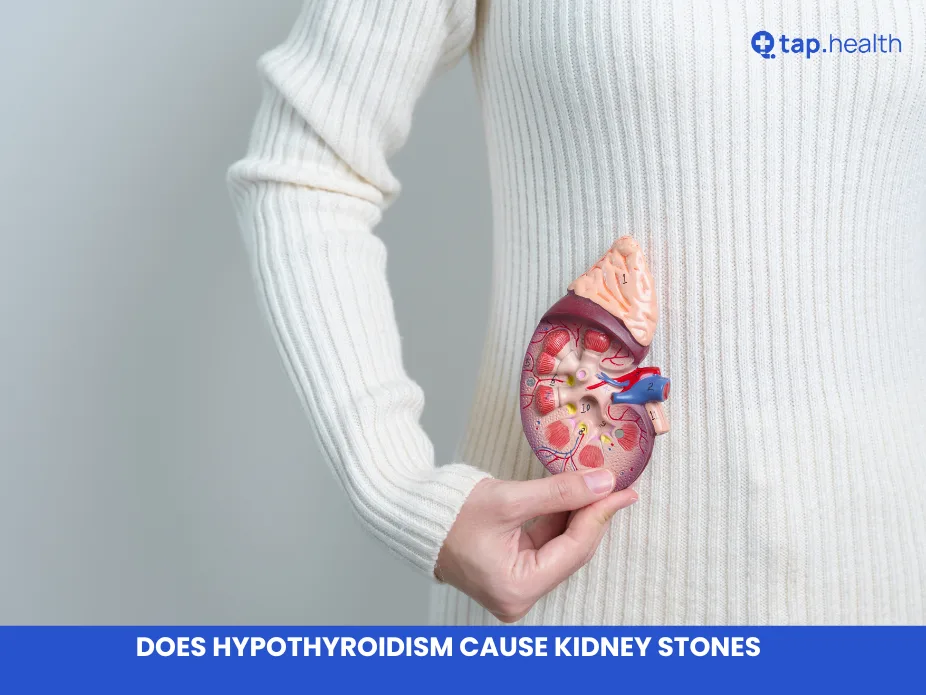
The short answer is: Yes, hypothyroidism may increase the risk of kidney stones, but it’s not the sole cause. Kidney stones are hard deposits of minerals and salts that form in the kidneys and can cause significant pain when they pass through the urinary tract.
Several factors related to hypothyroidism may contribute to an increased risk of kidney stone formation:
1. Calcium Imbalance
One of the most common types of kidney stones is calcium oxalate stones. People with hypothyroidism often experience calcium imbalances in the body. When thyroid levels are low, there can be an increase in the parathyroid hormone (PTH), which regulates calcium levels. Higher levels of PTH can lead to an increase in calcium levels in the blood, a condition known as hypercalcemia. This excess calcium can form deposits in the kidneys, contributing to kidney stone formation.
Additionally, people with hypothyroidism may have difficulty absorbing calcium properly from the intestines, which can also increase the likelihood of calcium buildup in the kidneys.
2. Dehydration and Fluid Retention
Hypothyroidism is often associated with fluid retention, which can make it difficult for the kidneys to properly filter waste. This can lead to the formation of concentrated urine, a key factor in kidney stone development. When urine becomes highly concentrated, it creates an environment where minerals and salts can crystallize and form stones.
On the flip side, hypothyroidism can also cause dehydration due to the reduced renal blood flow and slow metabolism. Dehydration, in turn, can increase the risk of kidney stone formation by reducing urine volume and concentration.
3. Obesity and Diet
People with hypothyroidism are often prone to weight gain, which can lead to obesity. Studies have shown that obesity is a significant risk factor for developing kidney stones. Moreover, certain dietary habits common in people with hypothyroidism, such as a diet high in salt or protein, can contribute to kidney stone formation.
Real-Life Scenario: How Ramesh’s Hypothyroidism Led to Kidney Stones
Let’s take a look at how hypothyroidism can impact kidney health through a real-life example.
Ramesh, a 45-year-old man from Mumbai, was diagnosed with hypothyroidism five years ago. He managed his condition by taking levothyroxine, and his symptoms improved. However, over the last year, Ramesh started experiencing severe pain in his lower abdomen. After seeking medical attention, he was diagnosed with calcium oxalate kidney stones.
Ramesh’s doctor explained that his hypothyroidism may have contributed to his kidney stones, especially given his calcium imbalance and tendency to retain fluids. His doctor recommended lifestyle changes, including increasing his water intake and adjusting his diet to lower his salt and protein intake.
This scenario demonstrates how hypothyroidism can indirectly contribute to kidney stone formation, especially if certain risk factors like dehydration or calcium imbalance are present.
Expert Contribution: Dr. Arvind Kumar on Hypothyroidism and Kidney Stones
Dr. Arvind Kumar, an endocrinologist based in Delhi, offers insight into the relationship between hypothyroidism and kidney stones:
“While hypothyroidism is not a direct cause of kidney stones, it can certainly contribute to risk factors such as calcium imbalance, fluid retention, and dehydration. Managing hypothyroidism with proper medication, hydration, and diet can reduce the likelihood of kidney stones forming.”
— Dr. Arvind Kumar, Endocrinologist, Delhi
Recommendations Grounded in Proven Research and Facts
To minimize the risk of kidney stones if you have hypothyroidism, it’s essential to adopt a proactive approach. Here are some research-backed recommendations:
1. Stay Hydrated
Hydration is key to preventing kidney stones. Drinking plenty of water helps to dilute the minerals in your urine and prevents them from crystallizing. Aim for at least 8-10 cups of water a day, depending on your body’s needs.
2. Manage Your Calcium Intake
While calcium is essential for bone health, it’s crucial to manage your calcium intake carefully. Too much calcium in the blood can increase the risk of kidney stones. Work with your doctor or a nutritionist to determine the right amount of calcium for your needs, especially if you’re taking medications like levothyroxine.
3. Adjust Your Diet
A balanced diet can help prevent kidney stones. Limit foods high in salt and animal protein, as these can increase the risk of stone formation. Incorporate more fruits, vegetables, and whole grains into your diet. Foods rich in magnesium and potassium can also help prevent kidney stones.
4. Monitor Your Thyroid Levels Regularly
Regular thyroid tests are essential for managing hypothyroidism effectively. Keeping your thyroid levels within a healthy range helps to prevent complications, including kidney issues. If you notice any symptoms like increased thirst or swelling, consult your healthcare provider.
FAQs: Does Hypothyroidism Cause Kidney Stones?
Q1: Does hypothyroidism directly cause kidney stones?
No, hypothyroidism does not directly cause kidney stones, but it can contribute to conditions like calcium imbalance and dehydration, which increase the risk of kidney stones.
Q2: Can medications for hypothyroidism increase the risk of kidney stones?
No, medications like levothyroxine for hypothyroidism do not directly cause kidney stones. However, thyroid hormone imbalances may lead to kidney issues that increase the risk.
Q3: How can I prevent kidney stones if I have hypothyroidism?
Staying hydrated, managing calcium intake, adjusting your diet, and regularly monitoring thyroid levels can help prevent kidney stones.
Q4: Should I consult a doctor if I have hypothyroidism and develop kidney stone symptoms?
Yes, it’s essential to consult a healthcare provider if you develop symptoms like severe abdominal pain or difficulty urinating.
Conclusion
Hypothyroidism can contribute to risk factors for kidney stone formation, such as calcium imbalance, dehydration, and fluid retention. However, by properly managing your thyroid levels, staying hydrated, and adjusting your diet, you can reduce your risk. If you have hypothyroidism and are concerned about kidney stones, be sure to talk to your healthcare provider for personalized advice and care.