tap.health logo
  • Diabetes Management
  • Health Assistant
  • About Us
  • Blog
  • Contact Us
Get Plan
  • Diabetes Management
  • Health Assistant
  • About Us
  • Blog
  • Contact Us
  • All Blogs
  • Product
  • Abdominal Pain After Embryo Transfer: Causes, Symptoms, and Management

Abdominal Pain After Embryo Transfer: Causes, Symptoms, and Management

Product
September 3, 2024
• 5 min read
Yasaswini Vajupeyajula
Written by
Yasaswini Vajupeyajula
ChatGPT Perplexity WhatsApp LinkedIn X Grok Google AI
abdominal pain after embryo transfer

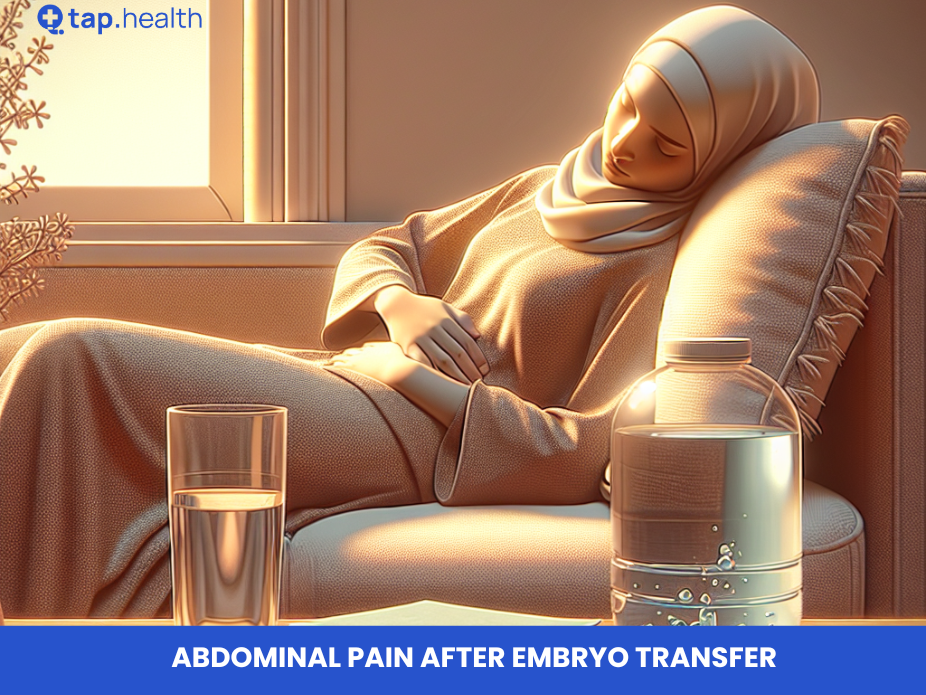
Embryo transfer is a pivotal step in the in vitro fertilization (IVF) journey, marking a hopeful milestone toward parenthood. However, it’s common to experience physical sensations like abdominal pain during this phase. Understanding the causes, recognizing warning signs, and adopting effective management strategies can ease concerns and support your well-being. This blog explores the reasons behind abdominal pain after embryo transfer, its symptoms, and practical ways to manage discomfort while prioritizing your health during this sensitive time.

What Causes Abdominal Pain After Embryo Transfer?

Abdominal pain after embryo transfer is a frequent experience for many women undergoing IVF. The discomfort can range from mild cramping to a sense of fullness, often resembling menstrual cramps. Below, we outline the primary causes to help you differentiate between normal sensations and potential concerns.

Implantation Cramping: A Sign of Embryo Attachment

Implantation occurs when the embryo embeds into the uterine lining, typically 6–10 days after ovulation. This process can cause mild cramping or twinges in the lower abdomen, often accompanied by light spotting known as implantation bleeding. These sensations are generally a positive sign of the embryo settling in.

Management Tips: Rest and avoid strenuous activities. Over-the-counter pain relievers like acetaminophen may help, but consult your doctor first.

Hormonal Medications and Their Effects

IVF treatments involve hormone medications, such as progesterone, to support the uterine lining. These can lead to bloating, gas, or cramp-like pain similar to premenstrual discomfort.

Management Tips: Stay hydrated, eat a balanced diet with fiber-rich foods, and engage in light activities like walking to ease bloating. Always check with your healthcare provider before taking medications.

Ovarian Hyperstimulation Syndrome (OHSS)

OHSS is a potential complication of ovarian stimulation, where the ovaries become swollen and painful due to fertility drugs. Symptoms include significant abdominal pain, bloating, nausea, and, in severe cases, rapid weight gain or shortness of breath.

Management Tips: Mild OHSS may resolve with rest and hydration. Severe symptoms require immediate medical attention, possibly hospitalization.

Uterine Contractions Post-Transfer

The embryo transfer procedure or stress can trigger uterine contractions, leading to cramp-like pain. These contractions may feel sharp or come in waves.

Management Tips: Minimize stress through relaxation techniques like meditation. Avoid heavy lifting or intense exercise for a few days post-transfer.

Gastrointestinal Issues and Hormonal Changes

Hormonal fluctuations during IVF can disrupt digestion, causing constipation, gas, or indigestion, which may mimic abdominal pain related to the reproductive system.

Management Tips: Increase fiber intake with fruits, vegetables, and whole grains. Stay hydrated and consider light physical activity to support digestion.

Ectopic Pregnancy: A Rare but Serious Concern

In rare cases, an embryo may implant outside the uterus, typically in the fallopian tube, causing severe, one-sided abdominal pain, shoulder pain, or dizziness. This is a medical emergency.

Management Tips: Seek immediate medical care if you experience intense pain, heavy bleeding, or fainting.

Symptoms to Monitor: When to Seek Medical Help

Mild abdominal pain is typically normal, but certain symptoms warrant immediate attention to ensure your safety and the success of your IVF journey.

Warning Signs Requiring Immediate Care

  • Severe Pain: Intense or persistent pain unrelieved by rest or mild pain relievers.
  • Heavy Bleeding: More than light spotting, especially with severe pain.
  • Fever: A temperature above 100.4°F (38°C), indicating possible infection.
  • Dizziness or Fainting: Potential signs of internal bleeding or ectopic pregnancy.
  • Shortness of Breath: Could indicate severe OHSS or other complications.

Contact your fertility specialist immediately if you experience any of these symptoms.

Effective Strategies for Managing Abdominal Pain

Managing abdominal pain after embryo transfer involves a combination of physical care, dietary adjustments, and emotional support. Here are practical steps to alleviate discomfort and promote recovery.

Rest and Relaxation for Recovery

Physical Rest: Avoid heavy lifting or vigorous exercise for a few days post-transfer to reduce strain on your abdominal muscles. Mental Relaxation: Stress can worsen pain and impact implantation. Practice mindfulness, gentle yoga, or listen to calming music to stay relaxed.

Dietary Adjustments to Ease Discomfort

A balanced diet supports your body’s recovery and minimizes gastrointestinal issues.

  • Hydration: Drink at least eight glasses of water daily to reduce bloating and prevent constipation.
  • Fiber-Rich Foods: Include fruits, vegetables, and whole grains to aid digestion.
  • Avoid Trigger Foods: Steer clear of gas-producing foods like beans or carbonated drinks.

Gentle Exercise to Promote Comfort

Light activities like walking or stretching improve circulation and reduce constipation without stressing the body. Avoid high-impact exercises or heavy lifting during the two-week wait.

Safe Pain Relief Options

For mild discomfort, acetaminophen may be safe, but avoid NSAIDs like ibuprofen, which can interfere with implantation. Always consult your doctor before taking any medication. Applying a warm (not hot) heating pad to the lower abdomen can also soothe cramps.

The Role of Diet and Hydration in Recovery

A nutrient-rich diet and proper hydration are critical during the post-transfer phase to support implantation and overall health.

Foods to Support Healing

  • Fiber-Rich Foods: Prevent constipation with fruits, vegetables, and whole grains.
  • Lean Proteins: Chicken, fish, and lentils aid cell repair and embryo development.
  • Healthy Fats: Avocados, nuts, and olive oil support hormone production.

Hydration for Optimal Health

Aim for eight glasses of water daily to maintain a healthy uterine lining and support bodily functions. Pale yellow urine is a good indicator of adequate hydration.

Safe Activities During the Two-Week Wait

Balancing activity and rest is key during the two-week wait. Gentle exercises like walking or prenatal yoga promote blood flow and reduce stress without risking implantation. Avoid high-impact workouts, heavy lifting, or sexual intercourse, which may trigger uterine contractions.

Emotional Well-Being and Stress Management

The IVF process can be emotionally taxing, especially during the two-week wait. Managing stress and seeking support are vital for your mental and physical health.

Coping with Anxiety

  • Mindfulness Practices: Meditation or deep breathing can calm anxiety and keep you grounded.
  • Support Networks: Join fertility support groups or speak with a counselor to share experiences and feel less isolated.

Communicating with Your Partner

Openly discuss your feelings and concerns with your partner to strengthen your emotional bond. Involve them in medical discussions to feel supported in decision-making.

Activities to Avoid to Prevent Complications

To minimize discomfort and support implantation:

  • Avoid sexual intercourse, which may cause uterine contractions.
  • Steer clear of high-impact exercises or activities that strain the pelvic area.
  • Limit stress-inducing activities to maintain a calm environment for implantation.

The Two-Week Wait: What to Expect

The two-week wait is the period between embryo transfer and your pregnancy test, typically 10–14 days later. Mild discomfort is normal, but avoid testing too early to prevent inaccurate results. Follow your doctor’s guidance on when to test and prepare for either outcome with support from your healthcare team.

Positive Pregnancy Test

A positive result will lead to blood tests and ultrasounds to monitor the pregnancy’s progression.

Negative Pregnancy Test

If the result is negative, consult your fertility specialist to discuss potential reasons and next steps.

Home Remedies for Mild Abdominal Pain

Simple home remedies can alleviate mild discomfort:

  • Warm Compress: Apply a warm heating pad or hot water bottle to ease cramps.
  • Hydration: Drink plenty of water to support bodily functions and reduce cramping.
  • Relaxation Techniques: Practice deep breathing or gentle stretching to relieve tension.

When to Use Medication for Pain Relief

Always consult your doctor before taking any medication. Safe options may include:

  • Acetaminophen: Use in moderation for mild pain.
  • Prenatal Vitamins: These may indirectly support recovery by providing essential nutrients.

Avoid NSAIDs unless approved by your healthcare provider, as they may affect implantation.

The Importance of Emotional Support

The emotional rollercoaster of IVF requires a strong support system. Connect with loved ones, join online fertility forums, or seek professional counseling to navigate anxiety and maintain hope. Sharing your journey with others who understand can foster resilience and emotional balance.

Long-Term Outlook: Moving Forward with Confidence

Understanding and managing abdominal pain after embryo transfer empowers you to navigate the IVF process with confidence. By recognizing normal discomfort, adopting self-care strategies, and seeking medical advice when needed, you can support your body and mind during this critical time. Always communicate openly with your healthcare provider to address concerns and optimize your fertility journey.

Frequently Asked Questions

Q1: Is abdominal pain normal after embryo transfer?
Yes, mild pain or cramping is common due to implantation, hormonal changes, or gastrointestinal issues.

Q2: How long does abdominal pain last after embryo transfer?
Mild discomfort may last a few days to two weeks, depending on the cause.

Q3: When should I worry about abdominal pain after embryo transfer?
Seek immediate medical help for severe pain, heavy bleeding, fever, dizziness, or shortness of breath.

Q4: Can diet help with abdominal pain after embryo transfer?
Yes, a balanced diet with fiber-rich foods and adequate hydration can reduce bloating and constipation-related pain.

Q5: What activities should I avoid after embryo transfer?
Avoid high-impact exercises, heavy lifting, and sexual intercourse to prevent uterine contractions or discomfort.


Tags
diabetes prevention foot health diabetes and sleep fasting blood sugar diabetes misconceptions diabetes medicine safety diabetic neuropathy symptoms diabetic foot ulcer warning signs can diabetics eat mango diabetes itching urinary infection diabetes diabetes slow wound healing metformin side effects diabetes numbness in hands banana for diabetes dates blood sugar jaggery for diabetes is poha good for diabetes guava blood sugar India diabetes diabetes after pregnancy type 1 and type 2 diabetes difference lipid profile diabetes diabetes vs MODY menopause blood sugar insulin fridge temperature diabetes muscle weakness diabetes and high blood pressure night shift diabetes diabetes quit smoking semaglutide diabetes A1C gestational diabetes poor sleep blood sugar HbA1c diabetes symptoms in women diabetes medicines diabetes nerve damage diabetes and blood pressure mango and diabetes dark patches diabetes diabetes stomach problems diabetes wounds metformin safety diabetes tingling hands banana blood sugar papaya for diabetes is jaggery good for diabetes poha blood sugar orange for diabetes sugar spike after rice gestational diabetes India difference between type 1 and type 2 diabetes diabetes vs neuropathy MODY diabetes symptoms type 2 diabetes menopause glucometer errors sarcopenia diabetes diabetes hypertension diabetes meal timing shift work diabetes neuropathy pain relief diabetes and migraine Medicine blood sugar pregnancy diabetes sleep and diabetes diabetes in India women diabetes signs diabetes treatment advice tingling feet diabetes high blood pressure diabetes mango sugar diabetes walking after meals for diabetes diabetic gastroparesis diabetic wound care diabetes ketoacidosis warning signs diabetic neuropathy hands coconut water and diabetes is papaya good for diabetes gur for diabetes sprouts for diabetes can diabetics eat oranges Indian diet diabetes continuous glucose monitor India diabetes vs diabetes insipidus diabetes vs heart disease maturity onset diabetes of the young diabetes and frozen shoulder wrong blood sugar reading diabetes and anaemia BP in diabetes diabetes and vitamin D diabetic neuropathy burning feet diabetes headache triggers Health fasting glucose blood sugar pregnancy diabetes and stress diabetes risk factors India diabetes risk women Indian diabetic diet chart diabetes eye disease diabetes heart kidney risk diabetes reversal vs remission post meal walk diabetes diabetes bloating nausea diabetes yeast infection DKA symptoms fasting with diabetes coconut water for diabetes papaya blood sugar watermelon for diabetes are sprouts good for diabetes orange blood sugar glucose spike symptoms CGM cost India diabetes mellitus vs diabetes insipidus diabetes heart disease risk continuous glucose monitor diabetes frozen shoulder diabetes reactive hypoglycaemia anaemia diabetes HbA1c diabetes and liver enzymes vitamin D deficiency diabetes diabetes gastroparesis blood sugar migraine Lifestyle A1C test low blood sugar stress blood sugar diabetes prevention India diabetes symptoms in men diabetic meal plan diabetic eye test borderline HbA1c diabetes remission walking lowers blood sugar diabetes sick day rules diabetes fungal infection ketones diabetes diabetes fasting safety can diabetics drink coconut water oats for diabetes can diabetics eat watermelon sprouts blood sugar brown bread for diabetes post meal blood sugar time in range diabetes insipidus symptoms diabetes and heart attack CGM diabetes diabetic shoulder pain low blood sugar after eating low haemoglobin diabetes high SGPT diabetes vitamin D insulin resistance diabetic gastroparesis symptoms diabetes and thyroid medication Home remedies diabetes diet hypoglycemia cortisol diabetes best fruits for diabetes men diabetes signs HbA1c test high protein breakfast for diabetes HbA1c 5.7 to 6.4 reverse type 2 diabetes diabetes grocery list India diabetes during illness diabetes vaginal itching diabetes blurry vision can diabetics fast curd for diabetes oatmeal diabetes watermelon blood sugar methi seeds for diabetes bread for diabetes diabetes blood pressure glucometer accuracy diabetes vs metabolic syndrome gestational diabetes vs type 2 diabetes continuous glucose monitoring metformin vitamin B12 deficiency postprandial hypoglycaemia diabetes and uric acid SGOT SGPT diabetes diabetes and magnesium delayed stomach emptying diabetes levothyroxine diabetes Fitness balanced meals diabetes safety diabetes eye care diabetes fruits diabetes risk men HbA1c normal range diabetes breakfast India prediabetes HbA1c diabetes plate method diabetic food list India blood sugar fever infection diabetes night sweats high blood sugar blurry vision insulin injection sites is curd good for diabetes are oats good for diabetes apple for diabetes fenugreek for diabetes whole wheat bread diabetes diabetes heart risk diabetes technology metabolic syndrome and diabetes pregnancy diabetes and type 2 diabetes steroid induced diabetes metformin B12 symptoms type 3c diabetes high uric acid diabetes diabetes and dental health magnesium deficiency diabetes diabetes and UTI thyroid medicine blood sugar Prevention healthy eating diabetes heart health diabetic retinopathy fruit and blood sugar type 1 diabetes how to lower HbA1c diabetic breakfast ideas post-meal blood sugar Indian diabetes plate foods for diabetes shopping diabetes and alcohol low blood sugar at night diabetes excessive thirst insulin site rotation diabetes curd milk for diabetes can diabetics eat apple methi diabetes avocado for diabetes ABC diabetes CGM vs glucometer India metabolic syndrome symptoms gestational diabetes future risk steroid diabetes symptoms vitamin B12 test metformin pancreatogenic diabetes diabetes gout risk tooth infection diabetes magnesium insulin sensitivity urinary tract infection diabetes diabetes fatigue after eating Hygiene why diabetes is considered as a lifestyle disease blood pressure diabetes eye test rice and diabetes type 1 diabetes symptoms fasting sugar normal range PCOS and diabetes blood sugar after food diabetes portion control diabetes kidney tests alcohol blood sugar diabetes diabetes sweating at night diabetes dry mouth insulin lumps tea and coffee in diabetes can diabetics drink milk apple blood sugar cinnamon for diabetes is avocado good for diabetes kidney risk diabetes diabetes reversal myths diabetes vs thyroid diabetes vs anaemia steroids high blood sugar diabetes distress diabetes caused by pancreas disease diabetes and PCOS diabetes and skin infections protein intake diabetes diabetes women's sexual health sleepy after meals diabetes Ailments lifestyle diabetes cholesterol diabetes kidney care can diabetics eat rice insulin diabetes high fasting blood sugar PCOS insulin resistance postprandial glucose low glycaemic index foods for diabetes urine albumin diabetes can diabetics drink alcohol diabetes headache frequent urination diabetes diabetes weight gain coffee diabetes best milk for diabetes eggs for diabetes cinnamon blood sugar avocado blood sugar blurred vision diabetes HbA1c remission diabetes and thyroid disease diabetes fatigue or anaemia diabetes and hair loss diabetes burnout diabetes and bone health PCOS insulin resistance diabetes boils diabetes diabetes protein diet diabetes vaginal dryness post meal sugar spike tiredness Hindi type 2 diabetes lifestyle disease living with diabetes diabetic kidney disease diabetes diet India prediabetes diet reverse prediabetes naturally PCOS diabetes risk dawn phenomenon diabetes low GI foods India eGFR diabetes diabetes and dizziness high blood sugar headache diabetes fatigue diabetes and weight gain tea diabetes peanuts for diabetes are eggs good for diabetes dalchini for diabetes travelling with diabetes fundus exam diabetes remission vs reversal thyroid blood sugar anaemia diabetes symptoms diabetes hair loss causes diabetes burnout symptoms diabetes osteoporosis diabetes and sleep apnoea diabetes and travel protein foods for diabetes diabetes sexual problems women diabetes meal timing skin diseases exercise and diabetes diabetes habits kidney tests diabetes morning blood sugar prediabetes food prediabetes reversal gestational diabetes diet Indian morning sugar high diabetes low GI diet diabetes and dental problems dizziness diabetes low blood sugar headache diabetes tiredness insulin weight gain roti for diabetes are peanuts good for diabetes egg diabetes amla for diabetes diabetes travel checklist eye care diabetes vildagliptin diabetes vs PCOS diabetes vs Cushing syndrome hair fall in diabetes diabetes depression anxiety diabetes fracture risk sleep apnea diabetes travel with diabetes diabetes and fibre diabetes and vaccines best time to eat for diabetes acne vulgaris symptoms blood sugar control diabetes management high blood sugar symptoms fasting sugar high lower diabetes risk how to prevent type 2 diabetes pregnancy diabetes diet high fasting sugar in morning diabetes and fatty liver diabetes gum disease low sugar dizziness blood sugar monitoring at home high blood sugar tiredness diabetes swollen feet best roti for diabetes peanuts blood sugar paneer for diabetes amla juice diabetes insulin travel storage diabetic retinopathy symptoms vildagliptin benefits in type 2 diabetes patients diabetes vs hypertension Cushing syndrome blood sugar diabetes and erectile dysfunction diabetes and depression diabetes and cataracts snoring diabetes insulin resistance diabetes Ramadan fasting fibre foods for diabetes vaccines for diabetes late night eating diabetes AI Search physical activity insulin resistance hyperglycemia symptoms dawn phenomenon diabetes and weight loss insulin resistance diet gestational diabetes meal plan diabetes and cholesterol fatty liver diabetes dry mouth diabetes diabetes leg pain when to check blood sugar diabetes constipation swollen feet diabetes chapati diabetes sweet potato for diabetes is paneer good for diabetes amla blood sugar diabetes hot weather GDM screening DPP-4 inhibitor diabetes and hypertension diabetes vs LADA erectile dysfunction diabetes diabetes anxiety symptoms diabetic cataract symptoms diabetes and high cholesterol diabetes fasting Ramadan soluble fibre blood sugar flu vaccine diabetes diabetes food cravings type 2 diabetes diabetes foot care insulin sensitivity diabetes warning signs diabetes myths weight loss diabetes Indian foods for insulin resistance diabetic foot ulcer diabetes lipid profile insulin resistance fatty liver diabetes urine infection diabetic leg cramps blood glucose monitoring diabetes and constipation diabetes foot swelling can diabetics eat dates can diabetics eat sweet potato paneer diabetes guava for diabetes diabetes dehydration pregnancy blood sugar targets diabetes medicine India blood sugar vs blood pressure LADA diabetes symptoms ED in diabetic men how to store insulin cataract surgery diabetes diabetes cholesterol levels Ramadan diabetes medicine timing diabetes and smoking GLP-1 diabetes medicines sugar cravings diabetes prediabetes diabetic foot type 2 diabetes risk normal blood sugar levels diabetes facts insulin resistance weight loss improve insulin sensitivity diabetes foot wound cholesterol in diabetes diabetes skin problems frequent UTI diabetes diabetes nerve pain legs metformin for diabetes constipation diabetes can diabetics eat banana dates for diabetes sweet potato blood sugar poha for diabetes can diabetics eat guava heat and blood sugar postpartum diabetes risk type 1 vs type 2 diabetes diabetes vs high cholesterol latent autoimmune diabetes in adults diabetes and menopause insulin storage at home diabetes and muscle loss diabetes triglycerides diabetes and shift work smoking diabetes risk GLP-1 weight loss diabetes diabetes hunger cravings
More blogs
Nishat Anjum
Nishat Anjum
• July 2, 2026
• 19 min read

Diabetes and Food Cravings: Sugar Cravings, Hunger, Low Sugar, Stress Eating, Protein, and Fibre

Learn why food and sugar cravings happen in diabetes, including low sugar, high sugar, stress, poor sleep, protein, fibre, and habit changes.

Diabetes
abdominal pain after embryo transfer
Neha Sharma
Neha Sharma
• July 2, 2026
• 19 min read

Diabetes and Meal Timing: Breakfast, Dinner, Late-Night Eating, Medicine Timing, and Sugar Control

A practical guide to meal timing in diabetes, breakfast, dinner, late-night eating, medicine timing, post-meal spikes, and daily routine.

Diabetes
abdominal pain after embryo transfer
Kazima Qureshi
Kazima Qureshi
• July 2, 2026
• 19 min read

Diabetes and Fatigue After Eating: Post-Meal Sugar Spikes, Sleepiness, Causes, Tests, and Fixes

Understand why people with diabetes may feel sleepy or tired after meals, including glucose spikes, meal composition, sleep, medicines, and tests.

Diabetes
abdominal pain after embryo transfer
Do you remember your last sugar reading?
Log and Track your glucose on the Tap Health App
All logs in one place
Smart trend graphs
Medicine Reminder
100% Ad Free
Download Now

Missed your diabetes meds

again? Not anymore.

Get medicine reminders on your phone.

✓ Glucose diary and Insights
✓ Smart Nudges
✓ All logs at one place
✓ 100% Ad free
Download Free
tap health
tap.health logo
copyright © 2025
2nd Floor,Plot No 4, Minarch Tower,
Sector 44,Gurugram, 122003,
Haryana, India
  • About Us
  • Blog
  • Doctor login
  • Contact Us
  • Privacy Policy
  • Return / Shipping Policy
  • Terms and Conditions
Get Your Free AI Diabetes Coach