Acute complications of diabetes mellitus are sudden, fast-changing medical problems that can become life-threatening if not treated quickly. The most important ones are hypoglycaemia (low blood sugar), diabetic ketoacidosis (DKA), and hyperosmolar hyperglycaemic state (HHS). These emergencies happen because blood glucose becomes dangerously low or very high, often along with dehydration, electrolyte imbalance, ketones, or changes in consciousness.
This article explains the topic for patients, families, students, and healthcare content readers. It is educational and SEO-focused, but it is not a substitute for emergency care. If someone with diabetes is confused, vomiting repeatedly, breathing deeply/rapidly, unconscious, or having seizures, seek urgent medical help immediately.
What Are the Acute Complications of Diabetes Mellitus?
The acute complications of diabetes mellitus are short-term emergencies that develop over minutes to days. The three main diabetic emergencies are hypoglycaemia, DKA, and HHS; some clinicians also discuss lactic acidosis in selected cases (especially as a differential diagnosis or medicine-related risk in vulnerable patients).
What Are Acute Complications in Diabetes? (Definition and Why They Are Dangerous)
“Acute” means sudden or rapidly developing. In diabetes, acute complications of diabetes mellitus can quickly affect the brain, heart, kidneys, and circulation because glucose balance is tightly linked to hydration, electrolytes, and energy supply. Severe cases may lead to coma or death if treatment is delayed.
These emergencies are dangerous for different reasons:
- Hypoglycaemia deprives the brain of glucose (its key fuel).
- DKA causes high glucose + ketones + acidosis + dehydration.
- HHS causes extreme hyperglycaemia + severe dehydration + hyperosmolality, often with major neurological symptoms.
Why Acute Diabetes Complications Happen
Acute complications of diabetes mellitus usually happen when there is a mismatch between insulin/medicine, food, hydration, illness, and the body’s stress response. Triggers differ by condition, but many overlap.
Too Much Insulin or Diabetes Medicine
Low blood sugar often happens when insulin (or some diabetes medicines that increase insulin release) lowers glucose more than expected. NIDDK notes insulin and some medicines can cause hypoglycaemia.
Missed Medicines or Insulin
Skipping insulin or taking too little insulin is a major trigger for DKA and can also contribute to HHS. Endotext lists inadequate insulin dose/poor adherence among common precipitating factors for DKA/HHS.
Infection, Stress, or Illness
Infections and acute illness can sharply raise glucose by increasing stress hormones and insulin resistance. Endotext identifies infection as a leading trigger for DKA/HHS, and NHS sick-day guidance explains illness often raises blood glucose and ketone risk.
Poor Food Intake or Dehydration
Not eating enough carbohydrates, vomiting, or poor fluid intake can cause hypoglycaemia (especially when medicines continue) and also worsen dehydration during DKA/HHS. NIDDK specifically lists low carb intake, illness, and vomiting-related poor intake as hypoglycaemia risks.
Alcohol and Excess Physical Activity
Alcohol (especially without food) and unplanned/intense physical activity can push glucose down and increase hypoglycaemia risk. NIDDK highlights both factors and notes exercise can lower glucose for hours afterward.
Major Acute Complications of Diabetes Mellitus (Overview)
The major acute complications of diabetes mellitus can be grouped into low-glucose emergencies and high-glucose emergencies.
Hypoglycaemia (Low Blood Sugar)
Hypoglycaemia is low blood glucose, usually related to diabetes treatment. It can start with sweating, tremor, hunger, and palpitations, and progress to confusion, seizure, or loss of consciousness if severe.
Diabetic Ketoacidosis (DKA)
DKA is an acute metabolic complication caused by insulin deficiency, leading to hyperglycaemia, ketones, and metabolic acidosis. It is more common in type 1 diabetes, but it can occur in type 2 diabetes as well.
Hyperosmolar Hyperglycaemic State (HHS)
HHS is a severe hyperglycaemic emergency, typically seen in type 2 diabetes, with extreme dehydration, hyperosmolality, and altered consciousness, usually without significant ketoacidosis.
Lactic Acidosis (Selected Cases / Medication-Related Risk)
Lactic acidosis is not usually listed as the main routine diabetic emergency triad with hypoglycaemia, DKA, and HHS, but it is an important serious condition in differential diagnosis and can occur in some diabetic patients (for example, severe illness/sepsis/dehydration, kidney dysfunction, or rare metformin-associated situations).
Hypoglycaemia (Low Blood Sugar)
Among all acute complications of diabetes mellitus, hypoglycaemia is often the fastest to develop and may occur at home, at work, during exercise, or during sleep. Symptoms can come on quickly and vary from person to person.
Causes of Hypoglycaemia in Diabetes
NIDDK describes common causes of hypoglycaemia in people with diabetes, especially those using insulin or medicines that increase insulin release. Common triggers include:
- Too much insulin or certain diabetes medicines
- Skipping/delaying meals or not eating enough carbohydrates
- Increased physical activity
- Alcohol without enough food
- Illness (when food intake drops)
Early Symptoms (Sweating, Trembling, Hunger, Palpitations)
Early warning signs are often the body’s “alarm response.” NIDDK lists symptoms such as shakiness/jitteriness, hunger, dizziness, headache, and fast/irregular heartbeat. NHS also advises checking sugar if symptoms suggest a hypo.
Severe Symptoms (Confusion, Seizures, Loss of Consciousness)
If glucose falls further, the brain may stop working properly. NIDDK notes severe hypoglycaemia can cause confusion, seizure, and loss of consciousness and requires immediate treatment.
Immediate First Aid / 15-15 Rule
A common approach is the 15-15 rule: take 15–20 g of fast-acting carbohydrate, wait about 15 minutes, and recheck glucose; repeat if still low. NIDDK gives this stepwise method for glucose <70 mg/dL (or below target), and NHS similarly advises fast sugar intake with a recheck after 10–15 minutes and repeat treatment if still low (below 4 mmol/L).
Practical fast-acting options include glucose tablets, glucose gel, fruit juice, or regular (non-diet) sugary drink. After recovery, a snack/meal may be needed to keep glucose stable, especially if the next meal is far away.
When Hypoglycaemia Is a Medical Emergency
Severe hypoglycaemia is an emergency when the person cannot swallow safely, is unconscious, or is not responding normally. NHS advises not giving food/drink by mouth in an unconscious person, placing them in recovery position, using glucagon if available, and calling emergency services if they do not recover or if glucagon is unavailable. NIDDK also notes glucagon is the best treatment for severe hypoglycaemia when a person cannot treat themselves.
Diabetic Ketoacidosis (DKA)
DKA is one of the most important acute complications of diabetes mellitus because it can deteriorate quickly and may be the first presentation of diabetes, especially type 1 diabetes.
What DKA Is and Why It Happens
DKA happens when there is not enough insulin for the body’s needs. The body cannot use glucose properly for energy, so it starts breaking down fat, which produces ketones. Ketones build up and make the blood acidic, while hyperglycaemia also causes dehydration and electrolyte loss.
Common Triggers (Missed Insulin, Infection, New-Onset Diabetes)
Major triggers include infection, missed insulin/inadequate insulin dosing, and new-onset diabetes. Endotext lists infection and poor adherence/inadequate insulin as common precipitating factors, and MSD notes DKA can be triggered by physiologic stressors.
Symptoms (Polyuria, Vomiting, Abdominal Pain, Fruity Breath, Deep Breathing)
Typical symptoms include thirst, frequent urination, vomiting, abdominal pain, weakness, shortness of breath/deep breathing, fruity-smelling breath, and confusion. NHS and Mayo Clinic both describe these classic symptoms and note that DKA can become life-threatening without prompt treatment.
NHS also notes symptoms often develop over about 24 hours (but can be faster) and advises urgent emergency care when DKA is suspected, especially with high ketones or red-flag symptoms.
Pathophysiology Summary (Insulin Deficiency → Ketones → Acidosis)
A simple DKA chain:
Insulin deficiency
→ glucose cannot be used properly + stress hormones rise
→ fat breakdown increases
→ ketone production rises
→ metabolic acidosis develops
→ dehydration and electrolyte loss worsen the crisis.
Emergency Treatment Principles (Fluids, Insulin, Electrolytes)
Hospital treatment typically includes:
- IV fluids (to correct dehydration)
- Insulin (to stop ketone production and reduce glucose)
- Electrolyte replacement/monitoring (especially potassium and others)
- Treatment of the trigger, such as antibiotics for infection if needed.
Hyperosmolar Hyperglycaemic State (HHS)
HHS is another major acute complication of diabetes mellitus and is often seen in older adults with type 2 diabetes, especially during illness or prolonged dehydration. It tends to develop more gradually than DKA and can present with severe neurological symptoms.
What HHS Is and How It Differs from DKA
HHS is a hyperglycaemic emergency marked by very high glucose, severe dehydration, and high osmolality, usually without significant ketones/acidosis. Endotext describes it as typically seen in type 2 diabetes with confusion and neurological symptoms.
Common Triggers (Infection, Dehydration, Poor Glucose Control)
As with DKA, common triggers include infection and inadequate treatment. Endotext identifies infection and inadequate insulin/poor adherence as common precipitating factors, and HHS often worsens when dehydration progresses over days.
Symptoms (Severe Dehydration, Confusion, Weakness, Altered Consciousness)
Mayo Clinic describes hyperosmolar syndrome symptoms such as blood sugar over 600 mg/dL (33.3 mmol/L), dry mouth, extreme thirst, drowsiness, confusion, and sometimes vision changes/hallucinations. Endotext adds that neurological symptoms (including lethargy, seizures, and coma) are more frequent in HHS.
Why HHS Is Especially Dangerous in Older Adults
HHS often affects older adults with type 2 diabetes and may be recognised late because symptoms can build over several days. Severe dehydration and altered mental status make falls, kidney injury, stroke-like presentations, and delayed treatment more likely. Endotext also reports HHS has a higher mortality rate than DKA.
Emergency Treatment Principles (Fluids, Insulin, Monitoring)
HHS requires urgent hospital treatment with IV fluids, insulin, and careful monitoring of electrolytes, osmolality, and mental status. Endotext notes insulin is often used more cautiously in HHS to avoid rapid osmolar shifts.
DKA vs HHS – Key Differences (High-Yield Comparison)
DKA and HHS can overlap, and mixed presentations do occur. Still, knowing the usual pattern helps with early recognition of acute complications of diabetes mellitus.
Type of Diabetes Commonly Affected
- DKA: more common in type 1 diabetes (but can occur in type 2)
- HHS: more common in type 2 diabetes
Ketones and Acidosis
- DKA: ketones present + metabolic acidosis
- HHS: usually no significant ketones/acidosis
Glucose Level Pattern
- DKA: elevated glucose, often lower than HHS range
- HHS: typically very high glucose; Endotext/Mayo note HHS commonly exceeds 600 mg/dL (33.3 mmol/L)
Onset Speed
- DKA: usually faster (hours to ~1–2 days)
- HHS: often slower (days to weeks)
Neurological Symptoms and Dehydration Severity
- DKA: dehydration occurs, but severe neurological symptoms are less dominant early
- HHS: severe dehydration and confusion/seizures/coma are more common
Lactic Acidosis in Diabetes (Less Common but Serious)
Lactic acidosis is a serious metabolic problem that can cause acidosis and urgent illness, but it is not the usual first diagnosis in most acute complications of diabetes mellitus. It is important because it can look similar to DKA (acidotic, unwell patient) or coexist in severe illness.
What Lactic Acidosis Is
Lactic acidosis means a buildup of lactate leading to metabolic acidosis. In diabetic patients, it may be seen in severe illnesses such as sepsis or dehydration, and it can appear in some patients with renal impairment. Endotext notes lactic acidosis as an important differential in hyperglycaemic crises.
When It May Occur in Diabetic Patients
It may occur in the setting of severe infection, shock, poor perfusion, kidney dysfunction, or rarely in metformin-associated lactic acidosis in high-risk situations. Mayo Clinic notes that under certain conditions, too much metformin can cause lactic acidosis and that symptoms can be severe and quick to appear, often when other serious health problems are present.
Symptoms and Red Flags
Mayo Clinic lists concerning lactic acidosis symptoms such as stomach discomfort, reduced appetite, fast or shallow breathing, severe muscle pain/cramping, and unusual sleepiness, tiredness, or weakness. These symptoms need urgent evaluation, especially in a very unwell diabetic patient.
Emergency Evaluation and Treatment Need
Lactic acidosis needs emergency assessment because the cause (for example sepsis, renal failure, severe dehydration, overdose, or other acute illness) must be identified and treated quickly. It should never be self-managed at home.
Acute Complications Related to Infection in Diabetes
Infection is one of the biggest real-world reasons acute complications of diabetes mellitus suddenly worsen.
Why Infections Can Rapidly Worsen Blood Sugar
Infections increase stress hormones and inflammatory signals, which raise glucose and reduce insulin effectiveness. Endotext specifically identifies infection as a leading precipitating factor for DKA and HHS.
Common Infections That Trigger Emergencies (UTI, Pneumonia, Skin Infections)
NHS sick-day guidance lists urinary infections, chest infections, and abscesses among illnesses that may push glucose up and increase ketone risk. In practice, these map to common triggers such as UTI, pneumonia/chest infection, and skin/soft-tissue infections.
Sick-Day Risk of DKA/HHS
During illness, NHS sick-day guidance advises closer monitoring of blood glucose and ketones and clearly states not to stop insulin, because illness can increase insulin resistance and DKA risk.
Warning Signs That Need Immediate Medical Help
Recognising red flags early can prevent serious outcomes from acute complications of diabetes mellitus.
Severe Low Sugar Symptoms
Urgent help is needed if the person is unconscious, confused and not responding normally, having a seizure, or unable to swallow safely. NHS and NIDDK both treat severe hypoglycaemia as an emergency.
Persistent Vomiting or Dehydration
Vomiting, inability to keep fluids down, and dehydration can rapidly worsen DKA/HHS risk. Mayo and NHS both advise urgent medical contact/emergency care when vomiting and ketones/high sugars are present.
Fast/Deep Breathing or Fruity Breath
Deep breathing and fruity breath are classic DKA warning signs and should not be ignored. NHS and Mayo list these as important DKA symptoms.
Confusion, Drowsiness, or Unconsciousness
Confusion and drowsiness can occur in severe hypoglycaemia, DKA, or HHS. In HHS especially, neurological symptoms may be prominent.
Emergency Management of Acute Diabetes Complications (General Approach)
This section gives a general first-response framework, not a substitute for emergency medical care. Hospital teams use lab tests, IV treatment, and monitoring to manage these conditions safely.
Check Blood Glucose Immediately
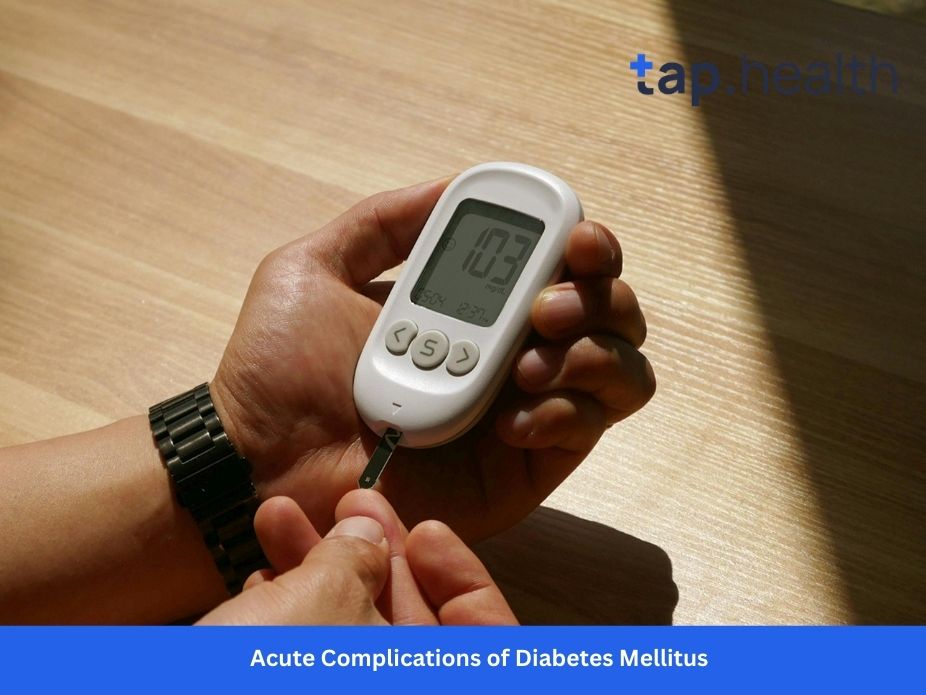
If symptoms suggest hypo or hyperglycaemic crisis, check blood glucose as soon as possible (finger-prick meter/CGM if available). NIDDK and NHS both emphasise prompt glucose checking during suspected hypoglycaemia.
Check Ketones (If Indicated)
If glucose is high and the person is ill, vomiting, or has DKA symptoms, check ketones (blood ketones preferred if available). Mayo and NHS recommend ketone checks when DKA is suspected.
Start Oral Sugar or Emergency Support (If Hypoglycaemia)
If the person is awake and can swallow, use fast-acting carbohydrate (15–20 g), then recheck. If severe/unconscious, use glucagon if available and call emergency services; do not give food or drink by mouth to someone who cannot swallow safely.
Hydration and Urgent Hospital Referral (If DKA/HHS Suspected)
For suspected DKA/HHS, urgent hospital evaluation is essential. Do not delay care while repeatedly trying home fixes if there is vomiting, confusion, deep breathing, severe dehydration, or high ketones/high glucose.
Ongoing Monitoring and Medical Treatment
Hospital care usually includes repeated glucose/electrolyte monitoring, fluid therapy, insulin, and treatment of the trigger (such as infection). Endotext/MSD/CDC all support this core approach.
Prevention of Acute Complications of Diabetes Mellitus
Most acute complications of diabetes mellitus are preventable or can be reduced in severity with planning, monitoring, and education.
Regular Blood Glucose Monitoring
Frequent monitoring helps detect highs/lows early and supports safer decisions during food changes, exercise, travel, and illness. NIDDK also notes CGMs may help people with recurrent low glucose or hypoglycaemia unawareness.
Correct Insulin / Medication Adherence
Taking insulin and medicines correctly is one of the strongest protections against DKA/HHS and hypoglycaemia. Missed insulin is a major trigger for hyperglycaemic crises.
Meal Timing and Carb Consistency
Skipping meals or not eating enough carbohydrate while still taking glucose-lowering medicines can cause hypoglycaemia. NIDDK specifically lists delayed meals and low carbohydrate intake as common causes.
Sick-Day Rules
Illness can raise glucose and ketones even if you are eating less. NHS sick-day guidance stresses close glucose/ketone monitoring and continuing insulin.
Hydration and Infection Control
Good hydration and early treatment of infections reduce the risk of DKA/HHS, especially in older adults and people with type 2 diabetes. Infection and dehydration are major triggers in hyperglycaemic emergencies.
Patient and Family Education
Families and caregivers should know symptoms, hypo treatment steps, how to use glucagon (if prescribed), and when to call emergency services. NIDDK and NHS both emphasise preparedness and rapid action.
Sick-Day Rules to Prevent Acute Diabetes Emergencies
Sick-day planning is one of the most practical tools to prevent acute complications of diabetes mellitus at home.
When to Continue Insulin
NHS sick-day guidance clearly says never stop insulin when unwell (especially long-acting insulin), because illness often increases insulin resistance and may increase insulin needs.
When to Check Sugar More Frequently
During illness, blood glucose should be checked more often. NHS sick-day guidance recommends frequent checks (including overnight in some cases), with more intensive monitoring in severe illness.
When to Check Ketones
Ketones should be checked when glucose is high, especially during illness or if DKA symptoms are present. NHS sick-day guidance highlights ketone monitoring, and Mayo also advises checking ketones when ill/stressed or with possible DKA.
When to Contact a Doctor
Contact a doctor urgently (or go to emergency care) if vomiting continues, fluids cannot be kept down, ketones remain high, glucose remains uncontrolled, or DKA symptoms appear (fruity breath, deep breathing, confusion, severe weakness). NHS and Mayo both advise urgent escalation in these cases.
Acute Complications in Type 1 vs Type 2 Diabetes
Acute complications of diabetes mellitus can occur in both type 1 and type 2 diabetes, but the pattern often differs.
Hypoglycaemia Risk in Both Types
Hypoglycaemia can occur in both types, especially when using insulin or some oral medicines that increase insulin release. Risk also rises with missed meals, alcohol, illness, or increased physical activity.
DKA More Common in Type 1 (But Can Occur in Type 2)
DKA is more common in type 1 diabetes because it is strongly linked to insulin deficiency, but CDC, MSD, and Endotext all note it can also occur in type 2 diabetes.
HHS More Common in Type 2
HHS is classically more common in type 2 diabetes and often appears in older adults or after illness. It may develop slowly and present with dehydration and mental status changes.
Real-Life Scenario
A 62-year-old man with type 2 diabetes gets a chest infection and eats very little for two days. He continues some medicines irregularly, drinks less water, and becomes increasingly drowsy and confused. Family members notice extreme thirst, frequent urination earlier in the week, and now worsening weakness. This is a classic situation where an infection and dehydration can trigger a hyperglycaemic emergency such as HHS (and sometimes mixed DKA/HHS), requiring urgent hospital care.
Another common real-life pattern is hypoglycaemia after taking insulin and then skipping a meal or doing unexpected heavy exercise. The person may start sweating and trembling, then become confused if treatment is delayed.
Expert Contribution
From a medical-content strategy perspective, the biggest mistake people make is treating all “diabetes emergencies” as the same. In reality, acute complications of diabetes mellitus require different first responses: fast sugar for suspected hypoglycaemia (if safe to swallow), but urgent hospital assessment for suspected DKA/HHS rather than home delay.
Another key point is that infection and sick days are danger periods. Many patients think “I’m eating less, so I should stop insulin,” but sick-day guidance warns the opposite can be true because illness often raises insulin needs and ketone risk. This single education point can prevent many emergencies.
Recommendations Grounded in Proven Research and Facts
- Teach the household hypo plan (symptoms, fast sugar, recheck timing, when to use glucagon, when to call emergency services).
- Keep a sick-day kit ready (glucose meter/CGM supplies, ketone strips/meter, fluids, easy carbs, medicine list, doctor/emergency numbers). This supports early action during illness.
- Do not stop insulin during illness unless a doctor specifically tells you to; instead monitor more and follow sick-day advice.
- Escalate early for vomiting, deep breathing, fruity breath, severe dehydration, confusion, or persistent high sugars/ketones. Waiting at home is risky.
- Review medicine timing, meal timing, and exercise plans regularly to reduce hypoglycaemia risk.
- Screen and treat infections promptly, especially UTI/chest/skin infections, because they commonly trigger hyperglycaemic crises.
Key Takeaways / Conclusion
Acute complications of diabetes mellitus are emergency conditions that need fast recognition and the right response. The three main diabetic emergencies are hypoglycaemia, DKA, and HHS, with lactic acidosis being an important serious condition in selected diabetic patients/differential diagnosis.
The best protection is simple but powerful: monitor regularly, take medicines correctly, follow sick-day rules, treat infections early, stay hydrated, and act quickly when red flags appear. Most severe outcomes happen after delay, not because the warning signs were absent.
Frequently Asked Questions
What are the three main diabetic emergencies?
The three main diabetic emergencies are hypoglycaemia, diabetic ketoacidosis (DKA), and hyperosmolar hyperglycaemic state (HHS). They need urgent recognition and treatment because they can quickly become life-threatening.
What are the acute complications of diabetes mellitus?
Acute complications of diabetes mellitus are sudden, short-term emergencies linked to dangerous glucose imbalance. The main ones are hypoglycaemia, DKA, and HHS; lactic acidosis may also be considered in selected situations.
What are the five complications of diabetes?
People often use this question broadly (not only acute complications). A simple answer is: acute complications (hypoglycaemia, DKA, HHS) plus chronic complications (such as eye disease, kidney disease, nerve damage, heart disease, and stroke). The “five” can vary depending on the source and whether they are grouping chronic problems together.
What is the difference between DKA and HHS?
DKA usually has ketones and acidosis and is more common in type 1 diabetes, while HHS usually has extreme hyperglycaemia, severe dehydration, and hyperosmolality without significant ketoacidosis, and is more common in type 2 diabetes. HHS often causes more severe neurological symptoms.
What is the 15-15 rule in diabetes?
The 15-15 rule is a common method for mild-to-moderate hypoglycaemia: take 15–20 g of fast-acting carbohydrate, wait 15 minutes, recheck, and repeat if still low. NHS guidance is similar and advises rechecking after 10–15 minutes.
Can type 2 diabetes patients get DKA?
Yes. DKA is more common in type 1 diabetes, but it can also occur in people with type 2 diabetes, especially during severe illness, infection, or insulin deficiency.
Why is HHS common in older adults?
HHS often develops gradually in type 2 diabetes and can be triggered by illness and dehydration. Older adults may become very dehydrated before the condition is recognised, and confusion can delay care.
What is type 2 diabetes mellitus?
Type 2 diabetes mellitus is a condition in which the body does not use insulin properly (insulin resistance) and, over time, may not make enough insulin. It causes high blood sugar and can lead to both acute and chronic complications if not managed well.
Disclaimer: This article is for educational purposes only and does not replace professional emergency medical advice. If you suspect an acute diabetes complication, seek emergency medical care immediately.