Insulin sensitivity plays a crucial role in maintaining healthy blood sugar levels and preventing conditions like type 2 diabetes. An anti-inflammatory diet is a powerful tool that can enhance insulin sensitivity, reduce inflammation, and promote overall well-being. This article explores various anti-inflammatory diet strategies, supported by real-life scenarios, expert contributions, and evidence-based recommendations to help you improve insulin sensitivity effectively.
Understanding Insulin Sensitivity and Inflammation
Insulin sensitivity refers to how responsive your cells are to insulin, a hormone that regulates blood sugar levels. High insulin sensitivity means your cells use glucose efficiently, while low sensitivity (insulin resistance) can lead to elevated blood sugar levels and increase the risk of diabetes and other health issues.
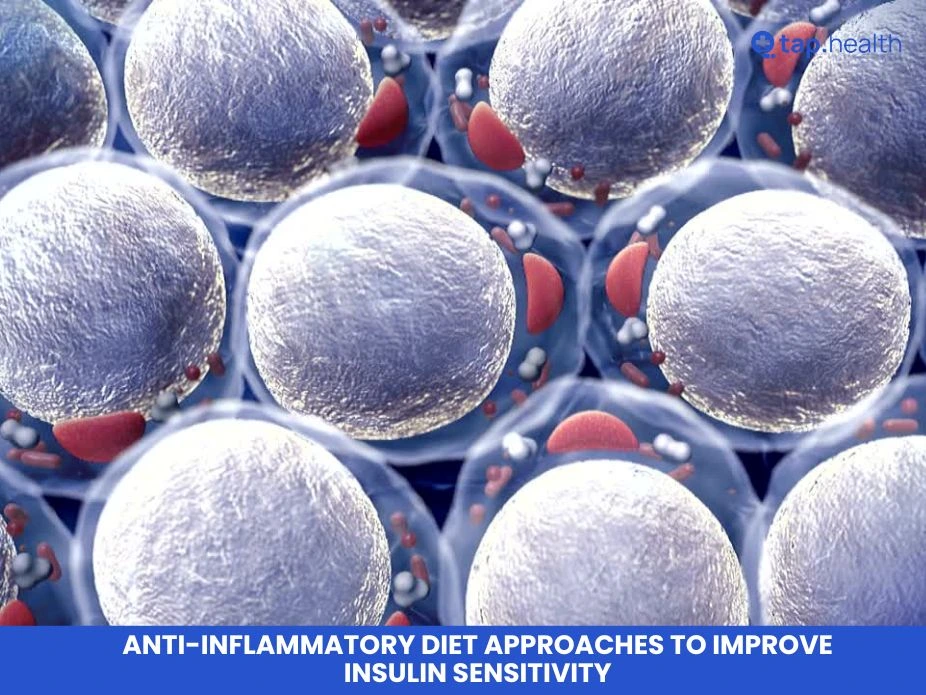
Chronic inflammation is a key factor that can reduce insulin sensitivity. Inflammatory markers in the body interfere with insulin signaling, making it harder for cells to absorb glucose. An anti-inflammatory diet aims to reduce this chronic inflammation by incorporating foods that combat inflammation and avoiding those that trigger it.
Key Components of an Anti-Inflammatory Diet
An effective anti-inflammatory diet focuses on whole, nutrient-dense foods while minimizing processed foods, refined sugars, and unhealthy fats. Here are the essential components:
- Fruits and Vegetables: Rich in antioxidants, vitamins, and minerals that fight inflammation.
- Healthy Fats: Sources like olive oil, avocados, and nuts provide anti-inflammatory omega-3 fatty acids.
- Whole Grains: High in fiber, which helps regulate blood sugar levels and reduce inflammation.
- Lean Proteins: Options such as fish, poultry, and plant-based proteins support muscle health and reduce inflammation.
- Herbs and Spices: Ingredients like turmeric, ginger, and garlic have potent anti-inflammatory properties.
- Probiotics: Foods like yogurt and fermented vegetables promote a healthy gut microbiome, which is linked to reduced inflammation.
How Anti-Inflammatory Foods Improve Insulin Sensitivity
Incorporating anti-inflammatory foods into your diet can enhance insulin sensitivity through several mechanisms:
- Reducing Oxidative Stress: Antioxidant-rich foods neutralize free radicals, decreasing oxidative stress and inflammation.
- Modulating Gut Health: A healthy gut microbiome supports better insulin sensitivity by influencing metabolic processes.
- Balancing Blood Sugar Levels: High-fiber foods slow down glucose absorption, preventing insulin spikes.
- Decreasing Inflammatory Markers: Anti-inflammatory nutrients lower levels of cytokines and other inflammatory markers that interfere with insulin function.
Real-Life Scenarios
Scenario 1: Sarah’s Journey to Improved Insulin Sensitivity
Sarah, a 38-year-old graphic designer, was diagnosed with prediabetes after routine blood tests showed elevated blood sugar levels. Struggling with weight gain and frequent fatigue, Sarah decided to adopt an anti-inflammatory diet. She incorporated plenty of leafy greens, berries, fatty fish, and nuts into her meals while eliminating processed snacks and sugary beverages.
Within six months, Sarah experienced significant weight loss, improved energy levels, and her blood sugar levels returned to normal ranges. Her doctor confirmed enhanced insulin sensitivity, reducing her risk of developing type 2 diabetes.
Scenario 2: Mark’s Battle with Insulin Resistance
Mark, a 50-year-old office manager, faced insulin resistance and was on the verge of starting medication. Determined to take control of his health, Mark consulted a nutritionist and switched to an anti-inflammatory diet. He focused on whole grains, lean proteins, and incorporated anti-inflammatory spices like turmeric and ginger into his cooking.
After a year, Mark’s insulin sensitivity improved markedly. His fasting blood glucose levels decreased, and he no longer needed medication. Additionally, Mark reported better mood stability and increased physical endurance.
Expert Contributions
Dr. Laura Mitchell, Registered Dietitian
“An anti-inflammatory diet is not just about losing weight; it’s about providing your body with the nutrients it needs to function optimally. By focusing on whole foods and reducing processed items, individuals can significantly improve their insulin sensitivity and overall metabolic health.”
Dr. Robert Evans, Endocrinologist
“Chronic inflammation is a silent enemy affecting insulin signaling pathways. Incorporating anti-inflammatory foods into daily meals can modulate these pathways, enhancing insulin sensitivity and preventing the progression to diabetes.”
Recommendations Grounded in Proven Research and Facts
1. Emphasize Whole Foods
Whole, unprocessed foods retain their natural nutrients and fiber, which are essential for reducing inflammation and improving insulin sensitivity. Aim to fill your plate with a variety of colorful vegetables, fruits, whole grains, and lean proteins.
2. Incorporate Omega-3 Fatty Acids
Omega-3s found in fatty fish like salmon, mackerel, and sardines, as well as in flaxseeds and walnuts, have strong anti-inflammatory effects. Regular consumption can help lower inflammatory markers and enhance insulin sensitivity.
3. Add Anti-Inflammatory Spices
Spices such as turmeric, ginger, cinnamon, and garlic contain bioactive compounds that fight inflammation. Incorporate these spices into your cooking to add flavor and health benefits.
4. Choose Healthy Fats
Replace saturated and trans fats with healthy fats like those from olive oil, avocados, and nuts. These fats help reduce inflammation and support metabolic health.
5. Increase Fiber Intake
Dietary fiber, especially soluble fiber found in oats, legumes, and vegetables, helps stabilize blood sugar levels by slowing glucose absorption. It also promotes a healthy gut microbiome, which is linked to reduced inflammation.
6. Limit Refined Carbohydrates and Sugars
Refined carbohydrates and sugary foods can spike blood sugar levels and promote inflammation. Opt for whole grains and natural sweeteners instead.
7. Stay Hydrated
Proper hydration supports all bodily functions, including metabolism and the regulation of blood sugar levels. Aim to drink at least eight glasses of water a day.
8. Include Probiotic-Rich Foods
Probiotics found in yogurt, kefir, sauerkraut, and other fermented foods enhance gut health, which is crucial for reducing inflammation and improving insulin sensitivity.
9. Maintain a Balanced Diet
Ensure your diet is balanced with appropriate portions of macronutrients—carbohydrates, proteins, and fats—to support overall health and metabolic functions.
10. Consult Healthcare Professionals
Before making significant dietary changes, especially if you have existing health conditions, consult with a healthcare provider or a registered dietitian to tailor the diet to your specific needs.
Factual and Reliable Information
Numerous studies support the effectiveness of an anti-inflammatory diet in improving insulin sensitivity and reducing the risk of type 2 diabetes. For instance:
- Study 1: A research published in the Journal of Clinical Endocrinology & Metabolism found that individuals following a Mediterranean-style anti-inflammatory diet showed significant improvements in insulin sensitivity and reduced markers of inflammation.
- Study 2: According to a study in the American Journal of Clinical Nutrition, increased intake of omega-3 fatty acids was associated with enhanced insulin sensitivity in overweight and obese adults.
- Study 3: Research in the British Journal of Nutrition demonstrated that a high-fiber diet improved blood sugar control and insulin sensitivity in individuals with insulin resistance.
Furthermore, anti-inflammatory diets are linked to a lower risk of cardiovascular diseases, certain cancers, and neurodegenerative disorders, highlighting their comprehensive health benefits.
Frequently Asked Questions (FAQ) on Anti-Inflammatory Diet Approaches to Improve Insulin Sensitivity
What is an anti-inflammatory diet?
An anti-inflammatory diet focuses on consuming whole, nutrient-dense foods that reduce inflammation in the body. It emphasizes fruits, vegetables, whole grains, healthy fats, lean proteins, and spices known for their anti-inflammatory properties while limiting processed foods, refined sugars, and unhealthy fats.
How does inflammation affect insulin sensitivity?
Chronic inflammation disrupts insulin signaling pathways, making it harder for cells to absorb glucose effectively. This leads to insulin resistance, where the body requires more insulin to maintain normal blood sugar levels, increasing the risk of type 2 diabetes.
Can an anti-inflammatory diet reverse insulin resistance?
While an anti-inflammatory diet can significantly improve insulin sensitivity and reduce inflammation, reversing insulin resistance also depends on other factors like physical activity, weight management, and overall lifestyle. It’s essential to adopt a holistic approach for the best results.
How long does it take to see improvements in insulin sensitivity with an anti-inflammatory diet?
Improvements can vary based on individual health status, adherence to the diet, and other lifestyle factors. Some people may notice changes within a few weeks, while others might take several months to experience significant improvements.
Are there any risks associated with an anti-inflammatory diet?
An anti-inflammatory diet is generally safe for most people. However, it’s important to ensure nutritional balance. For example, excessive intake of certain foods, like nuts, can lead to high calorie consumption. Always consult with a healthcare provider or dietitian before making major dietary changes.
Can I follow an anti-inflammatory diet if I have dietary restrictions?
Yes, an anti-inflammatory diet can be adapted to accommodate various dietary restrictions, including vegetarian, vegan, gluten-free, and dairy-free diets. The focus remains on whole, nutrient-dense foods that reduce inflammation.
What are some easy anti-inflammatory meals to start with?
- Breakfast: Oatmeal topped with berries, nuts, and a sprinkle of cinnamon.
- Lunch: Quinoa salad with mixed vegetables, avocado, and a lemon-tahini dressing.
- Dinner: Baked salmon with steamed broccoli and sweet potatoes.
- Snacks: Carrot sticks with hummus or a handful of walnuts.
Do supplements help with inflammation and insulin sensitivity?
While a balanced diet should provide most necessary nutrients, certain supplements like omega-3 fatty acids, vitamin D, and probiotics may support inflammation reduction and insulin sensitivity. Always consult with a healthcare provider before starting any supplements.
How important is physical activity alongside an anti-inflammatory diet?
Physical activity complements an anti-inflammatory diet by enhancing insulin sensitivity, aiding weight management, and reducing inflammation. A combination of regular exercise and a healthy diet offers the best outcomes for metabolic health.
Can an anti-inflammatory diet help with other health conditions?
Yes, an anti-inflammatory diet can benefit various health conditions, including heart disease, arthritis, certain cancers, and neurodegenerative disorders by reducing chronic inflammation and promoting overall health.
Conclusion
Adopting an anti-inflammatory diet is a strategic approach to improving insulin sensitivity and enhancing overall health. By focusing on whole, nutrient-dense foods, incorporating healthy fats, and minimizing processed and sugary items, you can reduce chronic inflammation and support your body’s ability to regulate blood sugar effectively. Real-life success stories and expert insights underscore the effectiveness of this dietary approach. Coupled with regular physical activity and lifestyle adjustments, an anti-inflammatory diet can be a cornerstone in preventing and managing insulin resistance and related health issues. Always consult with healthcare professionals to tailor the diet to your individual needs and ensure comprehensive health benefits.