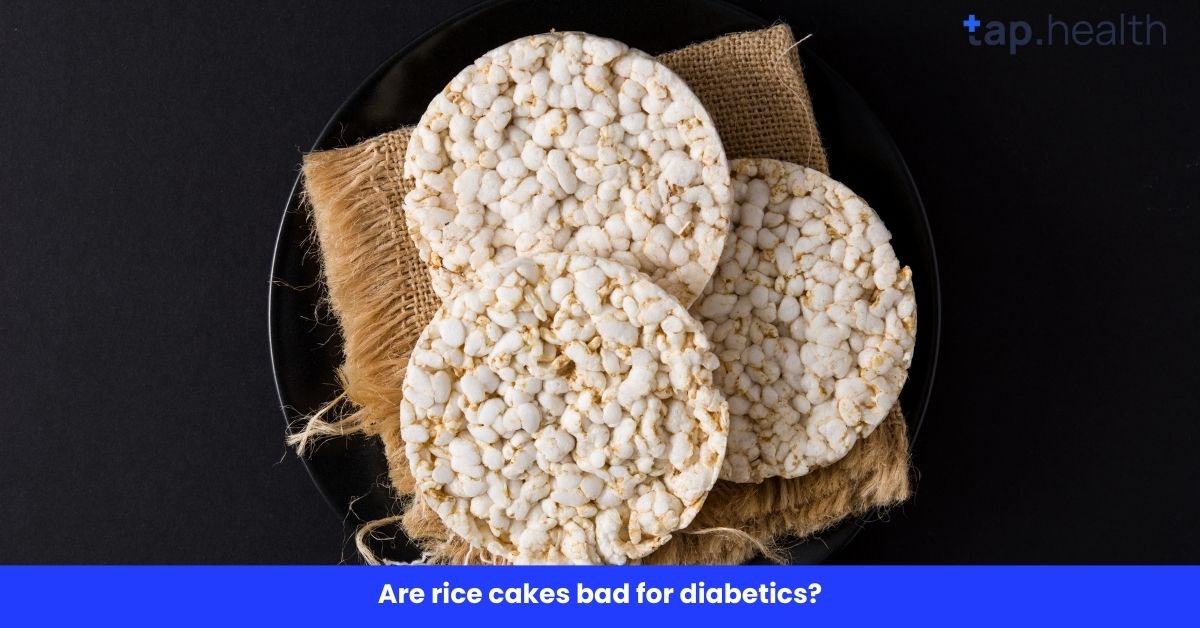
Rice cakes have been a popular snack for years, often marketed as a healthier alternative to other processed snacks. But when it comes to diabetes, a condition that requires careful attention to diet and blood sugar control, many people wonder: are rice cakes bad for diabetics?
In this blog post, we will thoroughly explore the effects of rice cakes on blood sugar levels, whether they are a safe snack for diabetics, and alternative options for those managing diabetes.
What Are Rice Cakes?
Rice cakes are typically made from puffed rice and are available in various flavors. These snacks are low in calories and fat, which makes them seem like a healthy option for many people. However, their nutritional value varies, depending on how they are processed and what ingredients are added.
The Composition of Rice Cakes
- Main Ingredient: The primary ingredient in rice cakes is rice, which is processed to form a light, crispy cake. It’s usually white rice, which is refined and low in fiber.
- Nutritional Content: Rice cakes are generally low in protein, fat, and fiber. A typical rice cake might have around 35 calories, but very little nutritional value in terms of vitamins and minerals.
While rice cakes are light and low-calorie, their carbohydrate content, especially in the form of refined white rice, is something to consider when thinking about their impact on blood sugar.
How Do Rice Cakes Affect Blood Sugar?
Rice cakes are primarily made from simple carbohydrates, which are quickly broken down into sugar (glucose) in the bloodstream. This is especially relevant for diabetics, whose bodies may struggle to process glucose efficiently.
Glycemic Index and Rice Cakes
- High Glycemic Index: Rice cakes typically have a high glycemic index (GI), meaning they can cause a rapid spike in blood sugar levels. Foods with high GI values are absorbed quickly into the bloodstream, which can be problematic for diabetics trying to maintain stable blood sugar levels.
- Effect on Blood Sugar: Consuming foods with a high glycemic index, like rice cakes, can cause blood sugar levels to spike and fall quickly. This can lead to fluctuations that make it difficult to manage diabetes effectively.
Are Rice Cakes Safe for Diabetics?
While rice cakes themselves may not be inherently “bad” for diabetics, their high glycemic index makes them a less-than-ideal snack for individuals who need to manage their blood sugar levels. It’s important to understand how these snacks can impact a diabetic’s health.
Risks of Eating Rice Cakes for Diabetics
For diabetics, the biggest concern with eating rice cakes is their ability to spike blood sugar levels. Let’s break down why this happens and what potential risks it may cause:
Blood Sugar Spikes
- Fast Absorption of Sugar: Rice cakes are digested quickly, causing an immediate rise in blood sugar. For someone with diabetes, this can lead to a rapid increase in glucose levels, which is hard for the body to manage.
- Insulin Resistance: Diabetics often have insulin resistance, meaning their bodies cannot use insulin efficiently. High-GI foods like rice cakes exacerbate this issue by increasing insulin demand, putting additional stress on the pancreas.
Long-Term Effects
- Chronic Blood Sugar Imbalance: Consistently eating high-GI foods like rice cakes can contribute to chronic high blood sugar, which increases the risk of complications like heart disease, kidney damage, and nerve issues.
- Weight Gain: Although rice cakes are low in calories, consuming them regularly in place of more balanced snacks can lead to overeating and potential weight gain, which is a risk factor for Type 2 diabetes.
Can Diabetics Eat Rice Cakes in Moderation?
The key to managing diabetes is moderation. So, can diabetics eat rice cakes occasionally? The answer is yes, but with caution.
How to Make Rice Cakes Safer for Diabetics
- Pair with Protein or Healthy Fats: To slow down the absorption of sugar, pair rice cakes with a source of protein or healthy fats, such as almond butter or avocado. This helps balance out the spike in blood sugar.
- Look for Whole-Grain Rice Cakes: Opting for brown rice cakes, which are made from whole grains, offers more fiber than the refined white rice versions. Fiber helps slow the absorption of sugar and can mitigate some of the negative effects of rice cakes.
- Check the Glycemic Index: Choose rice cakes that are lower in glycemic index if possible. Some rice cakes are made with additional ingredients that might lower their GI and provide better blood sugar control.
Alternatives to Rice Cakes for Diabetics
If you’re looking for healthier snack alternatives to rice cakes, there are plenty of options available that won’t cause rapid blood sugar spikes.
1. Whole-Grain Crackers
Whole-grain crackers are made from whole wheat, which provides fiber and nutrients that are beneficial for diabetics. They have a lower glycemic index than rice cakes and can be paired with healthy toppings for a more balanced snack.
2. Nuts and Seeds
Nuts and seeds are rich in protein, healthy fats, and fiber, making them an excellent choice for diabetics. They help stabilize blood sugar and keep you feeling fuller for longer.
3. Vegetable Sticks with Hummus
Cut up carrots, celery, or cucumber and dip them in hummus for a nutritious and fiber-rich snack. This snack is low in carbohydrates and has a low glycemic index, making it diabetic-friendly.
4. Greek Yogurt with Berries
Greek yogurt is packed with protein and probiotics, while berries provide antioxidants and fiber. This combination is a delicious and diabetic-friendly alternative to rice cakes.
5. Hard-Boiled Eggs
Eggs are an excellent source of protein and healthy fats. They won’t spike blood sugar levels and can be paired with vegetables or a small portion of whole-grain crackers for a balanced snack.
What Are the Best Snacks for Diabetics?
Choosing the right snacks is crucial for managing blood sugar levels. Here are some great snack options for diabetics:
1. Apples with Peanut Butter
Apples are rich in fiber, which helps control blood sugar levels. Pairing them with a small amount of peanut butter provides healthy fats and protein, making it a well-rounded snack.
2. Chia Seed Pudding
Chia seeds are loaded with fiber and omega-3 fatty acids, making them an ideal food for diabetics. You can make chia seed pudding by mixing chia seeds with unsweetened almond milk and letting it sit overnight.
3. Edamame
Edamame is a great source of protein and fiber. These soybeans help stabilize blood sugar and provide a filling snack without causing spikes in glucose levels.
Real-Life Scenario
Imagine Sarah, a 45-year-old woman with Type 2 diabetes, who enjoys snacking on rice cakes throughout the day. She finds them convenient and low in calories, making them a go-to snack. However, after monitoring her blood sugar levels, she notices frequent spikes, especially after consuming rice cakes alone. Upon consulting with her healthcare provider, Sarah learns that rice cakes have a high glycemic index, leading to rapid increases in blood sugar. By pairing her rice cakes with protein-rich foods like almond butter or opting for whole-grain versions, Sarah can enjoy her snacks without compromising her blood sugar control.
Expert Contribution
Dr. Emily Chen, a registered dietitian specializing in diabetes care, emphasizes the importance of understanding the glycemic index when managing diabetes. “While rice cakes can be part of a diabetic diet, it’s crucial to pair them with foods that have a low glycemic index, such as proteins or healthy fats, to minimize blood sugar spikes,” she advises. Dr. Chen also recommends monitoring blood glucose levels regularly to understand individual responses to different foods.
Recommendations Grounded in Proven Research and Facts
- Choose Whole-Grain Rice Cakes: Opt for brown rice cakes over white rice cakes to benefit from higher fiber content, which can help regulate blood sugar levels.
- Pair with Protein or Healthy Fats: Combining rice cakes with protein-rich foods like cottage cheese or healthy fats like avocado can slow the absorption of sugars and prevent rapid blood sugar spikes.
- Monitor Portion Sizes: Limit consumption to one or two rice cakes per sitting to manage carbohydrate intake effectively.
- Read Nutrition Labels: Be cautious of flavored rice cakes that may contain added sugars or sodium, which can negatively impact blood sugar control.
- Consult Healthcare Providers: Regularly discuss dietary choices with a healthcare provider or dietitian to tailor a meal plan that supports optimal blood sugar management.
Frequently Asked Questions (FAQs) on Are Rice Cakes Bad for Diabetics?
1. Are Rice Cakes Better Than Bread for Diabetics?
Both rice cakes and bread can affect blood sugar levels, but the glycemic index of rice cakes tends to be higher. Whole-grain bread, on the other hand, is typically lower in glycemic index and provides more fiber, which is beneficial for diabetics.
2. Can Rice Cakes Be Part of a Diabetic Meal Plan?
Yes, but in moderation. It’s important to pair rice cakes with protein or healthy fats to minimize blood sugar spikes. They should not be consumed in large quantities.
3. Are Brown Rice Cakes Better for Diabetics?
Yes, brown rice cakes are a better option than white rice cakes because they contain more fiber, which helps regulate blood sugar levels. However, they should still be consumed in moderation.
4. What Snacks Can Diabetics Eat Instead of Rice Cakes?
Diabetics can choose from a variety of snacks such as nuts, seeds, vegetables with hummus, Greek yogurt with berries, and whole-grain crackers. These snacks have a lower glycemic index and are better suited for blood sugar control.
5. How Can I Lower the Glycemic Index of Rice Cakes?
You can lower the glycemic index of rice cakes by pairing them with protein or healthy fats. Additionally, choosing rice cakes made from whole grains instead of refined white rice can also reduce the glycemic impact.
Conclusion
Rice cakes may seem like a healthy option, but for diabetics, their high glycemic index can cause rapid spikes in blood sugar. While it’s not necessary to completely avoid rice cakes, they should be consumed sparingly and paired with protein or healthy fats to mitigate their impact on glucose levels. Opting for brown rice cakes and incorporating other low-glycemic snacks into your diet can help you better manage your diabetes and enjoy a wide variety of tasty foods.
If you are unsure about what to eat or need personalized dietary advice, it’s always a good idea to consult with a healthcare professional or a dietitian.