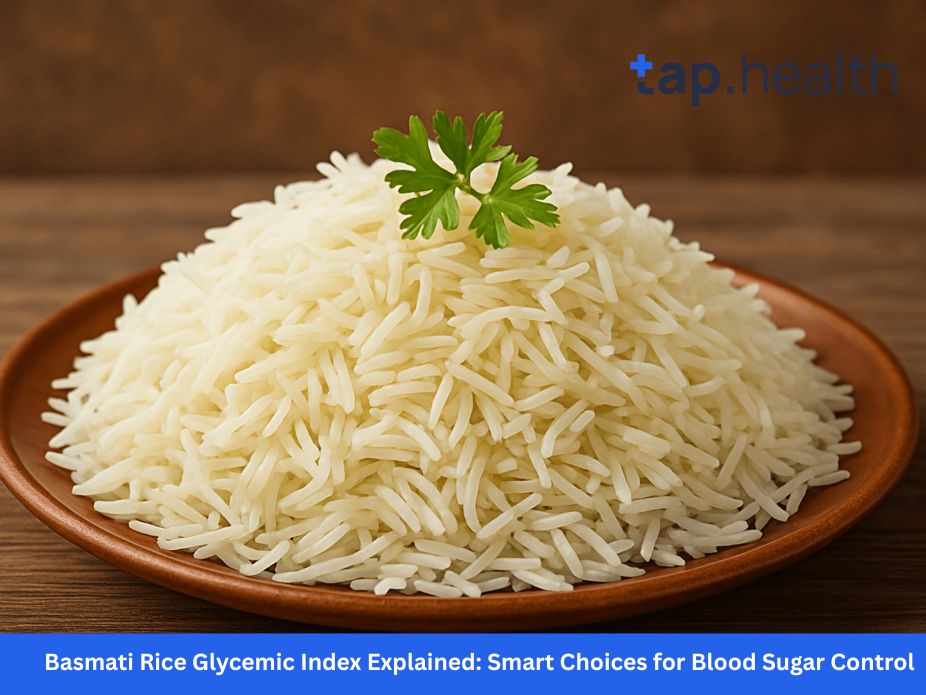
Let’s talk about basmati rice. You know it—the fragrant, long-grained rice that makes biryanis and curries smell like heaven. But if you’ve ever worried about how it affects your blood sugar, you’re not alone. Especially if you’re managing diabetes, watching your weight, or just trying to eat healthier, the basmati rice glycemic index (GI) is a big deal.
I get it. Rice is a staple for billions. Cutting it out feels impossible. But what if you could enjoy basmati rice without the blood sugar rollercoaster? That’s where understanding its glycemic index comes in. No confusing science jargon here—just practical, real-talk advice you can use tonight at dinner.
What Exactly Is Glycemic Index (GI)?
GI in Plain English
Imagine your blood sugar is like a calm lake. High-GI foods are like throwing a boulder into it—sugar spikes fast, then crashes hard. Low-GI foods? They’re like gently placing a pebble in the water. Sugar rises slowly and stays steady.
The glycemic index ranks foods from 0–100 based on how much they raise blood sugar compared to pure sugar (which is 100). Here’s the simple breakdown:
- Low GI (55 or less): Oats, lentils, most fruits. Gentle on blood sugar.
- Medium GI (56–69): Whole wheat bread, sweet potatoes. Moderate impact.
- High GI (70+): White bread, corn flakes, instant mashed potatoes. Fast spikes.
Why care? Big spikes can lead to energy crashes, hunger cravings, and long-term health risks like type 2 diabetes. For diabetics, managing GI is like having a superpower—it keeps blood sugar in check.
Basmati Rice’s Glycemic Index: The Numbers Don’t Lie
White vs. Brown Basmati: A Clear Winner
Not all basmati rice is created equal. Here’s what authoritative sources like the American Diabetes Association and Glycemic Index Foundation confirm:
- White basmati rice: GI of 50–58 (medium range).
- Brown basmati rice: GI of ~50 or lower (low range).
Wait—why the difference? It’s all about the grain. Brown basmati keeps its bran and germ (the fiber-rich outer layers). White basmati has these polished off, leaving mostly starch. Fiber slows digestion, so sugar enters your blood gradually. Brown basmati also packs more vitamins, magnesium, and antioxidants.
Real-life example: Eating a bowl of white basmati might leave you hungry an hour later. Brown basmati keeps you full longer and avoids that 3 p.m. crash.
Why Basmati Is Special Among Rices
Compared to other popular rices, basmati is a standout:
- Jasmine rice: GI 68–80 (high)
- Regular white rice: GI 73 (high)
- Brown rice (non-basmati): GI 50–55 (medium-low)
- Wild rice: GI 45 (low)
Basmati’s secret? Its unique starch structure. It’s packed with amylose, a slow-digesting starch. Think of it like a time-release capsule for carbs. Even white basmati acts more like a whole grain than other white rices.
3 Things That Change Basmati Rice’s GI (And How to Control Them)
Cooking Method Matters More Than You Think
How you cook basmati dramatically alters its GI. Let’s break it down:
1. Water Ratio & Cooking Time
- More water + longer boil = higher GI. Overcooked rice turns mushy, breaking down starches fast.
- Less water + gentle steam = lower GI. Keeps grains firm.
Pro tip: For fluffier, lower-GI rice, use a 1:1.5 rice-to-water ratio. Bring to a boil, cover, then simmer on low heat for 15 minutes. Turn off heat and let it sit (covered) for 10 minutes.
2. Cooling It Down
Cooked basmati rice left to cool forms resistant starch. This is a type of fiber your body can’t digest, so it doesn’t spike blood sugar. Studies show cooling rice for 12+ hours in the fridge can lower its GI by 15–20%.
Try this: Cook a big batch on Sunday, refrigerate, and reheat portions all week. Add it cold to salads!
3. What You Eat It With
Pairing basmati rice with protein (chicken, lentils), healthy fats (avocado, olive oil), or vinegar (in dressings) slows digestion. A 2020 study in Nutrition Journal found adding vinegar to rice lowered its GI by 20–35%.
Health Perks (and Problems) of Basmati Rice
The Good News for Diabetics & Weight Watchers
Thanks to its medium/low GI, basmati rice—especially brown—is a smart pick if you’re:
- Managing prediabetes or type 2 diabetes. Research in Diabetes Care shows low-GI diets improve long-term blood sugar control.
- Trying to lose weight. Low-GI foods keep you full longer, reducing mindless snacking.
- Reducing heart risks. Stable blood sugar = lower inflammation and better cholesterol.
Brown basmati also delivers:
- Fiber: 3.5g per cooked cup (vs. 0.6g in white). Fiber feeds good gut bacteria.
- Nutrients: Manganese (for metabolism), selenium (immunity), and B vitamins.
The Caveats: When to Be Cautious
- Portion size is key. Even low-GI foods can spike sugar if you eat 3 cups at once. Stick to ½–1 cup cooked per meal.
- White basmati isn’t a health food. It’s better than jasmine rice, but brown basmati is far superior nutritionally.
- Not for everyone. If you have severe insulin resistance, talk to your doctor before making rice a daily staple.
Basmati vs. The Rice Aisle: Who Wins?
Quick Comparison Guide
| Brown basmati | ~50 (Low) | 3.5g | Diabetics, weight loss, heart health |
| White basmati | 50–58 (Medium) | 0.6g | Occasional meals, sensitive stomachs |
| Jasmine rice | 68–80 (High) | 0.6g | Flavor-focused dishes (use sparingly!) |
| Regular brown rice | 50–55 (Low) | 3.5g | Budget-friendly whole grain |
| Cauliflower rice | 0 (None) | 2g | Low-carb emergencies |
Key takeaway: Brown basmati beats white basmati and jasmine rice for blood sugar control. But regular brown rice is a close second—and cheaper. Choose basmati when you want that signature aroma and texture.
5 Foolproof Ways to Enjoy Basmati Rice (Without Wrecking Your Blood Sugar)
Keep It Balanced
- The Plate Method: Fill ¼ of your plate with basmati rice, ¼ with lean protein (fish, tofu), and ½ with non-starchy veggies (broccoli, spinach).
- Swap Half the Rice: Mix cooked basmati with riced cauliflower or lentils. You’ll cut carbs without noticing.
- Spice It Up: Cinnamon, turmeric, and fenugreek may improve insulin sensitivity. Sprinkle them on your rice!
- Leftovers Are Gold: Make biryani on Sunday, eat it cooled Monday–Wednesday. Resistant starch increases overnight.
- Pair with Acid: A squeeze of lemon or a vinegar-based raita slows sugar absorption.
The Final Scoop: Can You Eat Basmati Rice Every Day?
Here’s my honest take:
- Brown basmati? Yes—most days. Its low GI and nutrients make it a sustainable carb source. Just watch portions.
- White basmati? Occasionally. Treat it like dark chocolate—enjoy it mindfully, not daily.
- Diabetics: Test your blood sugar 2 hours after eating basmati. Everyone reacts differently!
Rice isn’t the enemy. How we eat it is what matters. Basmati, especially brown, can be part of a vibrant, healthy life. It’s about progress, not perfection. Start with one change tonight: swap white for brown basmati, cool your leftovers, or add a side of spinach. Your blood sugar will thank you.
Basmati Rice Glycemic Index: FAQs
Is basmati rice low glycemic?
Brown basmati rice is low glycemic (GI ~50 or less). White basmati is medium glycemic (GI 50–58). Always choose brown for better blood sugar control.
Can diabetics eat basmati rice?
Yes—but choose brown basmati, control portions (½ cup cooked max per meal), and pair it with protein/fiber. Monitor your blood sugar to see how you react.
Does cooking basmati rice with coconut oil lower its GI?
Some studies suggest adding a teaspoon of coconut oil before cooking may reduce digestible starch. However, cooling cooked rice has stronger evidence for lowering GI.
Is basmati rice healthier than white rice?
Yes. White basmati has a lower GI than regular white rice (58 vs. 73). Brown basmati is even better—it’s a whole grain packed with fiber and nutrients.
How much basmati rice can I eat per day?
For most adults, ½–1 cup of cooked brown basmati per meal is safe. If you’re active or under medical guidance, you may eat slightly more.
Does reheating cooled basmati rice destroy resistant starch?
No! Resistant starch stays intact even when reheated. In fact, cooling then reheating may boost its benefits. Store cooked rice in the fridge for up to 4 days.
Is organic basmati rice lower GI than conventional?
No—GI depends on the rice type (brown/white) and cooking method, not farming practices. Organic rice avoids pesticides but has similar carbs.
Can I eat basmati rice on a low-carb diet?
In strict keto diets (<20g net carbs/day), basmati rice is too high in carbs. For moderate low-carb diets (50–100g net carbs), a small portion of brown basmati occasionally is fine.
Does soaking basmati rice reduce its GI?
Soaking may slightly lower GI by breaking down some starches, but cooling cooked rice has a bigger impact. Soak for 30 minutes before cooking for fluffier texture.
What’s the healthiest way to cook basmati rice?
Rinse thoroughly, use a 1:1.5 rice-to-water ratio, simmer gently, then let it steam off-heat. Cool leftovers in the fridge overnight to boost resistant starch.
References
Harvard Health Publishing: Glycemic index for 60+ foods
- Lists white rice vs. brown rice vs. converted rice.
- https://www.healthline.com/nutrition/is-basmati-rice-healthy (Note: Healthline cites Harvard data specifically regarding Basmati’s lower GI profile compared to other rice).
Glycemic Index Foundation (University of Sydney): GI Database Search
- The official global database for GI testing. Search “Basmati” to see scores ranging from 52 to 58.
- https://glycemicindex.com/gi-search/
Diabetes Canada: The Glycemic Index (GI) Food Guide
- Explicitly lists Basmati Rice under the “Choose Most Often” (Low/Medium GI) category.
- https://www.diabetes.ca/resources/tools—resources/the-glycemic-index-(gi)